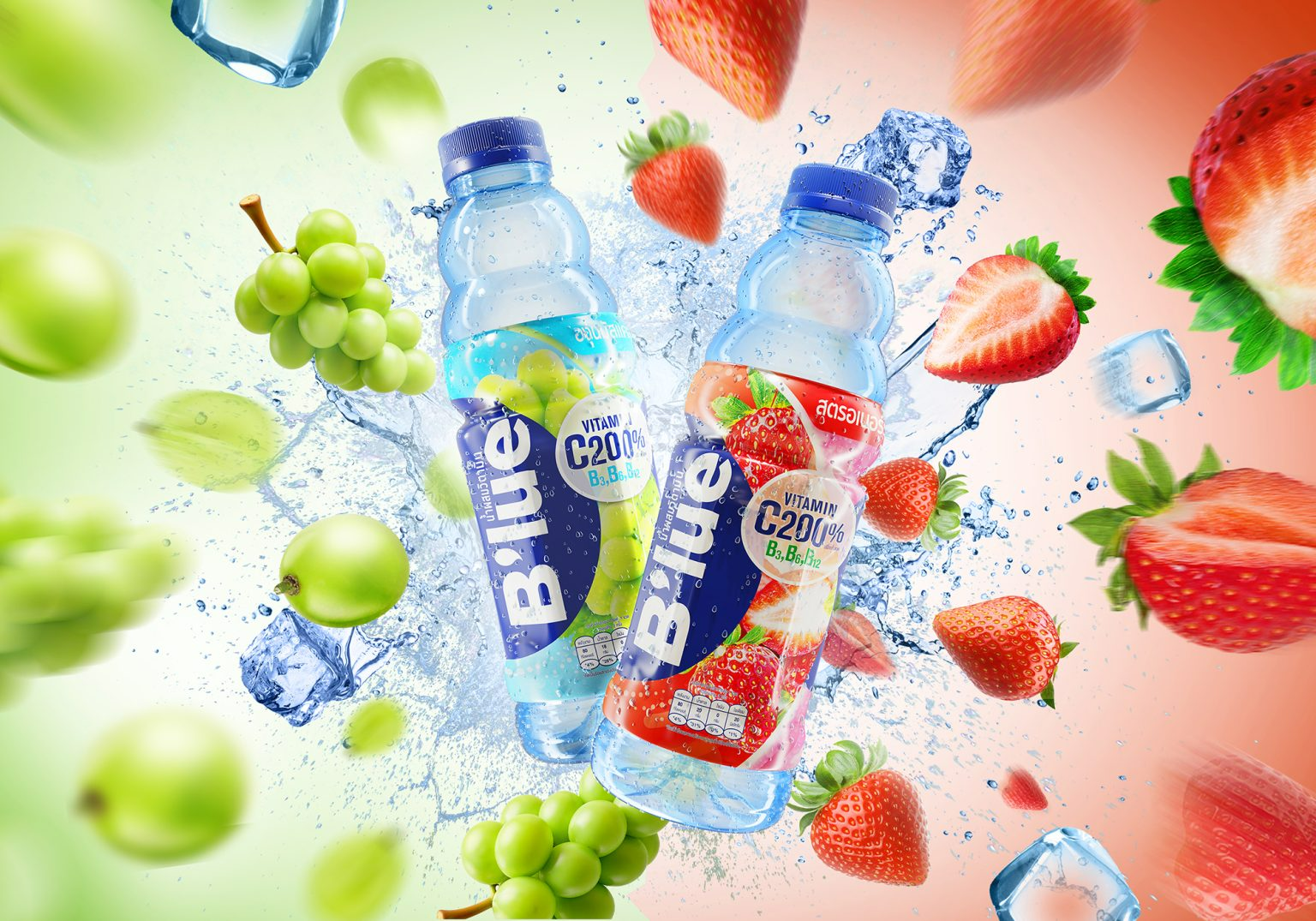
I. The Liquid Revolution: Thirsting for Something Radical

The international fast-moving consumer goods sector is currently navigating an unprecedented structural crisis. Across modern trade hypermarkets and corner convenience store clusters, conventional carbonated soft drinks are losing market velocity. Today’s sophisticated, hyper-connected consumers demand far more than basic hydration. They actively hunt for authentic sensory experiences, complex fruit flavor profiles, and striking packaging designs that match their personal lifestyle choices. This profound evolution in marketplace psychology has forced regional retail conglomerates and category managers to completely re-evaluate their current shelf allocations.
To thrive in this cutthroat environment, implementing a specialized framework for Vibrant Beverage Distribution has transitioned from an operational luxury to an absolute baseline requirement. This modern commercial approach involves the calculated curation and precise market positioning of multi-flavor refreshment portfolios. By establishing instant visual and sensory disruption on crowded store shelves, brands can successfully convert casual browsers into loyal purchasers. When managed through an optimized logistical pipeline, an innovative product line serves as a primary anchor, driving continuous foot traffic directly to beverage aisles.
Recognizing these shifting dynamic trends, M-Pacific has strategically expanded its regional logistical footprint and technical architecture to lead this transformation. By leveraging its highly scalable, end-to-end FMCG distribution network, the organization provides modern retail chains with immediate access to high-demand refreshment lines. Our deep supply chain framework is meticulously engineered to support heavy bulk procurement volumes while maintaining absolute product freshness. Through strategic multi-regional inventory positioning, we ensure that modern trade networks remain perfectly equipped to satisfy evolving market demands with zero operational friction.
II. The Blueprint for Domination: Our High-Stakes Commercial Mandate
The wide-scale commercialization of an innovative refreshment line requires a clear blueprint that bridges the gap between brand marketing and field execution. A strict operational mandate must govern how modern inventory is allocated, merchandised, and replenished across diverse retail formats. This systematic arrangement ensures that every logistical asset is fully optimized for immediate market penetration.
1. Cracking the Consumer Code and Dominating Shelf Real Estate
The B’lue beverage collection directly addresses modern consumer needs by delivering an unconventional sensory experience that appeals to adventurous palates. Through the highly tuned channels controlled by our enterprise, corporate retail partners can effortlessly capture these high-value, wellness-conscious market segments. By embedding advanced category management strategies directly into daily operations, we alter store dynamics to favor fast-turning liquid portfolios.
Furthermore, maximizing product velocity at the exact point of purchase requires a localized approach to retail inventory deployment. Our market intelligence divisions continuously monitor point-of-sale data streams to ensure high-demand flavor variants are routed to matching geographic zones. This highly responsive, data-driven positioning strategy guarantees that inventory utilization rates remain exceptionally high across all participating retail locations.
2. Eradicating Friction: High-Velocity Logistics and Merchant Onboarding
Efficient merchant onboarding and frictionless order processing are the absolute backbones of any large-scale consumer goods operation. Large-scale retail buyers require predictable delivery schedules, transparent pricing tiers, and highly standardized packaging configurations that integrate seamlessly into automated sorting systems. By implementing these rigorous operational parameters, we transform standard delivery pipelines into highly reliable corporate competitive advantages.
- Bulk Order Readiness: Centralized logistics centers maintain deep safety stock reserves of beverage inventory to execute massive institutional orders from hypermarket networks immediately.
- Extended Shelf Stability: The entire product line features a verified twelve-month shelf life, allowing commercial buyers to manage long-distance transport corridors safely.
Ultimately, establishing these strict operational parameters allows downstream commercial partners to commit to substantial inventory positions with absolute confidence. By removing logistics uncertainty and stabilizing lead times, the advanced network managed by M-Pacific transforms a new product launch into a highly predictable, profitable revenue driver. This structural security empowers modern trade merchants to scale their beverage operations rapidly without facing typical inventory bottlenecks.
III. The Nerve Center: Synchronizing the Physical and Digital Grid
Modern supply chains require a total integration of physical warehousing infrastructure and real-time digital monitoring platforms to manage high-volume beverage portfolios. This unified hub architecture provides logistics coordinators with end-to-end visibility, allowing them to optimize storage environments and eliminate transit delays. Within this operational ecosystem, our centralized framework drives maximum efficiency across all active regional distribution lines to keep retail pipelines perpetually filled.
- Optimized Packing Standard: Every standard wholesale distribution unit handled across the network is securely configured to contain exactly 15 crisp 500ml bottles to maximize volumetric pallet efficiency.
- Centralized Inventory Repository: Highly secure, climate-controlled warehousing installations protect the physical integrity and delicate fruit flavor profiles of the beverage inventory prior to regional dispatch.
- Digital Tracking Infrastructure: Advanced enterprise resource planning software utilizes serialized barcode scanning across the FMCG distribution grid to provide real-time updates on manufacturing batches.
- Distribution Endpoint Nodes: Strategically located cross-docking facilities accelerate the sorting and regional dispatching of bulk beverage shipments to streamline Vibrant Beverage Distribution.
IV. Liquid Gold: Mapping the Flavor Matrix and Product Architecture
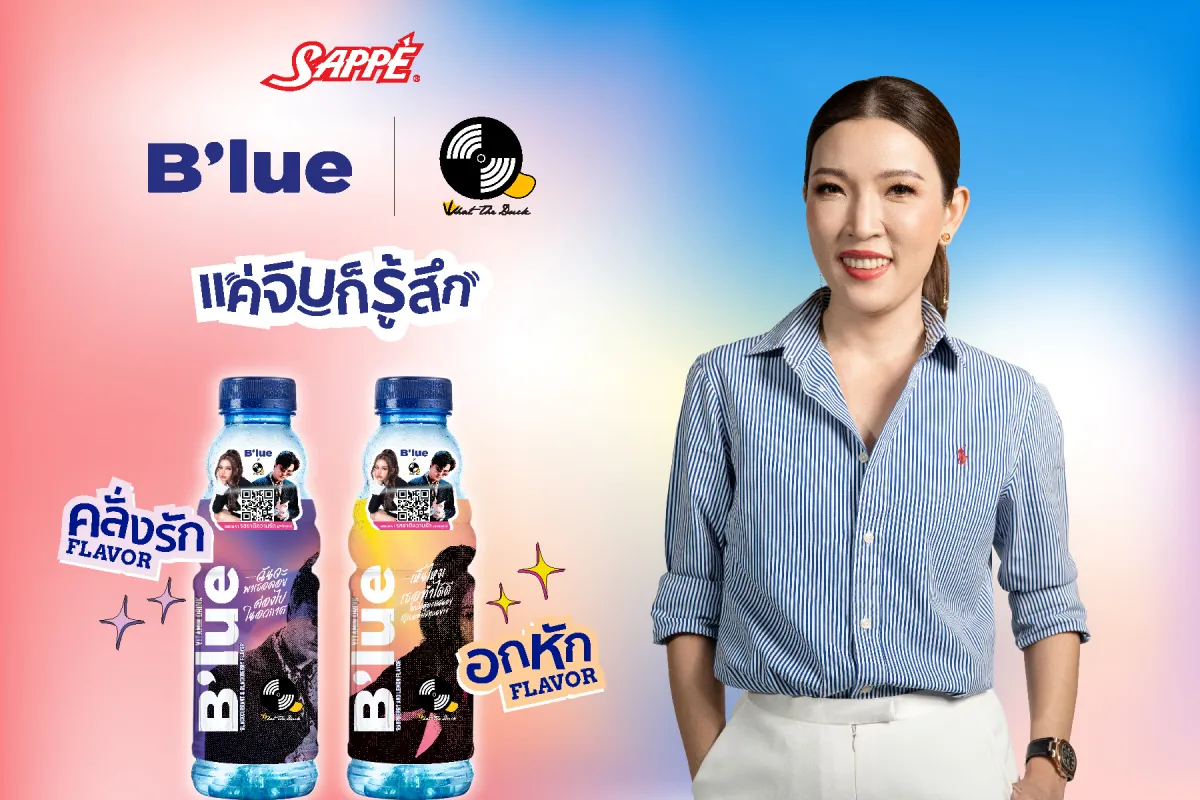
A diversified and dynamically structured product portfolio is vital to maintaining long-term consumer interest and securing extensive shelf allocations within competitive retail environments. By organizing a product lineup into distinct sensory categories, corporate brands can effectively target multiple consumer use cases and demographic preferences simultaneously. Through our comprehensive network infrastructure, retail partners can easily access the full breadth of the B’lue beverage line.
1. The Classics Reimagined: Fueling the Mainstream Volume Engine
The foundational layer of the B’lue refreshment architecture relies on universally appealing, highly recognizable fruit profiles that offer immediate comfort. Varieties such as Lychee and Orange serve as excellent entry-points for traditional shoppers who demand clean, crisp, and predictable taste profiles. We prioritize the consistent flow of these core flavor variations across our primary supply lines to ensure category stability.
These core flavor profiles generate a consistent, high-volume sales baseline that stabilizes retail inventory turns throughout the calendar year. By anchoring the broader portfolio with these reliable legacy profiles, our trade marketing strategy establishes a secure market presence. This reliable volume provides the operational security necessary to introduce bolder, more avant-garde product variations down the line.
2. The Wild Cards: Exotic Alchemy That Hooks the Avant-Garde
To effectively capture the attention of younger demographic cohorts and culinary trendsetters, the portfolio introduces complex flavor combinations that challenge standard expectations. These bold blends are specifically engineered to stand out on crowded retail shelves, driving high impulse purchases and generating organic brand engagement across modern consumer networks.
- Cactus Tangerine Blend: An innovative pairing that perfectly balances the crisp, clean notes of desert cactus with a vibrant burst of citrus fruit.
- Calamansi Twist: A highly refreshing, regionally inspired profile featuring the sharp, tangy acidity of the calamansi fruit to deliver an intense sweet-sour balance.
- Cucumber Lime Synergy: A botanically clean, ultra-crisp profile combining the cooling properties of fresh garden cucumber with punchy, natural lime zest.
3. Visual Warfare: Creating Unapologetic Shelf Disruption
Beyond the liquid contents, a product’s physical presentation plays a critical role in determining its commercial success at the point of purchase. The B’lue collection leverages an eye-catching appearance and distinct bottle structural ergonomics to achieve strong shelf differentiation against uninspired product designs. Strategic alignment with retail display coordinators ensures that these aesthetic assets are fully highlighted to maximize store performance.
V. The Elite Brain Trust: Human Intelligence Driving the Machine

While advanced technical infrastructure is critical, the successful execution of a major market entry depends on the strategic insight of specialized teams. Human intelligence ensures that operational frameworks remain agile, client relationships are nurtured, and localized market nuances are integrated into the corporate strategy. At M-Pacific, elite corporate divisions collaborate seamlessly to maintain the absolute velocity of the overarching commercial grid.
- Category Optimization Specialists: Analytical professionals who closely study point-of-sale data and merchandising trends to design highly effective, fast-turning shelf layouts.
- Key Account Management Directors: Corporate liaisons who work directly with bulk procurement teams at major retail chains to structure volume-based pricing tiers.
- Logistics Dispatch Engineers: Experienced transport coordinators who manage multi-modal delivery fleets, navigate traffic disruptions, and ensure strict compliance with arrival windows.
VI. Code & Cates: The Uncompromising Technical Infrastructure
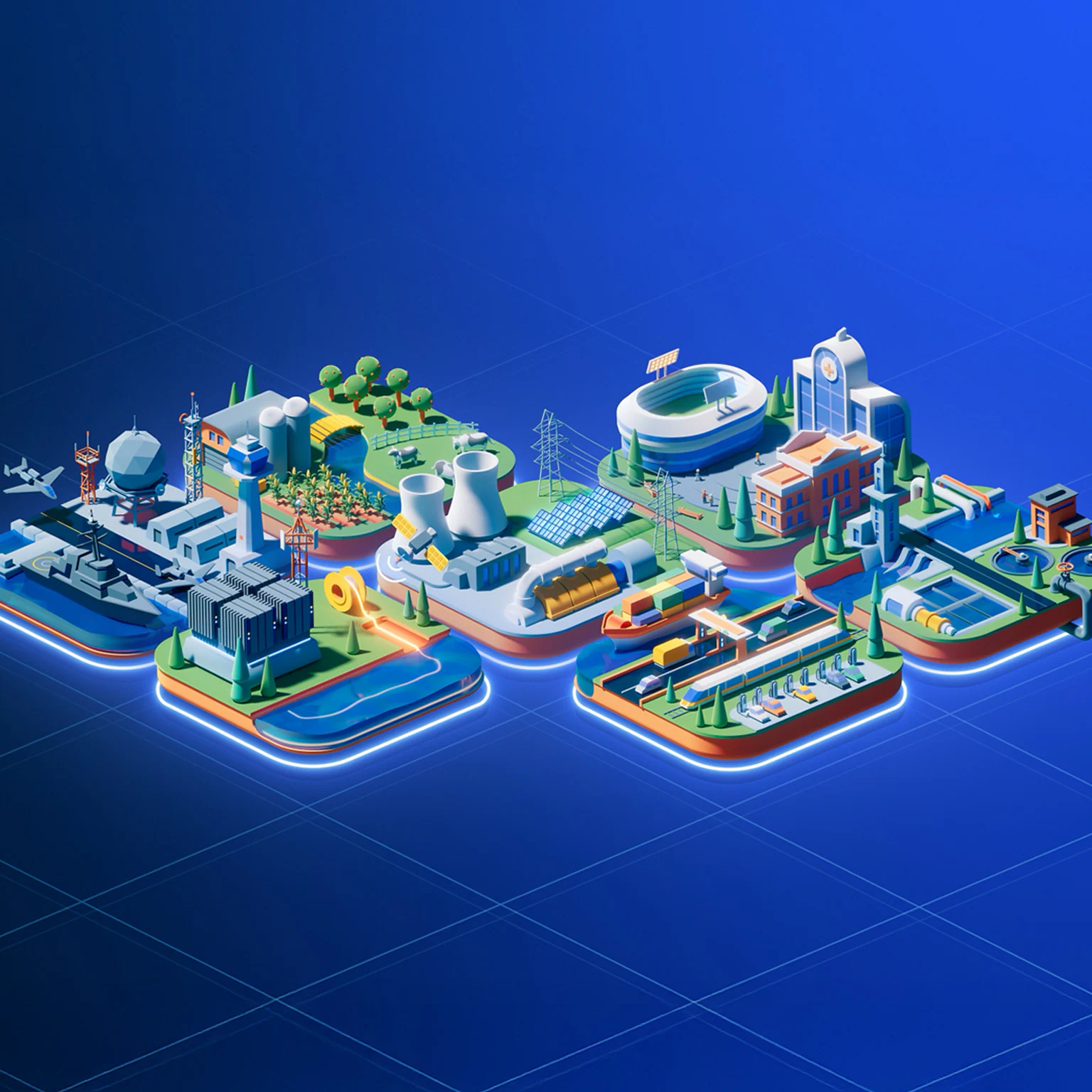
A highly automated, scalable technical framework is required to coordinate the rapid movement of fast-moving consumer goods across expansive distribution grids. By embedding digital technologies into every phase of the supply chain, enterprise operations can eliminate manual data errors and accelerate fulfillment times. Through systemic systems integration, our platform guarantees absolute data transparency across all active delivery pathways.
1. Dynamic Batch Tracking and Bulletproof Shelf-Life Preservation
Centralized warehouse management software utilizes advanced algorithmic monitoring to log and track production batches from the packaging stage onward. This technical setup ensures that the twelve-month shelf life of the beverage inventory is utilized efficiently through strict first-in, first-out asset rotation.
2. Next-Gen B2B Portals: Zero-Friction Procurement
Commercial buyers gain access to a secure, cloud-based B2B procurement platform developed by M-Pacific. This automated interface allows clients to place high-volume bulk orders instantly, review live regional stock metrics, and download compliance documentation without administrative delays.
3. Algorithmic Transit Warfare: Dynamic Route Optimization
Advanced delivery fleet management software uses real-time traffic updates, weather patterns, and vehicle weight metrics to automatically calculate efficient transport routes. This technological integration lowers transportation overhead costs, minimizes environmental footprint, and guarantees that downstream retail locations receive their inventory precisely on schedule.
VII. Commercial Autopsies: Leveraging Data Forensics for Maximum Turn Rates
In the modern marketplace, granular point-of-sale analytics and forensic data tracking are essential tools for optimizing complex distribution supply chains. By capturing and analyzing daily transaction records across thousands of retail outlets, our business intelligence divisions can identify subtle micro-trends in consumer behavior long before they manifest at the macro-market level. This continuous flow of commercial data allows category managers to evaluate the real-world velocity of specific flavor variants across different demographic areas and retail formats.
These analytical insights enable corporate distributors to transition from reactive stock replenishment models to highly efficient, predictive inventory positioning frameworks. Warehouse allocation metrics can be dynamically adjusted based on mathematical forecasting models, ensuring that high-demand SKUs are aggressively routed to high-performing retail zones while slow-moving stock is kept to an absolute minimum. This rigorous level of inventory control minimizes capital tied up in excess warehouse safety stock, dramatically reduces store-level out-of-stocks, and optimizes category profitability.
VIII. The Synthetic Supply Chain: AI-Driven Autonomy and Mechanical Scale
Integrating artificial intelligence and predictive machine learning models into supply chain logistics has revolutionized how fast-moving consumer goods are routed. AI demand-forecasting models can parse massive datasets—including long-term weather trends, regional festivals, and social media engagement metrics—to accurately predict consumer purchase spikes weeks before they happen. This predictive capability allows logistics teams to pre-position high volumes of beverage cases within localized fulfillment hubs, ensuring immediate market readiness when consumer demand surges across the FMCG distribution network.
Within the physical boundaries of the centralized fulfillment hub, advanced robotics and automated sorting systems accelerate the order assembly process while lowering operational overhead. High-speed robotic palletizers and automated guided vehicles work together to select, organize, and wrap beverage shipments with absolute precision, virtually eliminating human picking errors. By replacing labor-intensive manual warehouse tasks with intelligent automation systems, the organization can scale its operational throughput endlessly during peak summer refreshment seasons without facing typical workforce bottlenecks.
IX. Thermally Guarded Corridors: Hardening Infrastructure and Routing Efficiency
Maintaining the sensory profile and refreshing quality of premium fruit-based beverages requires robust, well-maintained physical logistics infrastructure. Specialized transportation fleets and modern, climate-controlled cross-docking facilities are engineered to safeguard beverage inventory from extreme heat waves and dramatic temperature fluctuations during long-haul transit. This rigorous climate protection preserves the delicate flavor balances of complex blends like Cactus Tangerine and Calamansi, ensuring that every bottle arrives at the store shelf in pristine condition.
Smart routing networks link major central production centers directly to regional micro-fulfillment nodes, creating highly efficient transit pathways that bypass typical urban congestion. By establishing these dedicated transportation corridors, the supply chain network ensures that its long-distance supply lines operate with a high degree of predictability and speed. This infrastructure design enables large bulk shipments to move smoothly through customs checkpoints and regional transit terminals, keeping store shelves consistently stocked and lowering overall transport costs per case across the network.
X. Decoding the Mind: Market Psychology and the Hunt for Identity
The current consumer beverage landscape is heavily influenced by deep psychological desires for self-expression, wellness, and experiential novelty. Modern shoppers no longer view beverage purchases as simple acts of hydration; instead, they see their drink choices as direct extensions of their personal lifestyles and values. Refreshment lines that offer an eye-catching appearance and unique flavor profiles speak directly to this mindset, providing consumers with affordable everyday luxuries that bring excitement to their daily routines.
Additionally, the global shift toward vibrant, fruit-based alternatives reflects a growing consumer rejection of overly processed, highly synthetic food and drink options. Retailers who spot these shifting psychological trends and align their store displays with modern inventory profiles enjoy increased store foot traffic and faster product turns in their beverage sections. By leveraging strong visual merchandising and prominent shelf positioning supplied through core commerce channels, commercial partners can trigger impulsive buying behavior, converting casual store browsers into regular product advocates.
XI. Battle Plans in Action: A Strategic Case Study of Urban Conquest
To understand how these advanced logistics and marketing principles work in a real-world setting, we can analyze a multi-phase regional rollout plan executed for a premier national convenience store chain operating 500 high-traffic locations. This strategic case study demonstrates how structured planning, deep supply chain visibility, and targeted marketing execution combine to drive fast market penetration and sustainable brand growth. By routing all operations through a centralized framework, management teams maintain absolute control over inventory velocity and retail compliance.
By dividing the commercial launch into clear, measurable execution steps, executive management teams maintain complete control over brand presentation and retail compliance metrics across all territories. The following detailed breakdown outlines the step-by-step methodology used to establish long-term market leadership for this innovative product line.
Phase 1: Market Penetration and Visual Seeding focused entirely on establishing an immediate physical presence across 150 flagship retail locations within major metropolitan areas. During this initial sixty-day activation window, logistics teams secured premium eye-level shelf space and end-cap displays, using bold visual arrangements to highlight the unique Cactus Tangerine and Calamansi flavor options. Sales personnel worked closely with individual store managers to deploy eye-catching point-of-sale materials, ensuring that the distinctive 500ml bottles captured maximum immediate attention from incoming foot traffic and driven consumer trial rates through our streamlined network operations.
Phase 2: Supply Chain Stabilization and Bulk Scaling was triggered immediately after initial retail sales data confirmed strong consumer adoption and high repeat-purchase patterns across the test markets. Logistics operations scaled up across the network to fulfill large bulk orders from regional retail buying groups, utilizing the standardized 15 x 500ml case packaging to optimize transit space and accelerate warehouse processing times. Automated inventory systems tracked batch manufacturing dates across all regional hubs, utilizing the product’s twelve-month shelf stability to position safety stock strategically and prevent regional out-of-stocks during sudden demand spikes.
Phase 3: Localized Portfolio Optimization and Consolidation utilized granular point-of-sale data gathered over six months to refine the ongoing flavor mix based on specific regional consumer preferences. Slow-moving varieties were systematically replaced with high-velocity variations—such as increasing Lychee and Cucumber Lime inventory allocations in urban financial centers while shifting Orange variants toward residential suburban markets—maximizing category profitability per square foot of shelf space. This data-driven optimization phase firmly established the beverage line as a permanent, high-margin staple within the modern retail landscape, locking in multi-year revenue streams through continuous refinement.
In conclusion, this structured, multi-phase case study proves that combining a highly distinctive product line with disciplined logistics and data-driven optimization guarantees quick market adoption, strong retail relationships, and sustainable long-term profitability.
XII. The Final Verdict: Securing Long-Term Category Supremacy
Successfully navigating the fast-moving consumer goods market requires a perfect blend of product innovation, operational agility, and structured supply chain management. The commercial launch of the B’lue beverage collection demonstrates that modern beverage brands must deliver both exceptional, unconventional flavor experiences and robust, enterprise-grade logistics solutions to win in today’s retail landscape. By aligning eye-catching product packaging with scalable inventory frameworks, distributors and retailers can build highly profitable categories that readily adapt to shifting consumer tastes.
As market trends continue to move toward wellness, personalization, and experiential consumption, the companies that invest in automated, data-driven distribution models will be best positioned to lead the industry. Partnering with M-Pacific allows enterprise retail operators to eliminate supply chain waste, optimize retail shelf space, and achieve consistent corporate growth through a highly optimized commercial grid. Modern retail networks are encouraged to capitalize on this expanding market opportunity immediately, leveraging established supply channels to secure premium profit margins, elevate their beverage portfolios, and strengthen long-term consumer loyalty through the masterful implementation of Vibrant Beverage Distribution.