I. The Dynamic Transformation of Spatial Real Estate in Modern Trade
The global fast-moving consumer goods sector is currently navigating an unprecedented structural crisis. Modern urban millennials and Gen Z consumers no longer view everyday essentials through a purely functional lens. Instead, they actively demand on-the-go utility, specialized value tiers, and trusted brand equity that matches their high-stamina daily routines. This profound evolution in marketplace psychology has forced regional retail networks and category managers to completely re-evaluate their current shelf allocations.
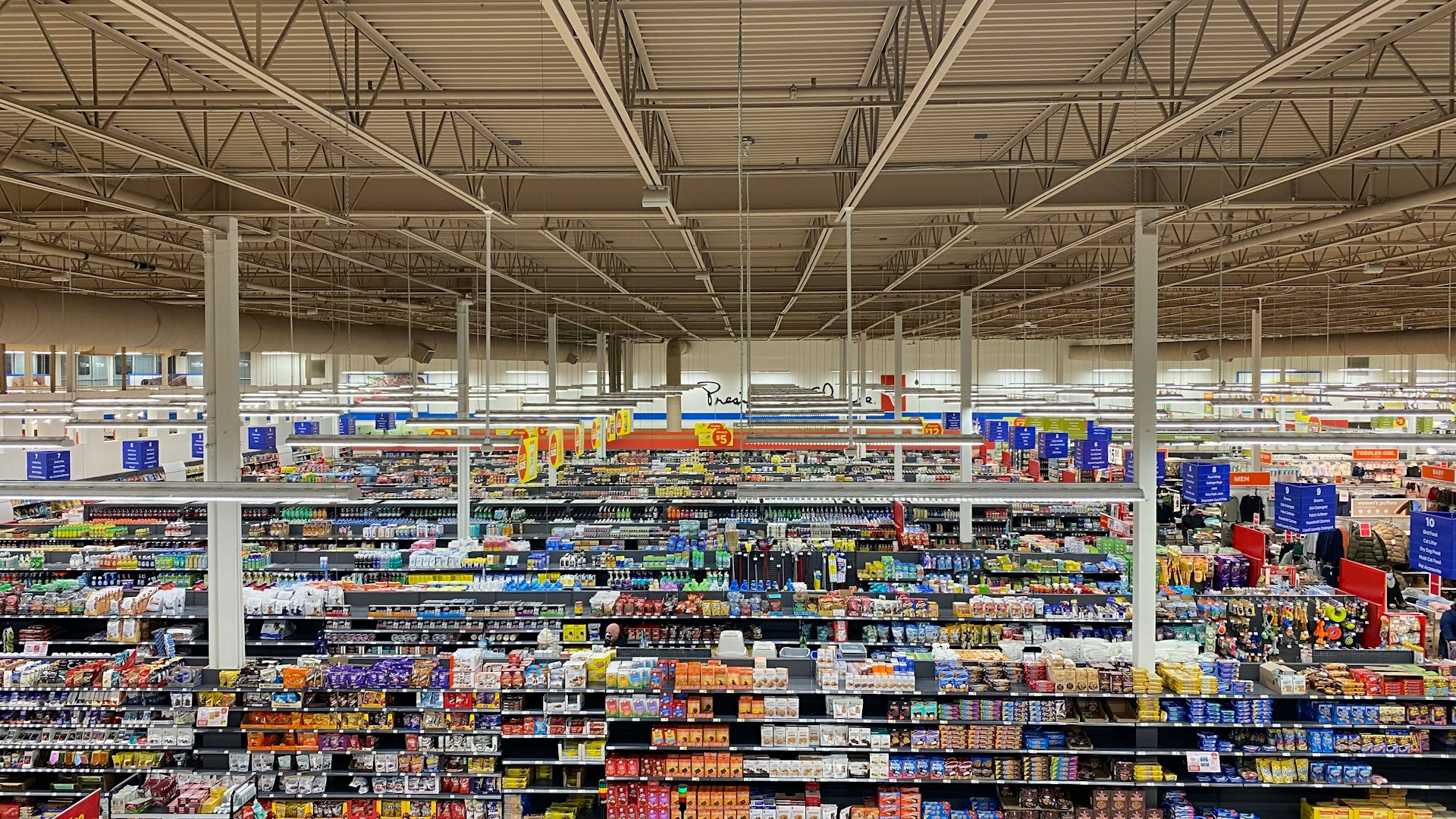
To thrive in this competitive retail ecosystem, implementing a specialized commercial blueprint for Regional Aisle Takeovers has transitioned from an operational alternative to an absolute requirement. This modern methodology involves the calculated curation and precise market positioning of comprehensive product portfolios designed to establish instant visual disruption. By establishing high-impact presence on crowded store shelves, commercial entities can drive immediate impulse buying across modern trade hypermarkets and convenience centers.
Recognizing these shifting trends, M-Pacific has upgraded its regional supply infrastructure to pioneer next-generation product deployments. By expanding our capabilities as a premier corporate FMCG distributor, trading partners receive immediate access to high-demand volume allocations. Our streamlined channels optimize product turnover and secure stable category performance, providing an unyielding framework for scaled wholesale commerce across high-potential territories.
II. Structural Planogram Dominance: The Multi-Market Shelf Mandate
Launching a category-leading product line at a regional scale requires a highly synchronized operational blueprint. A strict commercial mandate must govern how high-demand inventory travels from manufacturing floors to final merchant shelves to eliminate downstream delivery friction. This structured discipline ensures that short-term demand surges convert directly into sustainable revenue growth for our trade network partners.

1. Merging Territorial Buying Habits with High-Impact Visibility
To maximize the real-world performance of a premium consumer line, logistics strategies must match localized point-of-sale data metrics. Our deployment teams evaluate demographic profiles to ensure specific product variants flow directly to target regions displaying high category affinity. This analytical positioning ensures inventory remains highly active, reducing backroom holding patterns across modern trade outlets.
Furthermore, building long-term category value demands close coordination between visual product placement and local sub-channel needs. By matching delivery schedules with regional consumer habits, the supply framework prevents out-of-stocks during peak seasonal usage spikes. This responsive alignment keeps product velocity consistently high, allowing commercial buyers to optimize floor space utility.
2. Robust Freight Architecture for Multi-Format Retail Chains
Sustaining consistent multi-channel product availability requires absolute control over regional warehouse drops and bulk procurement workflows. Modern hypermarket purchasing groups need highly standardized freight configurations that integrate smoothly into automated sorting platforms without manual handling errors. This systematic optimization removes logistics volatility, allowing large-scale buyers to manage long-haul transit corridors with total operational certainty.
- Standardized Cargo Palletization: Master shipments are securely packed into rigid configurations engineered specifically to maximize cubic container space and reduce terminal offloading windows.
- Hardened Structural Quality Controls: Heavy-duty external packaging materials protect premium product units from physical movement shock and humidity variance during long-haul transit.
Ultimately, establishing these precise operational parameters allows modern trade networks to make substantial volume commitments with absolute safety. By completely removing logistical volatility and stabilizing supplier lead times, M-Pacific strengthens its position as an industry-leading FMCG distributor. This unmatched structural predictability allows corporate commerce groups to scale their product volumes aggressively while keeping warehouse holding expenses low, maximizing capital efficiency across the entire enterprise lifecycle.
III. Synchronized Logistics Channels: Harmonizing Warehouse Densities and Inbound Flow
High-volume cross-border logistics require a complete integration of physical warehousing assets and cloud-based digital tracking software. This centralized hub framework provides logistics managers with end-to-end visibility, allowing them to optimize storage environments and eliminate regional transit bottlenecks. Within this operational grid, every shipment step is monitored continuously to guarantee absolute delivery precision for our downstream trading partners while maintaining a premier framework for scaled wholesale operations.

- Wholesale Unit Standardization: Master distribution shipments utilize custom spatial configurations of standard multi-unit cases to maximize volumetric density across all transport vehicles.
- Climate-Secured Storage Infrastructure: High-capacity fulfillment centers maintain specialized ambient environmental thresholds to protect formulation consistency and safeguard physical packaging integrity prior to regional dispatch.
- Serialized Ledger Architecture: Enterprise resource planning software tracks distinct manufacturing batch profiles, real-time regional stock levels, and outbound delivery statuses across the supply chain.
- Fulfillment Endpoint Nodes: Strategically located cross-docking installations accelerate sorting schedules, allowing bulk cargo to flow straight to metropolitan retail networks via our network as an agile FMCG distributor.
IV. Category Optimization: Structuring Core Staples and Promotional Innovations
A diversified and dynamically structured product portfolio is vital to maintaining long-term consumer interest and securing extensive shelf allocations within competitive retail environments. By organizing a product lineup into distinct sensory and commercial categories, corporate brands can effectively target multiple consumer use cases and demographic preferences simultaneously. Through our comprehensive network infrastructure, retail partners can easily access the full breadth of our consumer goods selections.
1. High-Turn Volume Foundations: Securing Constant Basket Shares
The core volume SKU lines serve as the primary foundational base across our entire product line. These classic variants capture entrenched customer segments who value everyday functional utility and consistent quality. M-Pacific handles the continuous flow of these core inventory lines to ensure baseline category stability for modern grocery networks.
Maintaining a reliable supply of traditional core products provides the secure revenue baseline required to negotiate premium shelf placement. By anchoring sales performance with high-volume classics, our trade marketing framework secures extensive multi-tier visibility inside major hypermarket chains. This foundational market strength gives retail partners the financial security needed to introduce bold category innovations.
2. Premium Variations: Capturing Niche Micro-Segments and Lifestyle Trends
To effectively capture evolving market niches, the portfolio introduces specialized premium lines that challenge traditional category boundaries. These functional innovations match the lifestyle needs of health-conscious urban shoppers, driving additional impulse sales volume across premium modern outlets.
- Advanced Nutrient-Fortified Formulations: Specialized lifestyle variations formulated to support specific wellness parameters during intense daily routines.
- Natural Ingredient Fusions: High-impact product variants combining sustainable extracts with core consumer profiles to target modern buyers.
- Clean-Label Alternatives: Specialized variations designed specifically for health-conscious dietary requirements, satisfying modern market regulations.
3. Visual Point-of-Purchase Interruption and Facings Maximization
Beyond the functional container contents, the physical packaging layout plays a vital role in determining real-world sales performance. High-contrast premium color palettes create immediate visual disruption against traditional, uninspired item layouts on supermarket shelves. This aesthetic asset encourages immediate purchase decisions, helping retail buying networks maximize transaction values in the category section.
V. Experienced Field Merchandising: Absolute Execution at the Retail Store-Door
Advanced supply chain software achieves its maximum commercial impact only when guided by the strategic insight of seasoned field professionals. Human intelligence ensures that operational frameworks remain entirely agile while major corporate client relationships are managed with absolute precision. At M-Pacific, elite corporate divisions collaborate seamlessly to maintain the absolute delivery velocity and structural integrity of our overarching network.
- Category Performance Architects: Dedicated data analysts who evaluate real-time point-of-sale data streams to build highly effective store-level shelf layouts and optimize volume turn ratios.
- Enterprise Procurement Managers: Corporate account directors who coordinate directly with bulk procurement buyers to establish customized volume pricing tiers and clear transit delivery metrics for wholesale accounts.
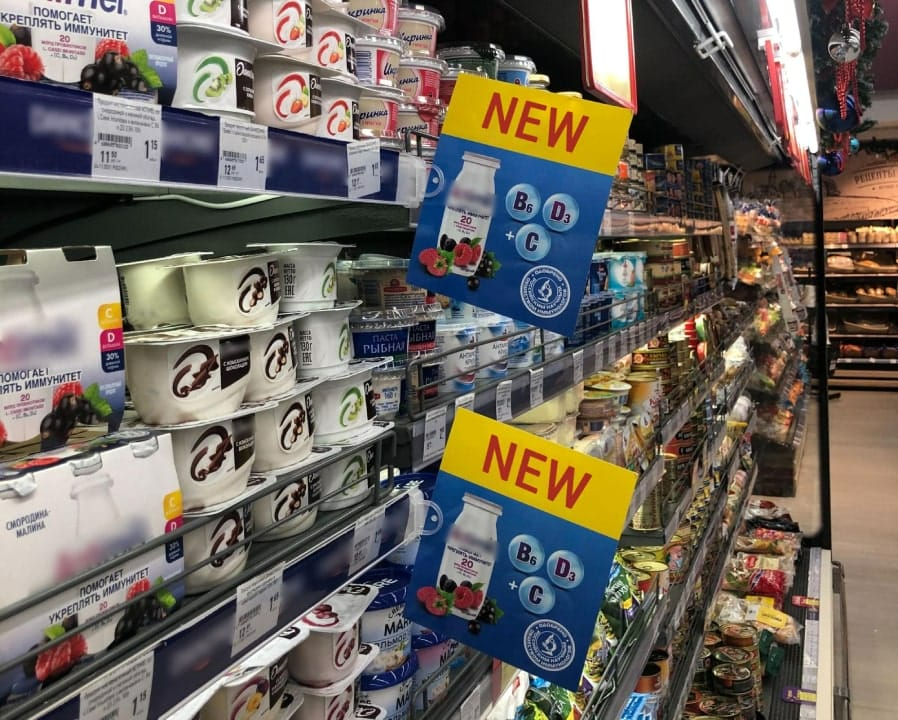
- Field Merchandising Specialists: Experienced in-store execution teams who deploy custom display fixtures and point-of-sale assets to secure maximum visual visibility for the product portfolio, proving our value as a hands-on FMCG distributor.
VI. Advanced Supply Traceability: Securing Streamlined Processing Pipelines
A highly automated, scalable technical framework is required to coordinate the rapid transit of high-volume fast-moving consumer goods across expansive distribution grids. By embedding digital technologies into every phase of the supply chain, enterprise operations can eliminate manual data entry errors, accelerate fulfillment times, and provide complete transparency to commercial partners. Through systemic systems integration, our platform guarantees absolute data transparency across all active pathways.
1. Automated Lot Expiry Protocols and Shrinkage Abatement
Centralized warehouse management tools apply automated serialized tracking codes to log inbound consumer batches upon warehouse entry. This digital setup ensures product lots move through fulfillment lines using strict first-expiry, first-out asset rotation rules, removing close-dated stock decay across our modern pipelines.
2. Seamless Cloud Procurement Networks for Enterprise Buyers
Commercial wholesale buyers gain immediate access to our secure, cloud-based B2B transactional interface to organize high-volume procurement orders instantly. This automated system displays live regional inventory levels, simplifies contract billing schedules, and removes administrative roadblocks to ensure responsive category management for every integrated partner.
3. Predictive Fleet Delivery Paths and Transit Synchronization
Advanced fleet management platforms parse real-time traffic data, shipping port congestion details, and vehicle payload weights to automatically calculate delivery paths. This technical integration significantly lowers fleet transportation costs, reduces transit delays, and ensures product delivery windows are hit perfectly by our network as a scaled FMCG distributor.
VII. Point-of-Sale Data Analytics: Eradicating Stock Stagnation Across Regional Nodes
In the modern marketplace, granular point-of-sale analytics and forensic data tracking are essential tools for optimizing complex distribution supply chains. By capturing and analyzing daily transaction records across thousands of international outlets, our business intelligence divisions identify subtle micro-trends in consumer behavior long before they manifest at the macro-market level. This continuous flow of commercial data allows category managers to evaluate the real-world velocity of premium functional lines across different demographic areas and retail formats, ensuring all active supply chain decisions are backed by empirical evidence rather than standard guesswork.
These forensic insights enable corporate distributors to transition from reactive stock replenishment models to highly efficient, predictive inventory positioning frameworks. Warehouse allocation metrics can be dynamically adjusted based on mathematical forecasting models, ensuring that high-demand SKUs are aggressively routed to high-performing retail zones while slow-moving stock is kept to an absolute minimum. This rigorous level of inventory control minimizes capital tied up in excess warehouse safety stock, dramatically reduces store-level out-of-stocks, and optimizes category performance across our network.
VIII. Predictive Demand Modeling: Anticipating Seasonal Purchasing Waves and Volume Jumps
Integrating artificial intelligence and predictive machine learning models into supply chain logistics has completely revolutionized how fast-moving consumer goods are routed. AI demand-forecasting models parse massive historical datasets, international event calendars, and global weather disruptions to predict inventory requirements weeks before demand peaks at the store level. This predictive foresight allows procurement teams to pre-position bulk consumer assets within regional fulfillment hubs, ensuring immediate market readiness ahead of major consumer purchasing waves.
Within the physical boundaries of our centralized storage facilities, smart automation systems and high-speed robotic sorting machinery drastically accelerate daily order assembly times. Automated guided vehicles navigate warehouse floors with absolute precision, selecting and preparing volume orders while eliminating human picking errors and accelerating delivery vehicle dispatch times. Relying on intelligent automation systems ensures that our logistical throughput scales up effortlessly during peak seasonal purchasing waves, providing a repeatable, automated framework for global brand deployment across our active wholesale supply grids.
IX. Fortified Freight Corridors: Preserving Product Quality Over Long-Haul Routes
Maintaining the formulation integrity and refreshing consistency of premium consumer goods over long distances requires robust physical transport infrastructure. Advanced logistics grids and specialized vehicle configurations protect high-volume shipments from extreme exterior temperature drops and heat spikes during transit. This environmental protection shields delicate consumer items from formulation decay, ensuring every delivery arrives at the store in flawless retail condition under the care of a trusted FMCG distributor.
Smart transportation pathways link our central distribution repositories directly with major regional commercial markets, establishing clear freight lanes that bypass urban terminal gridlocks. By optimizing physical transport corridors, the delivery framework guarantees low transit times and absolute reliability for high-volume accounts. This infrastructure configuration allows massive shipments to pass smoothly through border checkpoints, keeping retail networks stocked while lowering delivery costs per unit across the entire territory.
X. Behavioral Shopper Mechanics: Exploiting Scarcity Targets and Perceived Value
The contemporary consumer landscape is guided heavily by deep psychological patterns regarding lifestyle association, trend participation, and functional utility choices. Modern shoppers treat daily essentials as extensions of their personal identity, choosing established premium names that complement their daily active routines. Products that combine iconic structural styling with visible performance benefits command higher shelf authority, allowing retailers to capture premium revenue segments easily.
Additionally, the steady cultural shift toward premium wellness choices encourages consumers to replace basic variations with specialized luxury alternatives. Merchants who recognize these behavioral habits and adjust their shelving layouts or eye-level blocks accordingly experience immediate foot traffic growth. Utilizing high-impact placement strategies allows store managers to trigger spontaneous buying behavior, turning casual pedestrian foot traffic into dedicated product advocates while reinforcing our broad market strategy for executing Regional Aisle Takeovers.
XI. Tactical Regional Rollout: A Phased Roadmap for Market Capture
To understand how these advanced logistics and marketing principles perform in real-world settings, we can analyze a multi-phase regional rollout plan executed across a premier modern retail network. This strategic case study demonstrates how structured planning, deep supply chain visibility, and targeted marketing execution combine to drive fast market penetration and sustainable brand growth. By routing all operations through a centralized framework, management teams maintain absolute control over inventory velocity and retail compliance.
By dividing the commercial launch into clear, measurable execution steps, the executive teams maintain complete control over inventory velocity, brand presentation, and retail compliance metrics across all territories. The following detailed breakdown outlines the step-by-step methodology used to establish long-term market leadership for this innovative product line via the corporate commercial matrix built specifically around the demands of rapid growth.
Phase 1: Visual Seeding and Spatial Disruption focused entirely on building immediate physical presence and high visual visibility across 150 flagship modern hypermarkets during the initial activation window. Logistics lines secured premium middle shelf space and dual-gondola layouts to highlight the standard product configurations. Sales coordinators worked closely with store managers to set up eye-catching point-of-sale materials, ensuring the product line captured immediate interest from incoming customer traffic, establishing a baseline victory for our platform within local trade boundaries.
Phase 2: Pipeline Stabilization and Bulk Scale-Up triggered right after initial point-of-sale metric logs confirmed rapid volume turns across the primary retail test zones. Shipping operations scaled up across the network to satisfy large volume requests from corporate retail buying networks, utilizing standardized case configurations to maximize freight transit efficiency. Automated systems tracked batch manufacturing dates carefully, leveraging the product’s long-term stability to manage buffer stock levels safely during intense purchasing surges within our distribution corridors.
Phase 3: Territorial Layout Optimization and Real Estate Capture utilized granular transaction data gathered over six months to fine-tune the delivery mix based on specific regional buying behaviors. Slow-moving variants were systematically replaced with high-velocity variations—such as increasing premium functional lines in urban high-density zones while shifting basic functional profiles toward high-volume depots—maximizing category profitability per square foot. This data-driven optimization phase firmly established the consumer line as a permanent, high-margin staple within the local retail landscape, proving the core commercial competence of our enterprise as a strategic FMCG distributor.
In conclusion, this structured, multi-phase case study proves that combining a highly distinctive product line with disciplined logistics and data-driven optimization guarantees quick market adoption, strong retail relationships, and excellent long-term category profitability.
XII. The Strategic Conclusion: Consolidating Long-Term Market Leadership
Successfully navigating the fast-moving consumer goods market requires a perfect blend of product innovation, operational agility, and structured supply chain management. The commercial success of our product rollout proves that leading brand configurations must deliver both premium product experiences and robust enterprise logistics to win. Aligning iconic packaging with scalable inventory frameworks allows distributors and retailers to build highly profitable categories that readily adapt to shifting consumer tastes.
As consumer preferences continue to shift toward performance-driven, trend-aligned options, organizations that invest in automated, data-driven supply paths will dominate the marketplace. Partnering with a highly capable platform enables retail networks to remove operational waste, maximize shelf performance, and drive consistent corporate revenue growth through our specialized network. Embracing these advanced commercial frameworks transforms seasonal marketing into a source of predictable commercial victories and enhanced long-term consumer brand loyalty through a dedicated system of wholesale supply optimization.