I. The Operational Crisis in High-Volume Pricing Environments
The fast-moving consumer goods (FMCG) market in 2026 leaves absolutely no room for manual calculation delays. Within international supply corridors, fast-changing raw material costs and fluctuating fuel rates require instant, accurate adjustments to trading conditions. Traditional distribution systems—relying on static spreadsheets, manual data entries, and slow sales approvals—are becoming severe financial risks. For brands moving massive volumes across multi-format retail networks, manual quoting systems lead to billing discrepancies, missed sales windows, and margin loss.
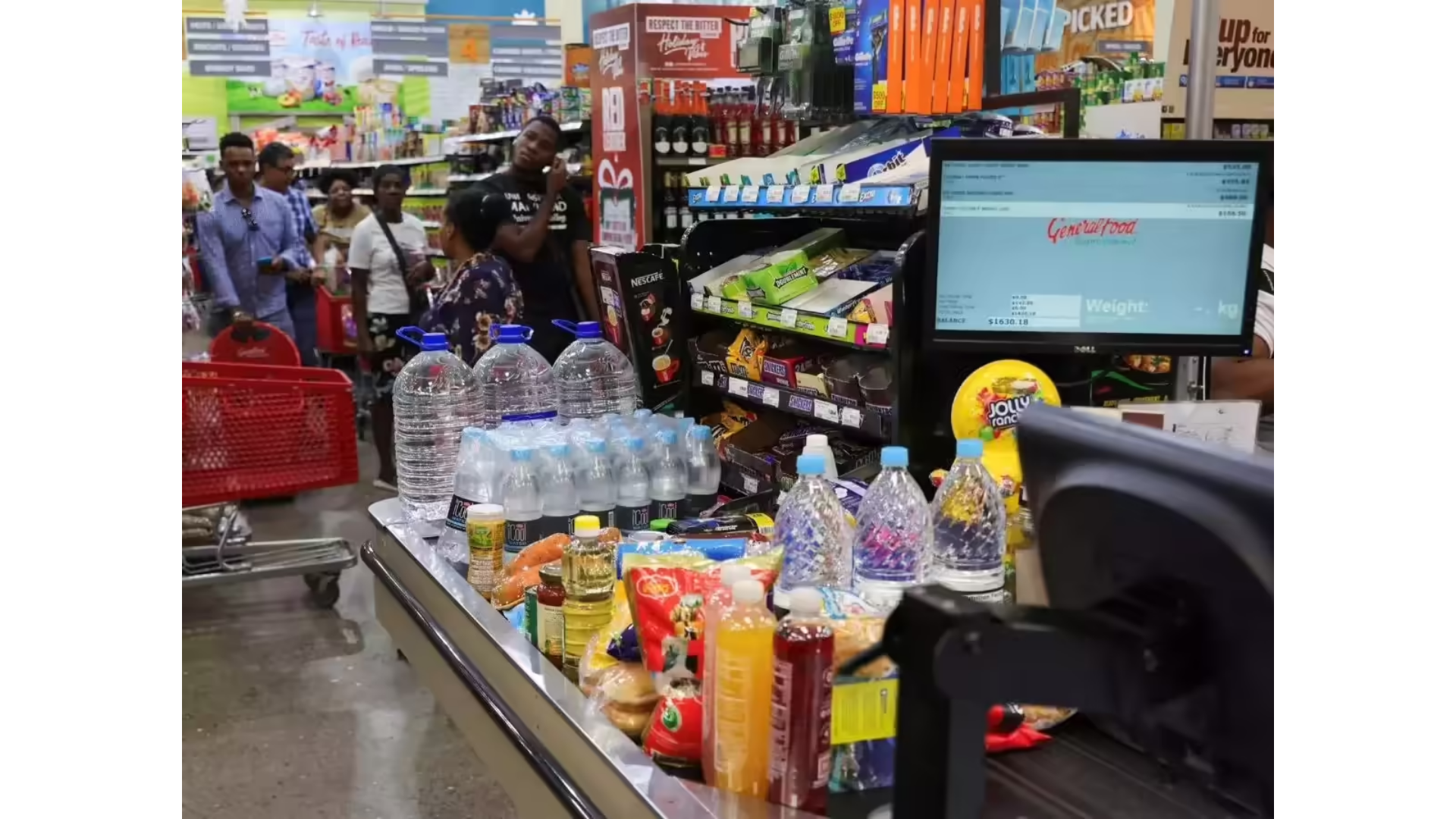
To protect commercial margins against these financial risks, deploying a software grid built around automated bulk pricing has shifted from an operational upgrade to a primary requirement. This methodology uses rule-based financial engines, predictive margin tracking, and live market inputs to adjust tier-based discounts instantly across expansive inventories. By linking volume purchases to dynamic pricing tiers, facilities remove human billing mistakes and protect profit margins.
Coordinating these intensive pricing transformations across large, multi-format footprints requires a logistical partner with unmatched infrastructure and complete supply chain visibility. As a premier corporate FMCG distributor, M-Pacific has built its regional ecosystem around the precise demands of rapid enterprise growth. Our high-velocity pipelines clear the administrative bottlenecks that stall high-volume commerce, giving our trading partners a smooth pathway into sustainable wholesale profitability.
II. The 6 Core Strategic Benefits of Automated Price Tiering Configurations
Transitioning to a computerized financial matrix introduces a structured discipline that redefines how high-demand inventory transitions from a supplier’s catalog to a corporate buyer’s invoice. When applied correctly, prioritizing an automated bulk pricing configuration secures six distinct advantages that shield downstream trading paths from transactional errors and profit loss.
1. Dynamic Tier Calculation
Automated financial engines combine transaction histories with live order volumes to adjust buyer price points instantly. Instead of forcing sales teams to manually review individual customer contract metrics for high-volume orders, the network automatically applies volume-based contract discounts, reducing contract quoting cycles from days to fractions of a second.
2. Elimination of Billing Discrepancies
Manual invoice compilation carries a high risk of misapplied promotional rebates, mixed tier balances, and skipped stock-keeping unit (SKU) updates. Automated engines track inventory value thresholds continuously against active freight manifests, driving billing precision rates close to 99.9% and protecting client relationships from financial friction.
3. Optimized Capital Rotation
By mapping procurement schedules through real-time pricing grids, buyers can adjust their ordering sizes to match optimal margin thresholds. This financial clarity enables networks to hold larger inventory buffers when pricing is favorable, reducing total inventory holding expenses and cutting out the costs of emergency freight runs.
4. Margin Protection for High-Turn Portfolios
Handling high-volume, fast-moving product lines demands responsive pricing controls to offset unexpected supply chain shifts. Computerized valuation systems apply active margin safety steps that block under-priced order submissions automatically, ensuring that sudden raw material spikes never erode manufacturer profitability metrics.
5. Seamless Promotional Synchronization
Automated platforms connect directly with supplier marketing ledgers to activate temporary trade promotions across thousands of accounts instantly. High-velocity lines arriving at terminal cross-docks can be immediately billed with active trade discounts, eliminating the administrative delays that typically slow down nationwide product launches.
6. Reduction in Sales Administration Liabilities
Shifting routine pricing calculations and quote approvals to a smart software grid protects logistics operations from processing bottlenecks and rising management overheads. This structural pivot allows commercial account directors to focus entirely on specialized client relationships, maximizing transaction values per contract.
III. The Financial Ledger Grid: Harmonizing Volumetric Assets and Pricing Flows
High-volume regional distribution requires absolute coordination between physical inventory metrics and automated invoicing systems. Within this layout, M-Pacific serves as the central command node, driving maximum financial data tracking to support extensive wholesale operations.
                  [Manufacturer Base Cost Matrices]
                                  │
                                  ▼
                    [Centralized Pricing Ledger]
                                  │
       ┌──────────────────────────┴──────────────────────────┐
       ▼                                                     ▼
 [Beverage Portfolio]                                 [Personal Care Lines]
Fluid Weight Transport Metrics                        High-Value Security Tiers
(Pallet Weight Cap: 850 kg)                           (Anti-Diversion Controls)
       │                                                     │
       └──────────────────────────┬──────────────────────────┘
                                  ▼
                   [Automated Bulk Pricing Engine]
                                  │
                                  ▼
                [Watertight B2B Invoice Generation]
| Logistics Node Specification | Automated Pricing Metric | Pallet Load Tolerance | Financial Tracking Parameters |
| Wholesale Unit Standardization | Custom spatial packaging configurations of multi-unit master cartons to guarantee load balancing. | Capped tightly at 850 kg gross weight per standard shipping unit. | Automated pallet discount modifiers applied per volume density. |
| Smart Procurement Channels | Live account verification linking purchase volumes to contractual discount tiers. | Continuous 24-hour rapid ordering capability. | Inbound contract pricing logs mirrored to central dashboard. |
| Climate-Secured Storage Nodes | Automated environmental monitoring to safeguard long-term product shelf-life and aesthetic print quality. | Maintained consistently at up to +25°C thresholds. | Real-time valuation adjustments based on lot manufacture dates. |
| Fulfillment Endpoint Cross-Docks | Fast transit routing paths configured to move high-volume cargo drops straight to local fleets. | Fast 45-minute terminal unloading and turnarounds. | Instant digital manifest validation linked to automated ledger accounts. |
IV. Category Specific Execution: Mastering Account Structures for Beverage and Personal Care Lines
An optimized distribution framework must adapt seamlessly to the physical parameters and commercial margins of diverse product lines. Through our highly scalable network infrastructure, retail buyers gain immediate access to our specialized consumer categories, managed using specialized automated bulk pricing protocols to maximize contract velocity.
1. High-Velocity Beverage Engines

The liquid volume portfolio serves as the primary volumetric foundation across our entire distribution network. This segment demands dense packaging configurations that maximize pallet surface contact, protecting premium can and bottle layouts from physical movement shock during transit across long-haul corridors. Because beverages carry high weight metrics relative to their baseline price, our automated pricing calculations connect freight weight caps directly to volume tier configurations, ensuring shipping expenses never erode profit margins on bulk transactions.
2. Specialized Personal Care Formulations

The health and beauty tier commands high shelf authority, healthy profit margins, and strict hygiene compliance. Managing premium personal care inventories requires unique serial tracking systems to prevent grey-market product diversion and cross-border price exploitation across unapproved retail channels. Our centralized financial framework runs automated validation steps on every bulk purchase request, securing regional price boundaries and safeguarding authentic brand value as a trusted FMCG distributor.
V. Field Management Matrices: The Human Specialists Anchoring System Velocity
Advanced financial automation achieves its maximum commercial impact only when guided by the strategic insight of seasoned field professionals. Human intelligence ensures that operational frameworks remain entirely agile while major corporate client relationships are managed with absolute precision. At M-Pacific, specialized corporate divisions collaborate seamlessly to maintain the absolute delivery velocity, data transparency, and structural safety of our overarching network.

- Fulfillment Performance Architects: Dedicated facility data analysts who evaluate active inventory turns to continuously refine automated pricing models and maximize stock turnover speeds.
- Enterprise Procurement Managers: Corporate account directors who coordinate directly with bulk procurement buyers to establish customized volume pricing tiers and clear transit delivery metrics for wholesale accounts.
- Field Merchandising Specialists: Experienced in-store execution teams who deploy custom display fixtures and point-of-sale assets to secure maximum visual visibility for the product portfolio, proving our value as a hands-on FMCG distributor.
VI. Technical Warehouse Architecture: Securing Automated Invoicing Pathways
A highly automated, scalable technical framework is required to coordinate the rapid transit of high-volume fast-moving consumer goods across expansive distribution grids. By embedding digital technologies into every phase of the supply chain, enterprise operations can eliminate manual data entry errors, accelerate fulfillment times, and provide complete transparency to commercial partners. Through systemic systems integration, our platform guarantees absolute data transparency to support our value proposition as an agile corporate FMCG distributor.
1. Lot Traceability and FEFO Compliance Loops
Centralized warehouse management tools apply automated serialized tracking codes to log inbound consumer product batches upon facility entry. This digital configuration ensures product lots move through fulfillment lines using strict first-expiry, first-out (FEFO) asset rotation rules, removing close-dated stock decay across our modern pipelines.
2. Cloud B2B Portals: Eradicating Procurement Friction
Commercial wholesale buyers gain immediate access to our secure, cloud-based B2B transactional interface to organize high-volume procurement orders instantly. This automated system displays live regional inventory levels, simplifies contract billing schedules, and removes administrative roadblocks to ensure responsive category management for every integrated partner.
3. Algorithmic Asset Routing and Transit Optimization
Advanced fleet management platforms parse real-time traffic data, shipping port congestion details, and vehicle payload weights to automatically calculate delivery paths. This technical integration significantly lowers fleet transportation costs, reduces transit delays, and ensures product delivery windows are hit perfectly by our transport network.
VII. Operational Space Analytics: Eradicating Transactional Lag on the Financial Floor
In the modern marketplace, granular analytics and forensic data tracking are essential tools for optimizing complex distribution supply chains. By capturing and analyzing daily transaction records across thousands of commercial lanes, our business intelligence divisions identify subtle micro-trends in procurement pricing long before they manifest as critical fulfillment delays. This continuous flow of operational data allows facility managers to evaluate the real-world velocity of target lines, ensuring all active system updates regarding pricing adjustments are backed by empirical evidence rather than standard guesswork.
These forensic insights enable corporate distributors to transition from reactive picking adjustments to highly efficient, predictive inventory positioning frameworks. Storage allocation metrics can be dynamically adjusted based on mathematical forecasting models, ensuring that high-demand SKUs are aggressively positioned near primary outbound docks while slow-moving stock is kept in high-density vertical zones. This rigorous level of inventory control minimizes capital tied up in excess warehouse space, dramatically reduces store-level out-of-stocks, and optimizes category performance across our network.
VIII. Predictive Margin Modeling: Machine Learning for Volumetric Tier Safety
Integrating artificial intelligence and predictive machine learning models into supply chain logistics has completely revolutionized how fast-moving consumer goods are routed. AI demand-forecasting models parse massive historical datasets, international event calendars, and global weather disruptions to predict inventory requirements weeks before demand peaks at the store level. This predictive foresight allows procurement teams to pre-position bulk beverages and personal care assets within regional fulfillment hubs, ensuring immediate market readiness ahead of major consumer purchasing waves.
Within the physical boundaries of our centralized storage facilities, smart automation systems and high-speed robotic sorting machinery drastically accelerate daily order assembly times. Automated guided vehicles navigate warehouse floors with absolute precision, selecting and preparing volume orders during synchronized logistical waves while eliminating human picking errors and accelerating delivery vehicle dispatch times. Relying on intelligent automation systems ensures that our logistical throughput scales up effortlessly during peak seasonal purchasing waves, providing a repeatable, automated framework for global brand deployment across our active wholesale supply grids.
IX. Secure Transportation Pathways: Protecting Structural Asset Integrity in Transit
Maintaining the formulation integrity and structural appearance of premium consumer products over long distances requires robust physical transport infrastructure. Cold-chain logistics grids and insulated vehicle configurations protect high-volume shipments from extreme exterior temperature drops and heat spikes during transit. This environmental protection shields delicate consumer items from formulation decay or packaging warping, ensuring every delivery arrives at the store in flawless retail condition under the care of a trusted FMCG distributor.
Smart transportation pathways link our central distribution repositories directly with major regional commercial markets, establishing clear freight lanes that bypass urban terminal gridlocks. By optimizing physical transport corridors, the delivery framework guarantees low transit times and absolute reliability for high-volume accounts. This infrastructure configuration allows massive shipments to pass smoothly through border checkpoints, keeping retail networks stocked while lowering delivery costs per unit across the entire territory.
X. Shopper Behavioral Engagement: Converting Structural Security Into Retail Momentum
The contemporary consumer landscape is guided heavily by deep psychological patterns regarding lifestyle association, trend participation, and functional utility choices. Modern shoppers treat everyday personal care essentials and premium beverages as extensions of their personal identity, choosing established premium names that complement their daily active routines. Products that combine iconic structural styling with visible performance benefits command higher shelf authority, allowing retailers to capture premium revenue segments easily.
Additionally, the steady cultural shift toward premium products encourages consumers to replace basic variations with specialized luxury alternatives. Merchants who recognize these behavioral habits and adjust their shelving layouts or eye-level blocks accordingly experience immediate foot traffic growth. Utilizing high-impact placement strategies allows store managers to trigger spontaneous buying behavior, turning casual pedestrian foot traffic into dedicated product advocates while reinforcing our broad market strategy for executing comprehensive category takeovers.
XI. Case Study Validation: A Three-Phase Playbook for System Price Automation Rollouts
To understand how these advanced logistics and marketing principles perform in real-world settings, we can analyze a multi-phase regional rollout plan executed across a premier modern retail network. This strategic case study demonstrates how structured planning, deep supply chain visibility, and targeted marketing execution combine to drive fast market penetration and sustainable brand growth. By routing all operations through a centralized framework, management teams maintain absolute control over inventory velocity and retail compliance.
By dividing the commercial launch into clear, measurable execution steps, the executive teams maintain complete control over inventory velocity, brand presentation, and retail compliance metrics across all territories. The following detailed breakdown outlines the step-by-step methodology used to establish long-term market leadership for this innovative product line via the corporate commercial matrix built specifically around the demands of rapid growth.
- Phase 1: Financial Diagnostics and Tier Architecture Redesign: This initial step focuses entirely on surveying existing contract matrices to spot margin tracking leaks. Contract tiers are systematically re-calculated within our unified database to align transaction histories directly with upfront order sizes, establishing a secure automated bulk pricing framework.
- Phase 2: System Integration and Ledger Synchronization: Right after mapping the target contract levels, automated digital transaction portals and data verification routines are integrated into our ordering platforms. Central software tools link volume counts directly to live pricing updates, safeguarding inventory values from calculation errors during intense purchasing surges.
- Phase 3: Category Consolidation & Profit Recovery: The final optimization phase utilizes weekly point-of-sale data forensics and physical stock checks to fine-tune layout efficiencies. Slow-moving stock zones are reduced to maximize high-velocity floor space utilization, firmly establishing an agile framework for our operations as an integrated FMCG distributor.
XII. The Definitive Verdict: Achieving Unyielding Operational Profitability
Successfully navigating the fast-moving consumer goods market requires a perfect blend of product innovation, operational agility, and structured supply chain management. The commercial success of our structural rollout plans proves that leading consumer brands must deliver both premium product experiences and robust enterprise logistics to win. Aligning iconic packaging with scalable inventory frameworks allows distributors and retailers to build highly profitable categories that readily adapt to shifting consumer tastes.
As consumer preferences continue to shift toward performance-driven, trend-aligned options, organizations that invest in automated, data-driven supply paths will dominate the marketplace. Partnering with a highly capable platform enables retail networks to remove operational waste, maximize shelf performance, and drive consistent corporate revenue growth through our specialized network. Embracing these advanced commercial frameworks transforms seasonal marketing into a source of predictable commercial victories and enhanced long-term consumer brand loyalty through a dedicated system of wholesale supply optimization backed by hardened, intelligent automation setups.