The allure of a perfectly crafted beverage often lies not just in its taste, but in its story. For enthusiasts and historians alike, understanding the Sapporo Beer Origin is a journey into the very heart of Japan’s industrial modernization and brewing innovation. This article delves deep into the foundational elements, key figures, and geographical significance that collectively define the birth and evolution of one of Japan’s most iconic lagers, providing a comprehensive look at how Sapporo beer came to be.
From its pioneering beginnings in the rugged, untamed lands of Hokkaido to its current status as a global symbol of quality Japanese brewing, Sapporo’s narrative is rich with cultural and historical significance. We will explore the precise moments and critical decisions that shaped its early identity, examine the factors contributing to its enduring legacy, and highlight the distinct qualities that make Sapporo Beer a staple in the world of premium lagers.
Table of Contents
- The Dawn of Japanese Brewing: The Initial Sapporo Beer Origin
- Expansion and Evolution: Shaping the Sapporo Beer Origin Story
- Key Milestones in Sapporo’s History
- Ingredients and Craftsmanship: Deep Roots in Hokkaido’s Terroir
- The Iconic Star: Symbolism and Legacy
- FAQ About Sapporo Beer Origin
- Conclusion: The Enduring Legacy of Sapporo’s Origin
The Dawn of Japanese Brewing: The Initial Sapporo Beer Origin
The tale of Sapporo Beer begins in 1876, a period marked by profound modernization during Japan’s Meiji Restoration. The government, keen on adopting Western technologies and industries, established the Kaitakushi (Hokkaido Development Commission) to industrialize the northern frontier of Hokkaido. Among its many ventures, the commission saw potential in brewing beer, a Western beverage rapidly gaining popularity.
It was under these auspices that the Kaitakushi Brewery was founded in Sapporo, Hokkaido. At the heart of this ambitious project was Seibei Nakagawa, a young Japanese brewer who had traveled to Germany to master the art of lager brewing. Nakagawa’s expertise was instrumental in laying the groundwork for what would become Japan’s oldest beer brand. His dedication ensured that the brewery adhered to traditional German brewing techniques, emphasizing quality and purity from the outset. This initial phase defines the fundamental Sapporo Beer Origin, rooted in a blend of government initiative and individual expertise.
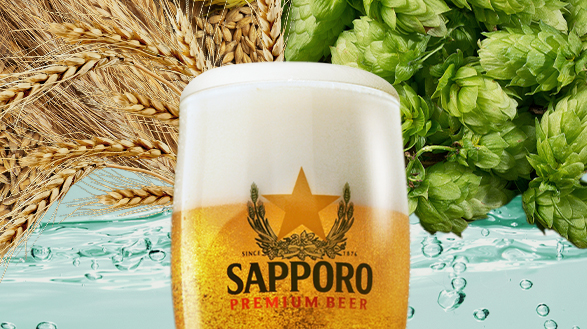
The choice of Sapporo as the location was no accident. Hokkaido boasted a pristine environment, abundant clean water, and fertile land suitable for growing barley and hops—essential ingredients for quality beer. This geographical advantage provided the perfect canvas for cultivating a distinct Sapporo Beer Premium taste right from its inception. The brewery quickly became a symbol of Hokkaido’s modernization efforts and a testament to Japan’s ability to adopt and excel in foreign industries.
Expansion and Evolution: Shaping the Sapporo Beer Origin Story
Following its successful establishment, the Kaitakushi Brewery faced challenges inherent in a burgeoning industry. In 1886, the brewery was privatized, leading to the formation of the Sapporo Beer Company. This transition marked a crucial step in solidifying Sapporo’s commercial viability and expanding its reach beyond Hokkaido. The brand quickly gained recognition for its distinctive flavor profile and consistent quality, a testament to the strong foundation laid by Nakagawa and the Kaitakushi Commission.
Throughout the late 19th and early 20th centuries, Sapporo Beer navigated a dynamic market, competing with other emerging Japanese breweries. The company’s resilience and commitment to brewing excellence allowed it to thrive. This period saw the introduction of various Sapporo Beer Unique SKUs and marketing strategies designed to appeal to a broader consumer base. It was a time of intense innovation, where the brand began to define what it meant to be a leading Japanese brewer.
The early 20th century also brought consolidation within the Japanese brewing industry. In 1907, Sapporo Beer, along with Japan Beer (which produced Yebisu Beer) and Osaka Beer (Asahi Beer), merged to form Dai-Nippon Beer (Great Japan Beer Company). This super-entity dominated the Japanese market for decades, allowing for economies of scale and wider distribution. While distinct brands like Sapporo retained their identity, this merger significantly impacted their operational scope and market presence. The story of Sapporo Beer Origin is thus intertwined with the larger narrative of Japanese industrial growth.
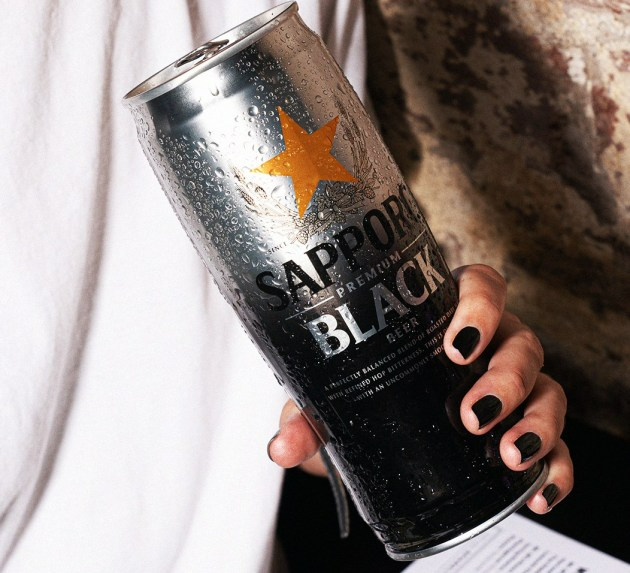
The company continued to evolve, introducing Sapporo Beer Special SKUs and adapting to changing consumer tastes. Sapporo consistently looked for ways to engage its audience while upholding its brewing heritage. This strategic foresight has ensured its longevity and relevance in a highly competitive global market, tracing back to the strong foundation laid at its origin.
Key Milestones in Sapporo’s History
The journey from a government initiative to a global brand is paved with significant events:
| Year | Event | Significance to Sapporo Beer Origin |
|---|---|---|
| 1876 | Kaitakushi Brewery founded in Sapporo, Hokkaido. | Establishes the foundational point of Sapporo Beer’s creation. |
| 1886 | Privatization and formation of Sapporo Beer Company. | Marks the transition to a commercial entity, paving the way for expansion. |
| 1907 | Merger into Dai-Nippon Beer Company. | Consolidates market power and distribution within Japan. |
| 1949 | Dai-Nippon Beer splits into Sapporo Breweries and Asahi Breweries. | Re-establishes Sapporo as an independent company. |
| Late 20th Century | International expansion begins. | Sapporo Beer gains global recognition, especially in North America. |
Ingredients and Craftsmanship: Deep Roots in Hokkaido’s Terroir
The unique qualities of Sapporo Beer are inextricably linked to its birthplace. Hokkaido, with its fertile plains and pristine water sources, offered ideal conditions for brewing. The company has historically emphasized the quality of its ingredients, a core principle established at the very beginning of the Sapporo Beer Origin story.
Sapporo’s commitment to quality sourcing is evident in its long-standing relationships with barley and hop farmers, many of whom are in Hokkaido. The region’s climate is well-suited for growing premium two-row barley, which contributes to the beer’s clean, crisp flavor. The water, sourced from Hokkaido’s natural springs, is exceptionally soft, a characteristic that plays a crucial role in the brewing process and the final taste profile of their lagers.
Furthermore, Sapporo’s brewing philosophy, heavily influenced by Nakagawa’s German training, prioritizes a slow fermentation process and extended maturation periods. This traditional approach, maintained over generations, ensures a smooth, refined taste profile that is both refreshing and robust. It’s a testament to how the initial vision for the Sapporo Beer Origin continues to guide its production practices today, ensuring that every can or bottle delivers a consistent, high-quality experience.
The Iconic Star: Symbolism and Legacy
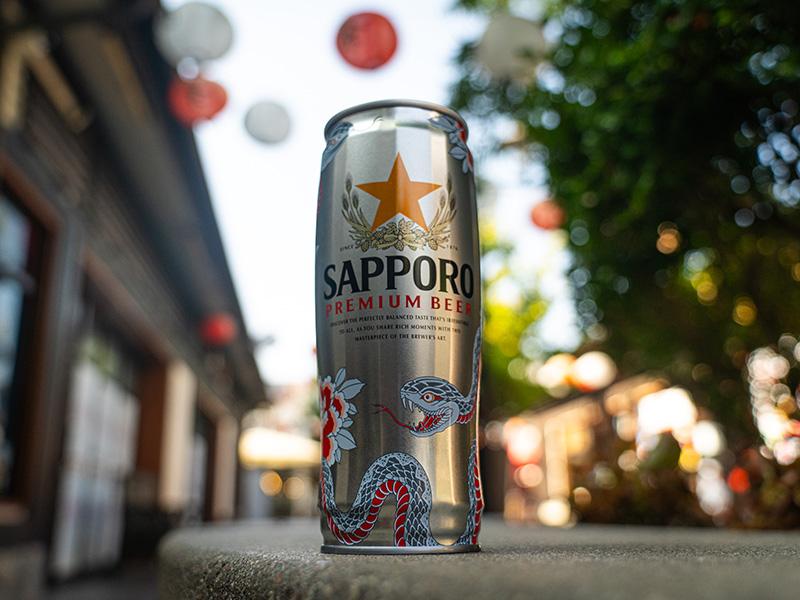
No discussion of Sapporo Beer’s origin would be complete without mentioning its distinctive five-pointed red star logo. This star is not merely a design element; it’s steeped in history and symbolism related to the brand’s genesis. The red star was originally the symbol of the Kaitakushi (Hokkaido Development Commission), the very government body that founded the first brewery.
The Kaitakushi’s star symbolized hope, progress, and the pioneering spirit of developing Hokkaido. When the brewery was privatized and became Sapporo Beer, it adopted this star as its own, signifying its enduring connection to its origins and the pioneering spirit of its founders. It has since become one of the most recognizable logos in the global beer industry, representing quality, tradition, and the spirit of Hokkaido.
This commitment to its roots and the consistent delivery of a quality product has allowed Sapporo to grow into a global brand. Today, it stands as a pillar of Japanese brewing, exported worldwide, offering a taste of its rich heritage to diverse consumers. For those interested in the broader history of Japanese brewing, resources like The Brewers of Europe’s history page offer further context on how brewing traditions evolve globally.
Conclusion: The Enduring Legacy of Sapporo’s Origin
The Sapporo Beer Origin is a compelling narrative of innovation, resilience, and a deep connection to its Hokkaido roots. From the visionary efforts of the Kaitakushi Commission and the brewing mastery of Seibei Nakagawa to its strategic growth and iconic branding, Sapporo Beer has cemented its place as a revered symbol of Japanese quality.
Its journey from a government-sponsored venture to a global beer giant showcases a steadfast commitment to traditional brewing techniques, superior ingredients, and a keen understanding of market dynamics. As you enjoy a crisp Sapporo Premium Lager today, remember the rich history and dedicated craftsmanship that define its unique identity and enduring appeal. Explore more about Sapporo’s diverse offerings and discover why it remains a favorite among beer connoisseurs worldwide.