Understanding the Wholesale Pringles Crisps Origin is crucial for distributors, retailers, and bulk buyers aiming to secure authentic stock in the competitive global food market. As one of the most recognizable names in the international snacks portfolio, Pringles has built a massive global supply chain. For B2B buyers looking to optimize their sourcing strategy, knowing where these iconic hyper-parabolic crisps are manufactured, packaged, and shipped is key to managing regulatory compliance and consumer expectations.
When trading in bulk, the sourcing origin dictates not only the language on the label but also the recipe formulation and compliance certifications (such as Halal, Kosher, or specific EU allergen declarations). This article provides a comprehensive deep dive into the global logistics, factory locations, and sourcing strategies that govern the distribution of this world-class snack brand.
Table of Contents
- Why Wholesale Pringles Crisps Origin Matters for Global Distributors
- Tracing the Wholesale Pringles Crisps Origin: Key Manufacturing Plants
- Understanding the Wholesale Pringles Crisps Origin Variations
- Logistics and Global Freight Considerations for Bulk Buyers
- How to Verify the Wholesale Pringles Crisps Origin When Sourcing
- Manufacturing Locations and Logistics Comparison Table
- Conclusion & Buying Recommendations
Why Wholesale Pringles Crisps Origin Matters for Global Distributors
For bulk food distributors, verifying the exact Wholesale Pringles Crisps Origin is not merely a matter of curiosity; it is a critical regulatory and operational requirement. Different manufacturing facilities cater to different continental markets, producing variations in ingredients, net weight, shelf life, and labeling compliance.
For example, European food standards strictly limit certain additives and trans fats, leading to different recipes for products manufactured inside the EU versus those produced in the United States. Furthermore, import taxes, customs tariffs, and bilateral trade agreements are entirely dependent on the country of origin. A distributor importing stock to the Middle East might specifically require Halal-certified products manufactured in Malaysia, whereas a European supermarket chain will mandate strict compliance with EU allergen labeling standards, typically sourced from Belgium or Poland.
Tracing the Wholesale Pringles Crisps Origin: Key Manufacturing Plants
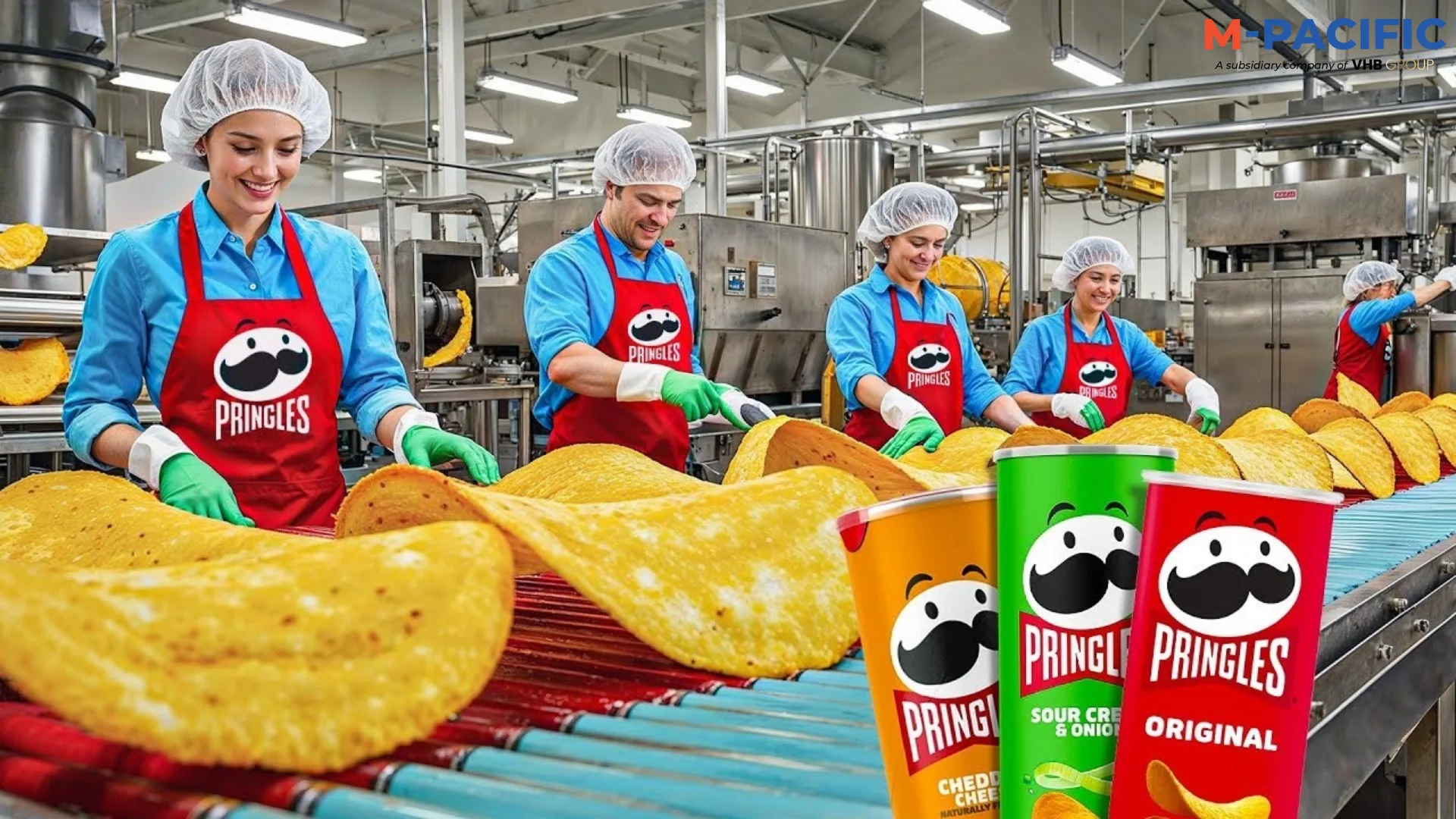
Pringles, currently owned by Kellanova, are produced in a handful of highly advanced, strategically located facilities around the world. Understanding which factory serves your geographic region can streamline procurement and lower transit costs.
Here are the primary manufacturing locations that form the bedrock of the Wholesale Pringles Crisps Origin supply matrix:
- Jackson, Tennessee, USA: The birthplace of Pringles manufacturing. This massive facility supplies the majority of North American domestic demand and exports specific flavors and formats to South America and parts of Asia.
- Mechelen, Belgium: Serving as the main hub for Europe, the Middle East, and Africa (EMEA). The Mechelen facility is renowned for producing standardized European-compliant recipes and is a key sourcing origin for trans-continental distributors.
- Kutno, Poland: Built to support the rapidly growing demand in Eastern Europe and Central Asia. Working closely with the Belgian plant, the Polish factory ensures high-volume output of top-selling core flavors like Original, Sour Cream & Onion, and Texas BBQ.
- Johor, Malaysia: Serving the Asia-Pacific (APAC) market. This plant focuses on Halal-certified production lines, which are essential for seamless import into countries like Indonesia, Malaysia, and Gulf Cooperation Council (GCC) states.
Understanding the Wholesale Pringles Crisps Origin Variations
While the iconic cylinder and hyper-parabolic potato crisp design remain identical worldwide, the underlying ingredients differ based on regional preferences and regulations. Sourcing from a specific Wholesale Pringles Crisps Origin determines the product profile you receive.
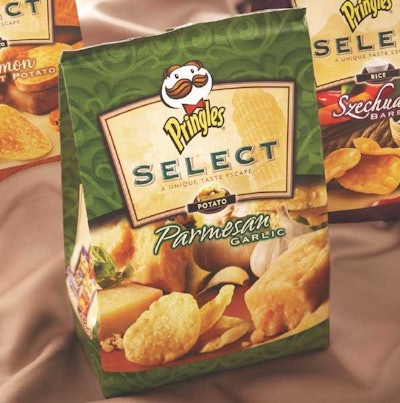
For instance, Pringles manufactured in the United States typically utilize corn, wheat, rice, and potato flakes as their base starch, often fried in oleic safflower or soybean oil. Conversely, European-produced Pringles from Belgium or Poland place a heavier emphasis on dehydrated potato flakes, using sunflower and corn oils, resulting in slight differences in texture, crunch, and nutritional content. Ensuring that you consult an expert wholesale Pringles importer is vital to securing the precise specification required by your local target market.
Logistics and Global Freight Considerations for Bulk Buyers
The unique, pressure-sealed container of Pringles is designed to protect the fragile crisps inside. However, from a logistics perspective, this lightweight, high-volume packaging requires careful calculation of container space and weight limits.
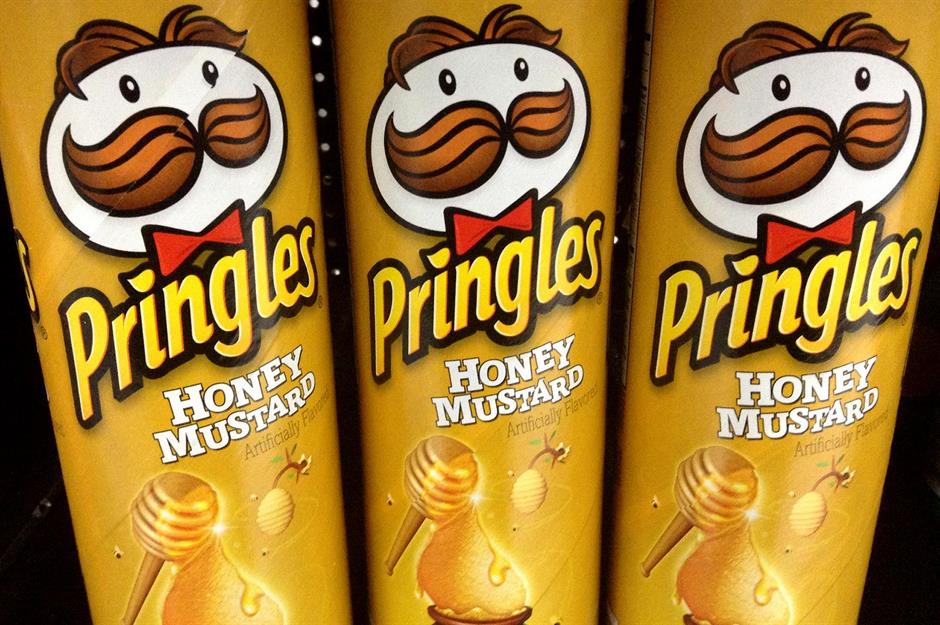
Because the cans are lightweight but occupy significant volume, shipping containers are rarely weight-restricted but are almost always volume-restricted (“cubed out”). When ordering wholesale, distributors typically aim for Full Container Loads (FCL) of either 20-foot or 40-foot High-Cube (HC) containers to maximize shipping efficiency and reduce per-unit freight costs. Depending on the Wholesale Pringles Crisps Origin, transit times can range from a few days via road freight within Europe to several weeks via sea freight across major ocean lanes.
How to Verify the Wholesale Pringles Crisps Origin When Sourcing
To ensure authenticity and prevent gray-market complications, dynamic food distributors use several methods to trace and verify their inventory’s origin before committing to major bulk purchases:
- Review the EAN / UPC Barcode: The prefix of the barcode often points to the registration origin of the product, although verified manufacturing details will always be printed explicitly on the can’s label.
- Inspect the Ingredient Language and Layout: European stock features multi-language printings tailored to EU nations (such as French, German, Dutch, or Polish), while US stock is primarily in English and Spanish, complying with FDA nutritional panel regulations.
- Request a Certificate of Origin (COO): An official COO issued by local chambers of commerce is the most secure method to prove the physical manufacturing site of your shipment for customs clearance.
Manufacturing Locations and Logistics Comparison Table
Below is a comparative breakdown of key manufacturing origins to help buyers choose the most suitable supply route for their specific wholesale distribution needs.
| Origin Location | Primary Target Markets | Key Compliance Certifications | Standard Freight Mode |
|---|---|---|---|
| Jackson, Tennessee (USA) | Americas, Select APAC countries | FDA, Kosher | Trucking (Domestic), Sea Freight (Export) |
| Mechelen, Belgium | Western Europe, Middle East, Africa | EU Food Safety, Halal (Select lines) | Road Freight, Sea Freight via Antwerp/Rotterdam |
| Kutno, Poland | Eastern Europe, CIS, Central Asia | EU Standards, ISO 22000 | Road Freight, Rail Freight |
| Johor, Malaysia | Southeast Asia, GCC Countries, Australia | JAKIM Halal, HACCP, GMP | Sea Freight via Port Klang/Singapore |
Conclusion & Sourcing Recommendations
Navigating the global supply chain of major food brands requires a deep understanding of manufacturing dynamics. By tracing the precise Wholesale Pringles Crisps Origin, you can align your bulk purchases with national import laws, optimize shipping container configurations, and secure authentic, fresh stock that resonates perfectly with localized consumer palettes.
Whether you require European-compliant stock from Belgium, Halal-certified cans from Malaysia, or domestic US packaging from Tennessee, partner with experienced, verified wholesalers who can provide transparent documentation, competitive pricing, and logistical support. Ready to secure your next container of world-renowned snacks? Contact a trusted supply partner today to explore direct factory-to-warehouse options.