Sourcing high-quality Japanese lager has never been more critical for global distributors than with Premium Sapporo Beer Export services expanding to meet international demands. As Asian culinary arts, high-end sushi bars, and modern izakaya dining concepts continue to proliferate across urban centers worldwide, the demand for authentic, high-quality Japanese beverages has reached unprecedented heights.
Sapporo Breweries, established in 1876, stands as the oldest and arguably most prestigious beer brand in Japan. By offering a flavor profile that elegantly bridges traditional European brewing principles with pristine Japanese execution, Sapporo has secured its legacy as an international favorite. For wholesalers, hospitality groups, and beverage importers, securing a highly reliable, structurally sound supply chain for this legendary lager is paramount to satisfying sophisticated consumer bases across North America, Europe, and the Asia-Pacific regions.
This comprehensive industry analysis details everything from the brand’s pioneering Meiji-era history to technical brewing processes, international supply chain mechanics, and B2B procurement optimization strategies for global importers.
Table of Contents
- The Legacy of Japan’s Oldest Beer Brand
- Why Premium Sapporo Beer Export Leads the Global Market
- The Science and Ingredients Behind Premium Sapporo Beer Export
- Comparing the Sapporo Portfolio: Premium, Reserve, and Black
- Supply Chain and Logistics of Premium Sapporo Beer Export
- B2B Buying Guide: Sourcing Premium Sapporo Beer Export for Global Markets
- Frequently Asked Questions
The Legacy of Japan’s Oldest Beer Brand
To fully appreciate the commercial value of Premium Sapporo Beer Export, one must understand the rich historical context from which this beverage emerged. The story of Sapporo Beer is inextricably linked with the opening of Japan to the Western world during the Meiji Restoration, an era characterized by rapid modernization and industrialization.
The Pioneer: Seibei Nakagawa
In 1876, the Kaitakushi (Hokkaido Development Commission) established the official Kaitakushi Brewery in Sapporo, Hokkaido. At the heart of this bold state-backed venture was Seibei Nakagawa, Japan’s first German-trained brewmaster. Nakagawa left Japan at a young age, traveling to Europe under intense personal ambition to master the complex, highly guarded art of industrial brewing. In Berlin, Germany, he completed a rigorous apprenticeship at the Berlin Beer Brewery, mastering the specialized science of bottom-fermentation—a cold-temperature process that yields clean, crisp, and highly stable lagers.
Upon his return, Nakagawa was appointed brewmaster of the Kaitakushi Brewery. Utilizing local, wild-growing Hokkaido hops and pristine water sources, he brewed the very first batch of Sapporo Cold Beer. Adorned with the iconic red polar star—the symbol of the pioneers of Hokkaido—this brand quickly set the standard for beer quality across the Japanese archipelago.
Transition to a Global Consortia
As the Meiji government privatized its industrial enterprises, the Sapporo brand transitioned to private ownership, eventually merging with other major breweries to form Dai-Nippon Beer Company. Following post-WWII antitrust breakups, Sapporo emerged as an independent brewing powerhouse. Today, the brand is operated by Sapporo Holdings, combining over 140 years of brewing expertise with state-of-the-art biochemistry laboratories and automated packaging facilities. For modern importers, purchasing this beer is not simply buying a beverage; it is investing in a centuries-old tradition of precision engineering and cultural capital.
Why Premium Sapporo Beer Export Leads the Global Market
The global beverage market has experienced a significant paradigm shift over the past decade. While the craft beer movement expanded consumer appreciation for bold, hop-forward ales, modern market trends point to a distinct “flight to quality” where consumers are returning to highly drinkable, incredibly clean, and premium-tier lagers. The market for Premium Sapporo Beer Export has benefited immensely from this structural trend, positioning itself at the absolute peak of the premium import category.
Unrivaled Brand Equity and Culinary Integration
According to international market intelligence reports by organizations like Statista, Japanese consumer brands command high trust and price premiums worldwide due to their association with uncompromising quality control. Sapporo has leveraged this positive brand equity to become the number-one selling Asian beer brand in the United States. A primary driver of this growth is the seamless integration of Sapporo into gastronomy. Unlike heavy IPAs or overly sweet commercial adjunct lagers, Sapporo’s dry, clean finish acts as an exceptional palate cleanser, making it the perfect accompaniment to complex, delicate flavor profiles found in modern culinary arts.
The Iconic Silver Can Design: Engineering Meets Art
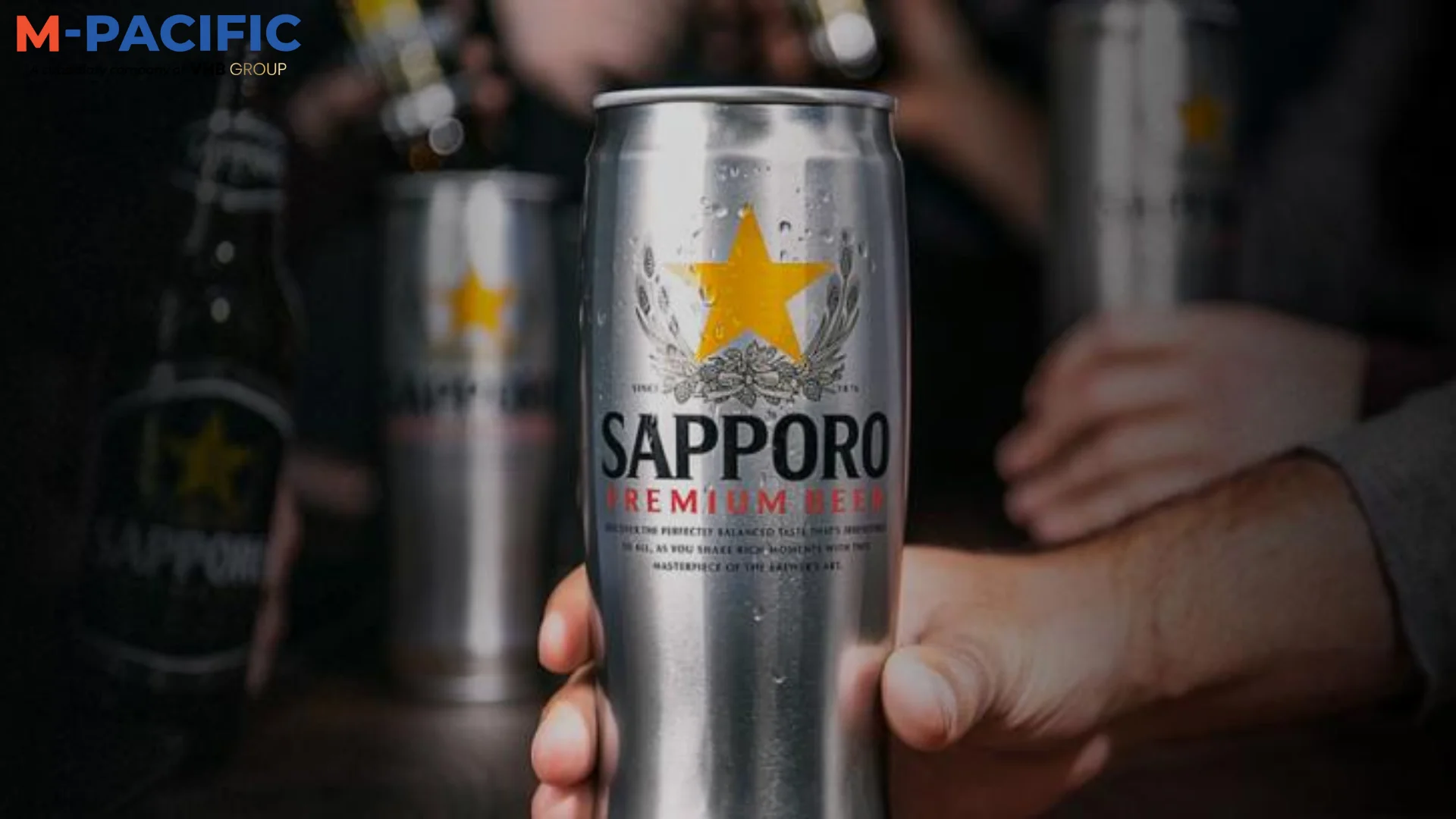
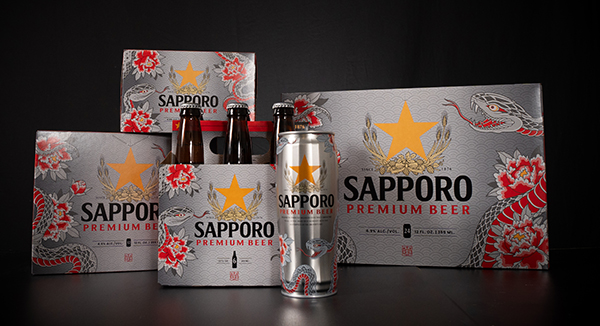
One of the most remarkable features driving the immense success of Premium Sapporo Beer Export is its packaging. The famous Sapporo Silver Can is a masterclass in modern industrial design. Made from thick-walled, high-tensile steel, the sculpted, minimalist can serves as a premium, aesthetically striking drinking vessel. But beyond aesthetics, this packaging offers significant logistical and quality advantages:
- Complete Light Barrier: Unlike glass bottles, which let in UV rays that react with hop compounds to create “skunky” off-flavors, the steel construction of the Silver Can provides a 100% barrier against light degradation.
- Oxygen Protection: Advanced double-seaming technology ensures zero oxygen ingress, halting the oxidation process that makes imported beer taste stale or cardboard-like.
- Structural Integrity: The robust steel can resists pressure changes during high-altitude land transport and maritime shipping, significantly reducing product loss due to denting or ruptures compared to thin-walled aluminum cans.
The Science and Ingredients Behind Premium Sapporo Beer Export
Behind every bottle and can of Premium Sapporo Beer Export lies a highly rigorous commitment to agricultural science and state-of-the-art biotechnology. Sapporo Breweries is one of the few major international beverage companies that maintains a dedicated, proprietary research facility—the Collaborative Research Center for Innovative Agriculture—focused entirely on hop and barley genetics.
Prinstine Water, Select Barley, and Engineered Hops
The core ingredients of Sapporo are deceptively simple: water, barley malt, hops, yeast, and rice. However, the selection and cultivation parameters of these ingredients are extraordinarily precise:
- Water Quality: Water comprises over 90% of beer. Sapporo’s breweries utilize highly sophisticated water treatment plants that adjust the mineral profile (calcium, magnesium, sulfate, and chloride ratios) of local municipal or spring water to match the exact soft-water profile of Hokkaido, ensuring a smooth, rounded mouthfeel.
- Proprietary Barley Cultivars: Through their “Cooperative System with Growers,” Sapporo partners directly with barley farmers globally to cultivate proprietary grain varieties. This system guarantees malt with high diastatic power (enzymatic conversion of starch to sugar) and low protein content, which avoids protein haze and ensures crystal-clear clarity.
- Signature Hops and Adjuncts: Sapporo utilizes carefully selected aroma hops to impart a delicate floral and herbal bouquet. Furthermore, the inclusion of premium-grade rice in the grist formulation is a deliberate brewing choice. Rice provides fermentable sugars without adding heavy malt proteins, allowing the yeast to ferment the beer to a very low terminal gravity. This is the secret behind the legendary crisp, clean “Karakuchi” (dry) finish.
The Cold Filtration and Lagering Process
To preserve the delicate aromatic compounds of the hops and malt, Sapporo employs a sophisticated cold filtration system. Instead of utilizing high-temperature pasteurization, which can cook the beer and impart caramelized, dull notes, Sapporo relies on micro-filtration under near-freezing conditions. This removes yeast cells and microscopic haze-causing proteins without stripping the beer of its natural flavor compounds. The beer is then lagered (matured) in stainless steel tanks at temperatures below 0°C for several weeks, allowing any remaining harsh green beer flavors to mellow and integrate seamlessly.
Comparing the Sapporo Portfolio: Premium, Reserve, and Black
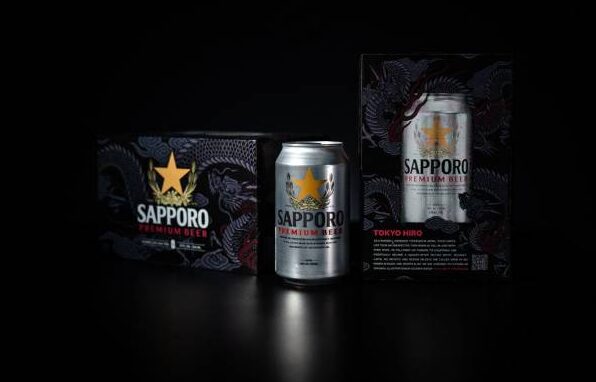
When importers evaluate Premium Sapporo Beer Export opportunities, it is essential to understand how the flagship product compares with other specialty offerings in the Sapporo portfolio. This understanding allows distributors to curate a diverse selection that caters to different consumer segments, retail shelves, and dining establishments.
The following table details the technical specifications and flavor profiles of the primary Sapporo products available for international distribution:
| Product Name | Beer Style | ABV (Alcohol by Volume) | Key Ingredients | Flavor Profile & Characteristics | Primary Culinary Pairings |
|---|---|---|---|---|---|
| Sapporo Premium Beer | Japanese Rice Lager | 4.9% – 5.0% | Water, Barley Malt, Hops, Rice | Crisp, clean, light-bodied with a subtle malt sweetness, dry finish, and snappy carbonation. | Sushi, Sashimi, Vegetable Tempura, Light Salads, and Fried Chicken (Karaage). |
| Sapporo Reserve | All-Malt Lager | 5.2% | Water, 100% Barley Malt, Hops | Full-bodied, rich, deeper golden hue with complex malt character and a balanced herbal hop bitterness. | Grilled Yakitori, Tonkatsu (Pork Cutlet), Rich Shoyu Ramen, and Premium Steaks. |
| Sapporo Premium Black | Dark Lager (Schwarzbier) | 5.0% | Water, Dark Roasted Barley, Hops | Bold, complex, with prominent notes of roasted coffee, dark chocolate, and a smooth, surprisingly clean finish. | Teppanyaki, Smoked BBQ Meats, Braised Pork Belly (Kakuni), and Dark Chocolate Desserts. |
For more technical details regarding global brewing metrics, brand structural history, and production facilities, distributors can consult the official Sapporo Breweries Wikipedia Page, which offers an extensive historical overview of their corporate evolution and product iterations.
Supply Chain and Logistics of Premium Sapporo Beer Export
For international beverage distributors and large-scale supermarket procurement managers, understanding the logistical pathways of Premium Sapporo Beer Export is fundamental to ensuring product freshness and cost-effectiveness. Exporting liquid assets across oceans requires meticulous planning and adherence to strict cold-chain and dry-cargo standards.
Temperature-Controlled Shipping (Reefer Containers)
Lager is a delicate beverage. Exposure to high temperatures during maritime transit can accelerate oxidation, leading to a stale, cardboard-like taste and ruinous shelf-life degradation. Therefore, premium-tier exporters utilize insulated, temperature-controlled refrigerated containers (known as “reefers”) for long trade routes. Maintaining a constant temperature between 10°C and 15°C preserves the crisp, delicate profile of the beer, ensuring it arrives at destination warehouses in peak condition.
Customs Compliance and Food Safety Documentation
Importing alcoholic beverages requires navigating a complex web of national regulations, customs declarations, and tax duties. Importers must work with accredited logistics partners who possess deep expertise in food and beverage import customs. Necessary documentation for a typical shipment includes:
- Certificate of Origin (CO): Verifying the manufacturing country to qualify for preferential tariff treatments under bilateral or multilateral trade agreements.
- Certificate of Analysis (COA): Technical laboratory documentation verifying alcohol content, gravity, and the absence of harmful heavy metals or contaminants.
- Customized Back-Label Compliance: Ensuring all bottles and cans feature localized language, mandatory health warnings, allergen listings, importer details, and local deposit logos (such as CRV or European recycling marks).
B2B Buying Guide: Sourcing Premium Sapporo Beer Export for Global Markets
If you are a wholesaler, importer, or purchasing manager for a major supermarket chain, establishing a reliable procurement pipeline for Premium Sapporo Beer Export is key to capturing a lucrative share of the premium import beer market. This section outlines the critical considerations for successfully sourcing and distributing Sapporo products.
Determining Minimum Order Quantities (MOQs) and Incoterms
Most official distributors and international trading partners operate on a Full Container Load (FCL) basis to optimize shipping costs and minimize transit damage. Standard shipping sizes include 20-foot and 40-foot containers. When negotiating contracts, it is crucial to establish clear Incoterms (International Commercial Terms). Most transactions are conducted under FOB (Free on Board) at major Japanese ports such as Yokohama or Kobe, or CIF (Cost, Insurance, and Freight) at the destination port. Understanding these terms helps buyers accurately calculate their Landed Cost per case.
Analyzing Regional Demand and Market Placement
Sapporo’s market positioning is premium. It should not compete directly on price with mass-market domestic lagers. Instead, placement should focus on high-end grocery outlets, Asian-fusion restaurants, specialized craft beer bars, and hospitality venues. Highlighting the beer’s heritage, the engineering of the silver can, and its gastronomic compatibility with modern cuisine allows distributors to command higher retail margins.
As global demand for premium authentic Japanese lagers continues to scale, securing a reliable partner for your beverage imports is crucial. Partnering with a dedicated logistics and wholesale provider ensures that your supply chain remains robust, compliant, and highly cost-efficient. To explore customized distribution agreements, secure volume pricing, or request a comprehensive quotation for container-load shipping, contact our global supply specialists today. Streamline your procurement process and elevate your product catalog with authentic Premium Sapporo Beer Export solutions designed to drive your commercial growth.