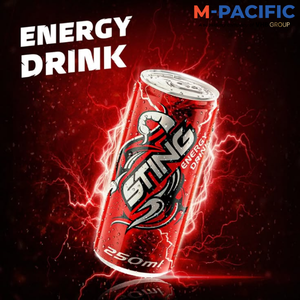
When exploring the fast-growing global beverage market, understanding the exact Sting Energy Drink Supply Origin helps distributors, retailers, and consumers trace where this popular energy booster is manufactured, bottled, and distributed. Over the past decade, Sting Energy Drink has emerged as one of the world’s most successful carbonated energy brands, offering a refreshing combination of caffeine, taurine, and B-vitamins. Knowing its supply chain roots is vital for sourcing genuine inventory and optimizing import logistics.
Whether you are an international beverage importer seeking bulk shipments or a curious consumer wanting to know where your favorite energy drink comes from, this article details the precise manufacturing hubs, bottling networks, and logistics channels that define the brand. As the global thirst for functional beverage products continues to rise, sourcing from the correct production origin ensures product quality, regulatory compliance, and cost-effective distribution.
Table of Contents
- Tracing the Sting Energy Drink Supply Origin: History and Ownership
- Global Bottling Hubs: Where is Sting Energy Drink Supply Origin Located?
- Regional Manufacturing: Asia and Middle East Sting Energy Drink Supply Origin
- Supply Chain Logistics and Wholesale Sourcing
- Key Differences in Regional Formulations
- Frequently Asked Questions (FAQ)
- Conclusion & CTA
Tracing the Sting Energy Drink Supply Origin: History and Ownership
To fully understand the global footprint of this brand, we must first look at its corporate roots. Sting Energy Drink was originally launched in 2002 by PepsiCo, one of the world’s largest multinational food and beverage corporations. PepsiCo designed Sting to compete directly in the affordable energy drink segment, targeting energetic youth, workers, and drivers across developing markets.
Because PepsiCo utilizes a franchise-based bottling model, the physical manufacturing and canning of the beverage do not happen in a single location. Instead, the raw proprietary syrup formulation is supplied by PepsiCo, while local licensed bottling partners handle the carbonation, canning, and regional logistics. This decentralized approach makes tracing the supply origin both fascinating and crucial for bulk buyers looking for specific regional variations.
Global Bottling Hubs: Where is Sting Energy Drink Supply Origin Located?
When analyzing the physical Sting Energy Drink Supply Origin, we find that production is highly concentrated in strategic manufacturing hubs across Asia-Pacific, Eastern Europe, and the Middle East. Rather than importing finished cans over massive distances, PepsiCo leverages regional bottling plants to maximize freshness and reduce shipping costs.
These bottling plants are equipped with high-speed automated canning lines capable of producing thousands of cans per minute. Each factory operates under strict quality standards set by PepsiCo Global Control to ensure the flavor, carbonation, and functional ingredient profiles remain consistent regardless of which bottling facility they originate from.

Regional Manufacturing: Asia and Middle East Sting Energy Drink Supply Origin
The primary manufacturing and export origins of Sting Energy Drink are divided into three major regional hubs:
1. Vietnam (Suntory PepsiCo Vietnam Beverage)
Vietnam is arguably the most dominant export-oriented Sting Energy Drink Supply Origin in the world. Produced under the joint venture Suntory PepsiCo Vietnam Beverage (SPVB), the Vietnamese factories in Bac Ninh, Dong Nai, and Can Tho supply not only the booming domestic market but also serve as the primary supply source for global wholesalers exporting to North America, Europe, and Australia. The Vietnamese variant is highly sought after for its refined sweet flavor profile and premium packaging.
2. India and South Asia (Varun Beverages Limited)
Varun Beverages Limited (VBL) is one of the largest franchisees of PepsiCo outside the United States. It operates multiple advanced manufacturing facilities across India, Nepal, and Sri Lanka. This massive infrastructure serves as a major regional supply origin, catering to billions of consumers. In India, Sting has witnessed exponential growth, capturing a significant market share in both urban and rural markets.
3. Pakistan and the Middle East
Pakistan is another major supply hub where Sting has achieved market dominance. Bottled by local PepsiCo franchise partners, the Pakistani manufacturing hubs produce both cans and unique PET bottle formats that are widely exported to neighboring Middle Eastern countries and Central Asian nations.
Supply Chain Logistics and Wholesale Sourcing
Because Sting is manufactured in multiple locations, navigating the supply chain require strategic planning. Global B2B buyers and beverage distributors typically source their inventory directly from authorized exporters located in these manufacturing countries. Sourcing from Vietnam, for example, is highly popular due to the country’s developed maritime logistics and competitive export tariffs.
Wholesale distributors rely on advanced dry container logistics to transport pallets of Sting Energy globally. Since energy drinks are sensitive to extreme temperatures, temperature-controlled shipping or strategic transit routes are utilized to prevent carbonation degradation and maintain the shelf-life of the product, which is typically 12 months from the date of manufacture.

Key Differences in Regional Formulations
Depending on the specific Sting Energy Drink Supply Origin, you will notice minor differences in formulation, packaging materials, and labeling to comply with regional food safety regulations. For instance, European imports often require specific labeling modifications regarding caffeine content, while Middle Eastern variations feature prominent Halal certification logos.
The table below highlights the key differences between the major regional origins of Sting Energy Drink:
| Supply Origin | Primary Bottler | Popular Formats | Key Export Markets | Unique Characteristics |
|---|---|---|---|---|
| Vietnam | Suntory PepsiCo Vietnam | 320ml Can, 330ml PET Bottle | North America, Australia, ASEAN | High export availability, balanced sweetness, gold/red variants |
| India | Varun Beverages Ltd (VBL) | 250ml PET, 250ml Can | South Asia, East Africa | Affordable pricing, PET-bottle dominated, strong local marketing |
| Pakistan | PepsiCo Pakistan Franchises | 250ml Can, 500ml PET | Middle East, Central Asia | Halal certified, highly carbonated, strong flavor intensity |
Understanding these variables allows international trading companies to select the best sourcing origin depending on their target demographics and import compliance frameworks. For more details on beverage distribution regulations, you can refer to the FDA Food Safety Regulations or local food authorities in your region.
Conclusion & CTA
In conclusion, understanding the Sting Energy Drink Supply Origin is essential for anyone involved in the wholesale, import, or distribution of modern energy drinks. By recognizing that PepsiCo utilizes premier bottling hubs like Suntory PepsiCo Vietnam and Varun Beverages in India, businesses can make informed decisions to optimize their sourcing, pricing, and distribution strategies.
If you are looking to source high-quality, genuine Sting Energy Drink in bulk, partnering with an experienced global exporter is key. Contact our export team today to get competitive quotes and streamlined shipping logistics directly from the most efficient global manufacturing hubs.