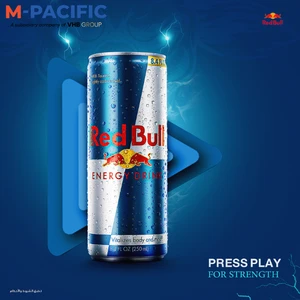
Managing a global beverage inventory requires a deep understanding of the Red Bull Energy Supply chain, sourcing logistics, and product formulations that keep millions of consumers energized daily. Since its debut in 1987, Red Bull has evolved from a niche Austrian energy drink into a global phenomenon, commanding over 40% of the worldwide energy drink market. This staggering dominance is not merely a result of high-octane marketing and extreme sports sponsorships; it is backed by an incredibly sophisticated supply chain infrastructure that spans continents.
For retail business owners, wholesale distributors, and supply chain managers, securing a reliable flow of Red Bull inventory is critical to meeting high consumer demand. In this comprehensive guide, we will break down everything you need to know about procuring, managing, and optimizing your beverage inventory to ensure an uninterrupted flow of stock.
Table of Contents
- An Overview of the Global Red Bull Energy Supply Network
- Key Ingredients in the Red Bull Energy Supply Formula
- How to Secure a Reliable Red Bull Energy Supply for Your Business
- Optimizing the Red Bull Energy Supply Logistics
- Comparing Red Bull Energy Supply Metrics with Competitors
- The Future of Sustaining the Red Bull Energy Supply Internationally
- Procuring Your Red Bull Energy Supply: B2B Buyer Tips
- Frequently Asked Questions
An Overview of the Global Red Bull Energy Supply Network
To comprehend how billions of cans reach shelves in over 175 countries annually, one must look at the centralized production model of Red Bull. Unlike many beverage giants that license their formulas to hundreds of regional bottling plants worldwide, Red Bull relies on a highly centralized production and canning model based primarily in Austria and Switzerland. Partnering with Rauch Fruit Juices, Red Bull has established state-of-the-art production hubs in the Austrian Alps and neighboring Swiss regions. This centralized system ensures unmatched quality control, as every drop of the beverage utilizes the exact same pristine water sources and strictly monitored active ingredients.
While centralization guarantees a consistent product, it poses unique logistical challenges. Shipping a liquid product globally from a landlocked European hub requires a flawless intermodal transport strategy. Cans are packed onto specialized freight trains and trucks directly from production facilities, moving rapidly to major European sea ports such as Rotterdam and Hamburg. From there, they are loaded onto ocean liners destined for regional distribution hubs worldwide. Understanding this flow is vital for distributors; any disruptions at European ports or along maritime trade routes can have immediate downstream effects on regional stock availability.
Key Ingredients in the Red Bull Energy Supply Formula
A crucial aspect of maintaining a robust beverage supply chain is understanding what goes into the can. The ingredients in the Red Bull Energy Supply must be consistently sourced, verified for purity, and meet strict global food safety regulations, including those established by the European Food Safety Authority (EFSA).
- Alpine Water: Sourced directly from local Austrian and Swiss springs, the water used in Red Bull is of the highest pharmaceutical-grade purity.
- Taurine: Contrary to popular urban myths, the taurine used in Red Bull is a purely synthetic substance, manufactured to the highest quality standards, ensuring it is vegan-friendly and kosher/halal compliant.
- Caffeine: Sourced from natural and synthetic origins, the caffeine content is precisely calibrated to match that of a standard cup of home-brewed coffee (approx. 80mg per 250ml can).
- B-Group Vitamins: Essential micronutrients like Niacin, Pantothenic Acid, Vitamin B6, and Vitamin B12 are integrated to facilitate normal energy-yielding metabolism.
- Sugars: The sugar content is derived from sugar beets grown primarily in Europe, providing rapid-release carbohydrates to fuel physical activity.

How to Secure a Reliable Red Bull Energy Supply for Your Business
For B2B buyers, securing a reliable and legitimate Red Bull Energy Supply is paramount to protecting profit margins and maintaining customer loyalty. The high demand for Red Bull often attracts parallel importers and secondary-market brokers. While these alternative sources may sometimes offer slightly cheaper prices, they carry severe operational risks, including counterfeit packaging, expired shelf lives, and non-compliance with local food labeling regulations.
To avoid these pitfalls, businesses should prioritize sourcing through authorized distribution channels. This involves establishing direct accounts with Red Bull’s regional distribution subsidiaries or verified, Tier-1 consumer goods wholesalers. Working through authorized channels ensures that your inventory comes with proper documentation, including a Certificate of Analysis (CoA), country-specific health compliance certificates, and full batch traceability. This level of transparency is indispensable if your business undergoes food safety inspections or requires strict inventory auditing.
Optimizing the Red Bull Energy Supply Logistics
Once you have secured your wholesale inventory, managing the logistics of your beverage shipment is the next crucial step. Aluminum beverage cans are highly susceptible to physical damage and temperature fluctuations. Below are critical logistics best practices to maintain the integrity of your stock:
First, optimize your pallet configuration. Red Bull is typically transported on Euro pallets (800mm x 1200mm) or Standard Industrial pallets (1000mm x 1200mm), carefully wrapped in high-tensile shrink wrap. Ensuring that pallets are stacked squarely and not overloaded prevents lower-tier cans from denting under excessive weight. Denting not only ruins shelf appeal but can also compromise the can’s internal protective lining, leading to micro-leaks and product spoilage.
Second, manage storage environments carefully. The ideal storage temperature for energy drinks ranges between 0°C and 25°C. Exposure to extreme heat can degrade the flavor profile and accelerate carbonation loss, while freezing temperatures can cause the liquid to expand, breaking the hermetic seal of the aluminum can. Implementing a strict First-In, First-Out (FIFO) inventory flow ensures that older inventory is cleared first, minimizing the risk of holding expired stock.

Comparing Red Bull Energy Supply Metrics with Competitors
For inventory managers and retail category buyers, choosing how much shelf space and budget to allocate to Red Bull versus competing brands requires a thorough data-driven analysis. According to global beverage industry research from Statista, Red Bull continues to lead the market in sales volume and brand equity, but competitors like Monster Energy and Rockstar Energy command distinct market segments.
While Monster Energy offers larger standard packaging (typically 500ml or 16 fl oz) at a similar price point to Red Bull’s 250ml slim can, Red Bull maintains a significantly higher profit margin per milliliter due to its premium brand positioning. Below is a comprehensive comparison table detailing how Red Bull’s logistical and nutritional metrics stack up against its closest competitors:
| Metric / Feature | Red Bull Energy Drink | Monster Energy | Rockstar Energy |
|---|---|---|---|
| Primary Can Volume | 250 ml (8.4 fl oz) | 500 ml (16 fl oz) | 500 ml (16 fl oz) |
| Caffeine Content | 32 mg / 100 ml | 32 mg / 100 ml | 32 mg / 100 ml |
| Logistics Model | Highly Centralized (Europe) | Decentralized (Local Bottlers) | Decentralized (PepsiCo Network) |
| Shelf Life | 24 Months | 24 Months | 18 Months |
| Market Position | Premium Price Leader | Value & Lifestyle Leader | Mass-Market Competitor |
This table demonstrates that while competitors leverage regional bottling networks to minimize shipping costs, Red Bull’s centralized model maintains superior consistency, justifying its higher wholesale acquisition cost. Retailers must balance their inventory to carry a mix of these brands, but Red Bull remains the mandatory anchor brand for any functional beverage category.
The Future of Sustaining the Red Bull Energy Supply Internationally
As international supply chain regulations tighten around carbon emissions and environmental accountability, the sustainability of the Red Bull Energy Supply has become a primary focus for the parent company. Shipping billions of aluminum cans globally generates a significant carbon footprint. To combat this, Red Bull has invested heavily in minimizing its environmental impact throughout the product lifecycle.

One major initiative is the implementation of a fully circular economy for its aluminum packaging. Aluminum is 100% recyclable and can be melted down and re-manufactured infinitely without loss of quality. Red Bull uses lightweight aluminum cans, reducing the overall raw material required and lowering shipping weights, which directly translates to reduced fuel consumption during transit. Furthermore, Red Bull’s official corporate portal highlights their transition toward utilizing 100% renewable electricity in their production facilities, combined with a heavy reliance on eco-friendly rail transport instead of road freight across continental Europe. By optimizing these green logistics pathways, Red Bull ensures that its supply chain remains resilient against future environmental taxes and evolving consumer expectations.
Procuring Your Red Bull Energy Supply: B2B Buyer Tips
If you are looking to source high volumes of Red Bull for commercial distribution, follow these industry-tested procurement guidelines:

- Verify Incoterms: Clearly define shipping responsibilities in your contract. Whether using Ex Works (EXW), Free on Board (FOB), or Cost, Insurance, and Freight (CIF), understand where the liability transfers from the seller to your logistics team.
- Establish Minimum Order Quantities (MOQ): Direct wholesale accounts often require full container load (FCL) orders to optimize shipping costs. Less than container load (LCL) options are available through intermediate distributors but will carry higher per-unit freight costs.
- Confirm Language and Label Compliance: Ensure that the cans being shipped are legally compliant with the destination country’s regulations. This includes localized language for ingredients, health warnings, deposit scheme labels (like CRV or European return system marks), and regional importer details.
- Secure Insurance: Always insure beverage cargo against thermal damage, water condensation damage inside ocean containers (container sweat), and physical breakage during maritime transit.
Whether you are running an international retail chain, managing a regional distribution network, or looking to scale your beverage business, securing a high-quality, authentic Red Bull Energy Supply is the cornerstone of your operational success. Partner with verified suppliers to ensure continuous inventory flow, competitive margins, and top-tier product freshness. Take control of your logistics today and elevate your product offerings with the world’s leading energy drink.
Red Bull Energy Supply Logistics FAQ
Disclaimer: Unless otherwise stated, the images used in this article are the property of their respective owners. We do not claim ownership of any third-party images featured, and they are used here strictly for informational and educational purposes. If you are the copyright holder and wish to have an image removed, please contact us.