Discovering the most crucial Tide Laundry Detergent Facts can completely revolutionize how you approach your weekly cleaning routines. As the cornerstone of millions of laundry rooms worldwide, this household brand is more than just soap—it is an engineered chemical solution designed to combat tough stains and mineral-rich water. Establishing a robust home care system requires reliable, high-performance cleaning products, and understanding how different detergent formulations interact with your fabrics is essential for maintaining color vibrancy and textile longevity over time.
By diving deeper into the science behind consumer detergents, you can optimize your wash cycles, save money on utility bills, and keep your clothes looking brand new. This comprehensive guide uncovers the historical, scientific, and practical realities of Tide, empowering you to clean smarter and more efficiently.
Table of Contents
Historical and Modern Tide Laundry Detergent Facts That Changed Home Care
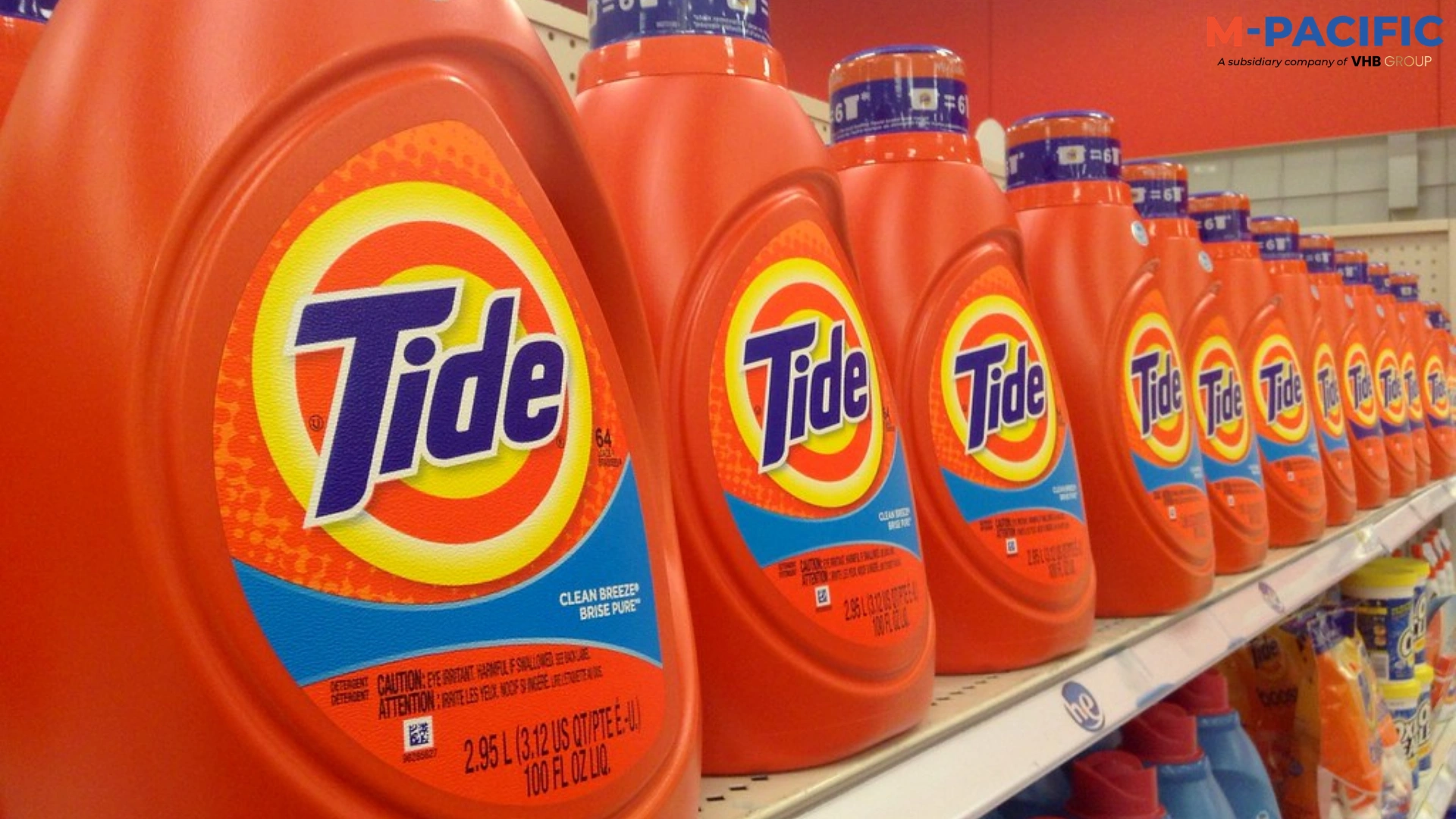
Introduced by Procter & Gamble in 1946, Tide was hailed as the world’s first heavy-duty synthetic detergent. Unlike standard soap flakes of the era, which reacted with minerals in hard water to leave a dulling gray residue, Tide utilized synthetic surfactants. This chemical innovation allowed the detergent to penetrate fabrics and suspend soils without binding to calcium and magnesium ions in the wash water.

Over the decades, the formula evolved to meet modern environmental standards and appliance advancements. In 1984, the brand introduced liquid detergent, and in 2012, it popularized single-dose pacs known as Tide PODS. Today, research continues at global P&G laboratories to optimize washing at lower temperatures, saving household energy without sacrificing clean clothes.
Key Tide Laundry Detergent Facts You Need to Know
To use laundry detergents effectively, you need to understand what makes them tick. Tide formulations rely on a combination of primary surfactants, builders, and optical brighteners. Understanding these Tide Laundry Detergent Facts helps you choose the correct formulation for your specific washing conditions.

- Surfactant System: Tide uses a dual-surfactant system containing both anionic and nonionic surfactants. Anionic surfactants are highly effective at pulling clay, mud, and oily residues out of cotton fibers, while nonionic surfactants excel at emulsifying greasy food stains.
- Chelating Agents (Builders): Modern Tide contains citric acid and sodium citrate, which act as water softeners. They bind to metal ions in hard water, allowing the active surfactants to focus entirely on lifting soils rather than fighting water minerals.
- Optical Brighteners: These are chemical compounds that absorb invisible ultraviolet light and re-emit it as visible blue light. This optical trick makes whites appear significantly brighter and prevents yellowing over time.
Analyzing Tide Laundry Detergent Facts Regarding Enzymes
A primary differentiator between budget detergents and premium products like Tide is the presence of targeted enzymes. These biological catalysts break down complex food, sweat, and body soils into smaller, water-soluble molecules that can be rinsed away easily.
Tide formulations often contain up to five different types of enzymes: amylase (for starches like gravy or pasta), protease (for proteins like blood and grass), lipase (for fats, oils, and grease), mannanase (for food stabilizers and cosmetics), and cellulase (to remove tiny micro-fibrils from cotton fabrics, reducing pilling and restoring color clarity). Understanding these enzyme-focused Tide Laundry Detergent Facts highlights why the formula performs exceptionally well in cold water cycles, as enzymes do not require high heat to function.

Liquid vs. Powder vs. PODS Comparison
Choosing the correct detergent format depends on your washer type, washing temperature preference, and stain challenges. The table below outlines how the three major types of Tide compare in active performance and efficiency.
| Detergent Format | Primary Benefit | Stain Focus | Cold Water Performance |
|---|---|---|---|
| Liquid | Pre-treating capability | Grease, oil, food stains | Excellent (dissolves instantly) |
| Powder | Longest shelf life | Mud, clay, outdoor soils | Moderate (needs proper agitation) |
| PODS | Pre-measured convenience | Multi-stain combinations | Excellent (film engineered for cold) |
For more details on optimizing home laundering processes, you can review safety standards on the American Cleaning Institute portal, which provides rigorous guidelines for safe household chemical usage.

Frequently Asked Questions
Understanding the proper application of laundry products can clear up common misconceptions. Below are answered questions surrounding standard detergent habits.
Are Tide PODS safe for High-Efficiency (HE) washing machines?
Yes, all modern Tide PODS are designed with High-Efficiency formulas that generate low suds, preventing cycle interruptions in front-loading and top-loading HE machines.
Does Tide Laundry Detergent expire?
Liquid Tide is formulated to have a shelf life of approximately 12 months after opening and up to 2 years unopened. Powders remain stable as long as they are kept free from moisture and humidity.
Can I wash in cold water with normal Tide?
While standard Tide works in cold water, using Tide Coldwater Clean is optimized specifically with specialized surfactants and enzymes that are highly active in cold temperatures, helping households save energy.
Conclusion
Mastering these Tide Laundry Detergent Facts will enable you to make informed decisions for your household laundry needs, ensuring clean clothes while protecting fabric fibers. Selecting the correct formula and following standard measuring instructions prevents product buildup and keeps your washing machine running efficiently.
For more home care advice and premium products, explore our full collection of laundry tools on our main Home Care hub and take your domestic cleaning system to the next level.