Finding the authentic Wholesale Oreo Cookies Origin is a game-changer for B2B distributors looking to scale their confectionery portfolio and secure a reliable global supply chain. As one of the fastest-growing and highly profitable sectors in the global snacks industry, branded biscuits represent a major revenue driver for importers, supermarkets, and cash-and-carry businesses worldwide. However, navigating the complex web of global food manufacturing can be incredibly challenging without the correct trade intelligence.
Whether you are sourcing for a major supermarket chain in Europe, an e-commerce fulfillment center in Asia, or a distribution hub in Latin America, understanding the geopolitical and manufacturing nuances of Oreo production is vital. By identifying the exact origins of your wholesale inventory, you can optimize shipping costs, satisfy regional labeling compliance laws, and capitalize on highly favorable bilateral trade agreements.
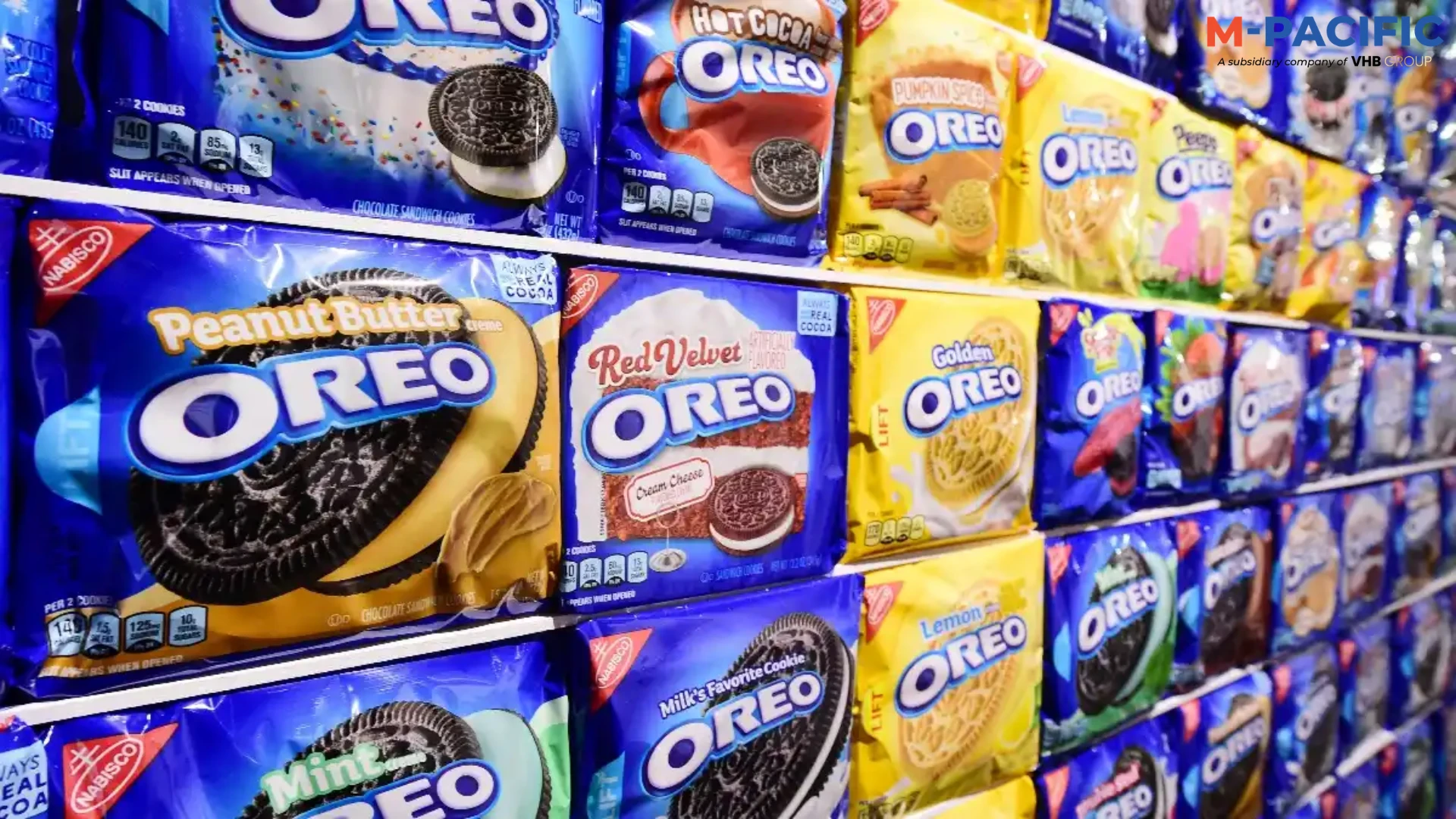
The History and Birthplace of the Wholesale Oreo Cookies Origin
To fully grasp the dynamics of modern B2B sourcing, one must examine the heritage of the product. The historical Wholesale Oreo Cookies Origin traces back to 1912 at the Chelsea Market bakery in Manhattan, New York City. Originally developed by the National Biscuit Company (later known as Nabisco), the cookie was engineered to compete directly with Sunshine Biscuits’ Hydrox cookie. What began as a single-market experiment quickly evolved into an international icon.
Over the decades, ownership shifted to Mondelez International, which systematically decentralized manufacturing to optimize supply chains and minimize global shipping overheads. For a wholesale buyer, this historical legacy is vital because original U.S.-manufactured Oreos carry a premium heritage status in many import markets, especially in Asia and the Middle East, where consumers actively seek out classic American formulations.

Global Logistics: Mapping the Wholesale Oreo Cookies Origin Across Continents
Mondelez International operates a highly complex grid of state-of-the-art facilities worldwide. When analyzing the Wholesale Oreo Cookies Origin map, global distribution is primarily split into several major production hubs. Each of these facilities caters to specific regional corridors, and knowing which facility supplies your geographic area can dramatically lower your total cost of goods sold (COGS).
North American Hubs: USA and Mexico
Within North America, production is split between legacy plants in the United States (such as Richmond, Virginia, and Chicago, Illinois) and a massive, modern production facility in Salinas Victoria, Mexico. The Mexican facility is one of the largest cookie factories in the world. Many wholesale shipments distributed throughout the Americas originate from here. Sourcing from Mexico offers massive freight advantages for North and South American buyers, particularly through USMCA tariff exemptions.

European and Middle Eastern Production Hubs
For European and Middle Eastern markets, production centers around plants in Spain (Viana) and the United Kingdom (Sheffield). Additionally, a highly strategic facility in Bahrain supplies the entire Gulf Cooperation Council (GCC) region. This regionalization minimizes shipping lead times and ensures compliance with strict European food safety laws and Middle Eastern Halal certification requirements.

Why the Wholesale Oreo Cookies Origin Influences Taste and Formulation
A crucial factor for bulk importers is that the Wholesale Oreo Cookies Origin directly dictates the ingredient list, taste profile, and texture of the product. Due to varying regional food standards, agricultural availability, and local consumer preferences, Mondelez adapts the classic Oreo recipe for different markets.
For example, U.S.-manufactured Oreos primarily utilize high fructose corn syrup and canola or soybean oil. In contrast, European-produced Oreos generally avoid high fructose corn syrup, opting for local beet sugar, and use palm oil that meets strict European sustainable sourcing guidelines. Furthermore, Asian-manufactured Oreos (primarily produced in Indonesia and China) are often formulated to be slightly less sweet to appeal to regional palates, and they integrate local palm oil derivatives. When purchasing bulk quantities, you must select an origin that aligns with your local market’s regulations and consumer expectations.
Sourcing Authenticity and Quality Assurance for Bulk Buyers
As a professional B2B buyer, ensuring product authenticity and traceback capability is essential. Importing from unauthorized or grey-market channels can result in heavy customs fines, product seizures, or brand damage. When vetting suppliers, always request a verified Certificate of Origin and check the Harmonized System (HS) code—typically HS Code 1905.31 for sweet biscuits.

To guarantee a seamless sourcing experience, establish partnerships with established FMCG export trading companies. These exporters can provide full documentation, arrange mixed-container shipments, and ensure the products are labeled with the correct country of origin, ingredient translations, and expiration date layouts required by your local port authorities.
Regional Oreo Variations and Customs Trade Codes
To assist in your procurement strategy, the table below highlights the differences between Oreo cookies based on their primary global manufacturing origins:
| Manufacturing Origin | Primary Target Markets | Key Ingredient Characteristics | Compliance Standards Met |
|---|---|---|---|
| United States | North America, Caribbean | High fructose corn syrup, canola/soy oil | FDA, USDA standard regulations |
| Mexico | Americas, Global Export | Cane sugar, blended vegetable oils | USMCA, COFEPRIS guidelines |
| Indonesia / China | Asia-Pacific, Australia | Reduced sugar, sustainable palm oil | Halal (MUI), local FDA equivalent |
| Spain / UK | Europe, Northern Africa | Beet sugar, non-GM ingredients | EFSA, strict EU food contact laws |
Frequently Asked Questions (FAQs)
Q1: Why does the country of origin matter when buying wholesale Oreo cookies?
A1: The country of origin determines the import tariff rates, customs clearance speed, labeling requirements, and the cookie’s precise formulation (such as sugar content, oil types, and Halal certification status).
Q2: How do I verify the authentic Wholesale Oreo Cookies Origin?
A2: Always request a verified Certificate of Origin (COO), batch manufacturing sheets, and verified ingredient statements from your FMCG exporter or direct distributor before committing to a bulk purchase.
Q3: Are Mexican-produced Oreos the same quality as US-produced Oreos?
A3: Yes, Mondelez maintains extremely strict global quality control protocols across all manufacturing plants. However, minor ingredient differences exist, such as the use of pure cane sugar in Mexico versus high fructose corn syrup in the United States.
Conclusion & Call to Action
Understanding the complete Wholesale Oreo Cookies Origin profile is more than just a historical study—it is a critical business strategy that impacts your bottom line, compliance, and product satisfaction. By strategically matching your target market’s regulatory demands and consumer taste profiles with the correct manufacturing origin, you can establish a robust, compliant, and highly profitable distribution business.
Are you looking to expand your confectionery and cookie portfolio with premium global brands? Contact our expert FMCG sourcing team today to secure competitive wholesale pricing, verified origin documentation, and seamless global logistics tailored directly to your business needs.