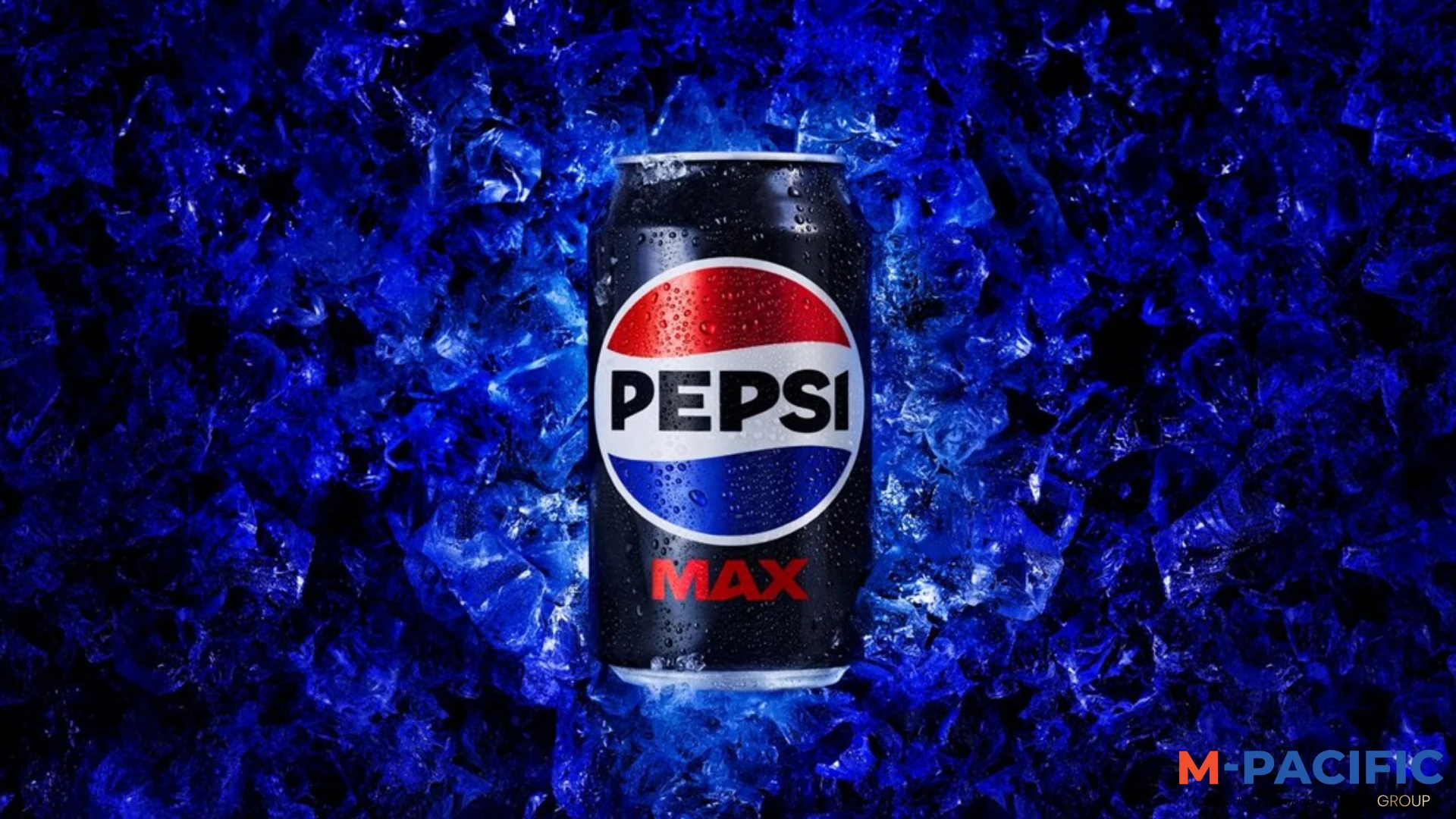
Analyzing Pepsi Soft Drink Refreshment Facts provides essential technical intelligence for B2B beverage importers, retail buyers, and FMCG procurement managers. When structuring procurement orders for Pepsi Soft Drink Bulk stock, understanding the physical chemistry, soluble sugar levels (Brix degrees), carbonation pressure, and sweetener formulations of Pepsi enables buyers to ensure compliance with destination country food safety standards and localized sugar-tax regulations.
This technical cluster guide analyzes the formulation science, sensory attributes, carbonation stability, and nutritional compliance parameters that define Pepsi’s global product lineup.

Table of Contents
- Formulation Chemistry: Sugar Brix, Sweeteners, and Acidity
- Carbonation Science and CO2 Pressure Stability in Transport
- Nutritional Facts, Sugar-Free Transitions, and Tax Compliance
- Comparative Refreshment Facts Across Pepsi Product Variants
- Frequently Asked Questions (FAQ)
- Conclusion and Sourcing Strategy
1. Formulation Chemistry: Sugar Brix, Sweeteners, and Acidity
The refreshing taste profile of Pepsi Soft Drink Refreshment Facts relies on a precise balance of carbohydrates, acidulants, and natural aromatic extracts:
Soluble Carbohydrate Content (Brix Degrees)
Standard Pepsi Classic features a soluble sugar concentration of approximately 10.6° to 11.0° Brix (grams of sucrose equivalent per 100ml of liquid). Depending on regional manufacturing origin, PepsiCo utilizes sucrose derived from sugar beets (European origin), natural cane sugar (Asian origin), or high-fructose corn syrup (HFCS-55, North American origin).
Acidulation Profile and pH Level
Pepsi utilizes phosphoric acid (H3PO4) as its primary acidulant, yielding a finished pH level between 2.4 and 2.6. Phosphoric acid provides a sharp, tangy bite that cuts through sweetness, while acting as a natural preservative that prevents microbiological spoilage during storage.
For detailed analysis of unique container designs that preserve this acidity, review our guide on Pepsi Soft Drink Unique Can SKUs.

2. Carbonation Science and CO2 Pressure Stability in Transport
Carbonation (CO2 dissolution) is fundamental to soft drink refreshment facts. Pepsi is carbonated at volumes between 3.5 and 3.8 volumes of CO2 (approximately 7 to 7.5 grams of dissolved carbon dioxide per liter of beverage).
- Pressure Dynamics in Temperature Fluctuations: Dissolved CO2 pressure increases proportionally with liquid temperature. At 4°C, a standard can maintains internal pressure of ~1.5 bar, rising to over 4.0 bar at 38°C.
- Packaging Barrier Performance: Aluminum cans maintain 100% carbonation pressure over 18 months. PET plastic bottles experience gradual CO2 migration through microscopic polymer pores, resulting in a recommended 9 to 12-month shelf life limit.
3. Nutritional Facts, Sugar-Free Transitions, and Tax Compliance
Governments worldwide are enforcing public health legislation, including sugar-sweetened beverage (SSB) taxes. Understanding formulation facts helps importers navigate local import duties:
- Pepsi Classic: Contains ~41 kcal and ~10.6g of sugar per 100ml serving, subjecting it to standard SSB tax brackets in markets like the UK, EU, and Middle East.
- Pepsi Zero Sugar / Pepsi Max: Contains zero carbohydrates, zero sugar, and <2 kcal per 100ml, completely exempting it from sugar taxes while offering full Pepsi taste.
Importers can explore regional bottling hub differences in our detailed guide on Pepsi Soft Drink Regional Origin dynamics.

4. Conclusion and Sourcing Strategy
Mastering Pepsi Soft Drink Refreshment Facts enables B2B buyers to optimize inventory selection for localized sugar-tax laws and consumer preferences. By balancing full-sugar Classic stock with zero-sugar Pepsi Max, wholesalers can maximize sales velocity across diverse retail channels. Contact our commercial beverage export team today to request current technical product specifications and wholesale container quotes.
Pepsi Refreshment Facts FAQ
Disclaimer: Unless otherwise stated, the images used in this article are the property of their respective owners. We do not claim ownership of any third-party images featured, and they are used here strictly for informational and educational purposes. If you are the copyright holder and wish to have an image removed, please contact us.