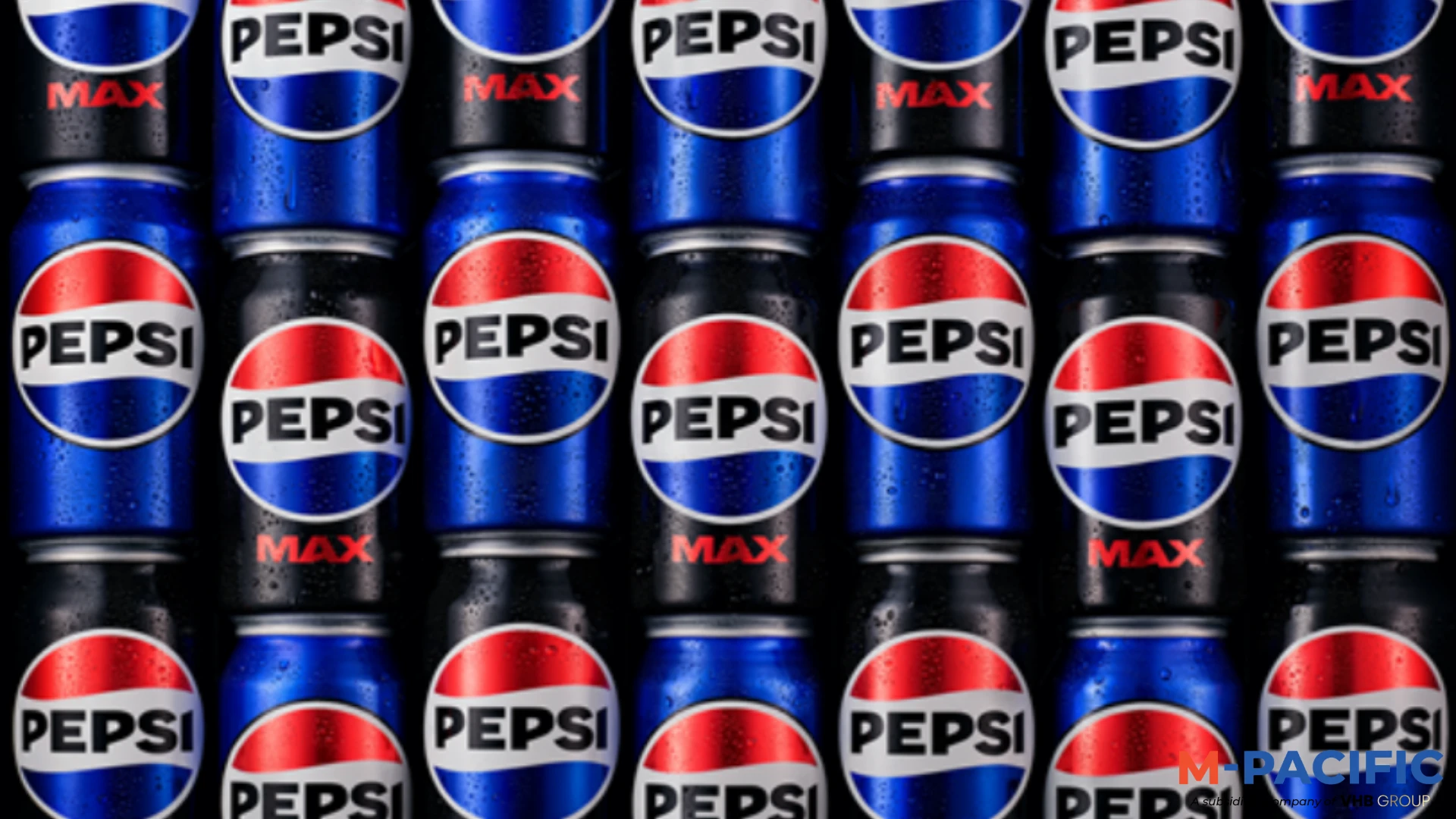
Navigating global supply chain logistics requires a clear understanding of Pepsi Soft Drink Regional Origin dynamics. Because PepsiCo operates using a decentralized global network of company-owned bottling plants, franchise bottlers, and licensed FMCG export consolidators, sourcing Pepsi soft drinks from different manufacturing regions yields variations in sweetener formulations, cost structures, packaging languages, and shipping transit lead times.
When planning baseline procurement for Pepsi Soft Drink Bulk inventory, selecting the optimal regional origin allows B2B buyers to optimize landed case costs, satisfy localized consumer taste preferences, and leverage regional trade agreements to reduce import tariffs. This guide analyzes PepsiCo’s global bottling hubs, sweetener variations, customs compliance protocols, and parallel trade mechanics.
Table of Contents
- Overview of PepsiCo’s Global Bottling Architecture
- Key Regional Bottling Hubs: Europe vs. Asia vs. Americas
- Formulation Variations by Origin: Beet Sugar vs. Cane Sugar vs. HFCS
- Trade Agreements, Certificates of Origin (COO), and Tariffs
- Frequently Asked Questions (FAQ)
- Conclusion and Sourcing Strategy
1. Overview of PepsiCo’s Global Bottling Architecture
PepsiCo utilizes a hybrid manufacturing model consisting of primary franchise bottlers (such as Suntory PepsiCo in Southeast Asia, Varun Beverages in South Asia/Africa, and Pepsi Bottling Ventures in the Americas) and independent FMCG consolidators. Franchise bottlers hold exclusive territorial bottling rights, but high international demand frequently generates cross-border parallel trade opportunities where consolidators export surplus factory allocations globally.
Importers can review technical formulation metrics in our guide on Pepsi Soft Drink Refreshment Facts.
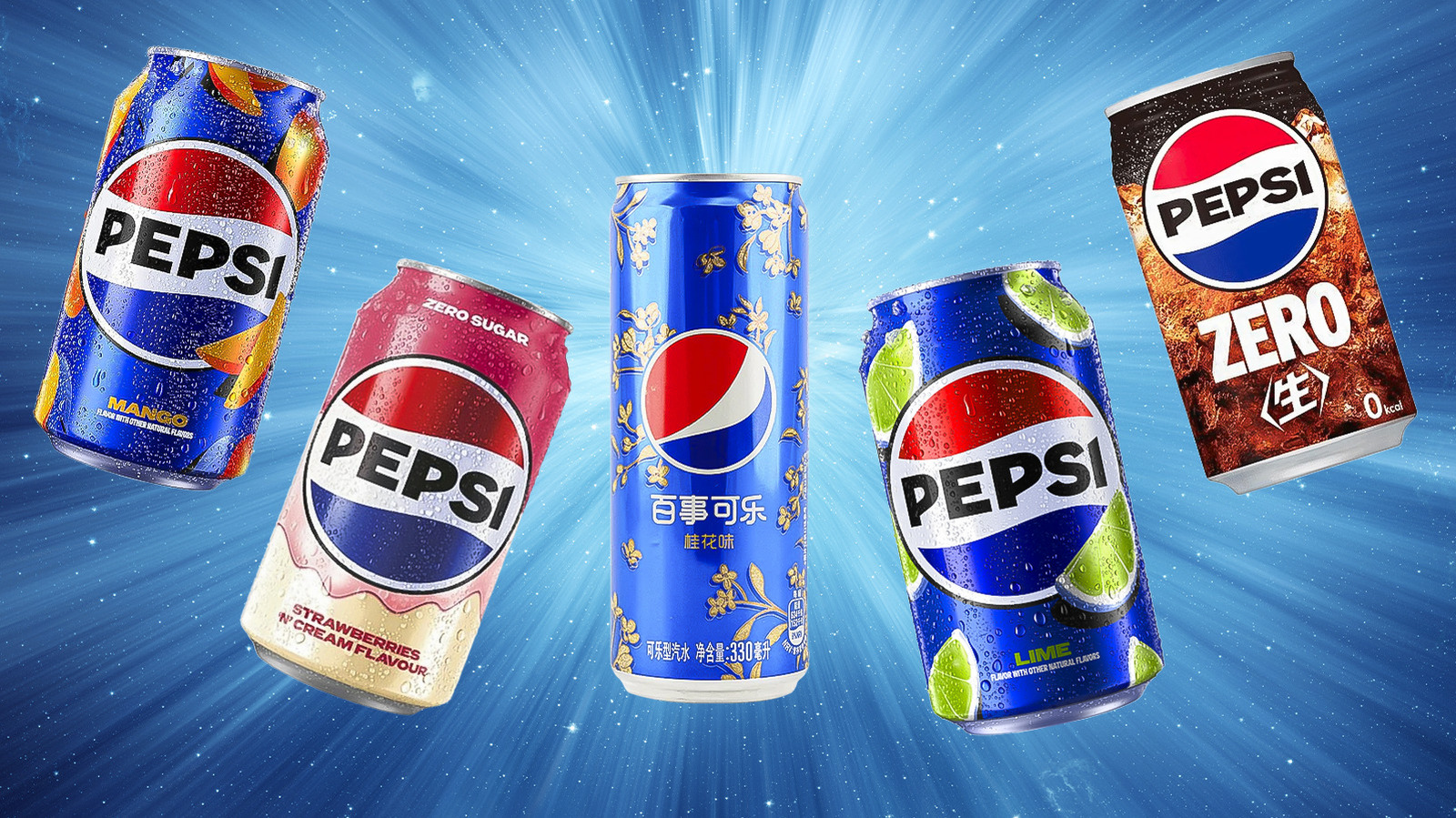
2. Key Regional Bottling Hubs: Europe vs. Asia vs. Americas
European Bottling Hubs (Poland, Netherlands, Germany, Belgium)
European origin stock represents the premium benchmark for Western import markets. Formulated primarily with beet sugar, European Pepsi complies strictly with EFSA food safety standards and carries multi-language labeling suitable for European distribution.
Southeast Asian Bottling Hubs (Vietnam, Thailand)
Asian origin stock (e.g., Suntory PepsiCo Vietnam) offers exceptionally competitive FOB unit pricing due to lower manufacturing overheads. Formulated with natural cane sugar, Asian SKUs are packed in modern 320ml sleek cans and 390ml PET bottles widely distributed across Asia, North America, and diaspora markets.
North American Bottling Hubs (USA, Mexico)
North American stock utilizes High Fructose Corn Syrup (HFCS-55) in the USA, while Mexican Pepsi utilizes 100% natural cane sugar (“Mexican Pepsi”), commanding premium niche pricing in Western gourmet channels.
Importers can explore unique container options across these hubs in our guide on Pepsi Soft Drink Unique Can SKUs.
3. Trade Agreements, Certificates of Origin (COO), and Tariffs
Selecting the right Pepsi Soft Drink Regional Origin enables buyers to claim preferential customs tariff treatment under regional trade agreements:
- ASEAN Trade in Goods Agreement (ATIGA / Form E): Sourcing from Vietnam or Thailand reduces import duties to 0% across participating Asian trade partners.
- EUR.1 Trade Certificates: European origin shipments allow buyers in partner countries to claim duty exemptions under EU bilateral trade treaties.
- Harmonized System Code: All Pepsi carbonated soft drink variants are declared under HS 2202.10.00.
4. Conclusion and Sourcing Strategy
Understanding Pepsi Soft Drink Regional Origin dynamics allows B2B importers to optimize landed case costs and secure competitive trade pricing. By balancing premium European stock with cost-efficient Asian origin imports, wholesalers can satisfy diverse market demands. Contact our commercial beverage export team today to request origin-certified quotes and build your custom Pepsi supply contract.
Pepsi Refreshment Facts FAQ
Disclaimer: Unless otherwise stated, the images used in this article are the property of their respective owners. We do not claim ownership of any third-party images featured, and they are used here strictly for informational and educational purposes. If you are the copyright holder and wish to have an image removed, please contact us.