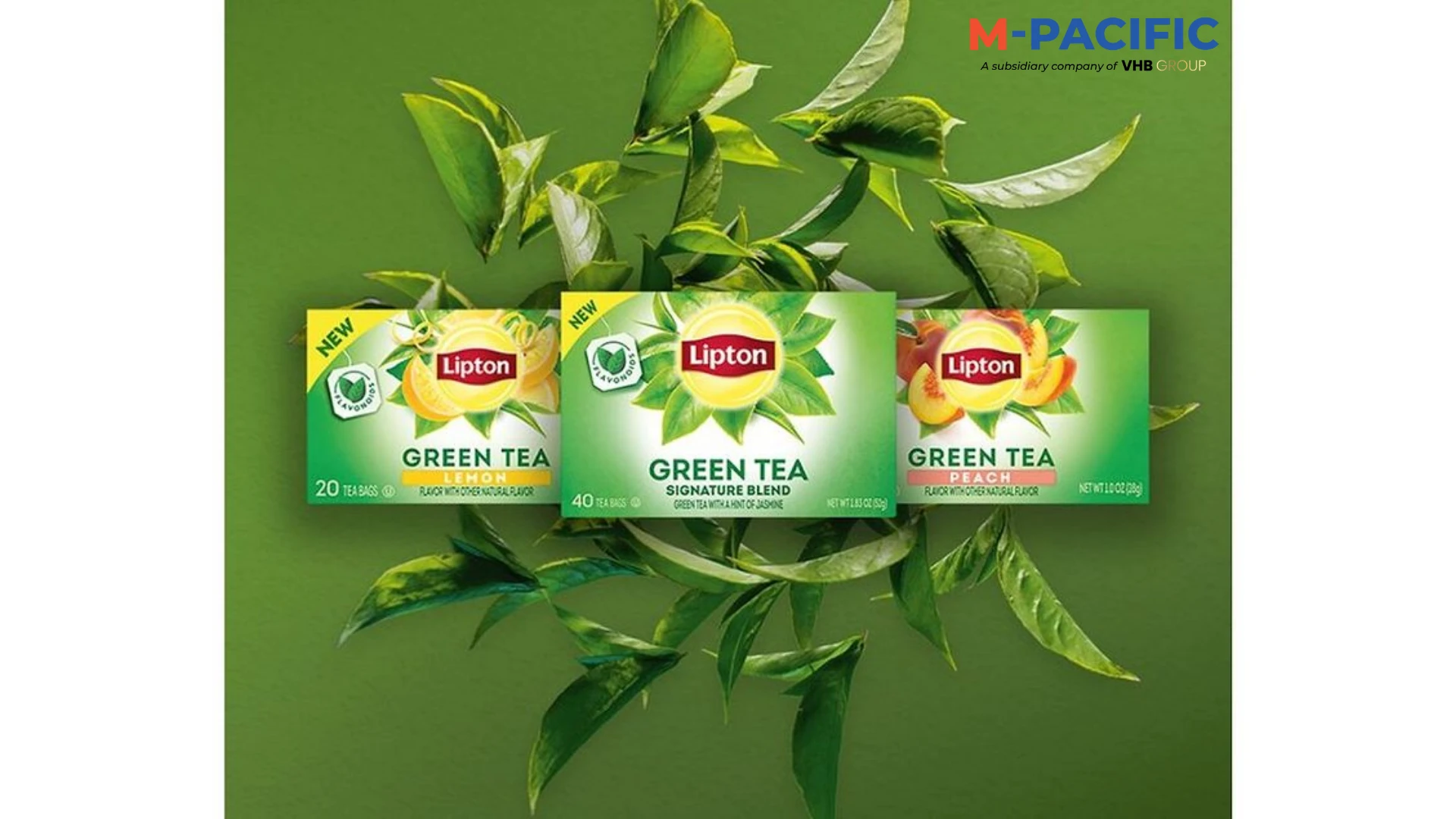
Sourcing Lipton Tea Bulk inventory gives international B2B distributors, supermarket chains, foodservice suppliers, and FMCG trading firms a dependable, high-velocity revenue engine. As one of the world’s most recognized tea brands, Lipton anchors the non-alcoholic hot beverage and ready-to-drink (RTD) iced tea categories.
For international beverage importers, managing full container load (FCL) consignments of Lipton tea requires navigating complex supply chain dynamics—including origin tea leaf sourcing, moisture-barrier packaging standards, container weight versus volume optimization, phytosanitary compliance, and parallel trade logistics. This comprehensive B2B pillar guide analyzes the technical, commercial, and logistical protocols necessary to build a highly profitable distribution model.

Table of Contents
- Global Market Demand and Commercial Position of Lipton Tea Bulk
- Product Portfolio Breakdown for Wholesale Importers
- Packaging Formats and Container Loading Specifications
- Ocean Freight Logistics, Moisture Barriers, and Payload Optimization
- B2B Procurement Strategies, Incoterms, and Pricing Models
- Import Compliance, Phytosanitary Certification, and Tariff Codes
- Frequently Asked Questions (FAQ)
- Partner with Us for Your Global Beverage Sourcing Needs
1. Global Market Demand and Commercial Position of Lipton Tea Bulk
The global tea category remains a dominant driver of retail and institutional revenue. Lipton generates billions of dollars in annual retail sales, holding commanding market shares across Europe, the Americas, Asia-Pacific, the Middle East, and Africa.
Adding Lipton Tea Bulk stock to a wholesale catalog delivers distinct commercial advantages:
- Unrivaled Brand Equity: Decades of global brand equity generate pre-existing consumer demand, drastically reducing localized marketing expenditure.
- High Inventory Turnover: As a daily staple in households and commercial foodservice venues, Lipton stock rotates rapidly, ensuring predictable cash flow for wholesalers.
- Multi-Channel Distribution: Suitable for hypermarket retail, convenience stores, hotel tea/coffee stations, workplace pantries, and foodservice/catering (HoReCa) venues.
2. Product Portfolio Breakdown for Wholesale Importers
Curating an optimal product mix requires selecting the right combination of Lipton sub-brands and formats tailored to destination market demographics:
- Lipton Yellow Label Black Tea: The iconic flagship blend crafted from high-altitude black tea leaves, available in double-chamber tea bags and loose tea formats.
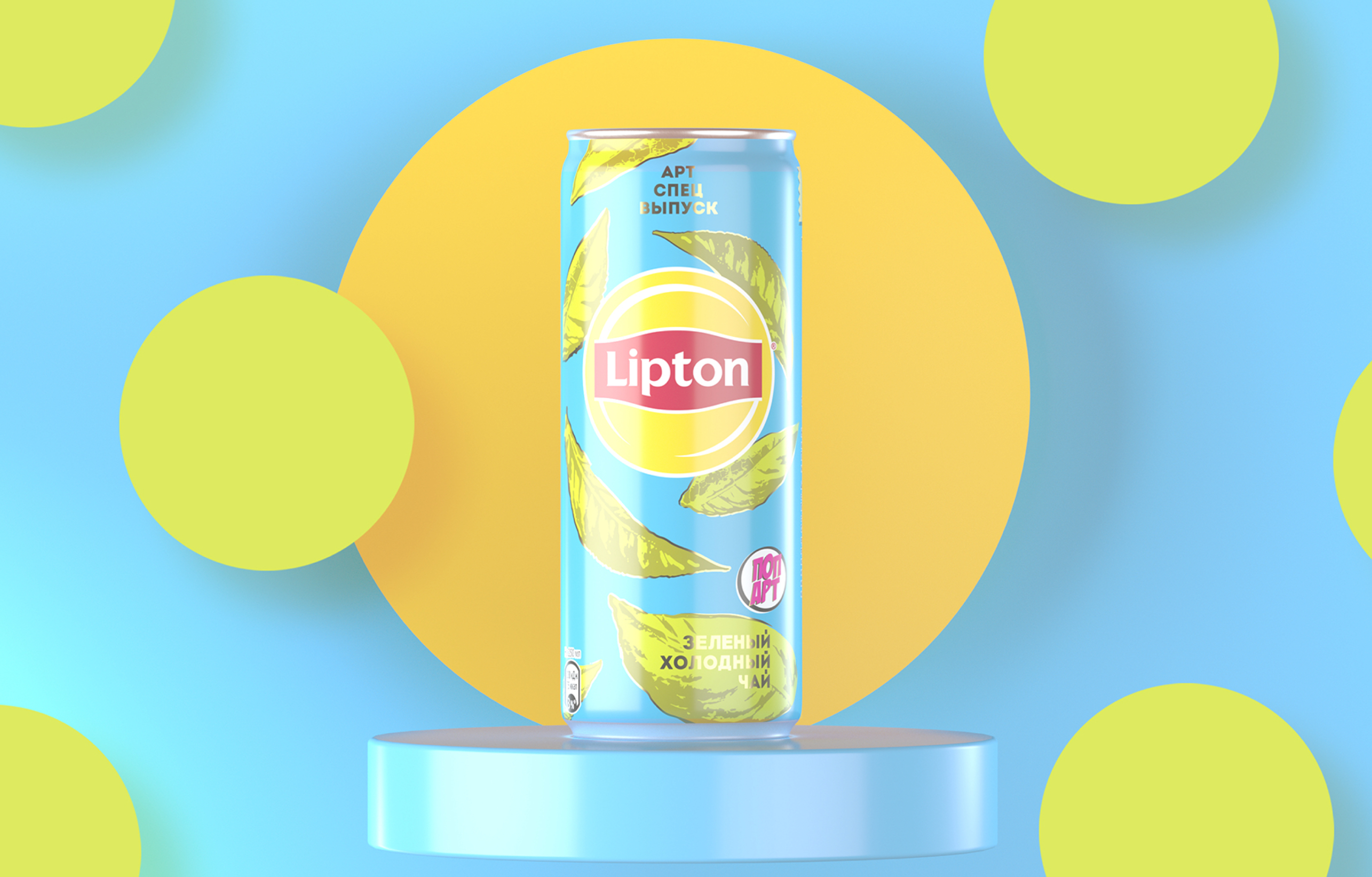
- Lipton Ready-to-Drink (RTD) Iced Tea: Manufactured under joint venture agreements (such as Pepsi Lipton International), featuring carbonated and still iced tea variants (Lemon, Peach, Green Tea) in aluminum cans and PET plastic bottles.
- Lipton Green Tea & Herbal Infusions: Unfermented green tea blends and caffeine-free infusions (Chamomile, Peppermint, Jasmine) targeting health-conscious retail channels.
- Lipton Pyramid Tea Bags: Premium long-leaf tea blends packaged in triangular mesh bags that allow optimal leaf expansion for elevated dining and hotel venues.
For deeper insights into tea leaf blend origins and estate sourcing, explore our guide on Lipton Tea Blend Origin.
3. Packaging Formats and Container Loading Specifications
Selecting the right packaging formats directly impacts freight density, shelf presence, and landed unit costs. Dry tea bags are volume-dense (“cube out” before “weighing out”), whereas RTD liquid iced tea is weight-dense.
Dry Tea Bag Cartons (Yellow Label 100s, 50s, 25s)
Packaged in foil-wrapped paper boxes and master shipping cartons. Dry tea bags require dry, humidity-controlled container conditions to prevent mold formation and flavor loss.
RTD Aluminum Cans & PET Bottles (330ml, 500ml, 1.5L)
Liquid iced tea variants packaged in aluminum cans or PET plastic bottles follow standard CSD beverage logistics, where container weight capacity determines max case payload.
Importers can evaluate specific package dimensions in our companion guide on Lipton Tea Special Pack SKUs.
4. Ocean Freight Logistics, Moisture Barriers, and Payload Optimization
Managing international logistics for dry tea versus liquid RTD beverages requires distinct freight management strategies:
Shipping Dry Tea Bags (Volumetric Cube Optimization)
Dry tea has a very light tare weight. A 40ft High Cube (HC) container is essential when shipping dry tea boxes to maximize physical volume space. Desiccant packs (moisture absorbers) and thermal container liners are mandatory to shield paper cartons from container sweat during maritime ocean transit.
Shipping RTD Liquid Iced Tea (Weight Payload Optimization)
When shipping canned or bottled RTD iced tea, containers reach legal road and vessel weight limits before physical container space is filled. Hand-stacked floor-loading increases carton count by 15% to 20% compared to wooden pallets.
| Product Format | Packaging Configuration | Gross Weight / Case | 20ft FCL Capacity | 40ft HC FCL Capacity |
| Yellow Label 100ct Boxes | 36 Boxes / Master Case | ~5.2 kg | ~1,200 Master Cases | ~2,800 Master Cases |
| Yellow Label 25ct Boxes | 72 Boxes / Master Case | ~4.8 kg | ~1,300 Master Cases | ~3,000 Master Cases |
| RTD Iced Tea 330ml Can | 24 Cans / Corrugated Tray | ~8.6 kg | ~2,350 Trays (~56,400 Cans) | ~3,150 Trays (~75,600 Cans) |
| RTD Iced Tea 500ml PET | 24 Bottles / Shrink Case | ~13.2 kg | ~1,550 Cases (~37,200 Bottles) | ~2,050 Cases (~49,200 Bottles) |
5. B2B Procurement Strategies, Incoterms, and Pricing Models
Achieving target profit margins requires structuring procurement contracts with verified master exporters, brand consolidators, or primary manufacturing facilities.
Sourcing Models: Primary Brand Owners vs. FMCG Consolidators
Direct purchasing contracts with primary tea brand owners require substantial annual commitments and territorial distribution agreements. Independent wholesalers generally partner with master FMCG consolidators offering flexible minimum order quantities (1x20ft or 1x40ft FCL) and mixed-container capabilities (combining Lipton dry tea with RTD iced tea, coffee, or soft drinks).
To understand global supply network pathways, explore our analysis of the Lipton Tea Distribute Channel network.
Incoterms 2020 Framework
- Free On Board (FOB): The recommended industry standard. The seller manages inland transport, export customs clearance, and loading at origin ports (e.g., Colombo, Mombasa, Rotterdam, or Ho Chi Minh City). The buyer assumes control over ocean shipping rates, carrier routing, and marine insurance.
- Cost, Insurance, and Freight (CIF): Ideal for buyers who prefer the exporter to organize ocean shipping directly to the destination discharge port.
6. Import Compliance, Phytosanitary Certification, and Tariff Codes
Navigating customs regulations is critical to preventing port demurrage charges and rejected shipments.
Mandatory Export Documentation Suite
- Commercial Invoice & Packing List: Itemizing exact SKU descriptions, net/gross weights, batch numbers, and Harmonized System codes (HS 0902.30 for black tea in packages <= 3kg; HS 2202.99 for RTD iced tea).
- Phytosanitary Certificate: Mandatory for raw and processed dry tea shipments, issued by the agriculture authority of the exporting country verifying freedom from plant pests and diseases.
- Certificate of Origin (COO): Issued by the origin Chamber of Commerce to qualify for preferential customs tariffs under bilateral trade agreements.
- Certificate of Analysis (CoA): Issued by an accredited laboratory certifying moisture levels, pesticide residue compliance (MRLs), and microbiological safety.
8. Partner with Us for Your Global Sourcing Needs
Partnering with an experienced FMCG export consolidator ensures seamless procurement of authentic Lipton Tea Bulk inventory at highly competitive pricing structures. If you are ready to expand your import portfolio and secure tier-one global trade terms, contact our commercial trade sales team today to request a customized quote, explore mixed-container consolidation options, and scale your beverage distribution business globally.
Lipton Tea Bulk FAQ
Disclaimer: Unless otherwise stated, the images used in this article are the property of their respective owners. We do not claim ownership of any third-party images featured, and they are used here strictly for informational and educational purposes. If you are the copyright holder and wish to have an image removed, please contact us.