Exploring the Mirinda Soft Drink Flavor Origin provides valuable insights into how a 1959 Spanish soft drink brand evolved into PepsiCo’s leading international fruit-flavored beverage platform. For B2B beverage importers, supermarket buyers, and market analysts, examining origin dynamics clarifies differences in regional sweetener sourcing, flavor engineering, franchise bottling architecture, and international parallel trade economics.
Table of Contents
- Historical Origins: Spain, PepsiCo Acquisition, and the Esperanto Name
- Flavor Formulation Science: From Multi-Flavor Platform to Orange Focus
- Regional Sweetener Dynamics: High-Fructose Corn Syrup vs. Cane Sugar vs. Beet Sugar
- Comparative Matrix of Global Mirinda Bottling Territories
- Regional Market Innovations: Green Cream, Korean Strawberry, and Movie Special Editions
- Frequently Asked Questions (FAQ)

1. Historical Origins: Spain, PepsiCo Acquisition, and the Esperanto Name
Mirinda was created in Spain on November 1, 1959. The brand name Mirinda was chosen from the constructed international language Esperanto, in which the word means “admirable” or “wonderful”.
In 1970, American beverage conglomerate PepsiCo acquired the Mirinda brand. PepsiCo positioned Mirinda as its primary international fruit-flavored soft drink brand outside North America, competing directly against The Coca-Cola Company’s Fanta brand and Dr Pepper Snapple’s Crush brand.
2. Flavor Formulation Science: From Multi-Flavor Platform to Orange Focus
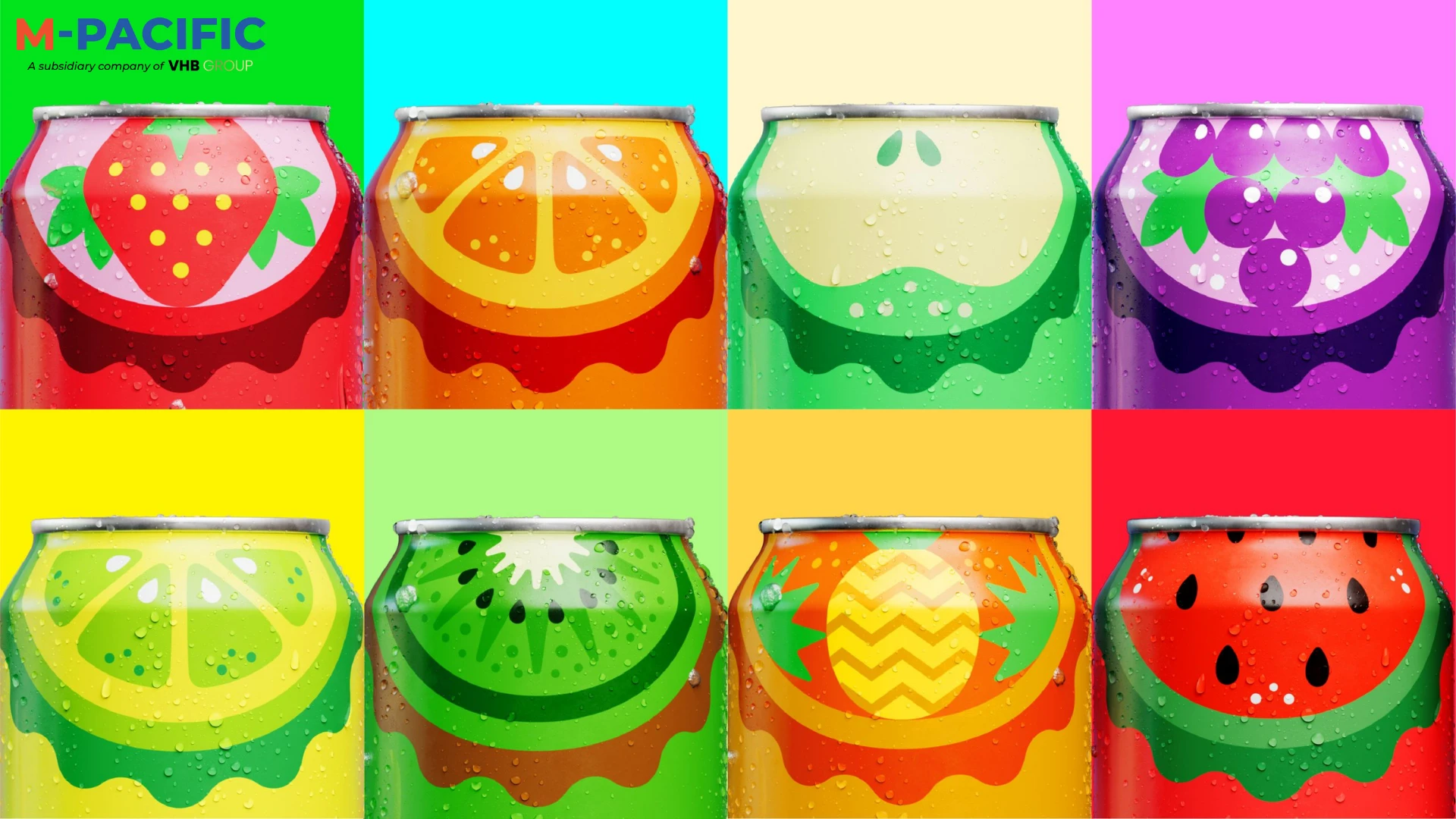
During its early decades, Mirinda operated as a broad multi-flavor brand incorporating over 15 different fruit varieties—including orange, citrus, grapefruit, apple, strawberry, raspberry, pineapple, pomegranate, banana, passionfruit, lemon, tangerine, pear, watermelon, and grape.
In the early 1990s, PepsiCo executed a major global strategic repositioning of the Mirinda brand. Supported by high-impact global marketing campaigns (such as the “Blue Man Group” campaign), Mirinda narrowed its primary brand identity around Mirinda Orange, which now represents the majority of global sales worldwide.
3. Regional Sweetener Dynamics: High-Fructose Corn Syrup vs. Cane Sugar vs. Beet Sugar
The primary functional variation across regional Mirinda formulations involves the choice of caloric sweetener, which is heavily influenced by national agricultural trade policies and local sugar taxes.
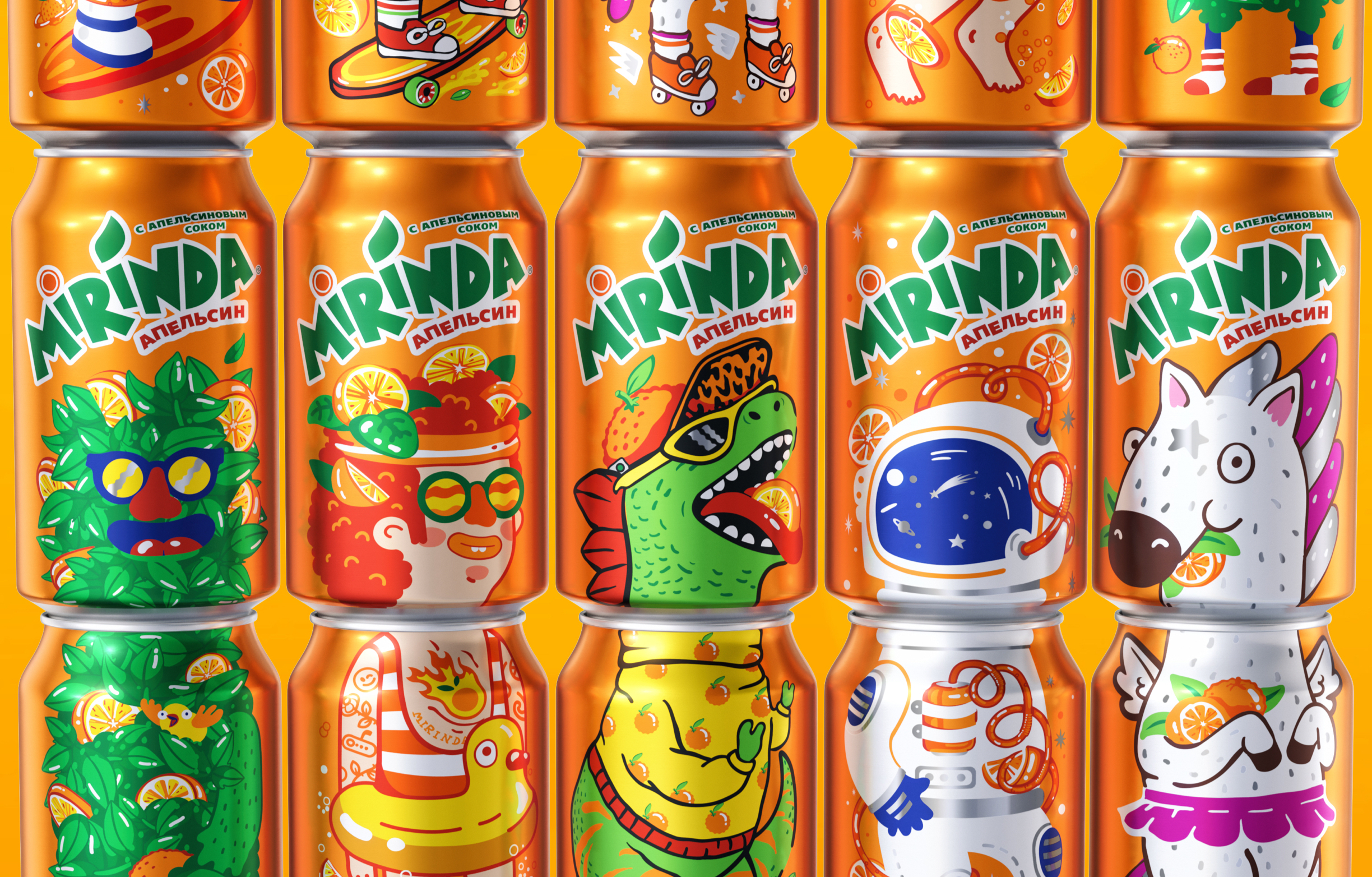
High-Fructose Corn Syrup (Select International Markets)
In markets utilizing corn syrup, HFCS-55 delivers a rapid, heavy sweetness and full mouthfeel that complements bold artificial fruit flavorings.
100% Real Cane Sugar (Latin America, Southeast Asia, Middle East)
Bottling plants across Mexico, Vietnam, Thailand, India, and Egypt utilize 100% natural cane sugar (sucrose). Cane sugar formulations deliver a lighter, crisp sweetness with a clean finish that accentuates vibrant fruit flavor notes.
Reduced-Sugar & Statutory Reformulations
In markets enforcing sugar reduction levies, PepsiCo bottlers reformulated Mirinda by capping total sugar content (e.g., keeping sugar under 6g per 100ml) and incorporating Acesulfame K and Sucralose.
4. Comparative Matrix of Global Mirinda Bottling Territories
The following matrix compares key regional origins of Mirinda soft drinks, highlighting primary bottling partners, local sweetener sources, and distinct taste profiles:
| Geographic Region | Primary Bottling Partners | Local Sweetener Source | Signature Flavor Profile |
| Middle East & Egypt | Pepsi Bottling Group Middle East | 100% Real Cane Sugar | Intense orange aroma, rich sucrose sweetness |
| Southeast Asia (Thailand) | Suntory PepsiCo Beverage Thailand | Natural Cane Sugar | Bold fruit taste, vibrant fizz, low-sugar options |
| Southeast Asia (Vietnam) | Suntory PepsiCo Vietnam Beverage | Natural Cane Sugar | Crisp orange lift, refreshing citrus finish |
| Eastern Europe & Russia | Regional Licensed Bottlers | Sugar Beet & Reduced Sugar Blends | Lighter sweetness, dry sparkling finish |
5. Regional Market Innovations: Green Cream, Korean Strawberry, and Movie Special Editions
While Orange remains the core volume driver, PepsiCo bottlers deploy unique regional line extensions to capture high local market share:
- Green Cream & Cream Soda Variants: Highly popular across Southeast Asian markets like Thailand and Vietnam, delivering a sweet cream-soda fruit profile.
- Korean Style Strawberry: Premium regional releases (such as Suntory PepsiCo’s “Strawberry Korean Style”) designed to appeal to youth lifestyle trends.
- Movie-Themed Editions: Asian bottling hubs frequently launch limited-time promotional editions tied to major cinema releases (e.g., Batman Blueberry or Superman Fruit Punch).
Mirinda Brand History & Origin FAQ
Disclaimer: Unless otherwise stated, the images used in this article are the property of their respective owners. We do not claim ownership of any third-party images featured, and they are used here strictly for informational and educational purposes. If you are the copyright holder and wish to have an image removed, please contact us.