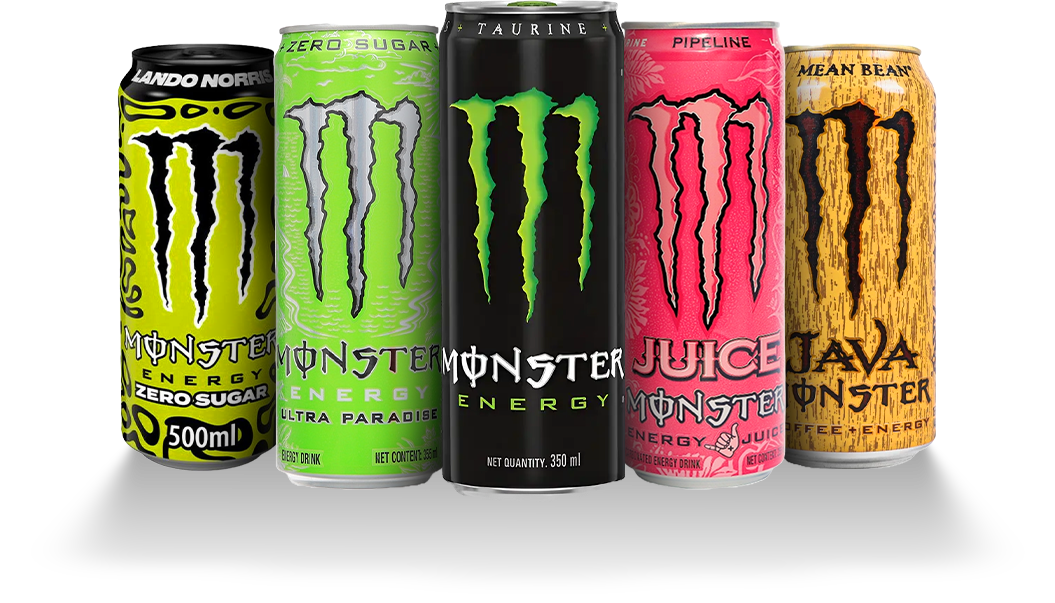
Tracing the Monster Energy Drink Regional Origin provides valuable insights into how an iconic Southern California juice company evolved into a multi-billion dollar global functional beverage empire. For B2B beverage importers, supermarket buyers, and market analysts, examining origin dynamics clarifies differences in regional sweetener sourcing, co-packing arrangements, bottling architecture, and international parallel trade economics.
Table of Contents
- Historical Heritage: From Hubert Hansen’s Juice Roots to Corona, California
- The 2014-2015 Coca-Cola Strategic Partnership & Global Bottling Alignment
- Regional Co-Packing Facilities and Water Demineralization Mechanics
- Global Formula Variations: High-Fructose Corn Syrup vs. Real Sucrose & Regional Regulatory Capping
- Parallel Trade Arbitrage and International Import Compliance
- Frequently Asked Questions (FAQ)

1. Historical Heritage: From Hubert Hansen’s Juice Roots to Corona, California
The roots of Monster Energy trace back to 1935 in Los Angeles, California, when Hubert Hansen and his sons founded Hansen’s Juices, selling fresh, unpasteurized juices to local film studios and retailers. For decades, Hansen Natural operated as a respected regional natural soda and juice company.
In April 2002, under the leadership of Rodney Sacks and Hilton Schlosberg, Hansen Natural Corporation launched Monster Energy in its iconic 16 oz black can with the green “M” claw logo. The brand experienced explosive growth, prompting the corporate parent to formally change its name to Monster Beverage Corporation in 2012. Today, the corporate headquarters remain anchored in Corona, California.
2. The 2014-2015 Coca-Cola Strategic Partnership & Global Bottling Alignment
In August 2014, The Coca-Cola Company and Monster Beverage Corporation announced a historic strategic partnership that reshaped global energy drink distribution:
- Equity Ownership: The Coca-Cola Company acquired an approximate 16.7% equity stake in Monster Beverage Corporation.
- Asset Swap: Coca-Cola transferred its worldwide energy drink portfolio (including NOS, Full Throttle, Burn, Mother, and Relentless) to Monster. In return, Monster transferred its non-energy beverage lines (such as Hansen’s Natural Sodas and Peace Tea) to Coca-Cola.
- Global Bottling Integration: Monster was integrated directly into the global Coca-Cola system, granting Monster access to the world’s largest bottling and distribution network across over 200 countries.
3. Regional Co-Packing Facilities and Water Demineralization Mechanics
While Monster Beverage Corporation manages brand IP, energy blend concentrate, and global marketing from California, physical production is executed via a network of licensed co-packing facilities and Coca-Cola anchor bottlers worldwide (such as CCEP in Western Europe, Swire Coca-Cola in Asia, and Coca-Cola FEMSA in Latin America).
To preserve identical taste profiles across all global co-packing facilities, every bottling plant utilizes advanced water treatment mechanics:
+-------------------------------------------------------+
|             Central Concentrate Production            |
|                   (Corona, California)                |
+-------------------------------------------------------+
                           |
                           v
+-------------------------------------------------------+
|            Regional Licensed Co-Packers               |
|      (CCEP Europe, Swire Asia, FEMSA LatAm)          |
+-------------------------------------------------------+
                           |
       +-------------------+-------------------+
       |                                       |
       v                                       v
+-----------------------+               +-----------------------+
| Multi-Stage Water     |               | High-Speed Carbonated |
| Demineralization      |               | Packaging & Canning   |
+-----------------------+               +-----------------------+
Multi-stage reverse osmosis and carbon filtration strip local municipal water down to neutral, mineral-free liquid before blending it with proprietary Monster energy concentrate and carbon dioxide ($CO_2$).
4. Global Formula Variations: High-Fructose Corn Syrup vs. Real Sucrose & Regional Regulatory Capping
Regional agricultural trade policies and localized food safety laws create subtle formulation variations across global manufacturing origins:
Sweetener Variations
- North American Production: Formulated primarily with High-Fructose Corn Syrup (HFCS-55), delivering a rapid sweetness onset and heavy mouthfeel.
- European & Asian Production: Formulated with 100% natural sugar beet or cane sugar (sucrose), yielding a cleaner, crisp finish that accentuates citrus flavor notes.
Regional Ingredient Caps
- Caffeine Regulatory Caps: While North American and European SKUs standardly contain 160 mg of caffeine per 16 oz / 500ml can (~32 mg per 100ml), select markets (such as Canada or South Korea) enforce lower maximum caffeine limits, requiring origin facilities to adjust caffeine concentrations accordingly.
- Taurine & Vitamin Restrictions: Certain Middle Eastern and Asian territories restrict taurine or specific B-vitamin concentrations, prompting specialized regional blend reformulations.
5. Parallel Trade Arbitrage and International Import Compliance
Differences in origin packaging, language labeling, and factory pricing create active parallel trade opportunities for international B2B traders:
- Origin Relabeling Compliance: Importers shipping Monster Energy stock across international borders must over-sticker packaging with translated local compliance labels containing detailed ingredient disclosures, caffeine warnings, and regional importer contact information.
- Lot Traceability: Master cases feature laser-etched production codes that allow distributors to verify origin bottling facilities and shelf-life expiration dates.
Monster Energy Origin & Supply Chain FAQ
Disclaimer: Unless otherwise stated, the images used in this article are the property of their respective owners. We do not claim ownership of any third-party images featured, and they are used here strictly for informational and educational purposes. If you are the copyright holder and wish to have an image removed, please contact us.