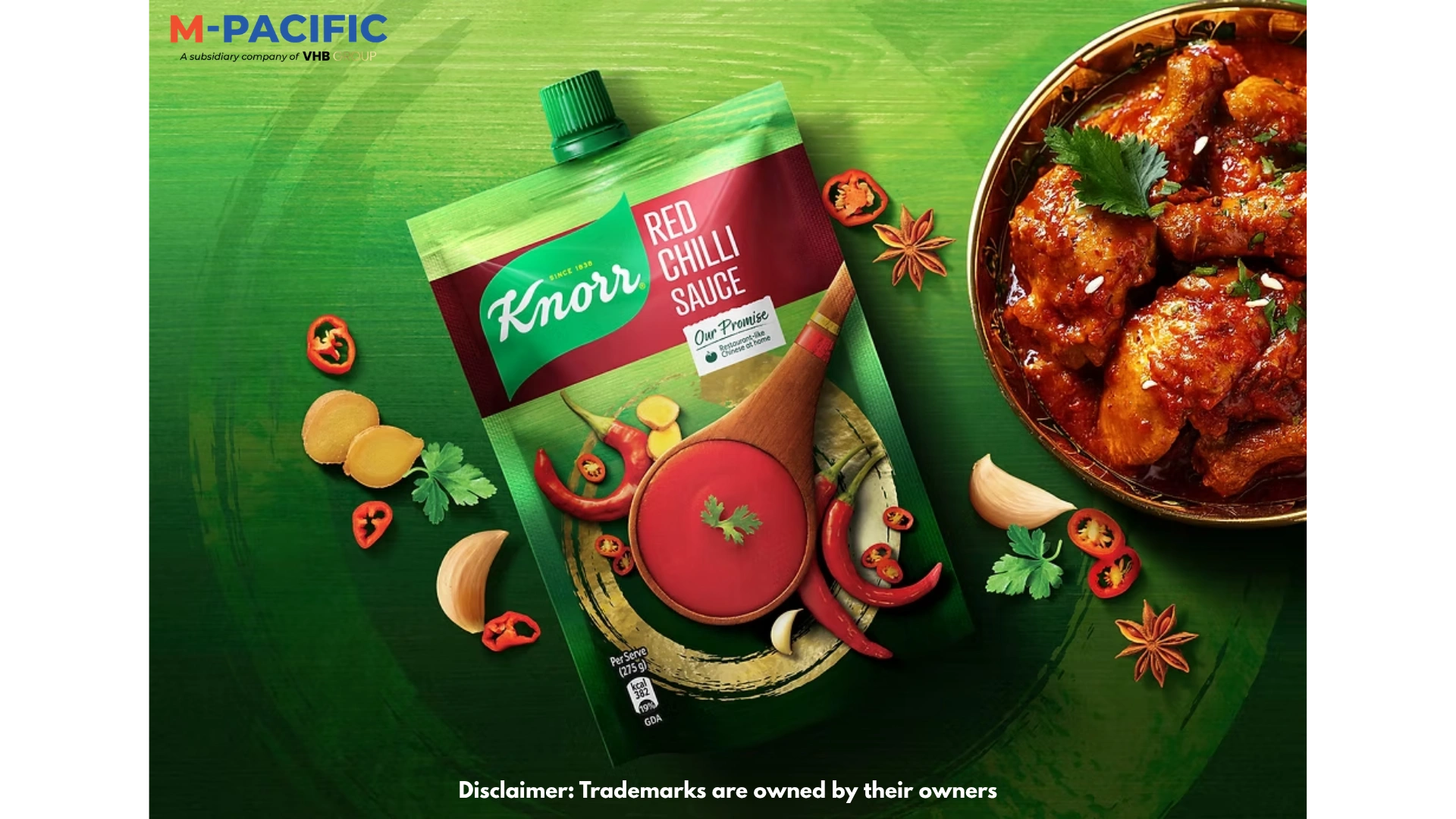
Analyzing the Knorr Seasoning Distribute Channel network provides a detailed roadmap for moving savory seasonings, bouillon bases, and recipe mixes from primary Unilever manufacturing facilities to global commercial kitchens, supermarket chains, wholesale importers, and traditional retail networks. Building a resilient Route-to-Market (RTM) strategy requires navigating distinct distribution layers—including bulk ocean shipping, climate-controlled warehousing, HoReCa food service redistribution, and multi-channel last-mile delivery.
Optimizing these channels enables procurement directors and logistics managers working with consolidators like M-Pacific to lower landed freight costs, maintain product freshness, prevent caking, and maximize gross profit margins across diverse customer segments.
Table of Contents
- Analyzing the Multi-Tiered Knorr Route-to-Market Architecture
- Unilever Food Solutions (UFS) vs. Retail Grocery Distribution Pathways
- Retail and Food Service Channel Matrix
- Traditional Trade Micro-Distribution and Kiosk Networks
- Warehousing Controls, Ambient Moisture Management, and Inventory Velocity
- Frequently Asked Questions (FAQ)
1. Analyzing the Multi-Tiered Knorr Route-to-Market Architecture
Unilever operates a dual-track distribution strategy engineered to serve both individual household consumers and enterprise commercial kitchens. The distribution pipeline for Knorr seasoning operates across four primary structural layers:
[Origin Unilever Manufacturing Plants]
                  │
                  ▼
[Primary Export Packaging & Logistics Hub]
  (Cube Boxes, 1kg Pouches, 1.5kg Tubs, Sachets)
                  │
       ┌──────────┴──────────┐
       ▼                     ▼
[Unilever Food Solutions] [Retail Grocery Distributors]
 (HoReCa & Caterers)      (Hypermarkets & Supermarkets)
       │                     │
       ▼                     ▼
[Hotel & Restaurant]      [Traditional Trade & Kiosks]
- Primary Manufacturing Stage: Unilever personal care and food manufacturing plants (in Vietnam, Indonesia, the Philippines, or Europe) produce, package, and palletize master cases for export.
- Master Import & Tier-1 Wholesale Stage: International master importers and FMCG consolidators like M-Pacific import full container loads (FCL) of Knorr stock, managing port clearance, trade financing, and primary warehousing.
- Secondary Redistribution Stage: Tier-1 distributors supply regional food service wholesalers, cash-and-carry hubs, and restaurant supply distributors.
- Last-Mile End-User Execution: Product flows into supermarket shelves, hotel kitchens, corporate canteens, street food vendors, and neighborhood grocery kiosks.
2. Unilever Food Solutions (UFS) vs. Retail Grocery Distribution Pathways
Knorr operates two distinct commercial distribution channels tailored to specific end-user operational demands:
Unilever Food Solutions (UFS) Food Service Channel
The dedicated B2B division supplying hotel chains, restaurant groups, industrial canteens, and airline caterers.
- Product Formats: Focused on 1.0kg foil pouches, 1.5kg–3.0kg HDPE tubs, and liquid concentrates.
- Distribution Setup: Specialized food service distributors deliver stock directly to commercial kitchens alongside chef training, menu costing support, and recipe formulation advice.
Retail Grocery Distribution Channel
The consumer-facing division supplying hypermarket chains, supermarkets, convenience stores, and traditional bazaars.
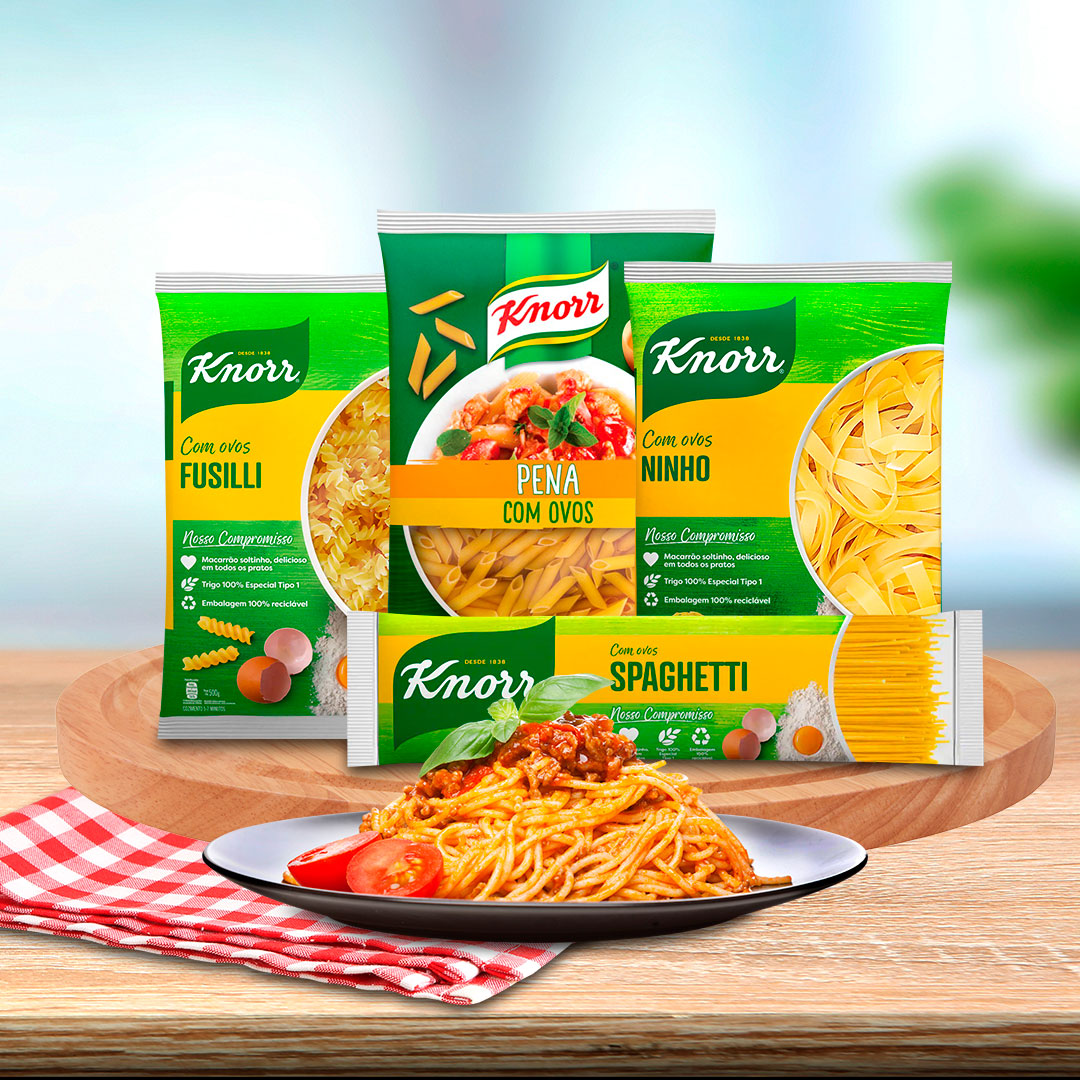
- Product Formats: Focused on 10g bouillon cube boxes, 250g pouches, and single-serve sachets.
- Distribution Setup: Centralized supermarket distribution centers (DCs) or van-sales routes servicing independent retail stores.
3. Retail and Food Service Channel Matrix
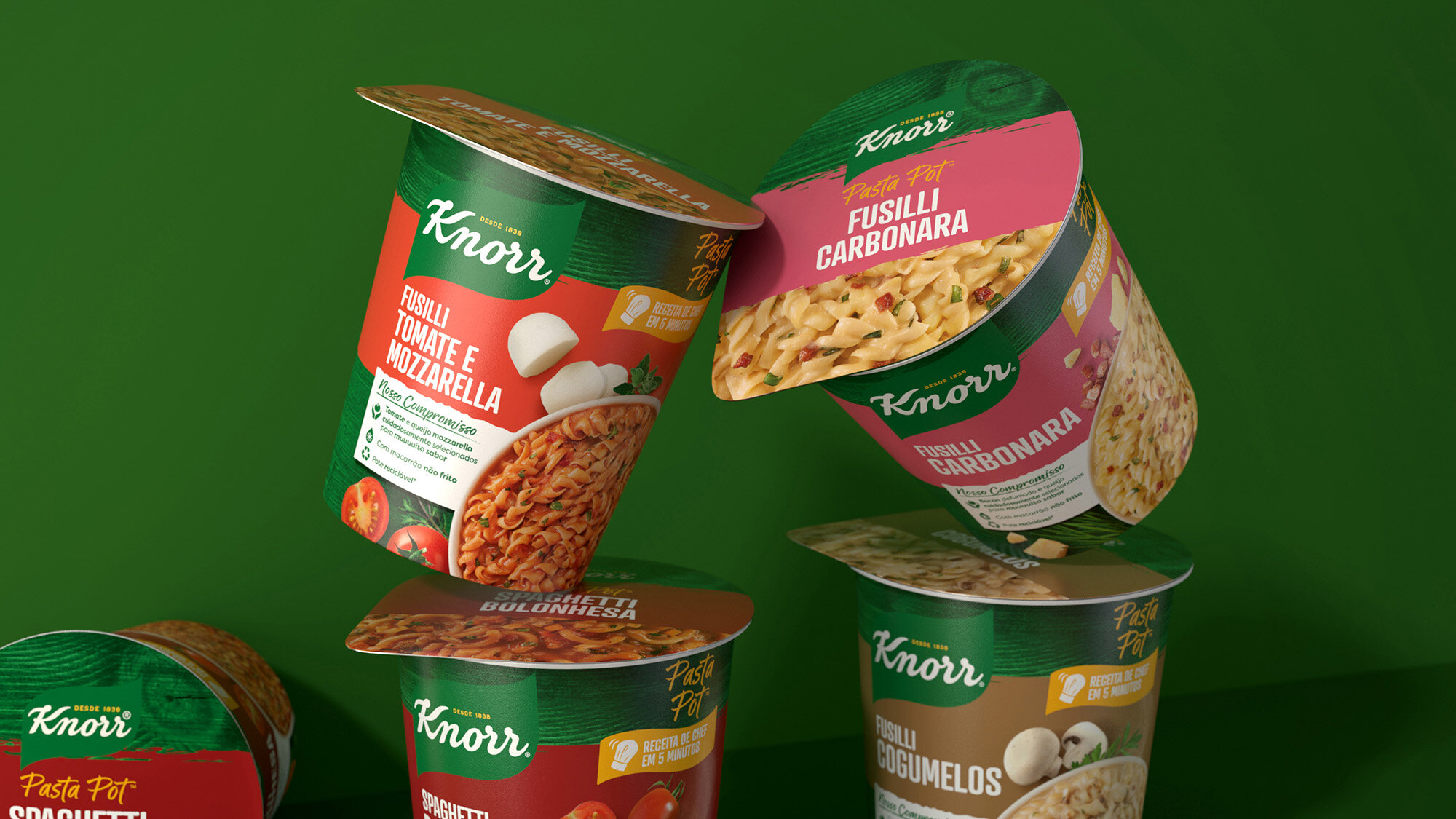
Different customer segments demand tailored logistics setups, packaging formats, and delivery frequencies to maximize inventory performance:
| Distribution Channel | Target Customer Base | Dominant Knorr SKUs | Delivery Model | Relative Channel Gross Margin |
| HoReCa Food Service | Hotels, Restaurants, Caterers | 1.0kg Pouches, 1.5kg Tubs, Liquids | Food Service Distributors | High Service Margin |
| Modern Trade Retail | Hypermarkets & Supermarkets | 10g x 24 Cube Boxes, 250g Pouches | Central Warehouse FTL / FCL | Standard Volume Margin |
| Cash & Carry Wholesale | Small Eateries & Caterers | 1.0kg Pouches, 12-Pack Tubs | Wholesale Club Pick-Up | Moderate Volume Margin |
| Traditional Trade | Mom-and-Pop Shops & Kiosks | 8g – 20g Sachet Hanging Strips | Sub-Wholesalers / Van-Sales | High Capillary Margin |
4. Traditional Trade Micro-Distribution and Kiosk Networks
In emerging Knorr Seasoning Distribute Channel markets across Southeast Asia, South Asia, and Latin America, traditional trade (neighborhood kiosks, open-air markets, and street food stalls) accounts for a massive share of total savory seasoning sales:
Single-Use Sachets (8g to 20g)
Single-use sachets sold in vertical hanging plastic strips serve as the primary engine for traditional trade distribution:
- Low Outlay for Household Shoppers: Allows low-income consumers to purchase daily cooking seasoning without buying larger boxes or pouches.
- Street Food Vendor Convenience: Street food vendors purchase individual 20g sachets daily to season broths and stir-fries with precise portion cost control.
- Zero Floor Space Required: Hanging sachet strips hang directly from kiosk ceilings or counter displays for high visual impulse impact.
5. Warehousing Controls, Ambient Moisture Management, and Inventory Velocity
Maintaining savory seasoning quality across global warehouse networks requires systematic physical handling and environmental controls:
Ambient Warehousing Humidity and Temperature Control
Because Knorr seasonings contain hygroscopic salt and glutamate crystals, ambient humidity control is critical:
- Relative Humidity Envelope: Warehouses must maintain Relative Humidity below 60% RH to prevent atmospheric water vapor absorption if outer master cartons are damaged.
- Temperature Control: Ideal storage temperatures range between 15°C and 25°C (59°F to 77°F) in dry, sheltered conditions away from direct sunlight.
FIFO Inventory Velocity and Batch Tracking
Automated Warehouse Management Systems (WMS) enforce strict First-In, First-Out (FIFO) picking rules based on manufacturing timestamps, ensuring older inventory is dispatched first to preserve maximum factory freshness (18 to 24-month shelf life) at the end-user location.
Knorr Pack SKUs FAQ
Disclaimer: Unless otherwise stated, the images used in this article are the property of their respective owners. We do not claim ownership of any third-party images featured, and they are used here strictly for informational and educational purposes. If you are the copyright holder and wish to have an image removed, please contact us.