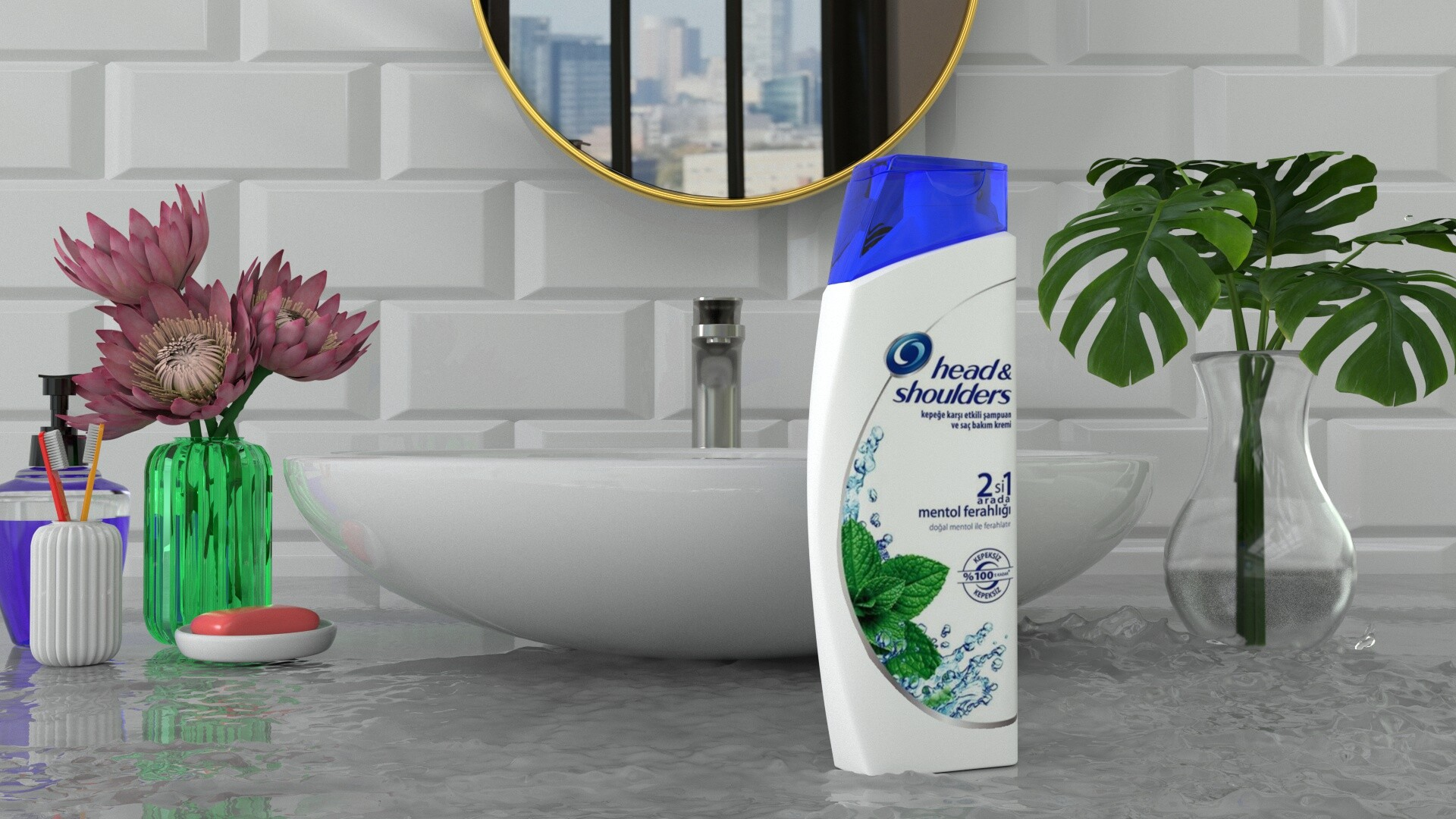
Evaluating Head & Shoulders Haircare Scalp Care Facts provides essential technical data for B2B personal care buyers, cosmetic chemists, dermatological suppliers, and retail category directors. Understanding the antifungal chemistry, scalp microbiome balance, active deposition mechanics, and safety metrics of Head & Shoulders is critical when evaluating product performance, variant positioning, and regulatory compliance for international distribution.
Head & Shoulders represents one of the world’s most clinically researched scalp care brands. Built upon continuous dermatological research since its launch in 1961, Head & Shoulders formulations combine active antifungal agents with conditioning lipids and scalp-soothing botanical extracts. This technical guide analyzes the chemical, physical, and dermatological facts governing Head & Shoulders formulations.
Table of Contents
- The Scientific Origin and Clinical History of Head & Shoulders
- Scalp Microbiome Mechanics: Malassezia Yeast and Sebum Breakdown
- Active Antifungal Chemistry: ZPT vs. Piroctone Olamine
- Micro-Zinc Deposition Technology and Scalp Barrier Restoration
- Quality Control Testing, Safety Certifications, and Shelf-Life Physics
- Frequently Asked Questions (FAQ)

1. The Scientific Origin and Clinical History of Head & Shoulders
Procter & Gamble scientists began research in 1949 to engineer a revolutionary synthetic shampoo that could eliminate dandruff without harming hair texture. In 1961, P&G introduced Head & Shoulders in the United States, utilizing Zinc Pyrithione (ZPT) as its active anti-dandruff agent.
Over six decades, Head & Shoulders published over 220 independent clinical studies in global dermatological journals, establishing the connection between scalp microbiome health, fungal overgrowth, and hair strength.
2. Scalp Microbiome Mechanics: Malassezia Yeast and Sebum Breakdown
Dandruff is a chronic scalp disorder affecting over 50% of the global adult population. It is driven by the interaction of three factors:
[Scalp Sebum Secretion] + [Malassezia Globosa Overgrowth]
                                   │
                                   ▼
                [Oleic Acid Metabolite Production]
                                   │
                                   ▼
           [Epidermal Barrier Inflammation & Cell Turnover]
                                   │
                                   ▼
                   [Visible Flaking & Severe Itching]
- Scalp Sebum Secretion: Sebaceous glands on the scalp secrete lipid-rich sebum to lubricate hair shafts.
- Malassezia Globosa Proliferation: Malassezia globosa—a naturally occurring lipophilic yeast—feeds on scalp sebum triglycerides, splitting them into free fatty acids.
- Oleic Acid Irritation: Malassezia consumes specific saturated fatty acids, leaving behind Oleic Acid as a metabolic byproduct. In sensitive scalps, oleic acid penetrates the epidermal barrier, triggering rapid cell shedding (dandruff flakes) and itchiness.

3. Active Antifungal Chemistry: ZPT vs. Piroctone Olamine
Head & Shoulders Haircare Scalp Care Facts neutralizes scalp flaking by suppressing Malassezia yeast proliferation:
Zinc Pyrithione (ZPT) Mechanics
Zinc Pyrithione disrupts fungal cell membrane transport mechanisms by depolarizing the cell membrane and depleting intracellular copper/iron levels, halting yeast respiration and cellular division.
Piroctone Olamine Mechanics
Piroctone Olamine is an organic hydroxamic acid derivative that chelates iron ions ($Fe^{2+}/Fe^{3+}$) within fungal mitochondria, inhibiting energy metabolism and stopping yeast cell growth.
4. Micro-Zinc Deposition Technology and Scalp Barrier Restoration
Modern Head & Shoulders formulas do not merely wash active ingredients down the drain during rinsing; they incorporate Micro-Zinc Deposition Technology.
Zinc Carbonate Sub-Micron Particles
Head & Shoulders contains micro-fine Zinc Carbonate particles that deposit into microscopic scalp pores and hair follicle openings during washing. This creates a protective reservoir that continues releasing active antifungal protection for days after washing.
Scalp pH and Moisture Barrier Restoration
Formulated to a scalp-compatible pH range of 5.5 to 6.5, Head & Shoulders cleanses without stripping essential scalp moisture. Enriched with conditioning dimethicone, it hydrates irritated scalp tissue and reduces Transepidermal Water Loss (TEWL).
5. Quality Control Testing, Safety Certifications, and Shelf-Life Physics
Head & Shoulders shampoo undergoes rigorous analytical testing prior to export release:
- Microbiological Quality Control: Every production lot is tested to verify zero contamination from pathogenic microorganisms (Pseudomonas, Staphylococcus, yeast, or molds).
- Dermatological Patch Testing: Formulations undergo clinical human patch testing to verify non-irritating, safe performance on normal and sensitive scalps.
- Active Antifungal Assay: High-Performance Liquid Chromatography (HPLC) testing verifies exact active ingredient concentration (ZPT or Piroctone Olamine) meets statutory labeling claims.
- Factory Shelf Life: Unopened products carry an official shelf life of 30 to 36 months from the manufacturing date under ambient storage conditions.
Head & Shoulders Scalp Care Facts FAQ
Disclaimer: Unless otherwise stated, the images used in this article are the property of their respective owners. We do not claim ownership of any third-party images featured, and they are used here strictly for informational and educational purposes. If you are the copyright holder and wish to have an image removed, please contact us.