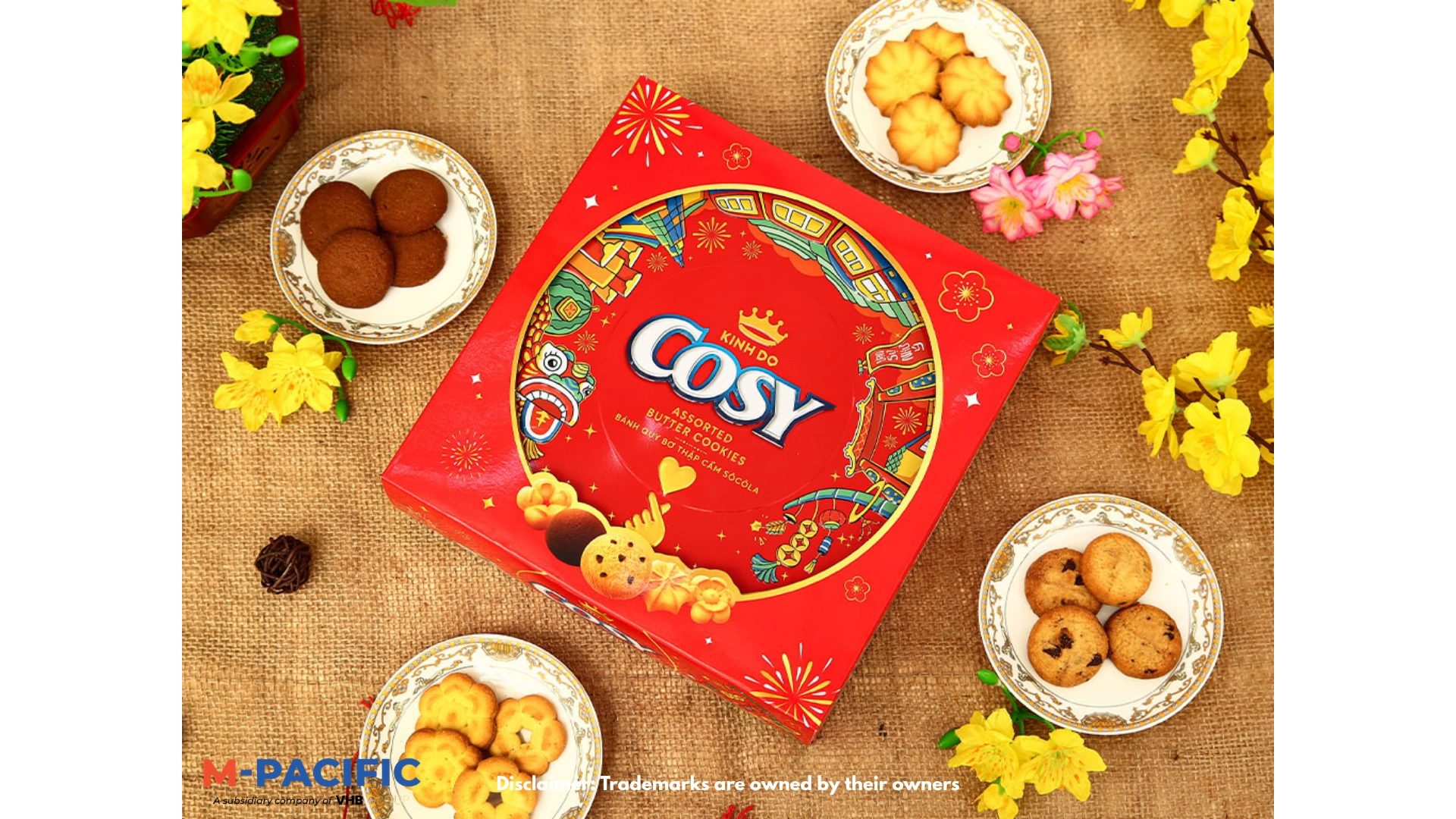
Evaluating Cosy Biscuits Bakery Facts provides essential technical data for B2B food buyers, commercial bakery managers, product developers, and retail category directors. Understanding the wheat flour gluten development, fat shortening mechanics, Maillard browning reactions, and crispness retention of Cosy biscuits is critical when evaluating baking quality, flavor profiles, and regulatory compliance for international distribution.
Cosy represents one of Southeast Asia’s most technically refined commercial biscuit brands. Produced under Mondelēz International’s global baking standards, Cosy formulations combine selected wheat flours with natural butter fats, vegetable shortenings, and controlled oven baking profiles. This technical guide analyzes the chemical, physical, and sensory facts governing Cosy biscuit formulations.
Table of Contents
- Wheat Flour Gluten Physics and Dough Rheology
- Shortening Fat Mechanics and Laminated Texture Development
- Sugar Caramelization, Maillard Browning, and Oven Baking Chemistry
- Comparative Analysis of Core Cosy Baking Lines
- Quality Control Standards, Allergen Disclosures, and Shelf-Life Physics
- Frequently Asked Questions (FAQ)

1. Wheat Flour Gluten Physics and Dough Rheology
The structural foundation of Cosy Biscuits Bakery Facts depends on selecting wheat flour with precise protein (gluten) levels tailored to specific biscuit categories:
Soft Wheat Flour for Sweet Biscuits (Cosy Marie / Butter Cookies)
Sweet biscuits require soft wheat flour with low protein content (7.0% to 9.0% gluten). Low gluten development prevents elasticity in the dough, allowing flat sheet molding without dough shrink-back and yielding a short, tender, crumbly texture upon baking.
Hard Wheat Flour for Crackers (Cosy Sesame Crackers)
Savory crackers require medium-hard wheat flour (10.0% to 11.5% gluten). Controlled gluten matrix development allows the dough to be laminated into thin, multi-layered sheets that trap expanding steam during baking, creating flaky, crispy layers.
2. Shortening Fat Mechanics and Laminated Texture Development
Fats (butter and vegetable shortenings) perform essential structural functions in commercial biscuit baking:
[Flour Proteins + Water + Shortening Fat]
                   │
                   ▼
[Fat Coats Flour Particles (Gluten Coating)]
                   │
                   ▼
[Inhibits Tough Gluten Network Formation]
                   │
                   ▼
[Tender, Flaky, Crispy Baked Biscuit Structure]
Shortening Effect
Fat coats individual flour particles during dough mixing, creating a hydrophobic barrier that limits water absorption by gluten proteins. This “shortens” the dough, preventing tough chewiness and creating a tender, crispy bite.
Layer Lamination in Crackers
In Cosy Crackers, solid fat layers are folded between dough sheets. During oven baking, water in the dough turns to steam, pushing the dough layers apart while the fat holds the structure, creating a light, flaky cracker texture.
3. Sugar Caramelization, Maillard Browning, and Oven Baking Chemistry
Cosy biscuits pass through multi-zone continuous gas tunnel ovens operated at temperatures ranging from 180°C to 260°C (356°F to 500°F) across a 6 to 10-minute baking cycle:
Zone 1: Dough Expansion (Spring)
Chemical leavening agents (sodium bicarbonate and ammonium bicarbonate) decompose under heat, releasing carbon dioxide ($CO_2$) and ammonia gas that expand air cells within the dough.
Zone 2: Structure Setting and Dehydration
Proteins coagulate and starches gelatinize, locking in the biscuit structure while internal moisture evaporates from 30% down to under 2.0%.
Zone 3: Maillard Browning and Aroma Generation
Reducing sugars (dextrose) react with flour proteins in high-heat zones, generating golden-brown surface colors and sweet, roasted aromatic compounds characteristic of fresh butter cookies and Marie biscuits.
4. Comparative Analysis of Core Cosy Baking Lines
The following matrix compares primary functional components and texture profiles across core Cosy biscuit lines:
| Cosy Product Line | Flour Protein Target | Fat Source | Texture & Structure Profile | Primary Usage Occasion |
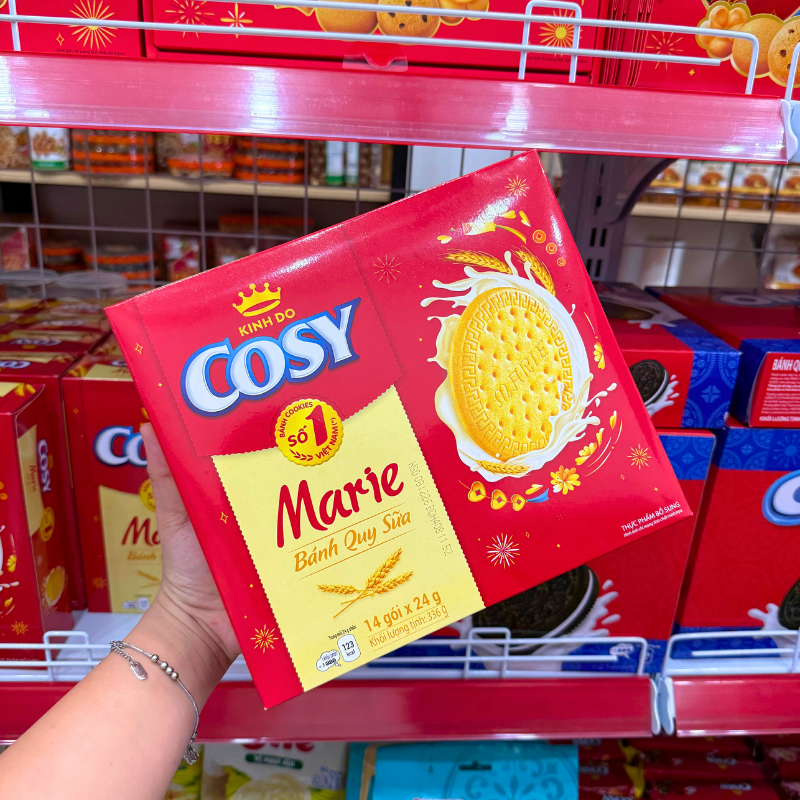
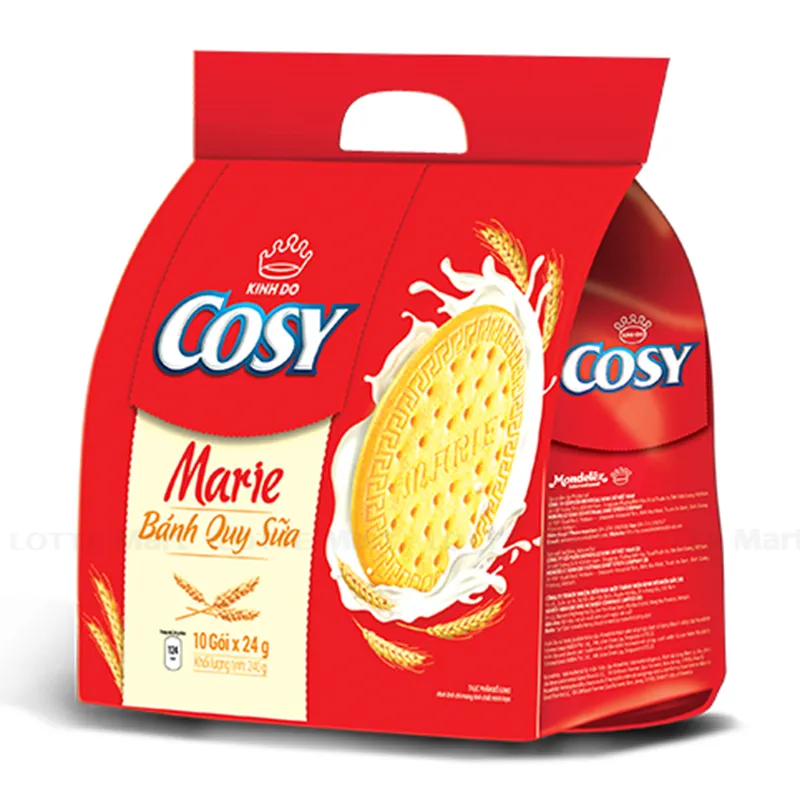
| Cosy Marie | Soft Wheat (7.5% – 8.5%) | Vegetable Shortening & Milk | Firm, light crunch; ideal for dipping | Daily tea & coffee dipping |
| Cosy Butter Cookies | Low Protein (7.0% – 8.0%) | Real Butter & Vegetable Oils | Short, melt-in-mouth crumbly texture | Seasonal holiday gifting |
| Cosy Sesame Cracker | Hard Wheat (10.0% – 11.0%) | Vegetable Shortening & Sesame | Multi-layer flaky crunch, savory note | Savory snack pairing |
| Cosy Sandwich Cream | Soft Wheat (8.0% – 9.0%) | Shortening & Cocoa Solids | Crispy sweet shell with smooth cream | Impulse snack & lunch boxes |
5. Quality Control Standards, Allergen Disclosures, and Shelf-Life Physics
Cosy biscuits undergo strict analytical quality testing prior to export release:
- Microbiological Quality Control: Tested to guarantee zero contamination from pathogenic bacteria, yeast, or molds.
- Allergen Declarations: Contains wheat gluten, milk solids, soy lecithin, and sesame (in cracker lines). May contain traces of eggs or tree nuts. Clear labeling complies with international allergen laws.
- Factory Shelf Life: Unopened foil-wrapped biscuits and cookie tins maintain an official shelf life of 12 to 15 months when stored below 25°C and 60% Relative Humidity.
Cosy Biscuits Bakery Facts FAQ
Disclaimer: Unless otherwise stated, the images used in this article are the property of their respective owners. We do not claim ownership of any third-party images featured, and they are used here strictly for informational and educational purposes. If you are the copyright holder and wish to have an image removed, please contact us.