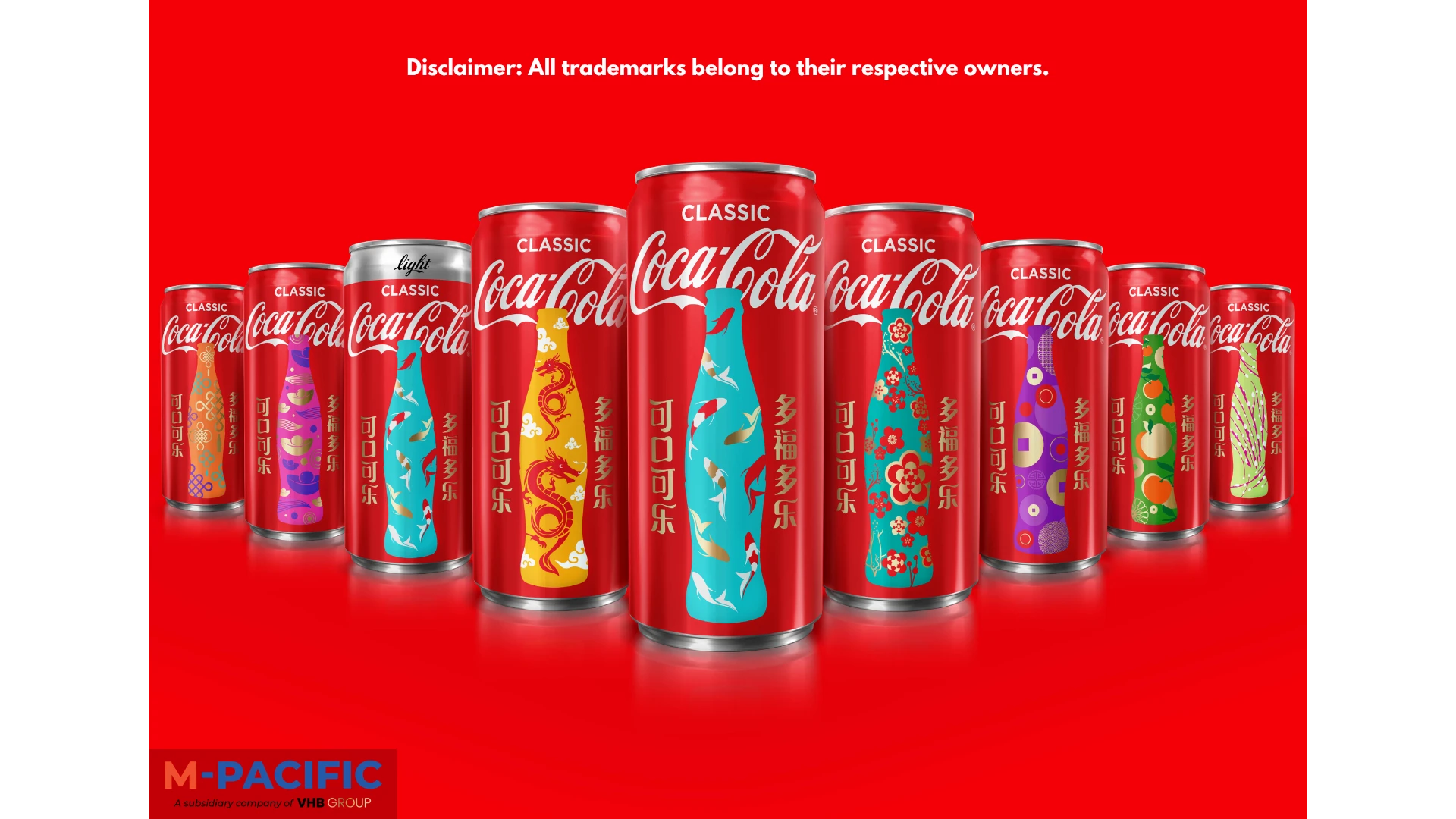
Analyzing the Chinese Coca-Cola Soft Drink Distribute Channel network provides a detailed roadmap for moving Chinese-manufactured Coca-Cola from master franchise bottling plants in China to global supermarket chains, traditional Asian grocery stores, and urban food service networks. Building a resilient Route-to-Market (RTM) strategy requires navigating multi-tiered distribution layers—including ocean freight logistics, dry ambient warehousing, Asian grocery redistribution, and parallel trade execution.
Optimizing these channels enables procurement directors and logistics managers at M-Pacific to lower landed freight costs, manage inventory turnover, prevent container sweat damage, and maximize gross profit margins across diverse retail outlets.
Table of Contents
- Analyzing the Multi-Tiered Chinese Coca-Cola Route-to-Market Architecture
- Direct Franchise Bottling Distribution vs. Parallel Export Channels
- Retail Channel Matrix: Asian Grocery, Modern Trade, and Food Service
- Asian Grocery Capillary Redistribution Networks
- Warehousing Controls, Temperature Management, and Inventory Velocity
- Frequently Asked Questions (FAQ)
1. Analyzing the Multi-Tiered Chinese Coca-Cola Route-to-Market Architecture
Coca-Cola’s manufacturing and export network in China operates across four primary structural layers:
[COFCO / Swire Bottling Plants (Mainland China)]
                       │
                       ▼
   [Primary Export Packaging & Logistics Hub]
    (330ml Sleek Cans, 200ml Mini Cans, PET)
                       │
       ┌───────────────┴───────────────┐
       ▼                               ▼
[Domestic China Distribution]   [FMCG Import Consolidators]
 (COFCO/Swire Regional DCs)      (M-Pacific Wholesale Network)
       │                               │
       ▼                               ▼
[Domestic China Retail]         [International Asian Groceries & Dining]
- Primary Manufacturing Stage: COFCO and Swire Coca-Cola bottling plants process, fill, double-seam, and shrink-wrap trays for domestic dispatch or international export.
- Master Import & Tier-1 Wholesale Stage: International master importers and FMCG consolidators like M-Pacific import full container loads (40ft High Cube) of Chinese Coca-Cola, managing customs clearance, over-stickering, warehousing, and trade financing.
- Secondary Redistribution Stage: Tier-1 distributors supply regional sub-wholesalers, cash-and-carry hubs, and Asian grocery suppliers.
- Last-Mile Retail Execution: Product flows into Asian supermarket shelves, Chinese restaurant networks, bubble tea shops, and e-commerce platforms.
2. Direct Franchise Bottling Distribution vs. Parallel Export Channels
Chinese Coca-Cola moves through two distinct commercial channels:
Domestic China Franchise Distribution
COFCO and Swire operate dedicated Direct Store Delivery (DSD) fleets servicing millions of retail stores across mainland China.
- Focus: Domestic retail fulfillment governed by territorial franchise agreements.
International Parallel Trade Export Channel
Independent exporters and FMCG consolidators like M-Pacific source authentic Chinese Coca-Cola stock from primary bottling networks and export full container loads to international markets.
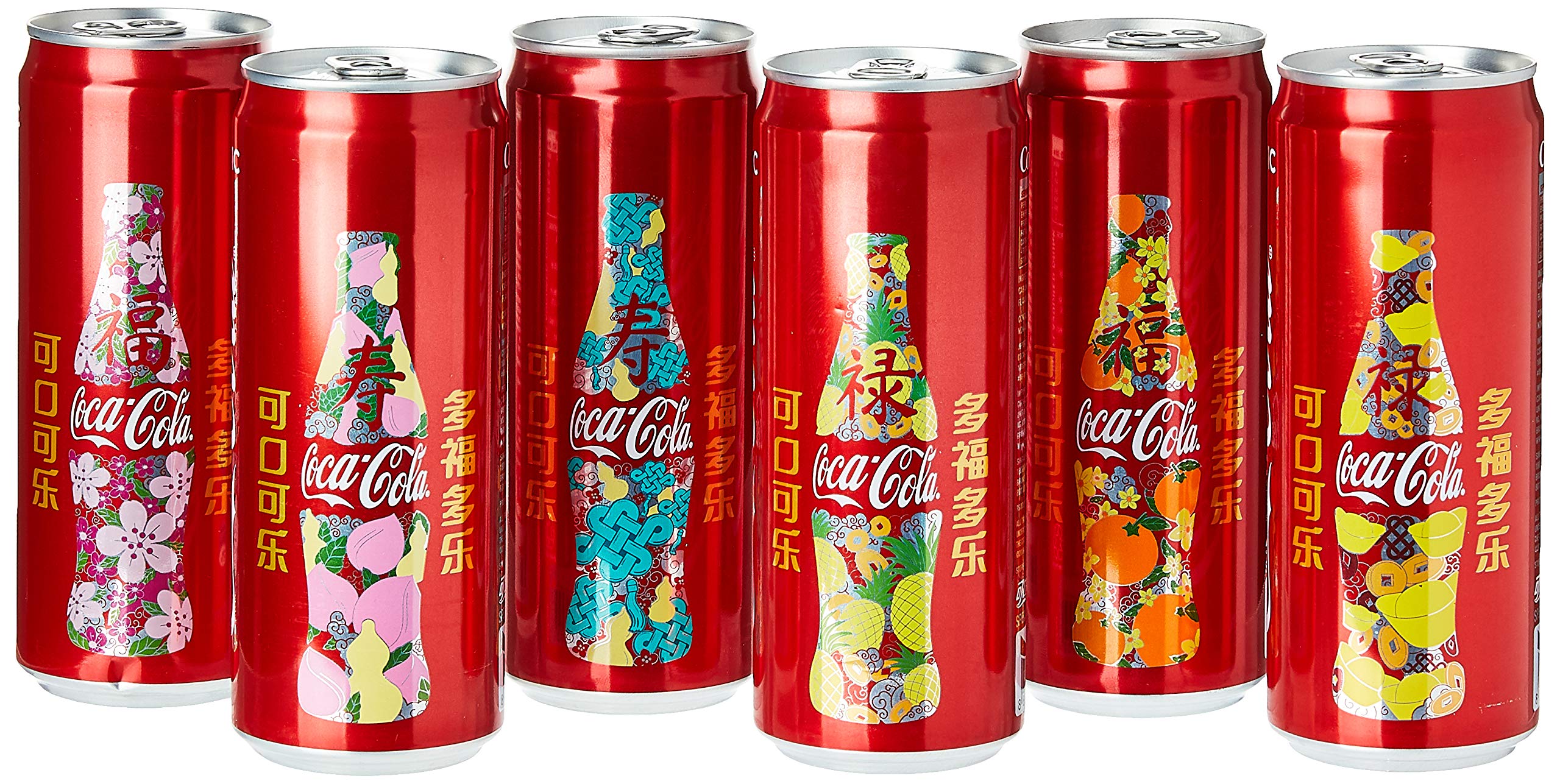
- Focus: Capitalizing on international consumer demand for Chinese-character sleek aluminum cans and competitive FOB pricing.
3. Retail Channel Matrix: Asian Grocery, Modern Trade, and Food Service
Different retail channels require tailored logistics setups, packaging formats, and delivery frequencies:
| Retail Channel | Target Outlets | Dominant SKUs | Delivery Model | Relative Gross Margin |
| Asian Grocery Trade | Traditional Asian Supermarkets | 330ml Sleek Cans (Red) | FCL Ocean / Sub-Wholesalers | High Volume Niche Margin |
| Modern Trade | Mainstream Supermarket Chains | 330ml Cans / 500ml PET | Central Warehouse FTL / FCL | Standard Volume Margins |
| Asian Food Service | Chinese Restaurants & Boba Shops | 330ml Sleek Cans, Mini Cans | Food Service Distributors | High Service Margin |
4. Asian Grocery Capillary Redistribution Networks
In international export markets across North America, Europe, Australia, and the Middle East, Asian grocery stores represent the primary distribution engine for Chinese Coca-Cola Soft Drink Distribute Channel:
Capillary Sub-Wholesaler Networks
Master distributors partner with localized sub-wholesalers operating in dense urban Asian commercial hubs (such as Chinatown or Little Asia districts). These sub-wholesalers deliver shrink trays of Chinese Coca-Cola directly to independent grocery store owners and Asian restaurants.
5. Warehousing Controls, Temperature Management, and Inventory Velocity
Maintaining carbonated beverage quality across warehouse networks requires systematic environmental controls:
- Ambient Storage Envelope: Chinese Coca-Cola is shelf-stable. Warehouses must maintain temperatures between 15°C and 25°C (59°F to 77°F) in dry, sheltered conditions away from direct sunlight. Storing above 40°C increases internal gas pressure and accelerates sweetener breakdown over time.
- Preventing Container Sweat: When moving ocean containers from cold sea transit to warm tropical import ports, humidity can condense on steel container ceilings (“container sweat”). Importers use cardboard ceiling liners to protect shrink trays from moisture damage.
Chinese Coca-Cola Distribution Channel FAQ
Disclaimer: Unless otherwise stated, the images used in this article are the property of their respective owners. We do not claim ownership of any third-party images featured, and they are used here strictly for informational and educational purposes. If you are the copyright holder and wish to have an image removed, please contact us.