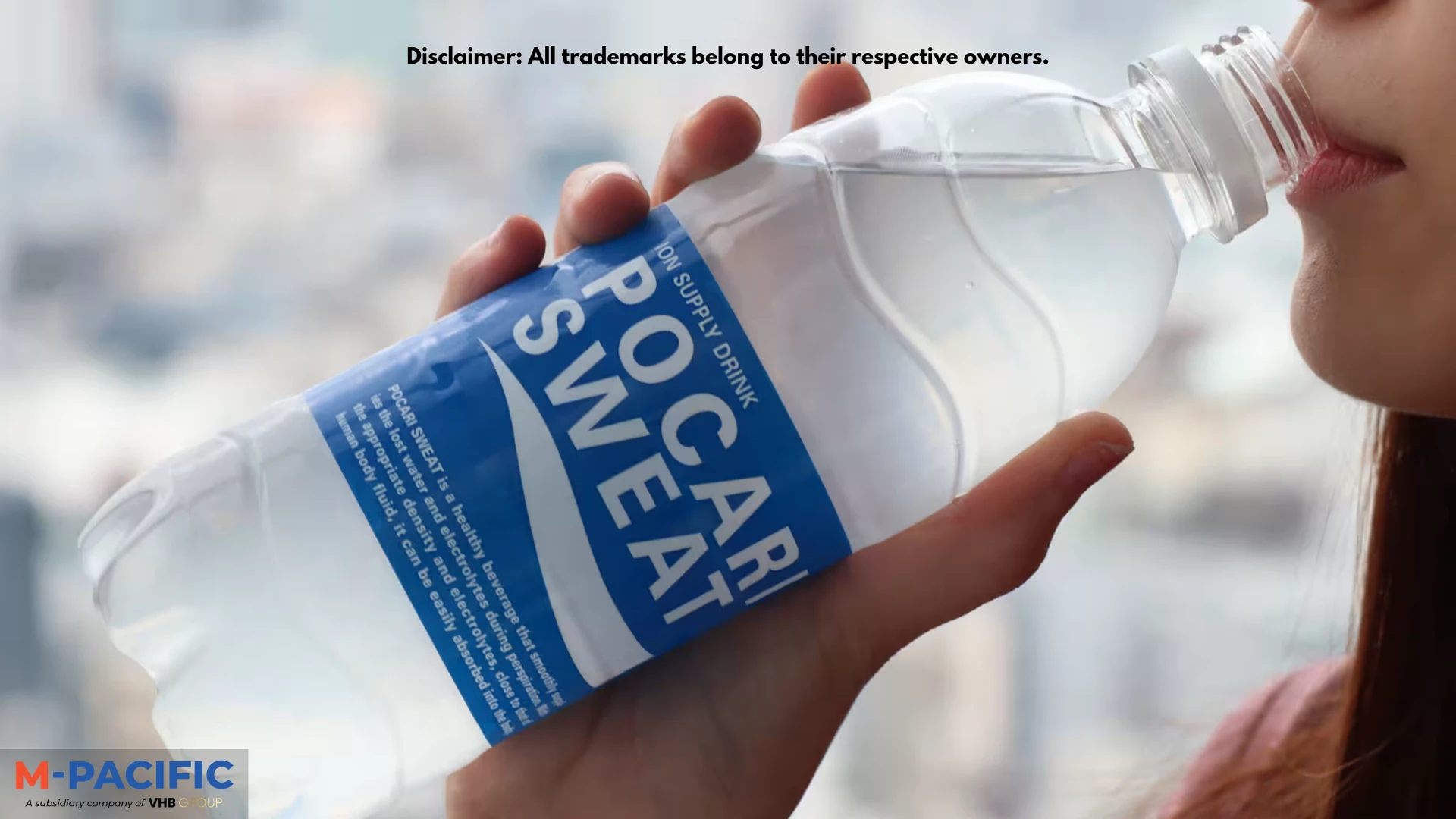
Evaluating Japanese Pocari Sweat Drink Electrolyte Facts provides essential technical data for B2B beverage buyers, sports nutritionists, medical supply directors, and retail category managers. Understanding the isotonic osmolality calibration, electrolyte ion concentration, fluid retention physics, and heat-stress recovery science of Pocari Sweat is critical when evaluating functional drink performance and regulatory compliance for international distribution.
Pocari Sweat represents one of the world’s most scientifically researched functional rehydration beverages. Developed in 1980 by Otsuka Pharmaceutical in Japan, Pocari Sweat was engineered by medical researchers seeking a drinkable IV solution to replace fluids lost through sweat. This technical guide analyzes the chemical, physical, and physiological facts governing Pocari Sweat formulations.
Table of Contents
- The Pharmaceutical Origin and Medical Science of Pocari Sweat
- Isotonic Osmolality vs. Hypertonic Soft Drinks
- Electrolyte Ion Concentration Matrix (Na+, K+, Ca2+, Mg2+)
- Carbohydrate Transport Science and Water Absorption Rates
- Quality Standards, Safety Testing, and Shelf-Life Physics
- Frequently Asked Questions (FAQ)
1. The Pharmaceutical Origin and Medical Science of Pocari Sweat
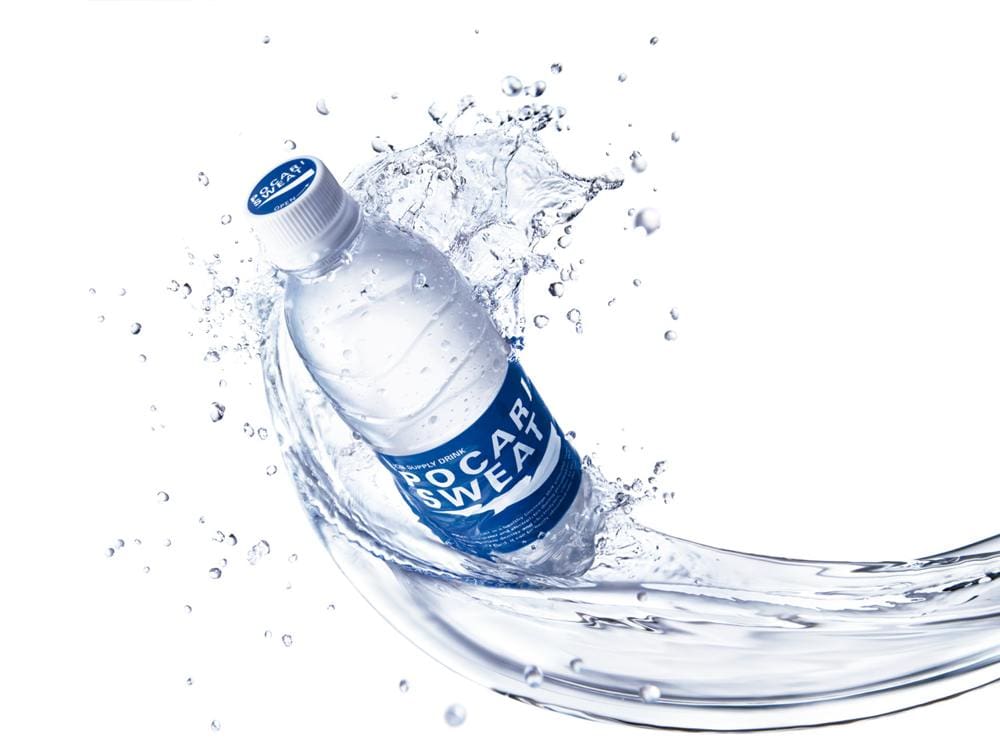
Pocari Sweat was created in 1980 by Otsuka Pharmaceutical researcher Akihiko Rokkaku. Inspired by hospital intravenous (IV) saline solutions used to rehydrate patients, Rokkaku set out to develop a drinkable “IV solution” that could be consumed orally to replace water and electrolytes lost during physical labor, sports, or illness.
Otsuka’s medical team analyzed human sweat compositions under various thermal conditions, formulating Pocari Sweat with exact mineral ion balances matching human perspiration.
2. Isotonic Osmolality vs. Hypertonic Soft Drinks
The rehydration efficiency of Pocari Sweat relies on its isotonic osmolality:
[Hypertonic Soft Drinks (> 400 mOsm/kg)]  ──► Draws Water OUT of Bloodstream (Slow Hydration)
[Pure Plain Water (0 mOsm/kg)]            ──► Dilutes Blood Plasma (Causes Frequent Urination)
[Pocari Sweat Isotonic (280-300 mOsm/kg)] ──► Absorbs INSTANTLY into Bloodstream (Optimal Hydration)
- Hypertonic Beverages (High Sugar Sodas & Juices): Possess high solute concentration (> 400 mOsm/kg). When consumed, hypertonic liquids draw water out of body tissues into the gut via osmosis, delaying dehydration recovery.
- Isotonic Pocari Sweat (280 to 300 mOsm/kg): Matches blood plasma osmolality exactly. Fluid moves rapidly across intestinal walls into the bloodstream without osmotic delay.
3. Electrolyte Ion Concentration Matrix (Na+, K+, Ca2+, Mg2+)
Pocari Sweat contains a precise balance of cations and anions essential for human physiological function:
| Electrolyte Ion | Concentration (mEq/L) | Biological Hydration Role |
| Sodium (Na+) | 21 mEq/L | Triggers intestinal glucose-water co-transport & retains plasma volume. |
| Potassium (K+) | 5 mEq/L | Restores intracellular fluid balance & prevents muscle cramping. |
| Calcium (Ca2+) | 1 mEq/L | Supports neuromuscular transmission & muscle contraction. |
| Magnesium (Mg2+) | 0.5 mEq/L | Regulates cellular energy metabolism & electrolyte balance. |
4. Carbohydrate Transport Science and Water Absorption Rates
Pocari Sweat Drink Electrolyte Facts contains a mild 5.5% carbohydrate blend (citric acid, juice, glucose, and sucrose).
Sodium-Glucose Co-Transport (SGLT1)
In the small intestine, water absorption is accelerated by the SGLT1 (Sodium-Glucose Cotransporter) protein. SGLT1 actively pumps two sodium ions (Na+) and one glucose molecule across the intestinal lining. This molecular pump creates an osmotic gradient that drags water molecules rapidly through the intestinal wall into the bloodstream.

5. Quality Standards, Safety Testing, and Shelf-Life Physics
Pocari Sweat undergoes strict pharmaceutical-grade quality testing:
- Microbiological Quality Control: Aseptic filling technology ensures zero bacterial contamination without requiring artificial chemical preservatives.
- Factory Shelf Life: Unopened RTD PET bottles and cans maintain an official shelf life of 12 months when stored under ambient conditions.
Pocari Sweat Electrolyte Science FAQ
Disclaimer: Unless otherwise stated, the images used in this article are the property of their respective owners. We do not claim ownership of any third-party images featured, and they are used here strictly for informational and educational purposes. If you are the copyright holder and wish to have an image removed, please contact us.