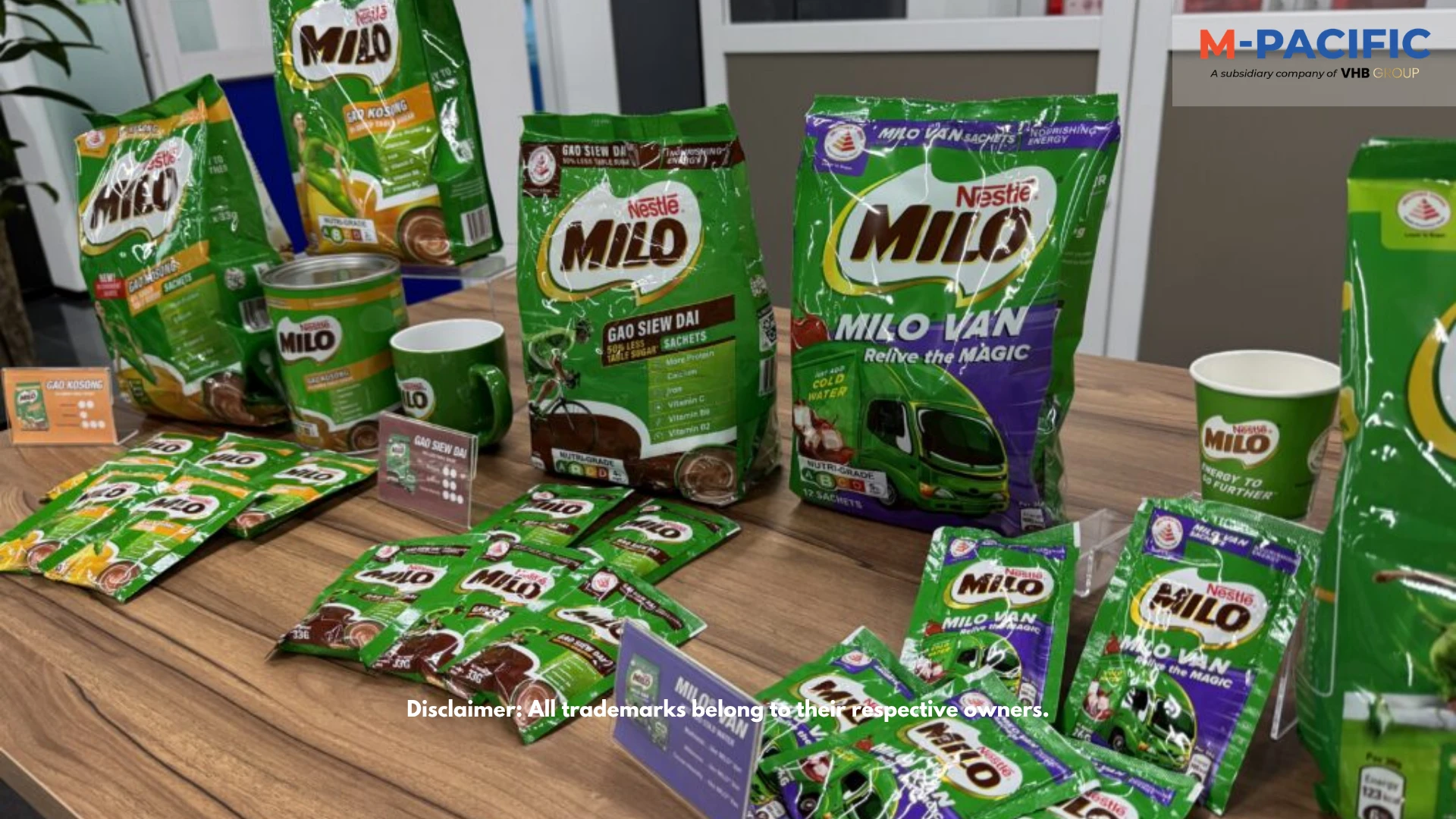
Establishing authentic Malaysian Milo Malt Powder Sourcing Origin provides commercial importers with supply chain transparency, quality assurance, and official customs compliance documentation. As detailed in our foundation guide on Malaysian Milo Malt Powder Wholesale, authentic Malaysian Milo is produced in Malaysia by Nestlé (Malaysia) Berhad. Sourcing directly from Malaysia guarantees fresh production runs, authentic formulation, and official JAKIM Halal certification.
This guide provides an operational overview of Milo manufacturing facilities in Malaysia, export port operations, and origin verification documentation.
Table of Contents
- Nestlé Manufacturing Heritage in Malaysia
- Chembong Facility: The World’s Largest Milo Production Plant
- Export Logistics: Shipping from Port Klang
- Verifying Genuine Malaysian Origin Documentation
- Frequently Asked Questions
Nestlé Manufacturing Heritage in Malaysia
Nestlé established operations in Malaysia in 1912 and began local production of Milo in 1950. Over decades of continuous investment, Nestlé Malaysia tailored Milo’s formula to regional preferences, turning Malaysia into the global manufacturing hub for Milo powder.
For further history on Nestlé’s Malaysian operations, consult Wikipedia’s Milo entry.
Chembong Facility: The World’s Largest Milo Production Plant
Authentic Malaysian Milo Malt Powder Sourcing Origin centers on Nestlé’s Chembong complex in Negeri Sembilan, Malaysia. Recognized as the largest Milo manufacturing plant in the world, this facility satisfies strict international standards:
- ISO 9001 & ISO 22000: Quality and food safety management system certifications.
- HACCP & FSSC 22000: Hazard analysis and critical control point manufacturing protocols.
- JAKIM Halal Certification: Officially certified by the Department of Islamic Development Malaysia (JAKIM), recognized globally across Muslim markets.

Export Logistics: Shipping from Port Klang
All commercial Milo shipments originating from Nestlé Malaysia are dispatched via Malaysia’s primary seaport:
- Port Klang (MYPKG – Northport / Westport): Located in Selangor state, Port Klang is Malaysia’s main maritime container hub handling deep-sea connections to Europe, North America, the Middle East, and Asia.
Working with an experienced FMCG wholesale exporter ensures fast vessel booking and correct customs filing at Port Klang.
Verifying Genuine Malaysian Origin Documentation
To confirm authentic origin for customs clearance, importers must secure four official documents:
- Certificate of Origin (COO): Issued by the Malaysian Ministry of International Trade and Industry (MITI).
- JAKIM Halal Certificate: Official Halal document issued by Malaysian Islamic authorities.
- Export Health Certificate: Issued by the Ministry of Health Malaysia.
- Bill of Lading: Indicating Port Klang (MYPKG) as the port of loading.
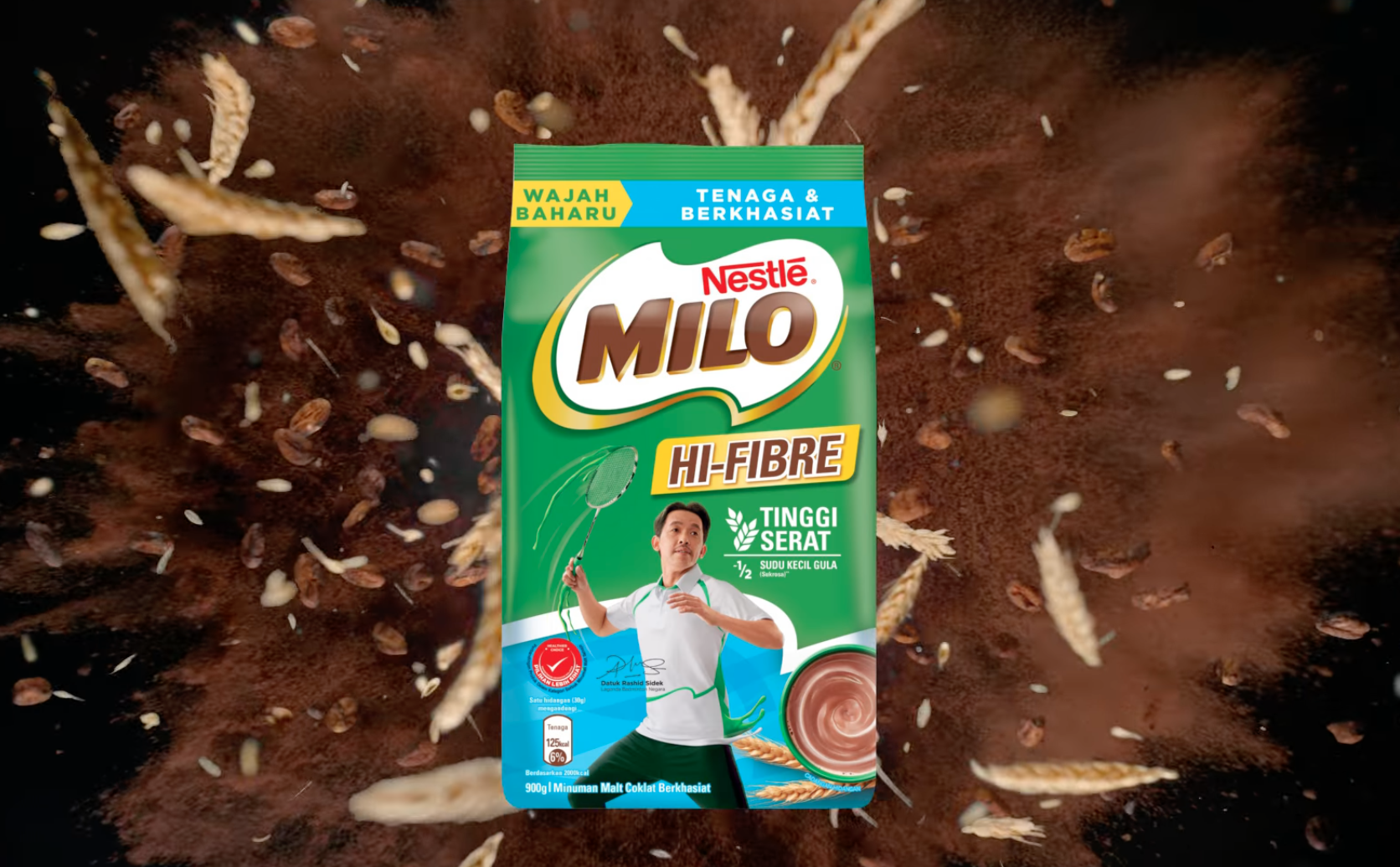
Summary of Origin Specification Metrics
| Parameter | Official Specification |
| Manufacturer | Nestlé (Malaysia) Berhad |
| Manufacturing Facility | Chembong Complex, Negeri Sembilan, Malaysia |
| Export Port of Loading | Port Klang (MYPKG), Selangor, Malaysia |
| Halal Certification | JAKIM (Department of Islamic Development Malaysia) |
| HS Code Classification | HS 1901.90 (Malt Extract & Food Preparations of Cocoa) |
Malaysian Milo Sourcing Origin FAQ
Disclaimer: Unless otherwise stated, the images used in this article are the property of their respective owners. We do not claim ownership of any third-party images featured, and they are used here strictly for informational and educational purposes. If you are the copyright holder and wish to have an image removed, please contact us.