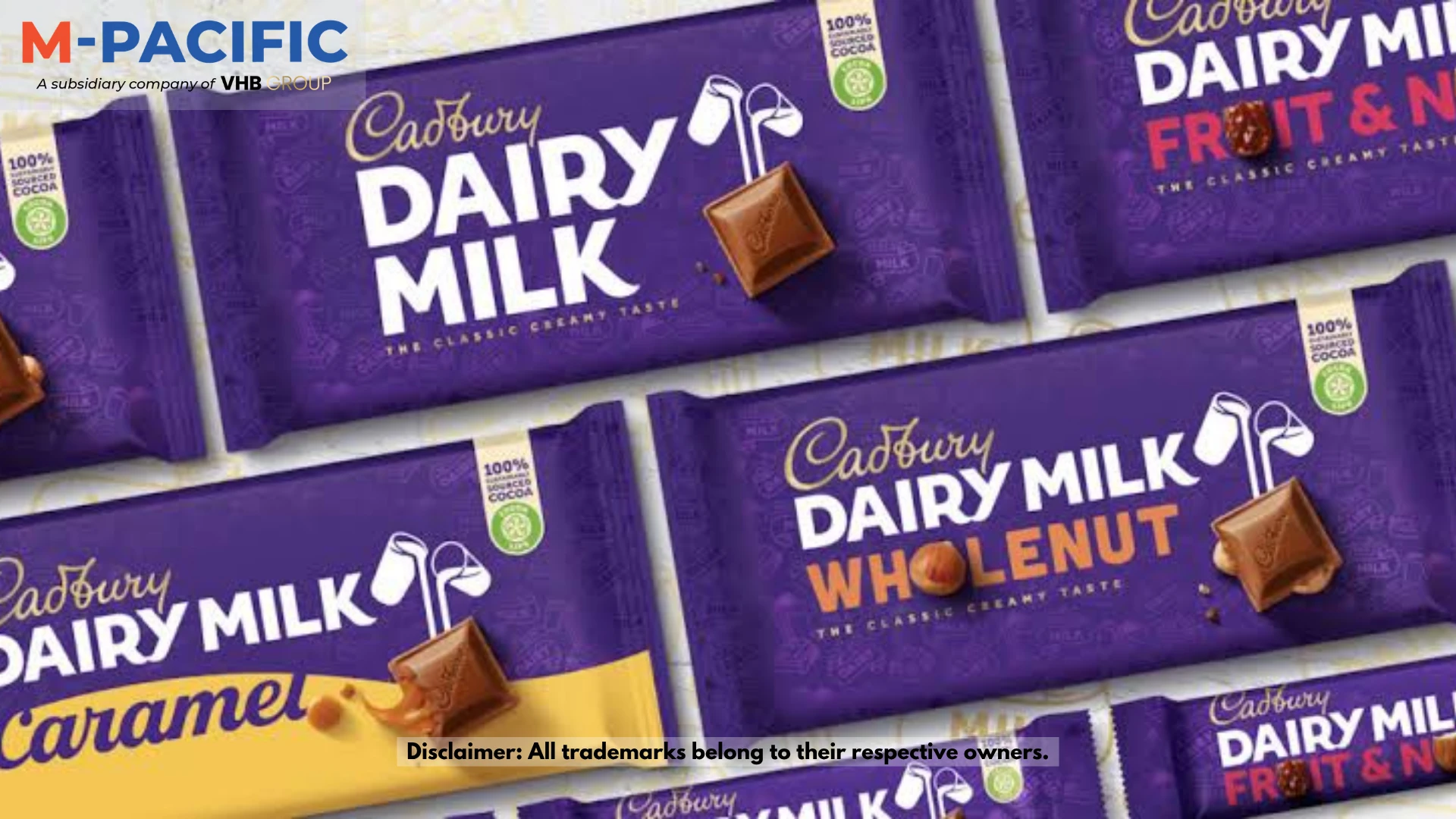
Sourcing Malaysian Cadbury Chocolate Bulk inventory provides international supermarket chains, regional convenience store networks, specialized confectionery distributors, and FMCG trading partners with an essential, high-margin revenue engine in the fast-moving sweet snack category. Manufactured under the massive global Mondelēz International portfolio in their advanced Malaysian production facilities (specifically the Shah Alam hub), these highly sought-after chocolate bars are globally renowned for their rich “Dairy Milk” profile and, crucially, their strict JAKIM Halal certification, distinguishing them as a highly reliable staple in the global ethnic and Islamic confectionery market.
For B2B procurement managers and supply chain directors working with distribution partners, managing full container load (FCL) consignments of wholesale Cadbury requires carefully evaluating product collection variants (Dairy Milk, Hazelnut, Roast Almond), specific packaging configurations (160g blocks vs. 40g impulse bars), master carton yields, ocean container temperature limits (requiring refrigerated transit), and international food safety clearance protocols. This technical guide evaluates the operational, financial, and logistical frameworks necessary to establish a highly profitable import and distribution model for these globally demanded chocolates.
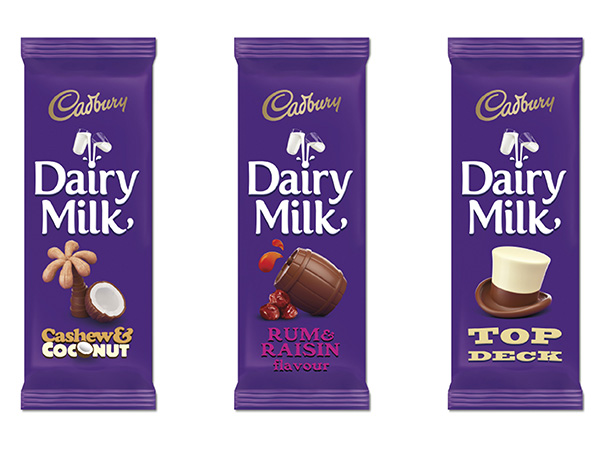
Table of Contents
- Global Market Demand for Halal Confectionery
- Product Portfolio Breakdown
- Chocolate Manufacturing Chemistry
- Packaging Configurations and Freight Density
- B2B Sourcing Pathways for Malaysian Cadbury Chocolate Bulk
- Landed Cost Calculation Framework
- Import Compliance, Harmonized System Codes, and Customs Documentation
- Conclusion
Global Market Demand for Halal Confectionery
The global chocolate market is undergoing a significant expansion, heavily driven by consumer demand for affordable, highly flavorful, and culturally compliant snacking options. The unique regional manufacturing of Malaysian Cadbury commands a fiercely loyal market share across Asia and the Middle East, offering massive export potential due to its official Halal status, which unlocks massive consumer demographics in Western and European markets.
Growth Drivers in the Market
The exponential growth in the Asian chocolate sector is driven by shifting consumer palates and strict dietary adherence. Consumers consistently pivot toward established, recognizable legacy brands (like Cadbury) that guarantee both taste and religious compliance. The robust, highly creamy flavor profiles appeal to traditional chocolate consumers while simultaneously capturing demographics that strictly require Halal-certified ingredients.
Commercial Advantages
Adding this inventory to a B2B distribution catalog delivers distinct commercial advantages:
- Unmatched Brand Authority: Backed by Mondelēz’s massive global brand recognition, generating immediate pre-sold consumer trust and rapid retail velocity.
- Halal Certification Advantage: Malaysian Cadbury avoids the ingredient controversies that occasionally affect European-manufactured chocolates, ensuring barrier-free entry into Islamic markets.
- Premium Import Margin Value: Because the Southeast Asian FMCG supply chain is highly optimized, the Free On Board (FOB) acquisition costs are extremely competitive, yielding excellent gross profit margins per ocean container.
Product Portfolio Breakdown
Curating an optimal inventory mix requires selecting the right combination of flavors tailored to target consumer consumption habits and retail demographics.
Core Product SKUs
When structuring a container load, these core SKUs form the foundation of any successful procurement strategy:
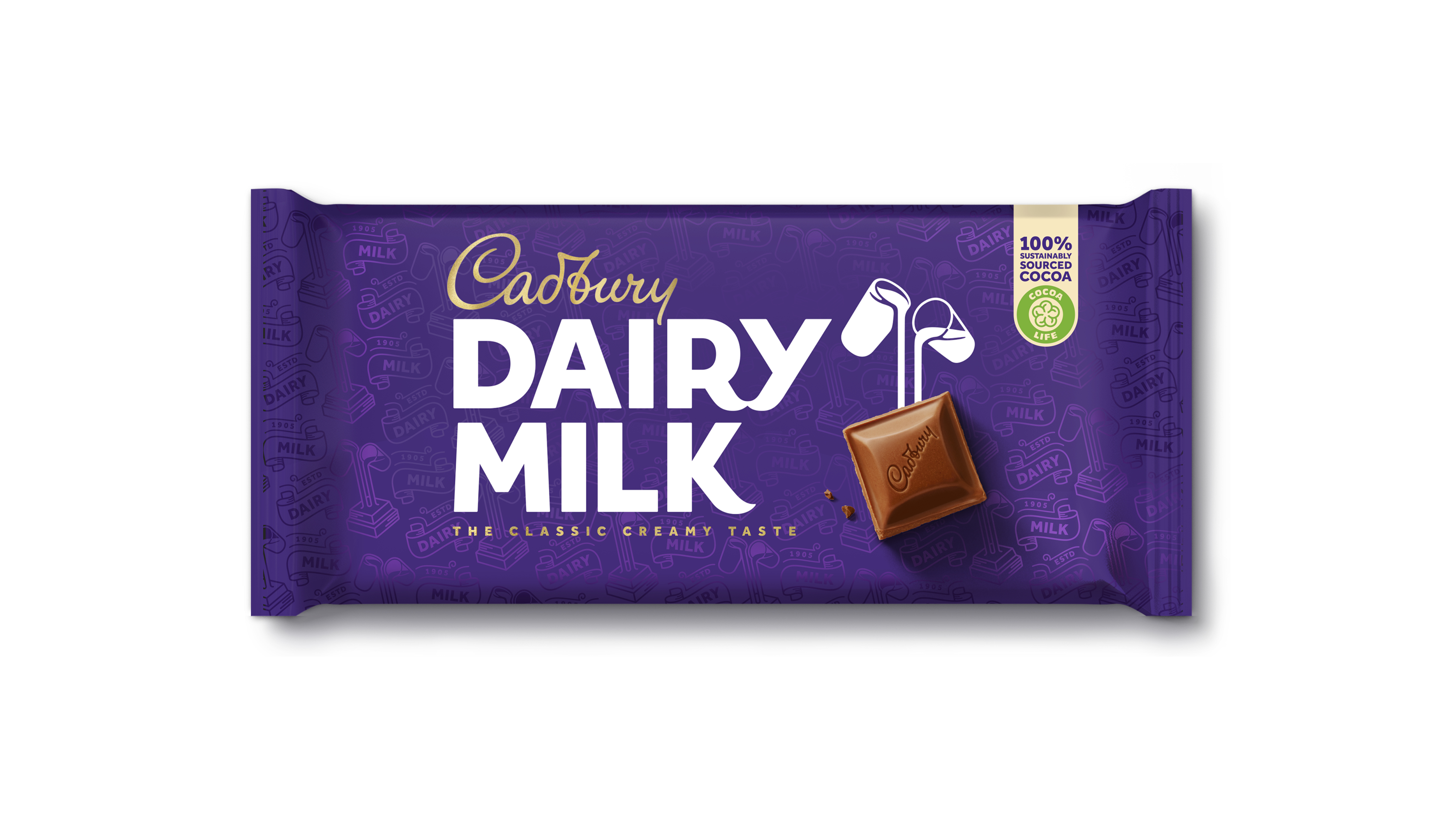
- Dairy Milk (Original): The flagship format. It offers the classic, ultra-creamy milk chocolate profile that acts as the brand’s global standard.
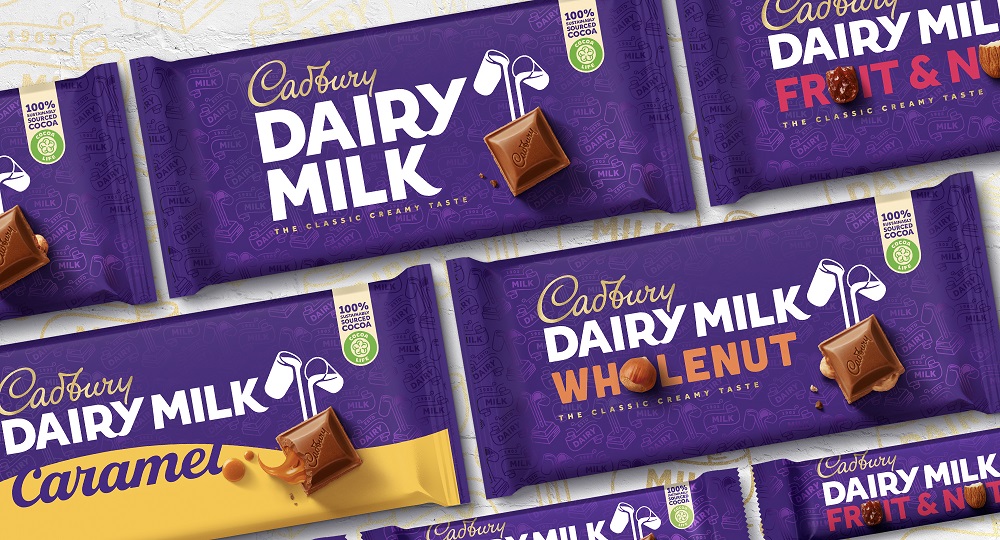
- Roast Almond & Hazelnut: Heavily targeting the premium snacking demographic, featuring whole or crushed roasted nuts suspended within the chocolate matrix.
- Black Forest & Fruit/Nut Variants: Engineered for diverse preferences, incorporating fruit jellies, raisins, and biscuits into the chocolate for a multi-textured bite.
Chocolate Manufacturing Chemistry
The formulation found in these products achieves its signature smooth melt and creamy taste through an engineered manufacturing matrix combining premium cocoa mass, cocoa butter, and liquid milk.
The Crumb Making and Conching Process
The manufacturing process utilizes highly advanced “chocolate crumb” techniques to ensure absolute consistency. The signature texture is derived from evaporating liquid milk and mixing it with sugar and cocoa liquor to create a crumb. This crumb is then heavily refined and conched (kneaded) with additional cocoa butter and Halal-certified emulsifiers (like soy lecithin) for hours. For the Malaysian market, the formulation is often slightly adjusted with specific stabilizers to raise the melting point, ensuring the chocolate survives tropical climates without immediate blooming.
Packaging Configurations and Freight Density
When managing ocean shipments, physical logistics heavily dictate profitability. Products are packaged in foil flow-wraps, consolidated into display boxes and master cartons, and palletized to withstand rigorous maritime transit inside active refrigerated containers.
Master Carton Yields
Understanding the exact packing specifications is critical for calculating freight costs:
| Packaging SKU Format | Standard Fill Volume | Retail Pack Format | Primary Distribution Channel |
| Impulse Bar | ~40g – 50g | Flow-Wrap Foil | Convenience Stores & Checkout |
| Medium Block | ~90g – 100g | Flow-Wrap Foil | Supermarkets |
| Large Family Block | ~160g | Flow-Wrap Foil | Hypermarkets & Gifting |
B2B Sourcing Pathways for Malaysian Cadbury Chocolate Bulk
Commercial buyers access wholesale inventory through two primary procurement channels, depending on their capital flexibility and volume requirements.
FMCG Consolidator Options
Independent wholesalers, mid-tier regional distributors, and agile import firms typically source via master FMCG consolidators operating out of major Malaysian export hubs like Port Klang. Consolidators offer highly flexible Minimum Order Quantities and highly valuable mixed-container capabilities.
Landed Cost Calculation Framework
Procurement teams must accurately forecast their financials before executing a purchase order. Calculating net landed unit costs involves applying a structured, multi-step financial calculation process.
Step-by-Step Financial Breakdown
- Step 1: Calculate Ocean Freight Charges (strictly utilizing Temperature-Controlled “Reefer” containers set between 15°C and 18°C) + Origin Port Fees + Import Customs Duties + Marine Cargo Insurance + Local Destination Drayage.
- Step 2: Add the Total Shipping Overhead to the Free On Board (FOB) Purchase Carton Price.
- Step 3: Divide the Total Landed Cost per Master Carton by the number of Retail Bars to find the exact unit cost.
Import Compliance, Harmonized System Codes, and Customs Documentation
Clearing chocolate imports through international customs is a highly regulated process. Securing your shipments requires flawless documentation verified by accredited origin testing laboratories.
Essential Export Documentation Suite
- Commercial Shipping Documents: Master Bill of Lading (B/L), Commercial Invoice, Detailed Packing List, and a Certificate of Origin (COO).
- Halal Certification: Mandatory for targeting Islamic demographics; Malaysian Cadbury will be accompanied by JAKIM certification documentation.
- Harmonized System Classification: For customs declaration, these solid chocolate bars are generally classified under HS Code 1806.32 (Chocolate and other food preparations containing cocoa, in blocks, slabs or bars, not filled).
Conclusion
Mastering the procurement of these iconic regional chocolates is the definitive key to understanding unstoppable global retail velocity in the confectionery category. From the precise application of the dairy crumb process to the meticulous engineering of the Halal-certified ingredients, every single element is designed to deliver a premium, highly satisfying melt. For international distributors and FMCG retailers, stocking these authentic Malaysian bars guarantees access to a highly loyal consumer base. Contact your preferred procurement partner today to secure your wholesale allocation and optimize your snack food supply chain.
Wholesale Malaysian Cadbury FAQ
Disclaimer: Unless otherwise stated, the images used in this article are the property of their respective owners. We do not claim ownership of any third-party images featured, and they are used here strictly for informational and educational purposes. If you are the copyright holder and wish to have an image removed, please contact us.