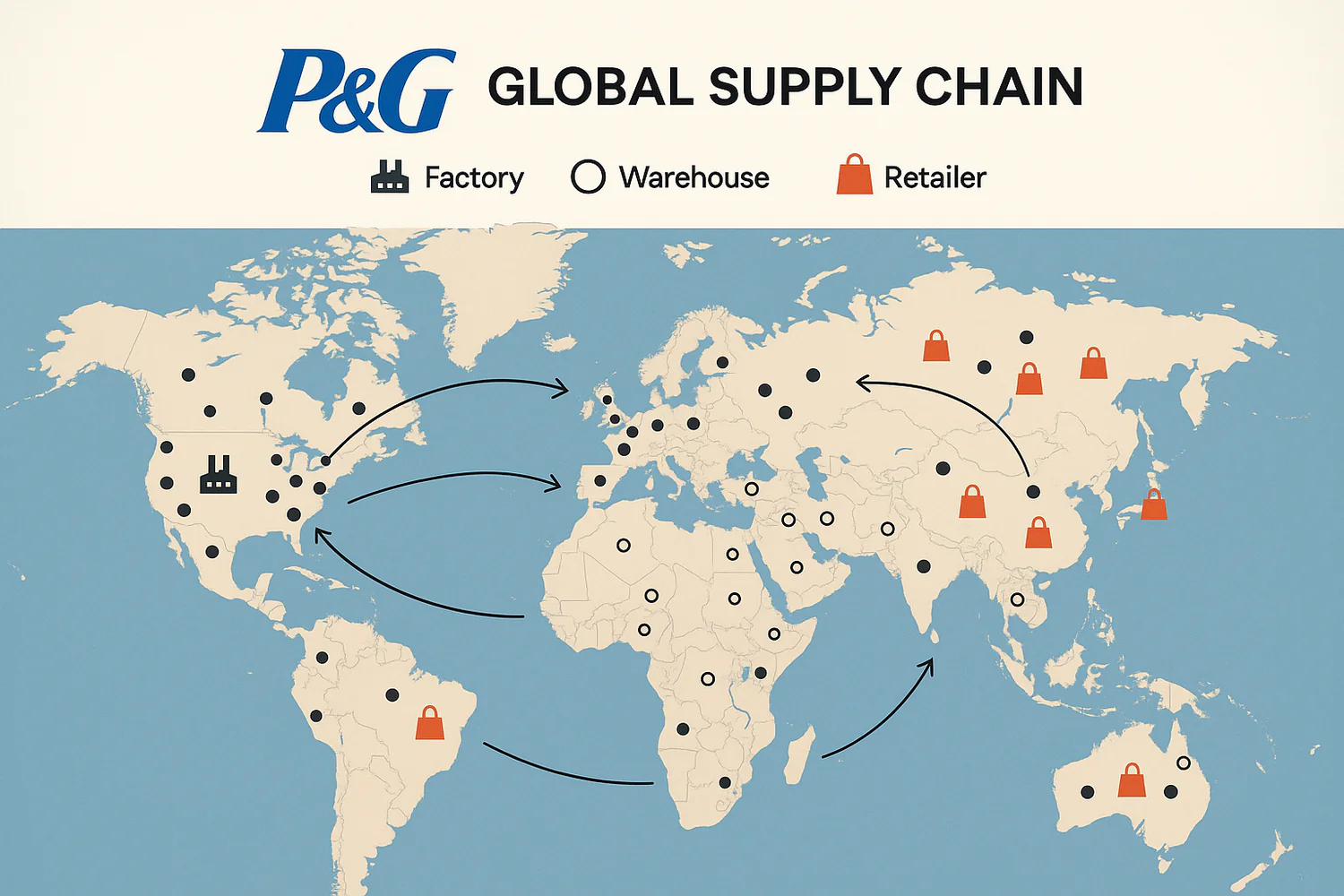
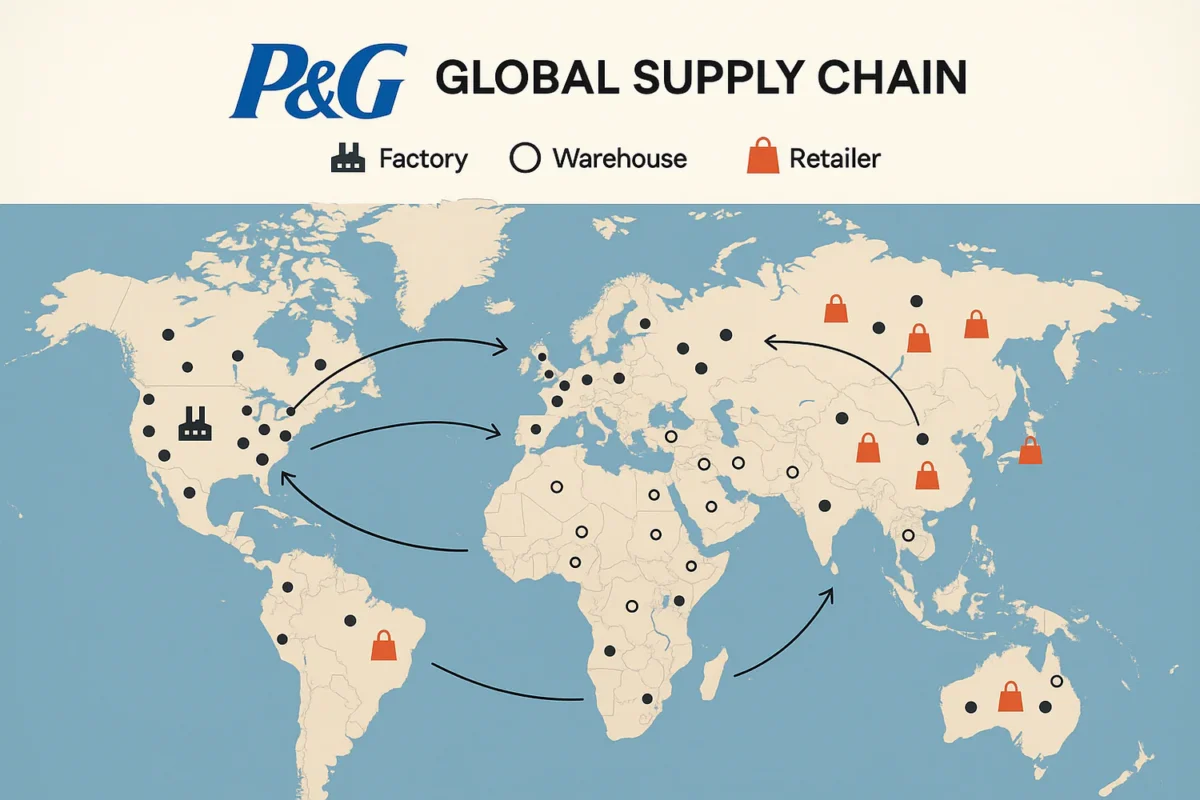
Imported P&G products are currently navigating a global commerce environment defined by extreme volatility and hyper-connectivity. As we move through 2026, the pressures exerted on international supply chains have reached a fever pitch, requiring a sophisticated harmony between maritime navigation, shifting border regulations, and the unpredictable nature of modern consumer demand. In this high-stakes arena, the basic logistics models of the past—focused merely on storage and trucking—are no longer capable of securing a competitive edge. The traditional, linear method of moving goods has been replaced by a demand for instantaneous data and absolute transparency.
At M-Pacific, we have pioneered a departure from traditional logistics through our Integrated Alliance Model. This operational blueprint moves beyond the typical, distant vendor-client relationship to create a unified, transparent, and digitally synchronized partnership. We don’t just handle cargo; we fuse our entire infrastructure with the long-term commercial goals of the manufacturers we represent. This ensures that every shipment is not just a delivery, but a strategic move toward market dominance.
Today, we are highlighting our specialized role in managing imported P&G products across some of the world’s most demanding retail territories. Overseeing the movement of a portfolio this massive—spanning global leaders in grooming, wellness, and home maintenance—necessitates a blend of high-level digital integration and extreme operational flexibility. To understand M-Pacific’s current success, one must first appreciate the deep-seated legacy of innovation that defines the brand we move.
A Century-Old Foundation of Logistical Mastery
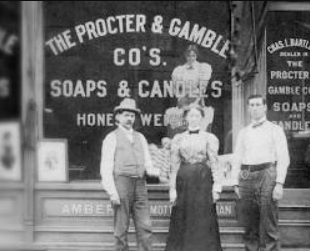
The global presence of this manufacturing titan is the result of nearly 200 years of operational refinement. Its history is a masterclass in how to turn logistical challenges into market-dominating advantages. By looking at the past, M-Pacific draws inspiration for how we handle the modern complexities of the trade today.
The 1837 Ohio River Strategy
The company’s origins began in 1837 Cincinnati with a strategic realization by founders William Procter and James Gamble. Rather than battling over raw materials like animal fats and oils, they merged their interests and utilized the Ohio River as a primary transport artery. This early insight into waterway logistics provided them with cost-effective material access and a scalable path to reach a growing national audience. The river was the “internet” of the 19th century, and their mastery of it set the stage for their future as a global logistics pioneer.
Civil War Pressure and Industrial Scaling
During the 1860s, the company secured massive contracts to supply the Union Army, a task that demanded unprecedented levels of production and distribution reliability. This period forced the organization to master high-volume consistency and long-distance transport long before the advent of modern logistics. They had to ensure that soap and candles could survive weeks of travel over rough terrain to reach the front lines. This era solidified the company’s ability to remain operational under extreme external pressure—a trait M-Pacific mirrors today as we navigate modern geopolitical disruptions.
The Evolution into International Procurement
Following the Civil War, the company looked past American shores to secure rare raw materials for products like Ivory Soap. By forging early cross-border trade alliances to source coconut and palm oils, they effectively built the first modern models of international FMCG procurement. This transition from a domestic manufacturer to a global trade entity laid the groundwork for the complex networks M-Pacific manages today. It proved that a brand’s growth is directly tied to its ability to manage a borderless supply chain.
Digital Integration as a Strategic Nervous System
Managing imported P&G products in the 2020s requires more than just physical assets like trucks and warehouses; it requires a digital nervous system. M-Pacific’s model ensures we aren’t just a warehouse at the end of a chain, but an active participant in the brand’s global manufacturing cycle.
Historically, the international trade sector has suffered from “data silos.” These are points in the chain where information is lost between shipping lines, customs brokers, and local distributors. When a distributor doesn’t know exactly what is in a shipping container until it arrives, they cannot plan effectively. This lack of transparency leads to port congestion, delayed clearances, and the exact failures consumers see as out-of-stock notices on retail shelves.
We eliminate this friction by synchronizing our proprietary Distribution Management Systems (DMS) directly with the manufacturer’s global Enterprise Resource Planning (ERP) software. This provides a real-time, 360-degree view of every container in transit. By having this “borderless” visibility, we can prepare our local infrastructure, staff, and transport schedules before the goods even hit the port. This digital synchronization ensures zero downtime and an unbroken flow of essentials to the market.
Predictive Agility and Port Execution Excellence
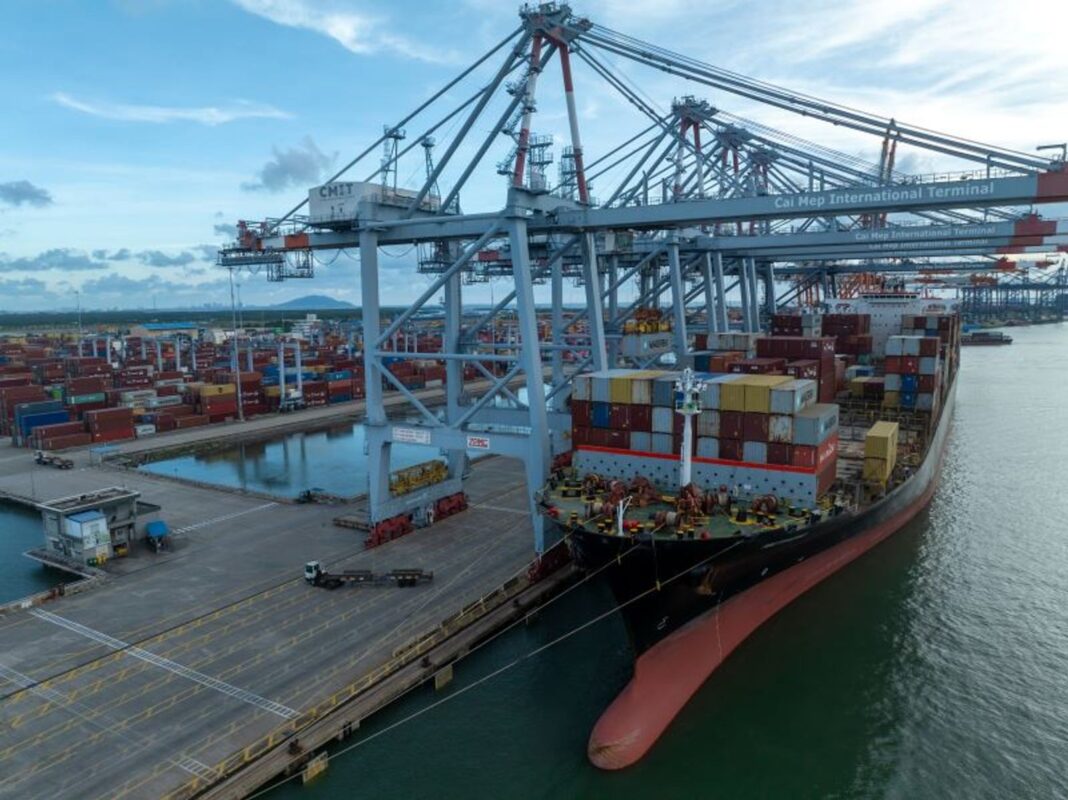
In the world of Fast-Moving Consumer Goods (FMCG), the most innovative product is a liability if it is stuck in a customs backlog or a congested transit hub. M-Pacific focuses on “Precision and Pace” to ensure that global breakthroughs reach local shelves without delay.
AI-Driven Speed-to-Market
We employ advanced AI-driven predictive analytics to stay ahead of port strikes, weather disruptions, and geopolitical shifts. In 2026, the ability to “see around corners” is the only way to maintain a steady supply. By forecasting potential delays in air and ocean freight, M-Pacific can dynamically reroute cargo to secondary ports or alternative transit modes. This ensures that imported P&G products bypass congestion and enter the retail market exactly on schedule, regardless of global instability.
Localized Inventory Calibration
Success depends on having the right SKU in the right neighborhood. We utilize deep regional purchasing data to ensure inventory is positioned for maximum sell-through. This involves a multi-tiered approach: positioning high-volume items in urban micro-fulfillment centers for rapid replenishment, while keeping broader stock in regional hubs. This strategy prevents “warehouse bloat” and product obsolescence in low-demand areas while ensuring that high-velocity urban centers never experience a stockout.
The Regulatory Compliance Firewall
Cross-border trade for personal care, hygiene, and chemical-based cleaning goods involves a maze of health, safety, and labeling laws. M-Pacific acts as a compliance firewall, ensuring that every unit features the correct translated labeling and meets all domestic Ministry of Health standards before it ever leaves our facility. Our in-house legal and regulatory teams stay updated on the ever-changing trade requirements in Vietnam, preventing costly customs holds and legal friction.
Omni-Channel Mastery in the Modern Landscape
A core pillar of our partner’s mission is ensuring their products are accessible to everyone, everywhere. This requires a logistics partner with the “capillary reach” to serve both a high-tech modern hypermarket and a small, independent corner store in a remote province.
Synchronizing with Modern Trade Giants
The Modern Trade sector—comprising national supermarket chains, hypermarkets, and corporate convenience stores—operates on razor-thin margins and unforgiving delivery schedules. Supplying these giants requires massive scale and automated precision. M-Pacific synchronizes our warehouse outputs directly with the supermarket’s daily sales data. This allows for automated inventory replenishment, maximizing sell-through rates and entirely preventing out-of-stock scenarios during peak shopping hours or viral promotional events.
Fueling the Independent General Trade Economy
In many markets, the backbone of the economy remains the General Trade sector: the hundreds of thousands of independent, mom-and-pop grocery stores. For a logistics provider, reaching this fragmented market is the ultimate test. We empower these small business owners by offering highly frequent, small-batch deliveries. This “just-in-time” fulfillment model allows independent shops to offer premium brands without locking up their limited capital in massive bulk inventory. It ensures that even the most remote communities have access to high-quality hygiene and health products.
Powering the E-Commerce and Omnichannel Boom
As digital purchasing merges with physical retail in 2026, the supply chain must adapt instantly. Consumers now expect to order their favorite household goods online and receive them within hours. M-Pacific provides the agile logistics backbone required for this rapid fulfillment. We have engineered specialized micro-fulfillment centers within our larger distribution network, ensuring that direct-to-consumer digital marketing campaigns are supported by flawless localized execution.
Sustainable Infrastructure and Ambition 2030 Alignment
Modern consumers demand efficacy and ecology in equal measure. They want to know that the brands they buy are actively protecting the planet. P&G’s “Ambition 2030” framework sets rigorous global environmental targets, and M-Pacific is the engine that executes those goals on the local stage.
Decarbonizing Trade and Final-Mile Delivery
We work to lower “Scope 3” emissions—the indirect emissions within a company’s value chain—by optimizing container density and partnering with freight carriers that utilize low-emission, verified green vessels. Once cargo clears the port, we utilize our growing fleet of electric delivery vans (EVs) and hybrid logistics trucks. By using AI-powered route optimization software, we eliminate “empty miles” and unnecessary urban idling, drastically reducing the carbon footprint of domestic distribution.
Zero-Waste Warehousing and Circularity
Our facilities are designed for circularity. We have retrofitted our distribution centers to aggressively reduce secondary packaging waste, utilize biodegradable shrink wrap, and implement energy-efficient LED lighting. Our strict First-In, First-Out (FIFO) and First-Expired, First-Out (FEFO) inventory management protocols virtually eliminate the environmental tragedy of product spoilage and expiration waste.