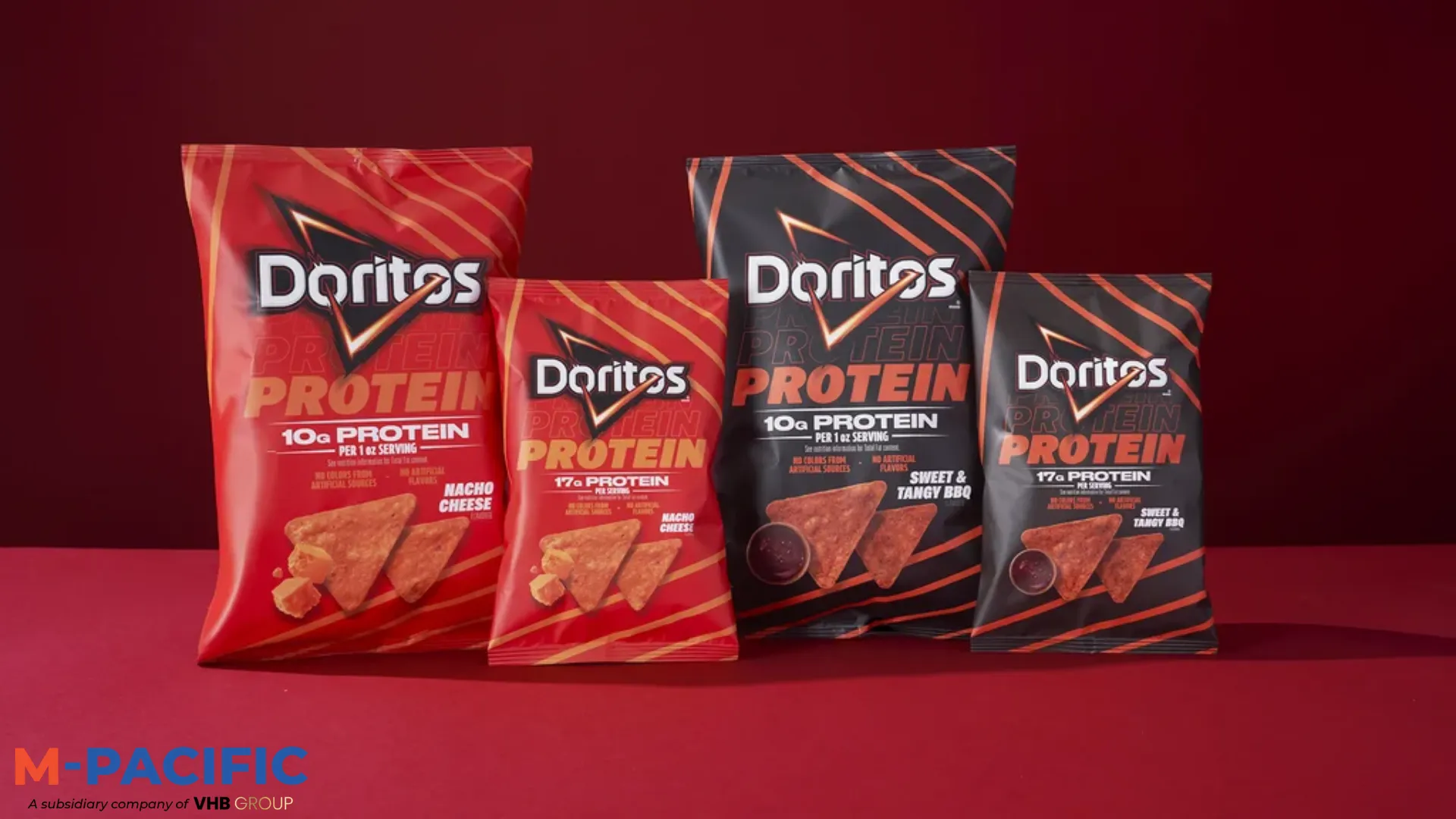
When analyzing the most lucrative products in the global food market, exploring essential Doritos Facts can help distributors optimize their supply chains and maximize retail profits.
Since its commercial introduction in the mid-1960s, this iconic seasoned tortilla chip has evolved from a simple amusement park novelty into a multi-billion-dollar global juggernaut. For businesses operating within the highly competitive wholesale snacks market, understanding the logistics, history, and flavor chemistry of this Frito-Lay powerhouse is key to managing a successful inventory.
By leveraging specific market insights, wholesalers can better predict consumer demand patterns, execute targeted promotional strategies, and handle delicate logistics challenges associated with snack transportation. This comprehensive guide breaks down the core structural, historical, and financial facts about Doritos to help you scale your retail or distribution enterprise.
Table of Contents
- The Origin Story: Fascinating Doritos Facts from Disneyland to Global Dominance
- Supply Chain Insights: Crucial Doritos Facts for Retailers and Wholesalers
- Understanding the Culinary Science: Flavor Formulation Doritos Facts
- Wholesale Logistics: Distribution and Shelf-Life Doritos Facts
- Product Variety Comparison Matrix
- Frequently Asked Questions
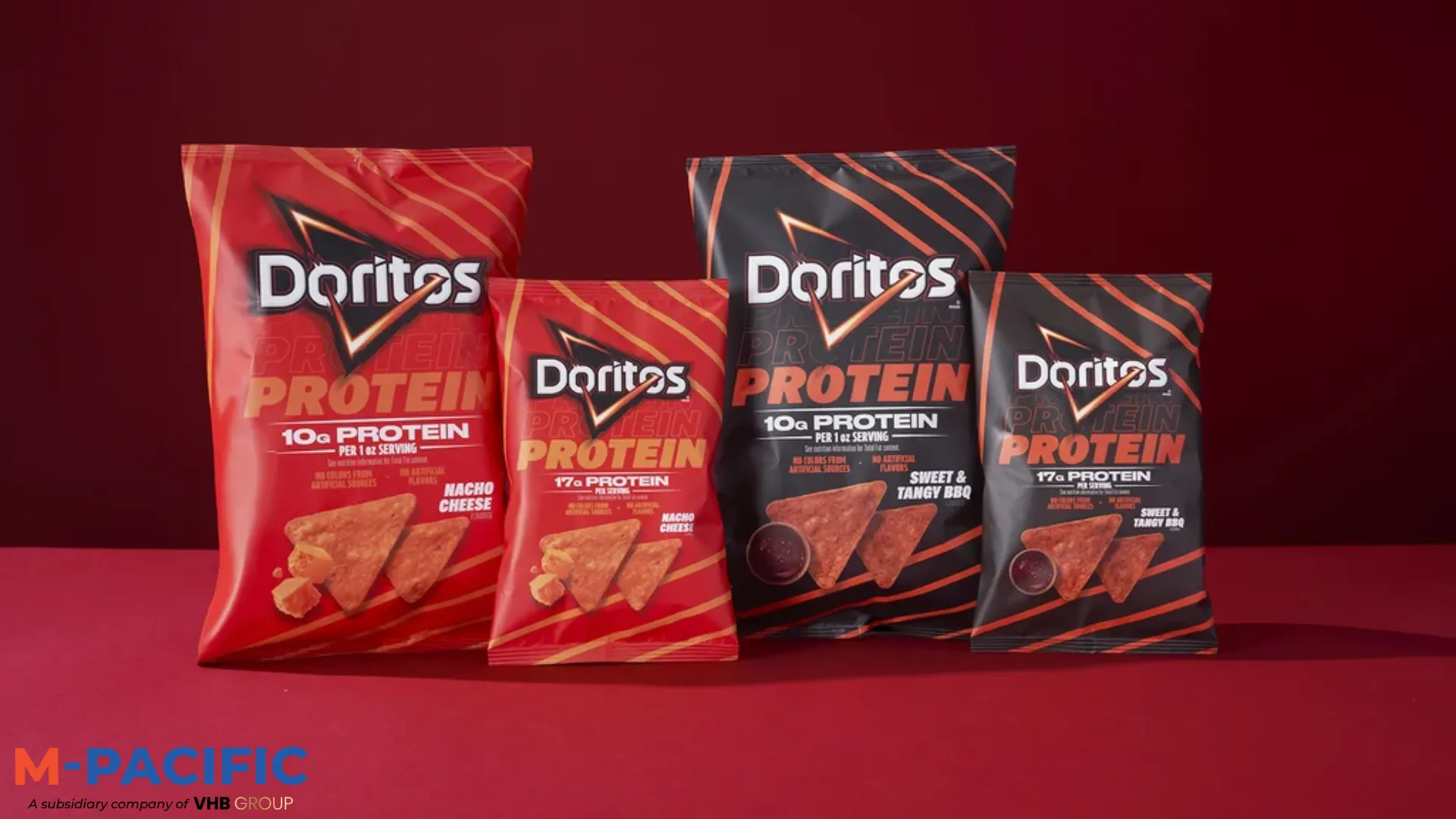
The Origin Story: Fascinating Doritos Facts from Disneyland to Global Dominance
To fully appreciate the commercial power of Doritos, one must understand how this snack food originated. In the early 1960s, at Disneyland in Anaheim, California, a restaurant named Casa de Fritos (operated by Frito-Lay) began frying up leftover stale corn tortillas instead of throwing them away. The discarded chips were seasoned with simple spices and sold to visitors, becoming an overnight sensation. Archibald West, a marketing vice president for Frito-Lay at the time, recognized the commercial potential of these seasoned tortilla chips and secured a national launch in 1966.
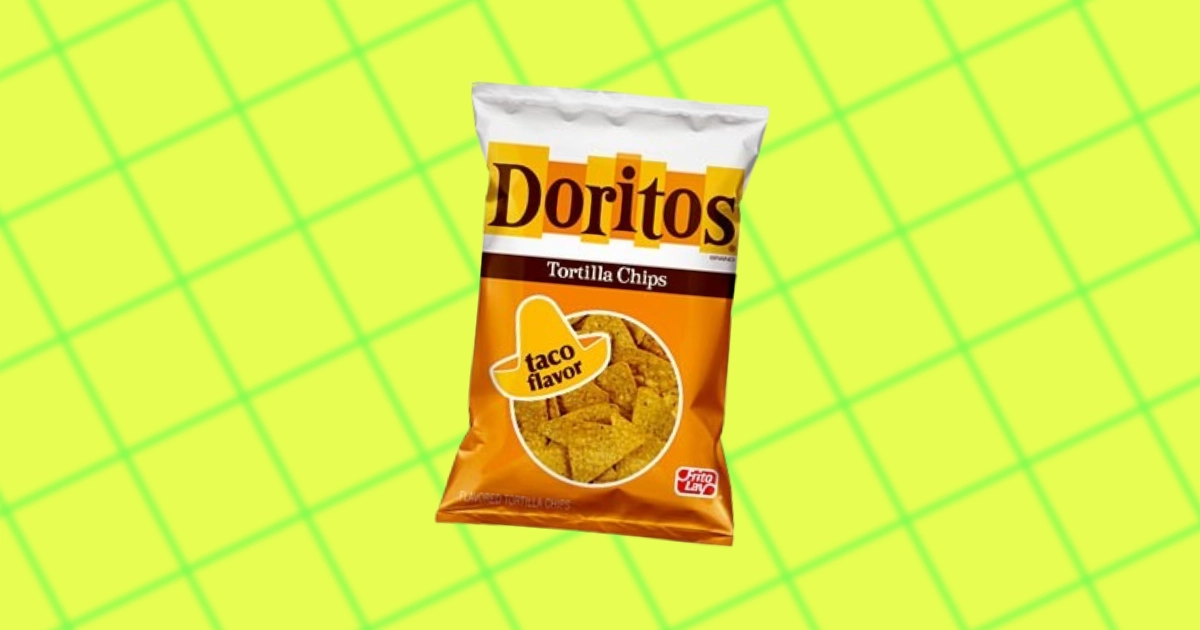
Initially, Doritos were marketed as toasted tortilla chips without any heavy seasoning. However, the brand truly exploded in 1972 when they introduced the legendary “Taco” flavor, followed closely by the iconic “Nacho Cheese” flavor in 1974. Over the decades, these seasoned triangular chips transformed from regional Mexican-American appetizers into a mainstream grocery staple. Today, they dominate the global savory snack category, representing one of Frito-Lay’s most profitable product lines next to Lay’s potato chips and Cheetos. For more background on global snack manufacturing histories, distributors can explore academic food history portals like Britannica to analyze shifting consumer tastes over the last half-century.
Supply Chain Insights: Crucial Doritos Facts for Retailers and Wholesalers
For B2B procurement managers and grocery operators, staying updated on operational Doritos Facts is vital to executing seamless supply chain strategies. Doritos are categorized as high-volume, fast-moving consumer goods (FMCG). They demand a sophisticated logistical framework to prevent product damage while keeping up with constant household demand. Because Doritos are manufactured from ground corn (masa), their production relies heavily on raw agricultural commodities, meaning that global grain price fluctuations directly impact packaging size and wholesale price points.
From a commercial perspective, Doritos packaging relies on modified atmosphere packaging (MAP) technology. Bags are filled with nitrogen gas prior to sealing. This critical manufacturing fact serves two essential business purposes: first, it displaces oxygen to prevent oxidative rancidity of the cooking oils, keeping the chips crisp and fresh; second, the gas creates a protective cushion that shields fragile triangular chips from breaking during palletization and transit. Understanding these package engineering principles helps distributors structure shipping lanes and manage pallet stacking limits safely.
Understanding the Culinary Science: Flavor Formulation Doritos Facts
The highly addictive nature of Doritos is no accident; it is the result of meticulously engineered food science designed to trigger neurological pleasure centers. When studying food-formulation Doritos Facts, researchers highlight “vanishing caloric density” and the perfect balance of fats, salts, and acids. The primary flavor enhancer used across most Doritos varieties is monosodium glutamate (MSG), paired with buttermilk powder, garlic powder, onion powder, and specific cheeses.
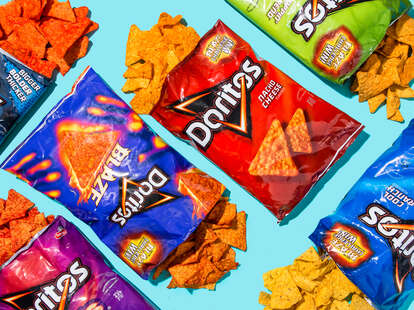
These savory ingredients work in synergy to create a high-impact savory experience known as “umami.” Furthermore, the physical shape of the chip contributes to its sensory appeal. The crisp, rigid triangular structure generates a distinct acoustic snap upon biting, which human brains unconsciously associate with freshness and high quality. For wholesalers, knowing these consumer-psychology facts can guide retail placement strategies—placing high-umami snacks at eye level near checkout lanes drastically increases impulse-buy conversion rates.
Wholesale Logistics: Distribution and Shelf-Life Doritos Facts
When handling regional or international food distribution, shipping managers must analyze physical Doritos Facts concerning dimensions, shelf-life, and cargo load configurations. Unlike canned goods or dried grains, savory snacks are volume-heavy rather than weight-heavy, meaning shipping containers will hit physical volume limits long before reaching maximum legal weight allowances.
Frito-Lay utilizes a Direct-Store-Delivery (DSD) model in many domestic markets, bypassing centralized retail warehouses to restock grocery shelves directly. For independent international importers, however, maintaining a strict First-In, First-Out (FIFO) inventory workflow is crucial to managing the standard 70-to-90-day retail freshness window of corn tortilla chips. If shipping long distances across maritime borders, climate-controlled shipping containers (reefers) are highly recommended to prevent temperature spikes from melting seasoning coatings or oxidizing the vegetable oils inside the bags.
Product Variety Comparison Matrix
To help B2B buyers structure their inventory purchases effectively, the table below compares three of the most popular global Doritos flavors, listing key metrics based on wholesale distribution standards:
| Flavor Name | Key Allergen Info | Primary Seasoning Notes | Market Share Rank |
|---|---|---|---|
| Nacho Cheese | Milk, Wheat | Romano Cheese, Cheddar, Garlic, MSG | Rank 1 (Global Bestseller) |
| Cool Ranch | Milk | Buttermilk, Tomato Powder, Onion, Herbs | Rank 2 |
| Spicy Sweet Chili | Soy, Wheat | Soy Sauce, Garlic, Red Pepper, Onion | Rank 3 (High Vegan/Vegetarian Demand) |
By tailoring your product orders to align with these performance rankings, you can avoid tying up capital in slow-moving stock and focus resources on varieties with high turnover rates.
Conclusion & CTA
Understanding these historical, logistical, and culinary Doritos Facts equips B2B buyers and wholesalers with the necessary insights to build highly optimized snack inventories. By planning around nitrogen-flushed packaging requirements, managing rapid stock turnover cycles, and selecting flavor ratios that align with regional market demand, businesses can secure robust margins on this globally loved brand.
If you are looking to scale your inventory with a reliable, high-volume supplier, explore our commercial sourcing solutions and contact our global procurement team today.