When you open a fresh bag of tortilla chips, understanding the Doritos Snack Volume is key to recognizing how much actual food you are getting versus the air inside the packaging. Consumers around the globe have long debated the physical size of chip packaging, often questioning why their favorite triangular corn snacks seem to share so much space with empty air. This phenomenon is not merely an accident of manufacturing; rather, it is a highly engineered marriage of food science, physics, economics, and logistics. By analyzing the volumetric metrics of these iconic snacks, we can better understand consumer value, packaging efficiency, and the changing landscape of global snack food manufacturing.
Table of Contents
- 1. What Exactly is Doritos Snack Volume?
- 2. The Science Behind Doritos Snack Volume and Packaging
- 3. Analyzing the Volumetric Density of Doritos Snack Volume
- 4. Doritos Snack Volume and Bag Sizes: A Comprehensive Comparison
- 5. Shrinkflation: Why Doritos Snack Volume Has Changed Over Time
- 6. Consumer Guide to Maximizing Doritos Snack Volume Per Dollar
- 7. Frequently Asked Questions (FAQ)

What Exactly is Doritos Snack Volume?
To grasp the true nature of Doritos Snack Volume, one must look past the external appearance of the bag and examine the ratio between the net weight of the product and the displacement volume of its packaging. In the consumer packaged goods (CPG) industry, “volume” can refer to two distinct metrics: the internal space occupied by the actual food product (the chips) and the total physical displacement of the sealed bag. Because of the unique triangular shape of Doritos, they do not pack tightly or uniformly. Instead, they create a highly disorganized, loose-fill structure that leaves substantial empty space between individual chips.
This physical space is crucial. When Frito-Lay fills a bag of Doritos, they do so by weight rather than by physical volume. The declared net weight on the front of the packaging—whether it is a small 1-ounce snack pack or a massive 14.5-ounce party bag—is the absolute guarantee of the food mass inside. However, the physical volume that this mass occupies can vary depending on chip breakage, settling during transit, and the density of the specific batch. Thus, the perceived volume of snacks is a dynamic interplay of weight, shape, and packaging technology.
The Science Behind Doritos Snack Volume and Packaging
The space in a snack bag that many consumers dismiss as “wasted air” is actually a critical protective barrier known scientifically as “slack fill.” The engineering behind Doritos Snack Volume relies heavily on this specialized packaging design to ensure that the product arrives at your local retailer in pristine condition, rather than as a bag of crushed corn meal. There are two primary functional reasons for this extra space: mechanical protection and preservation of freshness.

Understanding Functional Slack Fill
According to regulations defined by the U.S. Food and Drug Administration (FDA), slack fill is considered non-functional unless it serves a specific protective, manufacturing, or structural purpose. For Doritos, this slack fill is entirely functional. The air cushion acts as a shock absorber. When bags are packed into shipping boxes, stacked on pallets, and transported across bumpy roads, the pressurized gas inside the bag distributes external forces evenly, keeping the delicate, crunchy chips from shattering. Without this volumetric buffer, the fragile corners of the triangular chips would break against one another, dramatically reducing the structural integrity of the snack.
The Chemistry of the Nitrogen Flush
The gas filling the extra volume in a Doritos bag is not regular atmospheric air. Ordinary air contains oxygen and moisture, both of which are highly detrimental to the shelf life of fried corn snacks. Oxygen causes the unsaturated fats and vegetable oils used in cooking Doritos to oxidize, leading to rancidity and stale off-flavors. Moisture in the air would quickly turn a crisp, crunchy tortilla chip into a chewy, unappecent mess.
To prevent this degradation, food packagers perform a process known as “nitrogen flushing.” Before sealing the bag, oxygen is vacuumed out and replaced with high-purity nitrogen gas. Nitrogen is an inert, tasteless, and odorless gas that does not react with the fats or oils in the chips. This preservation method is standardized globally to maintain product freshness and extend shelf life. You can learn more about food preservation standards and guidelines via the official United States Department of Agriculture (USDA) resources.
Analyzing the Volumetric Density of Doritos Snack Volume
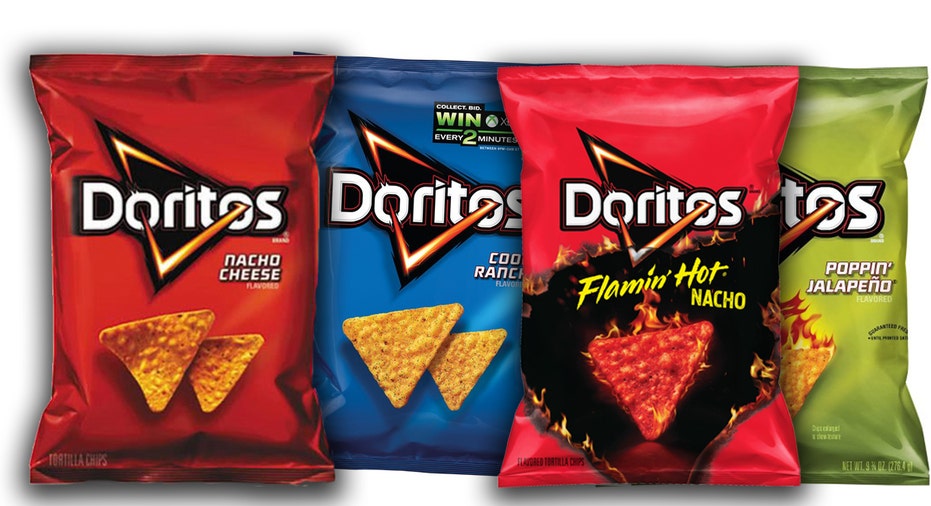
To scientifically evaluate the Doritos Snack Volume, we have to look at the bulk density of the product. Bulk density is defined as the mass of many particles of a material divided by the total volume they occupy. Because Doritos are non-spherical, thin, and highly curved, they possess a low bulk density compared to other snack foods like peanuts or pretzels.
How Shape Affects Space Allocation
The geometry of a Dorito chip is an equilateral triangle with slightly rounded edges and a wavy surface profile caused by the rapid expansion of water vapor during the frying process. This complex geometry prevents the chips from nesting together efficiently. If you stack Doritos manually, they occupy very little space; however, when dropped randomly into a packaging line, they collide and rest at chaotic angles. This creates massive interior cavities of air, meaning a significant portion of the internal volume is naturally occupied by empty space, even without considering the slack fill at the top of the bag.
The Settling Phenomenon
Have you ever noticed that a bag of Doritos seems emptier when you open it at home than it did when it was on the grocery shelf? This is due to a physical phenomenon called “vibrational settling.” During transport, the constant vibration of the delivery trucks causes the smaller, denser chips and broken pieces to migrate to the bottom of the package, while larger chips orient themselves horizontally. This settling action reduces the total height of the chip pile inside the bag, making the top empty space appear much larger than it was immediately after manufacturing.
Doritos Snack Volume and Bag Sizes: A Comprehensive Comparison
The relationship between physical packaging size and net content weight varies widely across the Doritos product catalog. To understand how much Doritos Snack Volume you receive relative to the package dimensions, let us examine a detailed breakdown of the most common bag sizes available on the market today.

| Bag Designation | Net Weight (Ounces) | Net Weight (Grams) | Approx. Chip Count | Estimated Gas-to-Chip Ratio |
|---|---|---|---|---|
| Single-Serve Snack Pack | 1.0 oz | 28.3g | 10 – 12 | 60% Gas / 40% Chip |
| Standard Grab & Go | 1.75 oz | 49.6g | 18 – 22 | 55% Gas / 45% Chip |
| Standard Share Size | 2.75 oz | 77.9g | 28 – 32 | 50% Gas / 50% Chip |
| Standard Grocery Bag | 9.25 oz | 262.2g | 95 – 105 | 45% Gas / 55% Chip |
| Party Size Bag | 14.5 oz | 411.0g | 150 – 165 | 40% Gas / 60% Chip |
As illustrated in the table above, the proportional Doritos Snack Volume of actual food increases as you purchase larger physical packages. Smaller bags require a much higher ratio of nitrogen gas to prevent the small number of chips inside from getting pulverized, whereas larger packages can support a denser ratio of product because the cumulative mass of the chips provides a self-supporting structural network inside the bag.
Shrinkflation: Why Doritos Snack Volume Has Changed Over Time
In recent years, consumer advocacy groups and retail analysts have pointed out a subtle but steady decline in the net weight of standard chip bags. This economic tactic is widely known as “shrinkflation,” and it has had a profound impact on the net Doritos Snack Volume offered to buyers at retail stores. Shrinkflation occurs when a manufacturer reduces the size or weight of a product while keeping its retail price the same, or even increasing it slightly.
By slightly reducing the amount of corn meal, seasoning, and oil in each package, manufacturers can offset rising supply chain costs, raw ingredient inflation, and fuel expenses without triggering the consumer backlash that usually accompanies a direct price hike. For instance, the standard bag of Doritos, which once weighed 9.75 ounces, was systematically adjusted down to 9.25 ounces in several markets. Because the physical dimensions of the plastic film packaging remained virtually identical, the visual profile of the bag on the store shelf stayed constant, but the physical mass of the chips inside decreased, resulting in a higher ratio of empty space (or slack fill) inside the bag.
Consumer Guide to Maximizing Doritos Snack Volume Per Dollar
If you are a smart shopper looking to maximize the value of your snack budget, understanding how packaging translates to actual product weight can save you significant money. Here are a few strategic tips to help you get the most Doritos Snack Volume for your hard-earned money.
Always Calculate the Price Per Ounce
Do not let eye-catching packaging graphics or temporary promotional discounts fool you. When shopping at the grocery store, look closely at the unit price displayed on the shelf tag. This is usually listed as “Price per 100g” or “Price per Ounce.” Purchasing a single party-size bag of Doritos almost always yields a much lower unit cost than buying several single-serve variety packs, even if the absolute price of the larger bag seems high at first glance.
Buy in Bulk, Store Wisely
For large households or frequent snackers, warehouse clubs (such as Costco, Sam’s Club, or BJ’s) offer massive bag sizes that deliver the absolute highest density of chips per dollar. To prevent a large, opened bag from going stale, invest in quality airtight container storage or heavy-duty bag clips. This allows you to benefit from the cost savings of bulk buying without sacrificing the crisp texture and intense flavor of the chips over time.
Unlock the Best Value on Your Next Snack Run
Whether you are hosting a game-day party, prepping for a weekend road trip, or simply satisfying a late-night craving, mastering the physics and economics of packaging is key to smart shopping. By understanding the science of slack fill, calculating unit pricing, and choosing larger bag formats, you can easily maximize your yield of delicious, flavor-packed chips. Ready to stock up on your favorite crunchy snacks? Head out to your local supermarket today, keep an eye on the unit price tags, and choose the perfect Doritos Snack Volume that fits both your appetite and your budget!