Uncovering the Nongshim Noodles Origin reveals a fascinating history of culinary innovation that transformed South Korea’s relationship with instant food. Decades ago, instant noodles were seen as a quick, cheap meal designed primarily for convenience. However, through visionary leadership and an unrelenting commitment to authentic flavors, Nongshim turned a humble pantry staple into a global gastronomic phenomenon. Today, millions of consumers across the globe enjoy these bold, spicy noodles, unaware of the deep historical roots and rigorous engineering that went into their creation.
Understanding where these products come from is essential for food distributors, retail managers, and culinary enthusiasts alike. By tracing the brand’s path back to its inception, we gain vital context on why they dominate shelves globally. In this article, we will dive deep into the origins of Nongshim, analyze their signature flavor development, and explore how they expanded into an international empire.
Table of Contents
- The Historical Nongshim Noodles Origin and Brand Legacy
- Key Milestones in the Nongshim Noodles Origin Story
- Unraveling the Nongshim Noodles Origin: Flavor Evolution & Shin Ramyun
- Key Ingredients Defined by the Nongshim Noodles Origin
- Global Scale and Wholesale Adaptation
- Product Matrix & Specifications
- Frequently Asked Questions
The Historical Nongshim Noodles Origin and Brand Legacy
The Nongshim Noodles Origin began on September 18, 1965, in Seoul, South Korea. Originally established as Lotte Industrial Chemistry Corp. by founder Shin Choon-ho, the company set out with a clear, ambitious mission: to manufacture high-quality, nutritious food products that matched the authentic taste profile of traditional Korean cuisine. During the mid-20th century, South Korea was recovering from wartime devastation, and cheap wheat flour imported via foreign aid programs was widely used to combat food shortages. Shin Choon-ho saw an opportunity to utilize this flour to create instant ramen that reflected local preferences.
Unlike early Japanese instant noodles, which were mild, chicken-based, and relatively simple, Shin wanted to develop a broth that resonated with the spicy, beef-based soups loved by Koreans. This cultural pivot was the primary catalyst for the company’s early success. In 1978, the firm officially changed its name to “Nongshim Co., Ltd.,” which translates to “farmer’s heart”—a moniker representing hard work, sincerity, and pure ingredients. This change solidified the company’s ethos, transitioning it from a manufacturing entity into a beloved culinary brand.
Key Milestones in the Nongshim Noodles Origin Story
To understand how a domestic manufacturer became an international powerhouse, we must examine the specific timeline of their innovation. In 1970, Nongshim launched its first major breakthrough: Beef Ramyun. This product established the company’s trademark spicy beef flavor profile and quickly captured South Korea’s market share. Following this, the company launched “Ansungtangmyun” in 1983, which revolutionized the market with its rich, slow-simmered beef bone soup base.
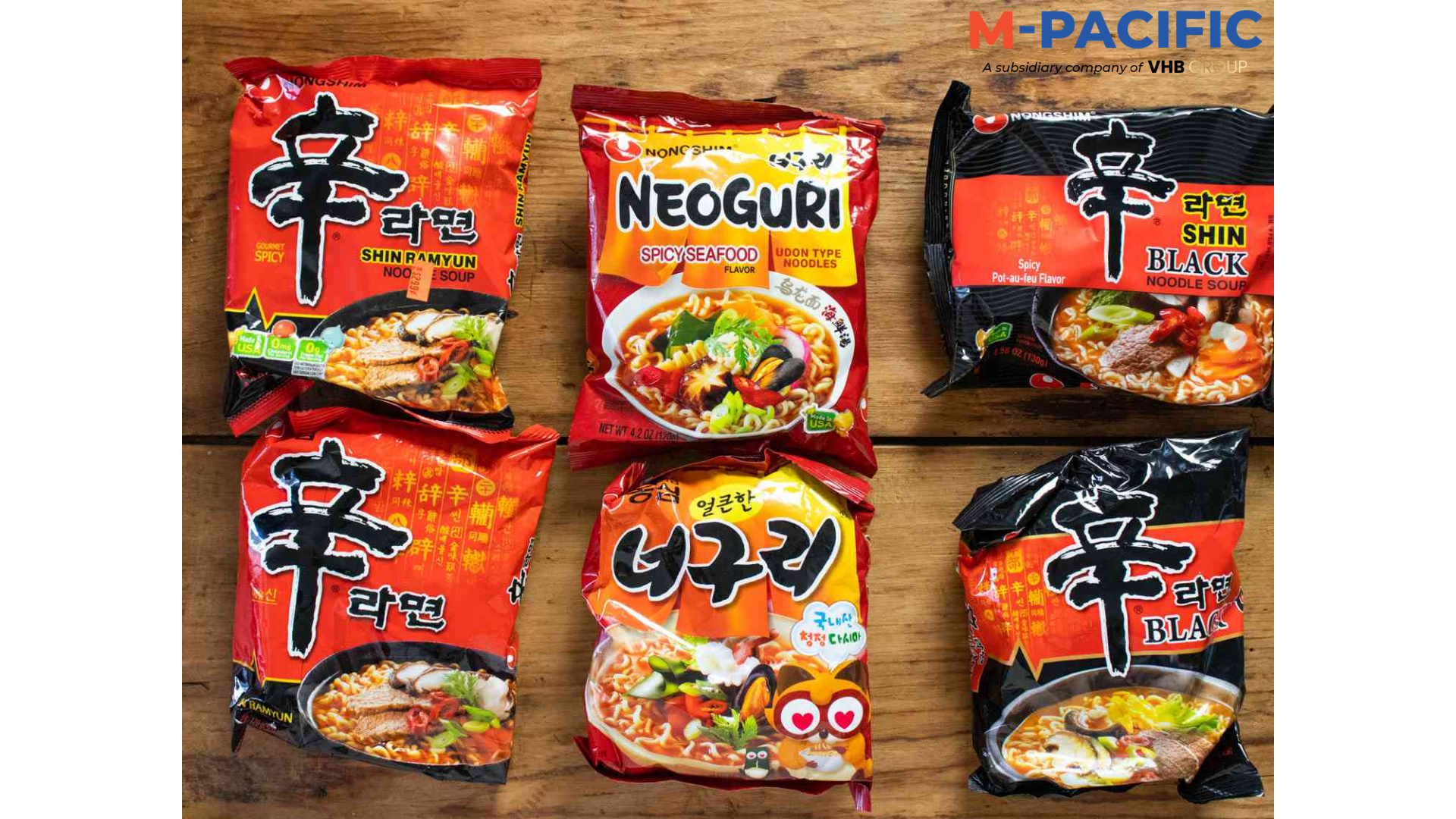
The definitive moment of the company’s expansion came in October 1986 with the introduction of Shin Ramyun. Engineered specifically to appeal to those who love deep, fiery spices, Shin Ramyun utilized advanced freeze-drying technology to preserve premium red pepper flakes, scallions, and shiitake mushrooms. This product would eventually cross borders, serving as the flagship export product that introduced Korean heat to the Western palate.
Unraveling the Nongshim Noodles Origin: Flavor Evolution & Shin Ramyun
Unraveling the Nongshim Noodles Origin reveals a deep obsession with flavor engineering and food science. Developing the perfect spicy broth was not an accidental occurrence; rather, it was the result of years of trial and error in research laboratories. Under the direction of Shin Choon-ho, research teams tested over 150 spice combinations to recreate the taste of traditional Korean beef stew (Sogogi-gukbap). The secret was matching the precise heat level of Cheongyang chili peppers with the savory depth of beef bone marrow extracts.
By combining vacuum-drying technology with heat-controlled spray dryers, Nongshim managed to dehydrate concentrated liquid broth into a soluble powder without losing the volatile compounds that give chili its distinctive aroma. This innovation allowed consumers to experience restaurant-quality soup in under five minutes. This dedication to authentic, uncompromising spice levels became the foundational pillar of the brand, distinguishing it from domestic competitors and Japanese brands that relied on milder flavor bases.
Key Ingredients Defined by the Nongshim Noodles Origin
The core philosophy of the Nongshim Noodles Origin is rooted in the quality of the raw ingredients. The wheat flour used to produce the noodles must meet strict protein and gluten elasticity standards. This guarantees that when the noodles are deep-fried or air-dried, they maintain a chewiness (known as “q-texture”) that lasts even after sitting in boiling soup for ten minutes.

Furthermore, the inclusion of premium dried shiitake mushrooms, baby bok choy, and freeze-dried garlic in every packet ensures a complex mouthfeel. For international markets, Nongshim modified some formulations to remove artificial MSG and artificial trans fats, adapting to modern consumer demands without sacrificing the traditional flavor profile first developed in Seoul in the 1980s.
Global Scale and Wholesale Adaptation
What started as a localized venture has grown into a vast international network. As demand surged across North America, Europe, and Asia, the company established high-tech production facilities in Los Angeles, California, and various parts of China. Today, the brand is widely available in Costco, Walmart, and specialty Asian grocery stores across more than 100 countries.
For businesses looking to supply these high-margin, popular products, navigating supply chains can be challenging. Working with an authorized exporter is crucial to securing consistent stock and favorable pricing. To learn how to secure bulk shipments, businesses can explore Nongshim noodles global wholesale distribution models, which outline critical shipping procedures, storage regulations, and logistics optimizations for international buyers. For detailed insights on global trade regulations, you can also consult external databases like the World Trade Organization.
Product Matrix & Specifications
Below is a breakdown of the iconic noodle lines developed from the original Nongshim vision:
| Product Name | Launch Year | Flavor Profile | Unique Selling Proposition (USP) |
|---|---|---|---|
| Shin Ramyun | 1986 | Fiery Spicy Beef Broth | The definitive standard of Korean spicy instant noodles. Features thick, chewy noodles. |
| Ansungtangmyun | 1983 | Deep Beef & Miso Blend | Slightly sweet, savory broth made from slow-simmered beef marrow and traditional doenjang. |
| Chapagetti | 1984 | Chajang (Black Bean Sauce) | Instant version of classic Korean-Chinese black bean noodles. Savory and sweet. |
| Neoguri | 1982 | Spicy Seafood & Kelp | Thick, udon-style noodles with a deep marine flavor derived from real kombu kelp. |
Conclusion: The Lasting Legacy of the Nongshim Noodles Origin
Ultimately, looking back at the Nongshim Noodles Origin teaches us how passion, localization of flavor, and advanced food technology can turn a regional enterprise into an international powerhouse. From its early days in Seoul trying to feed a recovering nation to commanding premium shelf space in the world’s largest supermarkets, Nongshim remains committed to its core values of delivering high-quality, authentic Korean tastes.
If you are a retailer, supermarket owner, or bulk distributor looking to capitalize on this global trend, sourcing premium noodles through reliable wholesale partners is your ticket to stable sales and highly satisfied customers. Learn more about importing and distribution solutions today! Connect with experts to optimize your supply chain and keep your shelves stocked with global favorites.