

When managing your daily home care routine, understanding the science behind your laundry products can transform your results, which is why we have compiled these essential Downy Softener Facts to elevate your fabric care game. Fabric softeners are more than just scent boosters; they are precisely formulated chemical solutions designed to protect, preserve, and rejuvenate your favorite garments. By integrating proper softener strategies into your standard home care management, you can double the lifespan of everyday textiles while maintaining that signature fresh feel.
Table of Contents
Science-Backed Downy Softener Facts You Need to Know
To appreciate how fabric softeners work, we must look at the molecular level. During a standard wash cycle, mechanical agitation, harsh detergents, and hard water minerals strip away the natural lubrication of fabric fibers, particularly cotton. This stripping leaves fibers rough, stiff, and prone to static cling. Downy solves this through carefully balanced cationic (positively charged) surfactants.
Because wet fabrics naturally carry an anionic (negative) charge, the positively charged particles in Downy are drawn directly to the surface of the fabric. Once they bind, they lay down a thin, microscopic layer of lubrication. This layer acts as a buffer, reducing friction between threads and making your clothes feel incredibly soft to the touch. This neutralizing effect also successfully eliminates static electricity by preventing electrons from building up on synthetic fabrics like polyester and nylon.
Furthermore, these Downy Softener Facts highlight that lubricating fibers does more than yield soft garments; it actively minimizes fiber degradation. Reduced friction means less wear and tear during both the washing and drying cycles, saving your clothes from pilling, color fading, and shape distortion.
Surprising Downy Softener Facts for Modern Washers
Modern high-efficiency (HE) washing machines use significantly less water than older, traditional agitator-based washers. This makes correct product dosing absolutely vital to prevent residue build-up inside the drum and the detergent dispenser drawer.
Surprising Downy Softener Facts for HE Washers
Did you know that Downy liquid fabric softeners are formulated to work efficiently in low-water environments? Because modern HE machines spray water strategically rather than submerging fabrics fully, Downy utilizes rapid-dispersion technology to coat fibers evenly even with limited fluid volumes. This prevents localized product buildup and guarantees consistent results across the entire load. For detailed guidelines on laundry appliances and chemical optimization, you can check out the P&G Science Portal.
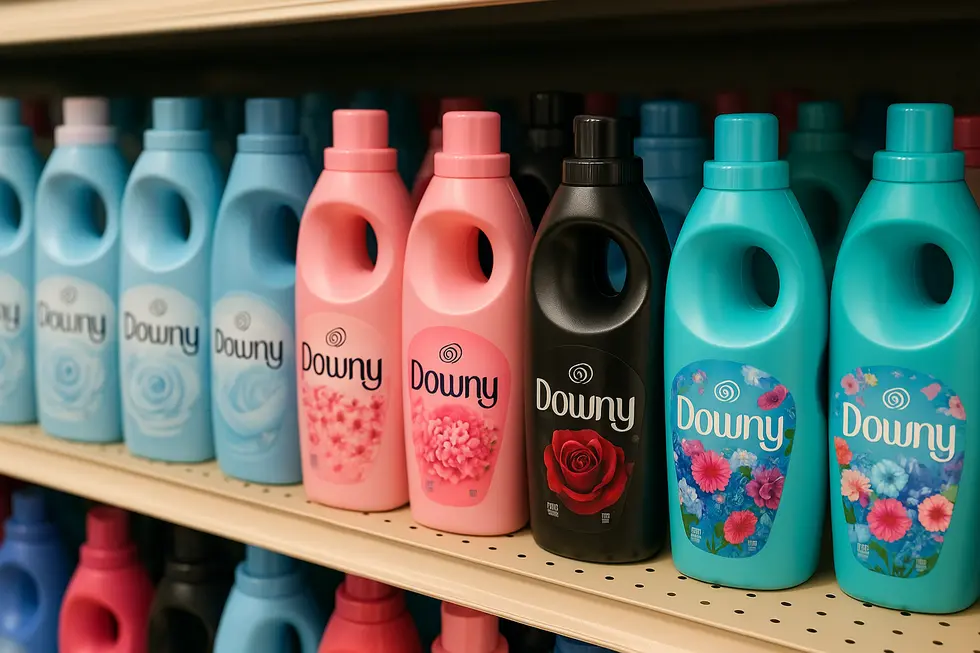
It is important to remember that using too much softener in an HE washer can lead to a build-up of organic residues, which may encourage mildew growth inside the washer drum. To prevent this, always measure your softener using the cap lines rather than simply pouring it directly into the dispenser by eye.
How to Safely Apply Downy Softener
To maximize the benefits of fabric softener and avoid common pitfalls, it is crucial to follow a structured approach to application. Follow these practical steps:
- Measure Carefully: Check your load size and use the markings inside the Downy cap. Never overfill beyond the dispenser\’s maximum line.
- Dilute If Necessary: If you use an automatic dispenser that tends to clog, pre-dilute the Downy liquid with a small amount of warm water before adding it to the compartment.
- Add at the Right Time: Always add liquid softener during the final rinse cycle. If added during the wash cycle, the anionic surfactants in your laundry detergent will neutralize the cationic softeners, rendering both products completely ineffective.
- Keep Your Machine Clean: Run a monthly cleaning cycle with hot water and white vinegar or a dedicated washing machine cleaner to dissolve any lingering softener residues.
Debunking Myths: The Truth Behind Downy Softener Facts
There are several misconceptions surrounding fabric softeners online. Let\’s analyze these myths systematically to uncover the true Downy Softener Facts based on laboratory testing and fabric care guidelines.
Myth 1: Fabric softeners ruin towel absorbency forever.
While it is true that overusing fabric softeners can build up a hydrophobic coating on cotton loops, reducing absorbency, this is not permanent. Simply washing your towels with a cup of distilled white vinegar or a baking soda wash once every few weeks will strip away the excess build-up, restoring full absorbency while keeping the fibers exceptionally soft.
Myth 2: Downy is unsafe for all activewear.
Some sportswear fabrics rely on capillary action to wick moisture away from your skin. Cationic coatings can sometimes clog these micro-channels. However, Downy offers specialized lightweight formulas, and when used at half-strength, they can reduce static cling in synthetic workout gear without severely affecting sweat-wicking performance. For premium advice on delicate materials, consult The Spruce Laundry Guide.
Downy Product Comparison Table
To help you choose the ideal option for your specific household needs, here is a detailed breakdown of the different Downy options available on the market:
| Product Type | Primary Benefit | Best Used For | Dosage Method |
|---|---|---|---|
| Downy Liquid Softener | Deep fiber conditioning & softness | Cotton bed sheets, everyday apparel | Dispenser drawer or agitator cup |
| Downy Dryer Sheets | Maximum static control & wrinkle reduction | Synthetics, quick dry cycles | Tossed directly into the dryer drum |
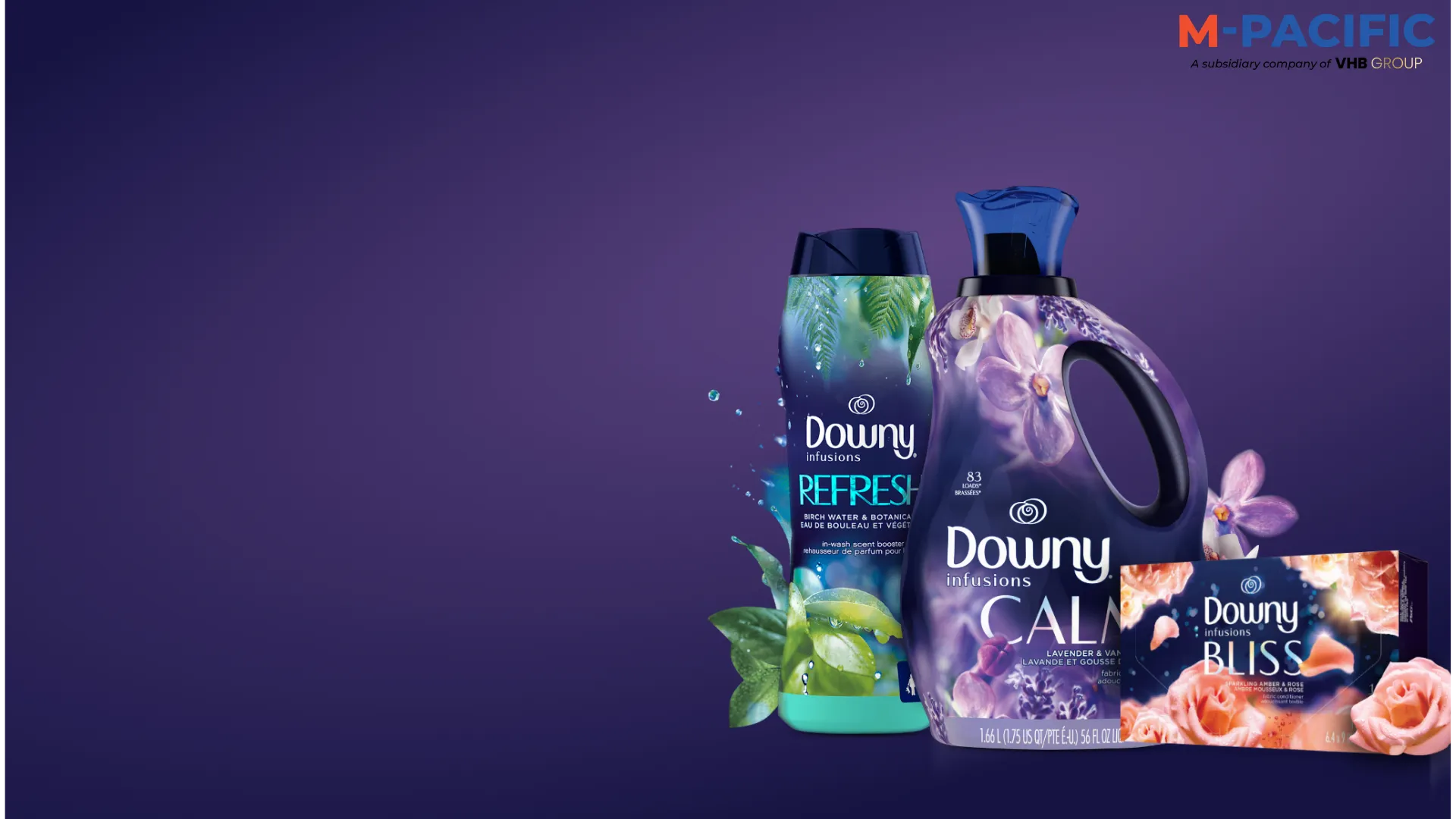
| Downy Scent Boosters | Long-lasting scent longevity (up to 12 weeks) | Seasonal storage, activewear, bedding | Sprinkled into the wash drum before clothes |
Conclusion
Integrating these essential Downy Softener Facts into your regular home maintenance routine will help extend the life of your garments, keep your clothes feeling incredibly soft, and protect your appliances. By understanding the science behind fabric care, measuring your products carefully, and avoiding common misconceptions, you can achieve professional-quality results right in your own laundry room. Ready to elevate your home care routine with the best products? Contact us today to explore our full range of fabric care solutions!











