

The history of modern male grooming changed forever with the Gillette Razors Origin, an event that redefined safety, convenience, and industrial manufacturing. Before this invention, shaving was either a dangerous daily gamble with a straight razor or an expensive luxury reserved for professional barber shops. Today, grooming is an effortless ritual, thanks to a system pioneered over a century ago.
As a foundational pillar of the global personal care industry, the evolution of shaving systems has dictated consumer buying behaviors and retail structures for decades. By exploring the history of this dominant brand, we gain valuable insights into product design, brand development, and modern inventory strategies.
Table of Contents
- The History and Gillette Razors Origin Story
- Key Milestones in the Gillette Razors Origin
- Evolution of Shaving Technology Post-Origin
- Why Understanding the Gillette Razors Origin Matters Today
- Original vs. Modern Shaving systems
- Frequently Asked Questions
The History and Gillette Razors Origin Story
The story begins in 1895 with a frustrated traveling salesman named King Camp Gillette. Living in Brookline, Massachusetts, Gillette struggled to achieve a clean shave using a standard straight razor. The blades of the era required regular sharpening with a leather strop and periodic professional honing. They were expensive, difficult to maintain, and highly hazardous in inexperienced hands.
Gillette envisioned a radically simple alternative: a thin, double-edged steel blade clamped securely within a T-shaped handle. This razor would be cheap enough to throw away once it became dull, eliminating the need for maintenance. For years, contemporary metallurgists and engineers told Gillette his idea was structurally impossible. They argued that sheet steel could not be made thin, strong, and sharp enough to cut hair without warping or breaking.
The breakthrough came when Gillette partnered with William Emery Nickerson, a brilliant graduate of the Massachusetts Institute of Technology (MIT). Nickerson designed the mechanical tooling and hardening processes necessary to manufacture thin carbon steel blades at scale. Together, they laid the foundation for what would become one of the most successful consumer goods enterprises in history.
Key Milestones in the Gillette Razors Origin
Understanding the progression of this invention requires looking at the critical dates that turned an ambitious dream into a global standard. King Gillette’s relentless pursuit of patent protection and manufacturing efficiency created a massive barrier to entry for early competitors.
By securing US Patent 775,134 in 1904, Gillette protected his design of the safety razor with a disposable blade. Early sales were slow; in 1903, the company sold only 51 safety razors and 168 blades. However, by 1904, as production stabilized and public confidence grew, sales surged to 90,844 razors and 123,648 blades. Gillette’s unique marketing engine was officially set in motion.
Evolution of Shaving Technology Post-Origin
After establishing the safety razor concept, the company didn’t sit still. Innovation became the engine of growth. During World War I, Gillette struck a monumental supply deal with the United States Armed Forces. The company provided 3.5 million razors and 36 million blades to US soldiers, standardizing safety razors for an entire generation of American men.
In the mid-20th century, materials science advanced rapidly. Gillette introduced stainless steel blades to replace the corrosion-prone carbon steel models. The company also introduced adjustable safety razors, enabling users to fine-tune the exposure of the blade edge depending on their skin sensitivity and hair density.
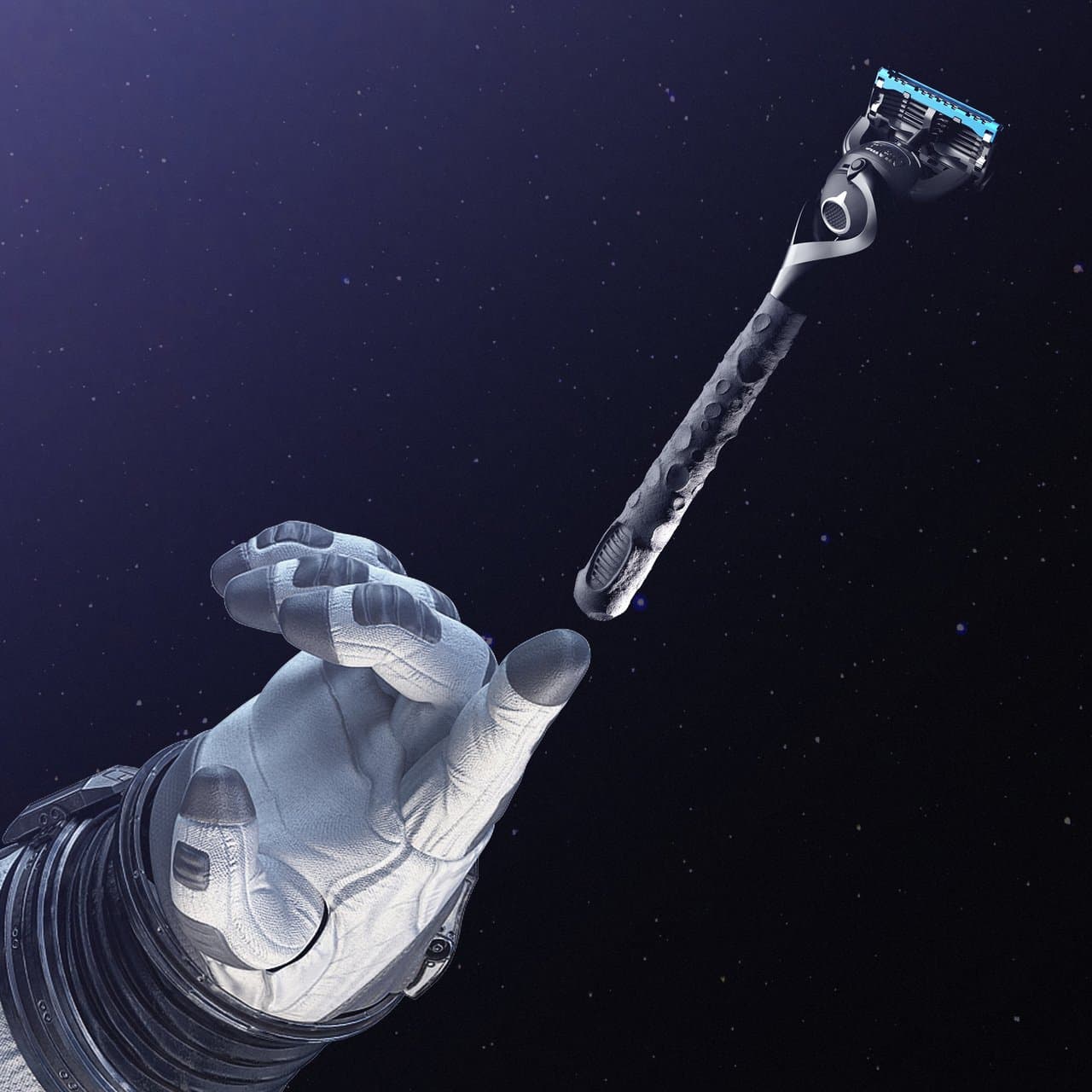
By the late 20th century, the system evolved from double-edge blades to cartridge systems. This shift marked a strategic pivot in the personal grooming sector. The introduction of the Trac II (the first twin-blade razor) in 1971, the Mach3 in 1998, and the Fusion in 2006 reinforced Gillette’s position as the primary innovator in performance shaving technology.
Why Understanding the Gillette Razors Origin Matters Today
Analyzing the historical trajectory of the Gillette Razors Origin helps business owners, market analysts, and logistics managers understand consumer loyalty and brand equity. King Gillette popularised the legendary “Razor and Blade” business model: selling a durable primary asset (the razor handle) at a low margin—or even at a loss—to guarantee recurring, high-margin sales of consumables (the blades).
For modern retail operations, Gillette products remain an essential anchor in the grooming category. Because of their continuous market presence and high demand, wholesale distributors must source their inventory strategically. For a complete blueprint on global sourcing, consult our detailed gillette razors global wholesale supply guide to streamline your procurement chain.
Original vs. Modern Shaving Systems
To highlight the progression of shaving design, let us examine the engineering differences between King Gillette’s original safety razor and modern multi-blade systems:
| Feature | Original 1903 Safety Razor | Modern Multi-Blade Cartridges |
|---|---|---|
| Blade Design | Single, double-edged thin steel blade. | Multiple progressive blades (3 to 5+). |
| Blade Angle | Fixed by clamping handle, manual angle control. | Spring-loaded, pivoting head with skin guards. |
| Material Composition | High-carbon steel (prone to rust). | Stainless steel coated with platinum, Teflon, or chrome. |
| Business Strategy | Affordable handles, high-margin replaceable blades. | Premium ergonomic handles, high-tech cartridges. |
| Skin Protection | Simple safety guard comb. | Lubricating strips, microfins, and flexball tech. |
Conclusion
Tracing the historical path of the Gillette Razors Origin reveals a legacy of practical engineering, bold patenting, and disruptive business modeling. What began as a moment of morning frustration transformed into a massive manufacturing empire that dictates global personal care standards to this day. By keeping pace with engineering advancements while remaining loyal to the core disposable model, Gillette continues to dominate bathrooms worldwide. Whether you are a consumer looking for a perfect shave or a business optimizing stock through our professional supply routes, the legacy of Gillette’s 1903 innovation remains as sharp and influential as ever.











