

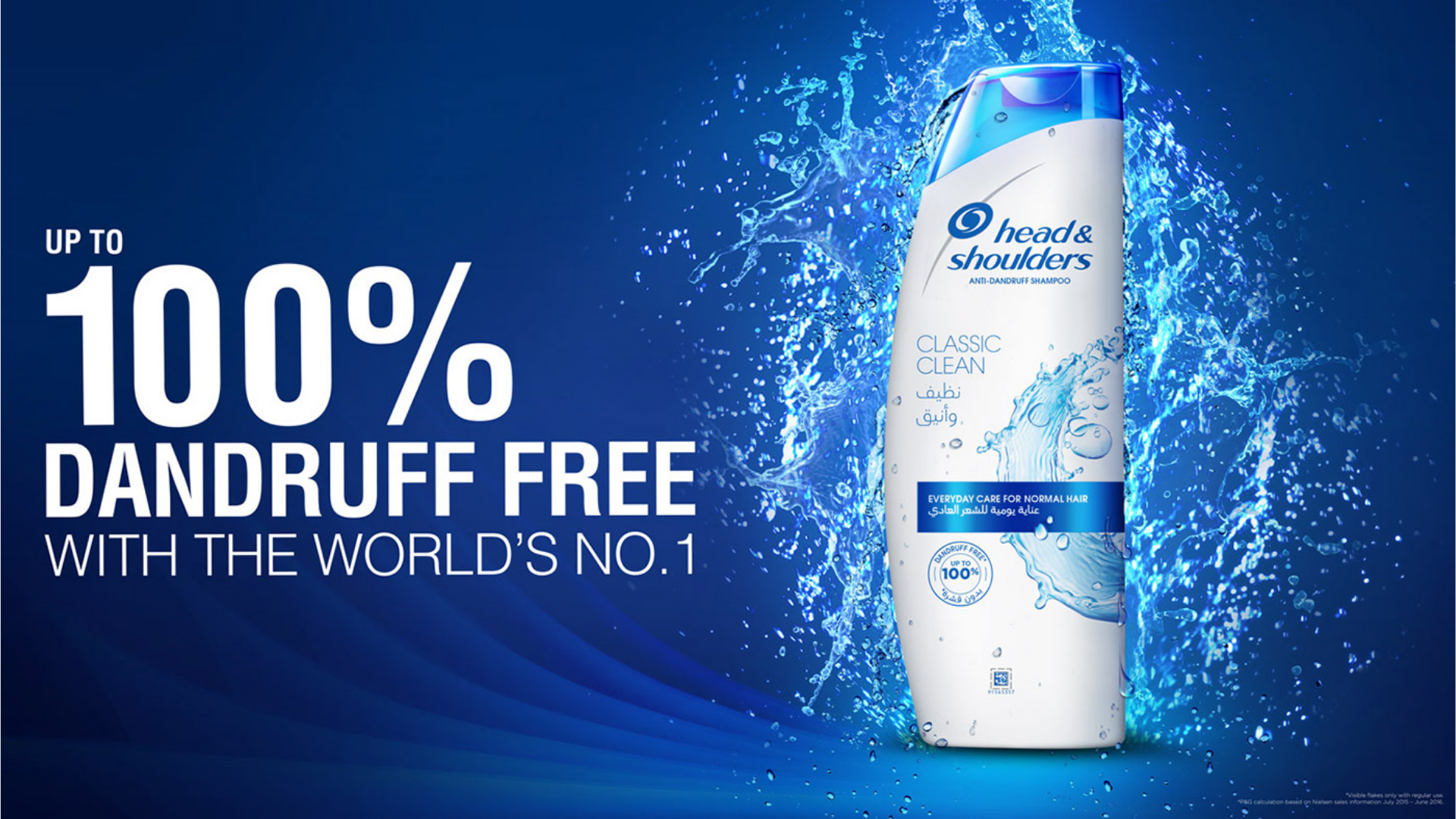
When exploring the history of scalp hygiene, uncovering the most surprising Head & Shoulders facts reveals how this brand revolutionized the entire personal care industry. For decades, millions of people worldwide have turned to this iconic blue-bottled clinical solution to treat persistent dandruff, often without realizing the extensive scientific breakthroughs and historical milestones that power every drop. Understanding how this brand fits within the modern evolution of personal care is key to making informed choices about your daily hygiene routine.
Whether you struggle with seasonal dryness, chronic seborrheic dermatitis, or simply want to optimize your hair’s natural luster, knowing the science behind your products is essential. This comprehensive analysis dives deep into the clinical trials, sustainable manufacturing shifts, and chemical formulations that have defined this brand for over half a century.
Table of Contents
- The History Behind Head & Shoulders Facts
- Crucial Head & Shoulders Facts About Active Ingredients
- #scalp-benefits”>How Head & Shoulders Facts Benefit Your Scalp
- Head-to-Head: Brand Comparison Table
- Surprising Sustainability Head & Shoulders Facts
- Frequently Asked Questions
- Conclusion
The History Behind Head & Shoulders Facts
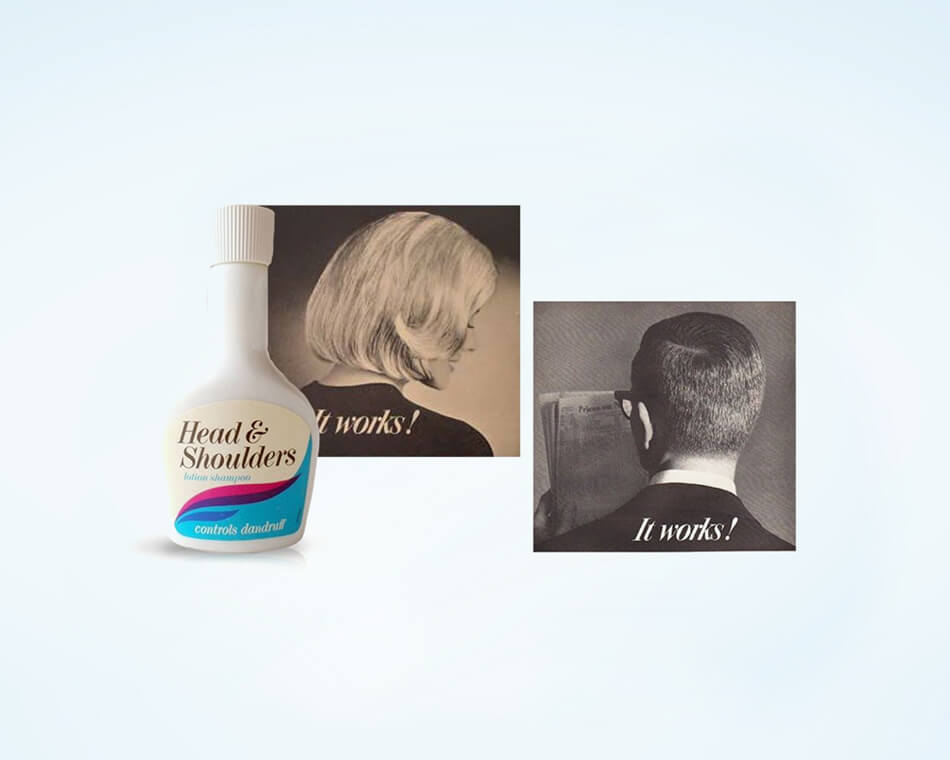
Before the mid-20th century, treating dandruff was an uncomfortable, smelling, and highly ineffective process. Consumers had to rely on harsh remedies containing coal tar, sulfur, or heavy oils that stripped the hair of nutrients while leaving an unpleasant odor. Procter & Gamble recognized this significant consumer pain point in the late 1940s and initiated an intensive research program to find a reliable solution.
In 1961, after a decade of dedicated research involving over 1,000 compounds, researchers successfully introduced a revolutionary treatment to the market. By adding Zinc Pyrithione (ZPT) to a consumer-friendly formula, they created a product that not only eliminated flakes but also left the hair feeling soft, clean, and smelling fresh. This historical breakthrough is one of the most critical foundational milestones in mass-market cosmetic science.
Crucial Head & Shoulders Facts About Active Ingredients
When studying verified Head & Shoulders facts, it is clear that the brand’s global success lies in its targeted chemical formulations. Dandruff is primarily caused by a naturally occurring microbe on our scalps called Malassezia globosa. This microbe feeds on natural sebum and produces oleic acid, which irritates the skin of sensitive individuals, causing rapid skin cell shedding.

To combat this biological process, the brand relies on two primary active ingredients across its product lines:
- Zinc Pyrithione (ZPT): An antifungal and antibacterial agent that targets and controls Malassezia globosa populations, dramatically reducing scalp irritation and cell flaking.
- Selenium Sulfide: Used primarily in their Clinical Strength formulas, this powerful compound slows down the overproduction of skin cells and treats more severe, stubborn forms of seborrheic dermatitis.
By balancing these powerful active ingredients with moisturizing agents like almond oil, tea tree oil, and aloe vera, the brand ensures that the shampoo remains gentle enough for daily use while delivering professional-grade therapeutic benefits.
How Head & Shoulders Facts Benefit Your Scalp
Modern clinical research highlights how understanding Head & Shoulders facts can fundamentally improve your daily scalp wellness. The human scalp is a complex ecosystem, requiring a delicate balance of moisture, pH levels, and healthy microflora. Standard clarifying shampoos often strip the scalp’s natural lipid barrier, triggering a defensive overproduction of oil.
Unlike basic cleansers, the formula maintains a skin-optimized pH balance. This prevents dryness and scaling while actively protecting your hair follicles from oxidative stress. Clinical studies tracked by Procter & Gamble demonstrate that consistent use of Zinc Pyrithione not only resolves visual dandruff flakes but also relieves subconscious scratching, which can damage the delicate root structure of your hair over time.
Head-to-Head: Brand Comparison Table
To help you understand how this product compares to other popular anti-dandruff treatments on the retail market, we have compiled a detailed comparison table outlining their unique strengths, active ingredients, and target concerns:
| Brand Name | Primary Active Ingredient | Target Scalp Condition | Fragrance & Usability |
|---|---|---|---|
| Head & Shoulders | Zinc Pyrithione / Selenium Sulfide | Mild-to-Severe Dandruff & Dryness | Pleasant, diverse scents; ideal for daily use |
| Nizoral | Ketoconazole | Severe fungal infections & hair thinning | Medicinal aroma; limited to 2x weekly use |
| Selsun Blue | Selenium Sulfide / Salicylic Acid | Moderate dandruff & oily buildup | Stronger medicinal smell; can be drying |
| Neutrogena T/Gel | Coal Tar Extract | Scalp Psoriasis & Seborrheic Dermatitis | Very strong tar scent; can discolor light hair |
Surprising Sustainability Head & Shoulders Facts
In addition to scientific advancements in scalp biology, the brand has taken massive structural steps toward environmental responsibility. In 2017, the company launched a highly publicized sustainability initiative: manufacturing the world’s first recyclable shampoo bottle made partially from post-consumer recycled ocean plastics.
By partnering with recycling pioneers TerraCycle and Suez, they collected tons of plastic waste from European beaches and successfully integrated it back into their global manufacturing pipelines. This milestone was not just a short-lived marketing strategy; it represented a structural shift within Procter & Gamble to incorporate more PCR (Post-Consumer Recycled) plastics into billions of consumer products, proving that scale and eco-consciousness can coexist.
Conclusion
By examining these critical Head & Shoulders facts, it becomes clear that this brand is much more than just a standard bathroom staple. From its decade-long search for Zinc Pyrithione in the 1950s to its massive contemporary initiatives in ocean-bound plastic recycling, the brand has consistently bridged the gap between modern clinical science and daily usability. Whether you are dealing with seasonal scalp dryness or managing chronic seborrheic conditions, integrating these scientific insights into your routine will help you achieve a healthier, happier scalp.











