

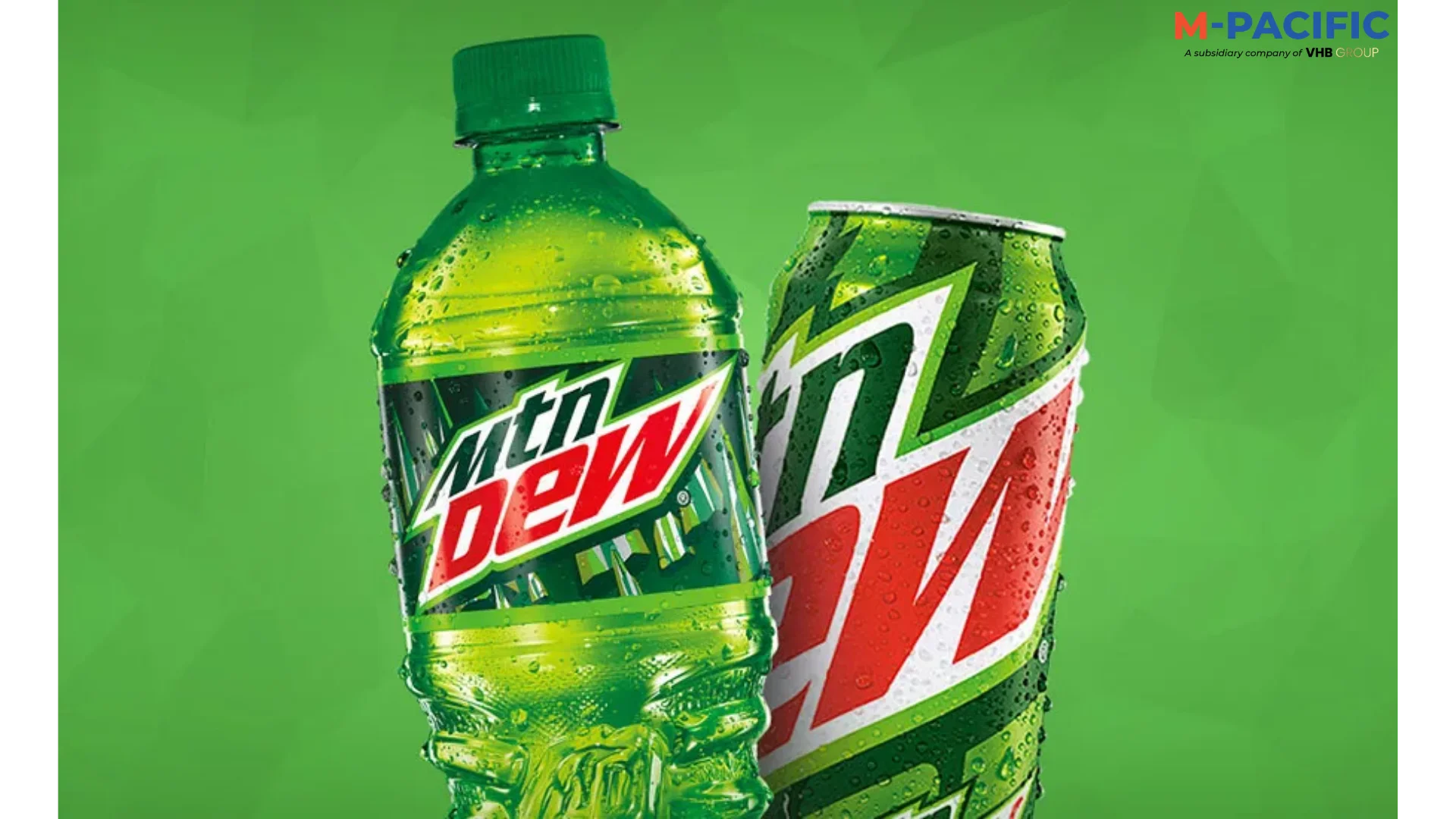
Introduction: The Phenomenon of PepsiCo’s Limited Releases
Understanding the strategic deployment of Mountain Dew Special SKUs is essential for anyone analyzing modern beverage distribution networks. Over the past two decades, PepsiCo has mastered the art of rotational, seasonal, and retailer-exclusive stock-keeping units (SKUs) to drive consumer demand, create artificial scarcity, and maintain brand relevance. While standard offerings like Original Dew and Diet Dew provide a reliable sales baseline, these targeted formulations satisfy a growing demographic of flavor hunters and collectors.
In the highly competitive commercial beverage sector, SKU optimization is the key to maintaining shelf space supremacy. Mountain Dew’s portfolio-diversification strategy has transformed the soda aisle into a dynamic marketplace where specific flavors act as collectable assets. This article explores the history, economic impact, and cultural significance of these rare variants, providing retailers and fans with an expert-level blueprint of the brand’s formula ecosystem.
Table of Contents
- Understanding the Strategic Purpose of Mountain Dew Special SKUs
- The Collector’s Guide to Mountain Dew Special SKUs
- Analyzing the Market Impact of Mountain Dew Special SKUs
- Retail Exclusivity and Supply Chain Logistics
- Comparative Data Analysis of Iconic SKUs
- FAQs About Mountain Dew Special SKUs
- Conclusion: The Future of Mountain Dew Special SKUs
Understanding the Strategic Purpose of Mountain Dew Special SKUs
At its core, the creation of Mountain Dew Special SKUs relies on a psychological trigger known as “Fear of Missing Out” (FOMO). By limiting the production window or geographical availability of a specific flavor, PepsiCo forces consumer action. Instead of purchasing soft drinks as a passive grocery item, consumers actively search, track, and stockpile these unique SKU profiles.
From a manufacturing standpoint, managing multiple active SKUs introduces significant complexity to bottling facilities and distribution centers. Every unique formula requires independent ingredient sourcing, distinct packaging graphics, dedicated quality assurance protocols, and synchronized launch schedules. However, the reward is substantial: localized demand surges, massive organic social media traction, and increased leverage during shelf-space negotiations with major retail chains like Walmart, Kroger, and Target.
Why Mountain Dew Special SKUs Drive Brand Loyalty
The primary mechanism driving the success of Mountain Dew Special SKUs is the gamification of the consumer purchasing experience. When a shopper enters a convenience store and discovers a hard-to-find flavor like LiveWire or Pitch Black, the purchase changes from a basic transaction into a personal victory. This psychological high establishes a deep, interactive relationship between the consumer and the brand. Rather than consuming a generic beverage, the customer participates in a community of enthusiasts who actively review, trade, and document these rare releases across digital platforms.
The Collector’s Guide to Mountain Dew Special SKUs
For collectors, navigating the extensive list of discontinued, regional, and active Mountain Dew Special SKUs requires a systematic approach. The most successful collectors categorize releases by their distribution type: permanent additions, rotational seasonals, and store-specific exclusives. Each category carries a different level of scarcity and demands specific procurement strategies.
The secondary market for unopened, vintage cans of rare SKUs has grown dramatically. Discontinued variations such as Mountain Dew Typhoon, Supernova, and Revolution command high prices on online auction sites. Collectors look for undamaged cans with clear production date codes and intact seals to preserve their value over time.
To safely collect these beverages, enthusiasts should store their cans in temperature-controlled environments away from direct sunlight. Over time, the citric acid and carbonation in older formulations can stress the inner lining of aluminum cans, occasionally leading to pinhole leaks. Serious collectors often bottom-drain their display cans to preserve the exterior packaging graphics without risking liquid-induced corrosion.
Analyzing the Market Impact of Mountain Dew Special SKUs
The release of Mountain Dew Special SKUs yields measurable advantages for both brand owners and independent distributors. According to historical retail sales data, limited-edition flavor drops consistently generate a double-digit percentage lift in total brand sales during their launch quarters. These new, eye-catching flavors draw consumers to the beverage aisle, where they often purchase standard products alongside the promotional items.
Furthermore, these specialty SKUs serve as a valuable testing ground for PepsiCo’s flavor development teams. If a limited-edition SKU performs exceptionally well in test markets, it may be promoted to a permanent nationwide item. The transition of Mountain Dew Voltage from a “DEWmocracy” candidate to a permanent retail staple is a classic example of this customer-led selection process.
Retail Exclusivity and Supply Chain Logistics
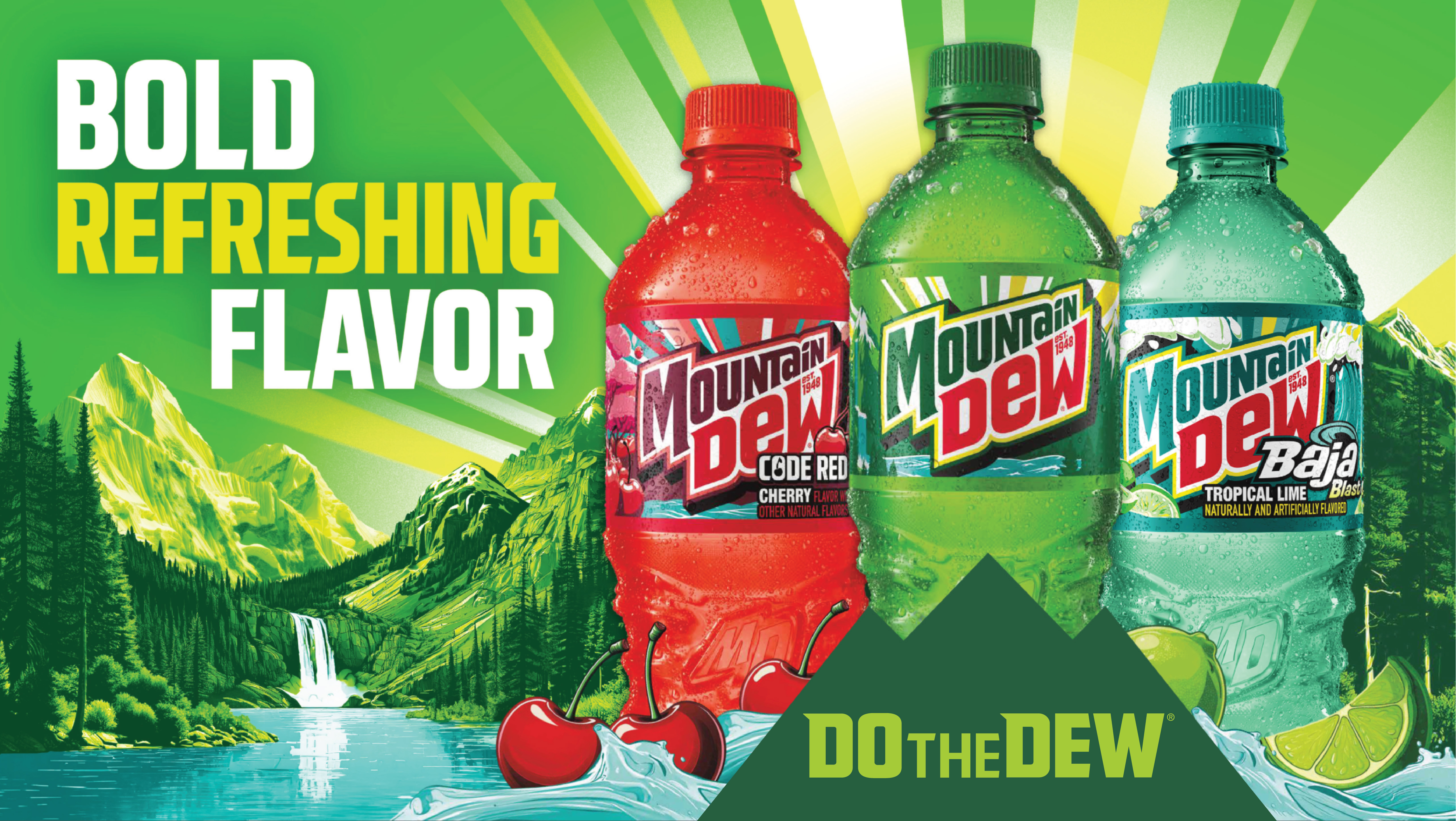
A core element of the Mountain Dew marketing strategy is the establishment of co-branded, retail-exclusive SKUs. These partnerships create a mutually beneficial relationship where PepsiCo supplies a unique flavor to drive foot traffic to a specific retailer, while the retailer heavily promotes the product within their physical stores and digital advertising campaigns.
The most famous example is Baja Blast, which launched in 2004 as an exclusive fountain drink for Taco Bell. The partnership was so successful that it became a cornerstone of both companies’ business models. Over the years, other retailers have followed suit. Speedway acquired Spark (originally an exclusive raspberry lemonade flavor), Dollar General received Liberty Chill, and Sam’s Club featured Berry Monsoon. For deeper insights into historical soft drink marketing, you can read the comprehensive overview of the industry on Wikipedia’s Mountain Dew History.
Comparative Data Analysis of Iconic SKUs
The table below details several of the most influential Mountain Dew Special SKUs, highlighting their primary flavor profiles, release types, and current market availability status.
| SKU Name | Flavor Profile | Release Category | Availability Status |
|---|---|---|---|
| Baja Blast | Tropical Lime | Taco Bell / Seasonal Retail | Permanent (Fountain) / Rotational (Retail) |
| Code Red | Cherry | National Retail | Permanent |
| Pitch Black | Black Grape | Halloween Seasonal / Limited Run | Vaulted (Occasional Re-releases) |
| Voltage | Blue Raspberry & Ginseng | DEWmocracy Program Winner | Permanent |
| Purple Thunder | Berry Plum | Circle K / Holiday Station Stores | Retailer Exclusive |
Conclusion: The Future of Mountain Dew Special SKUs
In summary, the ongoing production and development of Mountain Dew Special SKUs represents a highly effective business strategy that blends traditional beverage manufacturing with modern experiential marketing. By constantly introducing innovative flavor profiles, leveraging exclusive retail partnerships, and engaging directly with an active fan community, PepsiCo has built a durable, resilient brand ecosystem that continues to outperform standard competitors.
Whether you are a retailer trying to optimize your beverage aisle sales or a passionate collector searching for rare cans, keeping up with these limited releases is key to understanding where the carbonated soft drink market is heading. For more details on the latest product drops and flavor innovations, visit the official PepsiCo Brands Portal.











