Navigating the complexities of Coca-Cola B2B Supply is essential for distributors, wholesalers, retailers, and hospitality businesses looking to optimize their beverage procurement strategies and secure steady profit margins.
As the world’s most recognized beverage brand, Coca-Cola demands a sophisticated distribution strategy. Understanding how the global supply chain operates, how localized bottling works, and how wholesale pricing models are negotiated can make or break your inventory efficiency. Whether you manage a nationwide retail chain, an international wholesale distribution group, or an e-commerce grocery platform, this masterclass pillar article breaks down every aspect of sourcing Coca-Cola products at scale.
Table of Contents
- 1. Understanding the Infrastructure of Coca-Cola B2B Supply
- 2. Navigating the Coca-Cola B2B Supply Chain and Logistics Network
- 3. How to Choose the Right Coca-Cola B2B Supply Distributor
- 4. Pricing Models and Margin Optimization in Coca-Cola B2B Supply
- 5. Ensuring Compliance and Quality in Coca-Cola B2B Supply Sourcing
- 6. Sourcing Playbook: Step-by-Step Coca-Cola B2B Procurement
- 7. Frequently Asked Questions (FAQ)
Understanding the Infrastructure of Coca-Cola B2B Supply
To successfully navigate bulk beverage procurement, one must first grasp how the global supply system is structured. Unlike typical consumer packaged goods (CPG) brands that manufacture and ship finished products globally from a few centralized locations, Coca-Cola relies on an intricate, highly decentralized model known as “The Coca-Cola System.”
The Franchise Bottling System and Global Synergy
At the core of this system is a symbiotic partnership between The Coca-Cola Company (the brand and syrup concentrate owner) and hundreds of localized bottling partners worldwide. The parent company manufactures and sells beverage bases, concentrates, and syrups to authorized bottling operations. These bottlers then manufacture, package, merchandise, and distribute the final branded beverages to retail and wholesale customers.
Some of the largest anchor bottlers driving this system globally include:
- Coca-Cola Europacific Partners (CCEP): Serving millions of customers across Europe, Australia, New Zealand, and the Pacific.
- Coca-Cola FEMSA: The largest franchise bottler in the world by sales volume, dominating Latin America.
- Arca Continental: A massive Latin American and North American player managing distribution across Mexico, the Southern US, and parts of South America.
- Swire Coca-Cola: Holding extensive bottling rights across the Western United States and mainland China.
This localized bottling infrastructure ensures that supply chains are highly responsive to regional demand while minimizing international transport costs for water-heavy finished goods.
Concentrate Production vs. Localized Bottling Operations
The split between syrup concentrate production and regional bottling directly impacts the economics of wholesale beverage supply. Because concentrate formulation is highly proprietary and protected, the parent company maintains strict control over concentrate plants. Bottling partners, on the other hand, invest heavily in localized industrial infrastructure, including water purification systems, advanced carbonation equipment, blow-molding packaging plants, and massive warehousing systems.
For B2B buyers, this means that product availability, packaging materials (such as aluminum cans, PET bottles, or returnable glass), and recipe details (e.g., the use of cane sugar vs. high-fructose corn syrup) are highly localized. Sourcing from a bottler in Europe will yield different packaging weights, languages, and formulation standards than sourcing from a bottler in North America or Southeast Asia.
Navigating the Coca-Cola B2B Supply Chain and Logistics Network
Effective logistics management is the cornerstone of successful beverage operations. Beverages are heavy, low-margin products relative to their weight, meaning transportation efficiency directly determines your bottom-line profitability. Optimization in this sector requires understanding the distribution methodologies used by key players in the global logistics network.
Direct-Store-Delivery (DSD) vs. Central Warehouse Systems
The industry utilizes two primary distribution routes to deliver inventory to commercial clients: Direct-Store-Delivery (DSD) and Central Warehouse Systems. Understanding the operational differences between these two models is essential for optimizing procurement channels.
The DSD model bypasses the retailer’s central storage hubs, delivering products straight from the local bottling plant or regional distributor to the retail storefront. Bottlers prefer DSD for high-velocity grocery store accounts because it gives them direct control over shelf merchandising, shelf-life monitoring, and immediate stock replenishment. For the buyer, DSD reduces local warehousing costs but requires higher operational coordination at the storefront level to manage frequent delivery trucks.
Conversely, the Central Warehouse model is heavily utilized by massive wholesale clubs, cash-and-carry businesses, and large e-commerce platforms. Under this setup, bulk orders are delivered in Full Truckloads (FTL) or Full Container Loads (FCL) directly to the buyer’s central distribution centers. Sourcing managers generally prefer warehouse delivery because it allows them to negotiate deeper volume discounts, consolidate freight with other merchandise, and maintain complete control over internal inventory routing.
Managing SKU Complexity and Seasonal Demand Fluctuations
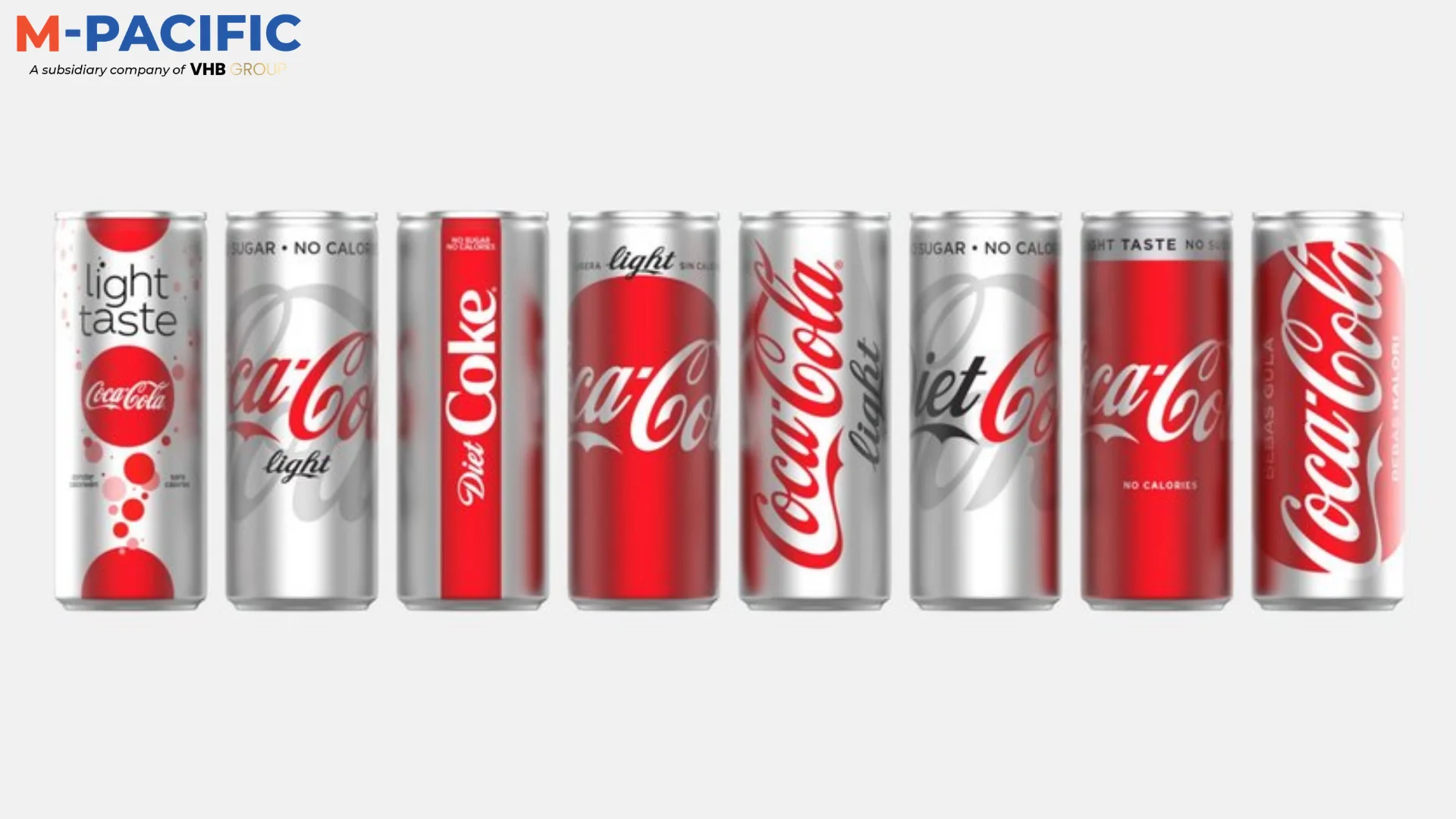
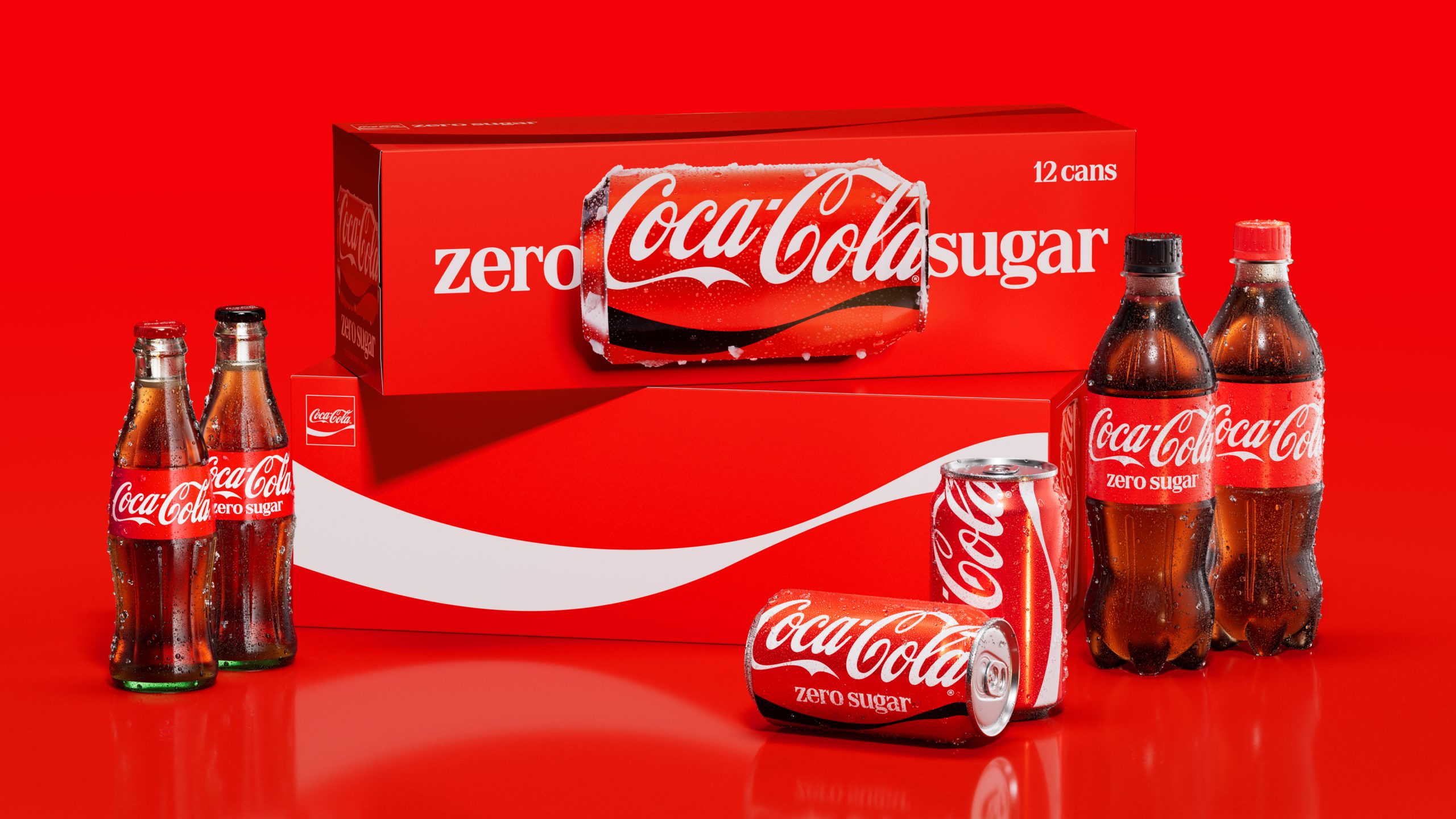
Sourcing managers must navigate massive SKU (Stock Keeping Unit) profiles. The catalog spans classic carbonated soft drinks (CSDs) like Coca-Cola Original Taste, Diet Coke, and Coca-Cola Zero Sugar, as well as adjacent brands like Sprite, Fanta, Schweppes, and smartwater. Each category features a wide array of packaging variations, from 330ml sleek aluminum cans to 500ml PET bottles, 1.5L sharing sizes, and fountain syrup bag-in-box (BIB) configurations for foodservice operations.

Furthermore, beverage consumption is highly seasonal, with demand surging dramatically during summer months, major sporting events, and year-end holiday seasons. Sourcing strategies must account for these demand spikes by executing forward-buying practices. Leading consulting firms like McKinsey & Company consistently emphasize the importance of collaborative forecasting and replenishment (CPFR) to prevent costly stockouts during peak promotional windows.
How to Choose the Right Coca-Cola B2B Supply Distributor
Securing a reliable inventory pipeline requires vetting and selecting the right supply partner. Depending on your business model, scale, and geographic location, different distribution channels present distinct operational trade-offs.
Authorized Bottler Distributors vs. Parallel Importers
B2B buyers generally choose between official authorized bottling distributors and parallel importers (gray market wholesalers).
Authorized distributors are contracted entities operating directly under license from the brand owner. They guarantee 100% product authenticity, consistent freshness, compliance with local labeling laws, and access to direct promotional marketing funds and point-of-sale (POS) materials. However, their pricing is often strictly regulated, and they rarely allow for cross-border shipping due to regional territory restrictions.
Parallel importers source genuine products from low-cost regions and export them to higher-cost markets. While parallel trading can offer significantly lower unit costs—especially for high-volume traders—it carries significant risks. These include potential customs delays, non-compliance with localized ingredient laws (such as banned food colorings or mandatory sugar taxes), and shorter shelf-life guarantees. Additionally, importing across jurisdictions can lead to issues with localized text on the packaging, which may negatively impact consumer trust.
Key Metrics for Supplier Evaluation
When auditing prospective partners, procurement specialists should evaluate the following key performance indicators (KPIs):
- Minimum Order Quantity (MOQ): Does the supplier require full pallet orders, or do they offer split-pallet flexibility?
- Lead Time Consistency: What is the historical on-time in-full (OTIF) delivery rate?
- Cold-Chain and Warehouse Standards: Are products stored in temperature-controlled environments to prevent flavor degradation?
- Shelf-Life Remaining: What is the minimum guaranteed shelf-life upon delivery? (Carbonated beverages in PET plastic lose carbonation faster than those in aluminum cans, making inventory age critical).
The following table provides a quick comparative breakdown of the primary B2B supply channels:
| Sourcing Channel | Average Pricing | MOQ Requirements | Lead Time | Shelf-Life Guarantee | Compliance Risk |
|---|---|---|---|---|---|
| Authorized Bottler | Premium / Standard Contractual | High (Pallets / FTL) | Fast (2-5 Days) | Excellent (Max Freshness) | None (Fully Compliant) |
| Regional Wholesaler | Moderate | Medium (Mixed Pallets) | Moderate (3-7 Days) | Good | Low |
| Parallel Importer | Highly Competitive (Discounted) | Very High (FCL Container) | Slow (Weeks / Months) | Variable (Short-dated risks) | High (Labeling/Tax compliance) |
Pricing Models and Margin Optimization in Coca-Cola B2B Supply
In the highly competitive beverage sector, operating margins are notoriously thin. Succeeding in this space requires a masterclass understanding of wholesale pricing structures, discount tiers, and external macroeconomic cost factors.
Tiered Discount Structures and Volume Rebates
Wholesale pricing is rarely static; it is heavily determined by purchase volume. Suppliers use tiered pricing matrices to incentivize larger orders. Understanding these tiers helps procurement managers schedule orders to optimize landed costs.
- Layer-Level Pricing: Sourcing by the individual case layer on a mixed pallet. This carries the highest unit cost and is typical for small, local retailers.
- Pallet-Level Pricing: Sourcing full, single-SKU pallets. This unlocks standard wholesale discounts and significantly lowers warehousing handling costs.
- Truckload (FTL) and Container-Level Pricing: Sourcing direct-from-bottler truckloads or ocean containers. This triggers the lowest possible unit cost and is utilized by global importers, hypermarkets, and national distributors.
Additionally, annual contract negotiations often include retroactive volume rebates. Under these agreements, if a buyer reaches a specific volume threshold (e.g., purchasing 50,000 cases annually), they receive a percentage rebate on all historical purchases made during that fiscal year.
The Impact of Sugar Taxes and Local Tariffs
Macroeconomic factors play a massive role in final landed pricing. Over the past decade, numerous countries and municipalities have introduced health-related “sugar taxes.” These levies can drastically increase the cost of regular sodas, leading to significant shifts in consumer and buyer behavior. Sourcing managers must carefully balance their portfolios between full-sugar options and low-to-no-sugar alternatives like Coke Zero to mitigate tax exposures.
According to research from Statista, the carbonated soft drink market continues to see robust volume growth, but sugar tax legislation and rising packaging raw material costs (aluminum and recycled PET plastic) are driving average prices upward. Wholesalers must constantly monitor international tariff structures and plastic packaging regulations when moving goods across geographic borders.
Ensuring Compliance and Quality in Coca-Cola B2B Supply Sourcing
FMCG (Fast-Moving Consumer Goods) supply chains are subject to strict health, safety, and regulatory oversights. Failing to adhere to compliance standards can lead to severe legal penalties, inventory seizures, and brand reputation crises.

Product Traceability and Batch Management
Every commercial beverage batch is stamped with a unique lot code and expiration date. Implementing robust warehouse management systems (WMS) is essential for maintaining product traceability. In the event of a product recall, distributors must be able to instantly identify where specific batch numbers were shipped to ensure swift containment.
Adhering to First-In, First-Out (FIFO) inventory management is non-negotiable. Carbonated beverages have a finite peak freshness window. Over time, CO2 gas slowly escapes through plastic bottles, leading to a flat taste profile. Standard carbonated soft drinks packed in aluminum cans typically maintain freshness for up to 12 months, while PET plastic bottles should ideally be sold within 6 to 9 months of production.
Local Labeling and Food Standards Compliance
Different markets mandate specific labeling requirements. Key regulatory hurdles include:
- Language Localization: Many countries legally require ingredient lists, allergen warnings, and manufacturer contact details to be written in the local language directly on the primary packaging or via a firmly affixed sticker.
- Nutritional Labeling Systems: Multi-tiered labeling schemes like the UK’s “traffic light” system, Latin America’s warning octagons, or Europe’s Nutri-Score can affect how products are marketed and taxed.
- Recycling and Deposit Return Schemes (DRS): An increasing number of regions require specific barcode markings or deposit logos on packaging to facilitate recycling bottle-deposit refunds (e.g., Germany’s Pfand or various US state bottle bills). Selling bottles lacking these localized markings can result in heavy financial penalties.
Sourcing Playbook: Step-by-Step Coca-Cola B2B Procurement
For procurement professionals ready to secure their inventory, this structured sourcing playbook details how to execute a successful buying cycle:
- Define Your Target Specifications: Determine the exact SKU mix, packaging preferences (cans, glass, or PET), and formulation needs based on your target market’s preferences and regulations.
- Estimate Your Purchasing Volume: Calculate your monthly and annual demand to understand which pricing tier (pallet, FTL, or FCL) you qualify for.
- Issue a Request for Quote (RFQ): Contact verified distributors or authorized bottling partners. Request comprehensive pricing schedules that include shipping terms (FOB vs. CIF) and minimum order requirements.
- Audit Supplier Compliance: Verify the supplier’s business licenses, warehouse quality certifications, and track record for regulatory compliance.
- Negotiate Payment and Delivery Terms: Establish clear contract terms detailing payment options (e.g., Letters of Credit, Bank Guarantees, or Net-30 credit terms) and logistical lead times.
- Execute a Trial Shipment: Before committing to long-term contracts, run a trial order to test delivery reliability, packaging integrity, and product shelf-life.
Streamline Your Sourcing Operations Today
Succeeding in the modern fast-moving consumer goods industry requires reliable distribution, highly optimized freight lanes, and competitive cost matrixing. By mastering the dynamics of the global bottling system, structuring high-volume purchase contracts, and carefully selecting your distribution channels, you can successfully scale your supply pipeline. Ready to take your commercial procurement strategy to the next level? Contact our expert logistics team today to secure a reliable, fully-compliant, and high-margin Coca-Cola B2B Supply contract tailored to your specific business requirements.