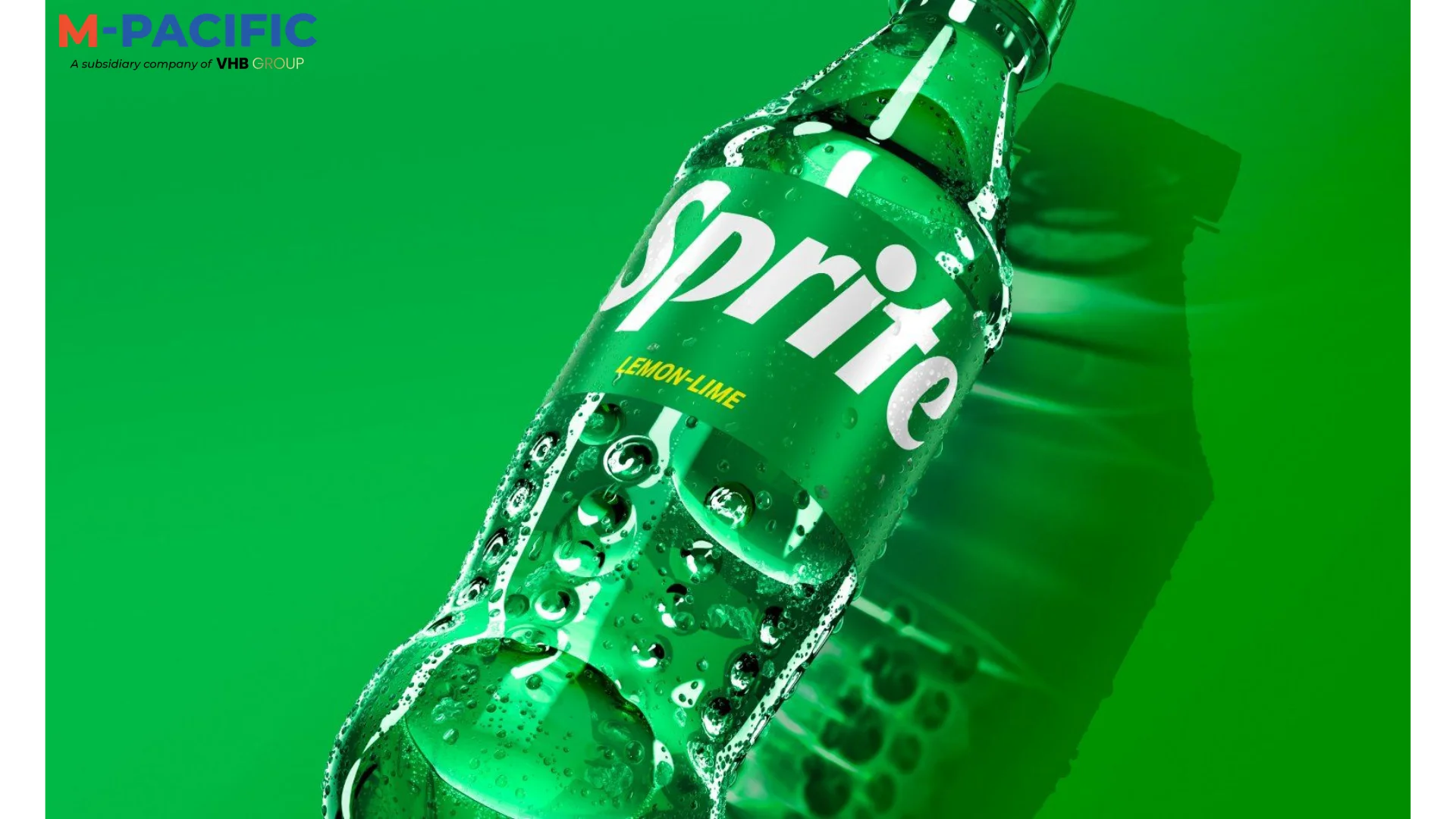
Understanding the Sprite Soft Drinks Origin is essential for anyone interested in the evolution of modern carbonated refreshments. As one of the most recognizable products in the global beverage industry, this crisp, lemon-lime soda has set the standard for carbonated drinks for over six decades. Developed to challenge established competitors, its journey from a regional product in West Germany to an international powerhouse is a masterclass in strategic brand development, precise formulation, and aggressive marketing.
For distributors, retailers, and beverage enthusiasts alike, exploring how this iconic fizzy drink was conceived provides valuable insights into consumer preferences and market dynamics. This article delivers a comprehensive, highly authoritative analysis of the historical roots, ingredients, branding decisions, and industrial scaling of the drink we know today.
Table of Contents
- The Historical Timeline of the Sprite Soft Drinks Origin
- Analyzing the Formulation and Recipe of the Sprite Soft Drinks Origin
- The Key Components of the Sprite Soft Drinks Origin Formula
- Marketing Battles: Sprite vs. 7Up
- Global Expansion and Supply Chain Optimization
- Data Comparison: Sprite vs. Legacy Competitors
- Frequently Asked Questions
- Conclusion & Business Takeaways
The Historical Timeline of the Sprite Soft Drinks Origin
The true story of the Sprite Soft Drinks Origin begins not in the United States, but in West Germany in 1959. Originally developed under the name “Fanta Klare Zitrone” (Clear Lemon Fanta), the beverage was a localized variation of the highly popular Fanta brand. The Coca-Cola Company wanted a clear, caffeine-free lemon-lime soda to capture a share of the rapidly growing clear soda market, which was then heavily dominated by 7Up.
Recognizing the product’s massive cross-border potential, Coca-Cola introduced the soda to the United States market in 1961. To prepare for this major rollout, the company rebranded the drink as “Sprite.” This name was inspired by the “Sprite Boy,” an advertising character created by illustrator Haddon Sundblom in the 1940s to represent Coca-Cola in various promotional campaigns. The transition from a German niche beverage to a major US competitor was immediate, establishing a secure foothold that changed the landscape of the global soft drink industry forever.
Analyzing the Formulation and Recipe of the Sprite Soft Drinks Origin
What sets the Sprite Soft Drinks Origin apart from its historical predecessors is its clean, crisp formulation strategy. While cola beverages relied on complex mixtures of spices, citrus extracts, and vanilla, the creators of Sprite focused on a streamlined taste profile that emphasized intense carbonation paired with highly concentrated lemon and lime oils.
The design goal was simple: create an ultra-refreshing drink with zero artificial colors, zero caffeine, and a balanced acidity level that cleansed the palate. Over the years, the formula has underwent minor local adjustments—such as the substitution of high-fructose corn syrup for real cane sugar in certain regions—but the foundational flavor profile has remained strictly intact. This consistency has ensured that consumers purchasing Sprite anywhere in the world experience the same recognizable, high-quality sensory output.
The Key Components of the Sprite Soft Drinks Origin Formula
Behind the success of the Sprite Soft Drinks Origin formula lies a carefully balanced selection of high-grade food ingredients. Understanding these inputs helps explain why the beverage maintains its shelf stability and refreshing texture:
- Carbonated Water: High-pressure carbonation creates the signature bite and effervescence of the beverage.
- Citric Acid: Provides the vital tartness that balances the sweetness and preserves freshness.
- Natural Lemon and Lime Flavors: Sourced from natural citrus oils to deliver an authentic fruit profile without adding cloudiness to the liquid.
- Sodium Citrate: Acts as a buffer to regulate acidity, ensuring a consistent taste throughout the shelf life.
Marketing Battles: Sprite vs. 7Up
The introduction of the Sprite Soft Drinks Origin sparked one of the fiercest commercial battles in beverage history. In 1961, 7Up was the undisputed king of lemon-lime sodas. However, Coca-Cola capitalized on its massive, pre-existing bottling and distribution network to push Sprite into every grocery store, vending machine, and restaurant fountain across America.
By the 1980s, Sprite began outperforming its competitors through innovative branding. Instead of focusing solely on refreshing qualities, Sprite aligned itself with youth culture, hip-hop, and professional sports—most notably through its long-standing partnership with the NBA and iconic slogans like “Obey Your Thirst.” This clever positioning cemented its status as an edgy, authentic choice for younger demographics, permanently pushing its competitors into secondary market roles.
Global Expansion and Supply Chain Optimization
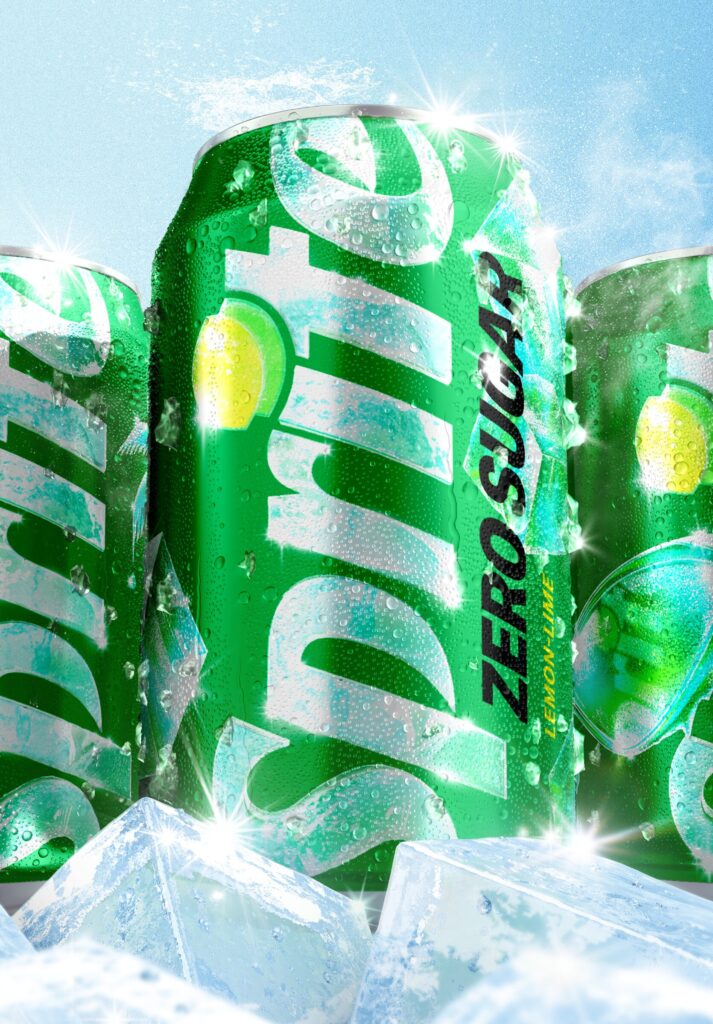
Scaling a beverage globally requires an incredibly organized logistics and packaging model. Today, Sprite is manufactured in over 190 countries under license from The Coca-Cola Company. The shift from glass bottles to lightweight, recyclable aluminum cans and green PET bottles revolutionized the brand\’s operational efficiency.
For wholesale businesses and global distribution partners, securing a steady, reliable supply of this beverage is vital to satisfying consumer demand. Many modern retailers and import/export businesses maximize their profit margins by directly buying Sprite soft drinks in bulk. Sourcing in large volumes from professional international exporters ensures competitive pricing and helps stabilize stock levels against seasonal demand spikes.
Data Comparison: Sprite vs. Legacy Competitors
To understand how the market has shifted since the development of the Sprite Soft Drinks Origin, let us analyze the specifications and market position of major lemon-lime soft drinks in the table below:
| Beverage Brand | Launch Year (US) | Original Concept Origin | Key Flavor Characteristics | Global Availability |
|---|---|---|---|---|
| Sprite | 1961 | West Germany (Fanta Klare Zitrone) | Crisp, highly carbonated, sharp lemon-lime | 190+ Countries |
| 7Up | 1929 | United States (Bib-Label Lithiated Lemon-Lime) | Softer carbonation, subtle herbal-citrus notes | Global (distributed by Keurig Dr Pepper / PepsiCo) |
| Sierra Mist (Starry) | 1999 (Replaced in 2023) | United States | Sweet-forward, real sugar base (previously) | Primarily North America |
Conclusion & Business Takeaways
Ultimately, tracing the Sprite Soft Drinks Origin reveals how strategic formulation, smart rebranding, and optimized logistics can elevate a regional beverage into a global titan. For contemporary beverage companies, wholesalers, and importers, Sprite is more than just a sweet, carbonated drink—it represents a highly stable, high-demand commodity that continues to drive retail traffic globally. Partnering with professional beverage wholesalers to procure authentic Sprite inventory guarantees that you are delivering a product backed by over 60 years of proven consumer loyalty and operational excellence.