Sourcing authentic Wholesale Monster Energy Origin batches is one of the most critical decisions global distributors face when operating in the competitive global beverage sector. Because Monster Energy is a powerhouse brand with multi-billion dollar demand, understanding exactly where your inventory is manufactured, packaged, and legally cleared is the difference between safe customs clearance and costly asset seizures.
Whether you are a bulk importer, large-scale retailer, or independent distributor, tracing your stock back to its true bottling origin helps you mitigate risk, optimize pricing structures, and guarantee compliance with local food safety regulations. This comprehensive B2B manual breaks down everything you need to know about navigating the international trade of Monster Energy products.
Table of Contents
- 1. Decoding the Supply Chain: Wholesale Monster Energy Origin and Manufacturing Plants
- 2. Why Disclosing Your Wholesale Monster Energy Origin Protects Profit Margins
- 3. Global Compliance Barriers for Different Wholesale Monster Energy Origin Batches
- 4. Comparison Table: US vs. EU vs. Asian Monster Energy Origins
- 5. How to Decode Lot Numbers and Verify Authenticity
- 6. Frequently Asked Questions (FAQ)
- 7. Conclusion & B2B Ordering Call to Action
Decoding the Supply Chain: Wholesale Monster Energy Origin and Manufacturing Plants
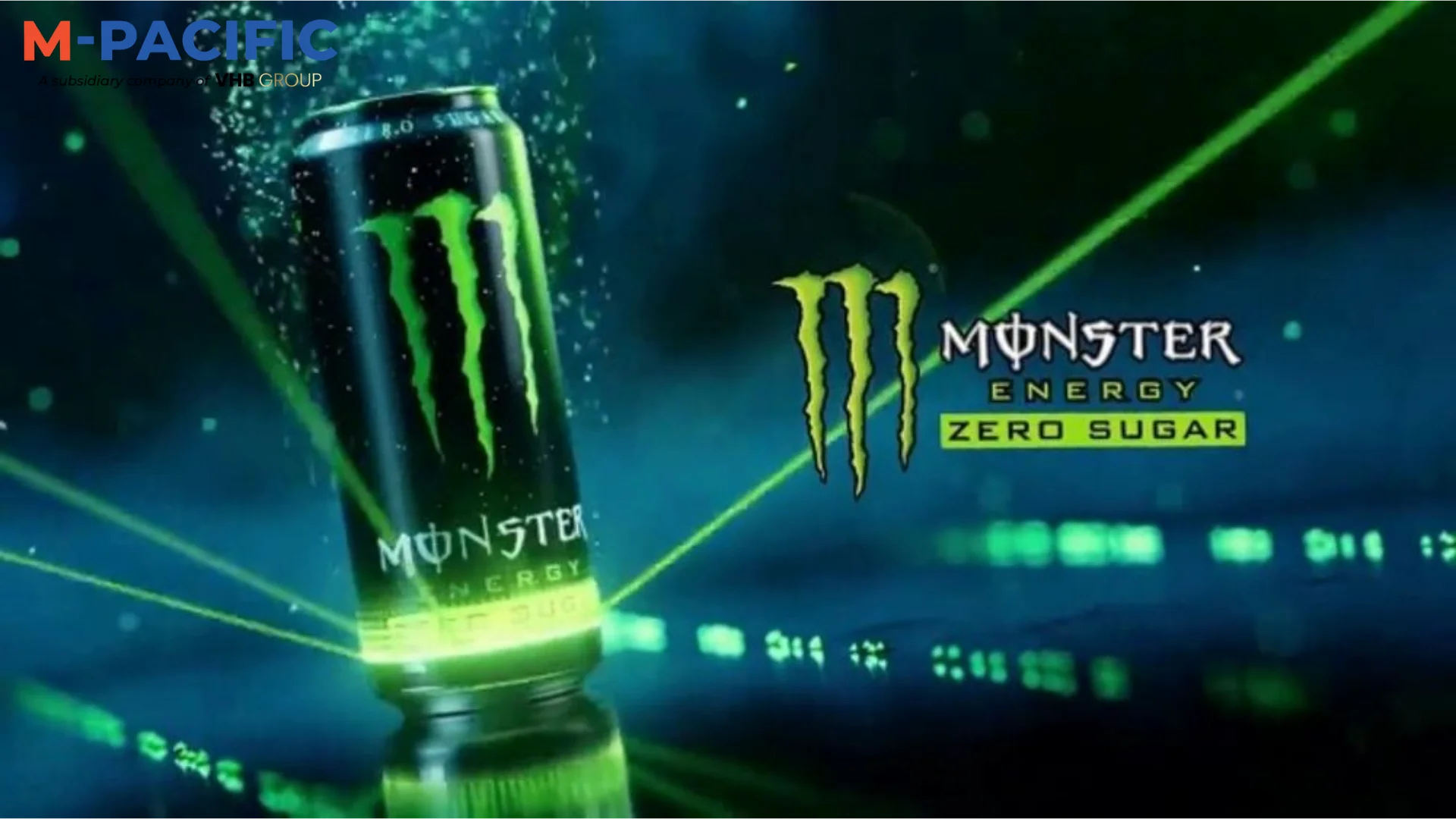
While Monster Beverage Corporation is headquartered in Corona, California, the brand relies on a decentralized, hyper-efficient global production model. Rather than shipping heavy liquids across oceans, Monster coordinates with anchor bottlers—primarily within the massive global networks of Monster Beverage Corp and Coca-Cola Partners—to manufacture products closer to target markets.
Consequently, your Wholesale Monster Energy Origin could stem from several global locations, including the United States, the United Kingdom, Poland, Germany, or South Korea. Each of these manufacturing hubs complies with localized formulas, packaging sizes, and labeling designs tailored to their immediate region. Working with a wholesaler who transparently discloses the exact plant of origin is paramount to maintaining inventory consistency.
Why Disclosing Your Wholesale Monster Energy Origin Protects Profit Margins
Financial Implications of the Wholesale Monster Energy Origin
The manufacturing location of your beverage stock directly dictates your import overhead, tax liabilities, and ultimately, your net profit margins. For instance, importing goods within the European Union benefits from tax harmonization and unified logistics routes. However, importing US-origin Monster cans into Europe or Asia without the correct customs paperwork can trigger steep tariff penalties and import duties.
Furthermore, currency fluctuations play a significant role. When purchasing stock tied to the US dollar, exchange rate volatility can quickly erode margins for European or Asian distributors. Sourcing regional batches tailored to local currencies helps stabilize price lists and protects your bottom line from microeconomic shocks.

Global Compliance Barriers for Different Wholesale Monster Energy Origin Batches
National food and safety authorities have vastly different thresholds for energy drink ingredients. The European Food Safety Authority (EFSA), for example, enforces strict limits on taurine, caffeine concentration, and specific vitamin thresholds. Meanwhile, the FDA in the United States permits slightly different ingredient ratios. A US-origin Monster Energy can imported directly to European shores may be rejected by customs due to unapproved ingredients, labeling formats, or lack of translated allergen warnings.
To avoid compliance issues, international buyers must verify that the labeling on their sourced products matches the target market’s legal regulations. For example, EU regulations require clear indicators of caffeine levels written in localized languages, whereas other countries may require specialized tax stamps or localized importer details printed directly on the aluminum can body.
Comparison Table: US vs. EU vs. Asian Monster Energy Origins
Below is an analytical overview comparing the standard physical and regulatory differences of Monster Energy products across three primary global manufacturing origins:
| Origin Region | Standard Volume | Caffeine Content (Approx) | Primary Language on Can | Target Market Compliance |
|---|---|---|---|---|
| United States | 16 fl. oz (473 ml) | 160 mg per can | English | FDA Standard |
| European Union | 500 ml | 160 mg per can (32mg/100ml) | Multi-Language (EN, DE, FR, PL) | EFSA & Local Country Regulations |
| Asia-Pacific (APAC) | 355 ml | 142 mg per can | Japanese, Korean, or Chinese | MHLW (Japan), local food safety laws |

How to Decode Lot Numbers and Verify Authenticity
Due to the popularity of premium beverages worldwide, gray-market and counterfeit goods occasionally leak into secondary distribution networks. Genuine B2B buyers must know how to audit batch lot codes to verify their Wholesale Monster Energy Origin and manufacturing dates.
On standard aluminum cans, these lot codes are laser-etched directly onto the bottom rim. A typical lot number consists of a combination of letters and numbers outlining the plant code, the calendar day of production, and the manufacturing shift. If your supplier refuses to provide clear lot code samples or certificates of origin (COO) upon request, it is highly recommended to reassess the partnership before transferring funds.
Conclusion & B2B Ordering Call to Action
Navigating the complexities of international trade requires a strategic eye on your supplier’s transparency. By prioritizing clear details on your batch’s Wholesale Monster Energy Origin, you protect your business from legal liabilities, custom delays, and unexpected product variances. Working with an expert wholesale distributor who provides clear Certificates of Origin (COO), compliant labeling services, and reliable logistic pathways is the key to expanding your global presence.
Ready to source high-margin, fully certified, and authenticated pallets of Monster Energy for your distribution network? Contact our expert B2B sales team today to secure a reliable, fully transparent supply chain that meets your exact local regulatory needs.