Understanding the Bulk Kit Kat Candy Origin is essential for anyone involved in the global trade of sweets and snacks. As one of the most recognizable names in the modern confectionery industry, this iconic four-finger wafer chocolate has a rich historical heritage and a complex global supply chain that spans multiple continents. For businesses looking to optimize their sourcing strategy, knowing where and how these treats are manufactured is key to maintaining quality and cost-effectiveness.
Whether you are a wholesaler, a retail buyer, or simply an enthusiast of global sweets, exploring the origins of bulk candy production helps demystify how local recipes evolve into global phenomena. The journey of the Kit Kat from a regional British biscuit to an international confectionery staple reveals the delicate balance between brand consistency and localized manufacturing systems. In this deep dive, we will explore the historical roots, modern manufacturing differences, and crucial logistical strategies necessary for sourcing these sweet commodities at scale.
Table of Contents
- The Historical Journey of the Bulk Kit Kat Candy Origin
- The Impact of Bulk Kit Kat Candy Origin on Recipe Variations
- Cocoa Sourcing and Sustainability Initiatives
- How the Bulk Kit Kat Candy Origin Shapes Global Distribution
- Sourcing Kit Kats: UK vs. US vs. Global Markets
- Frequently Asked Questions
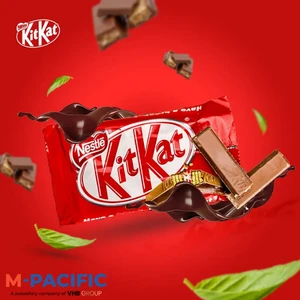
The Historical Journey of the Bulk Kit Kat Candy Origin
The story of the Kit Kat begins in York, United Kingdom, in 1935. Originally launched by Rowntree’s as “Rowntree’s Chocolate Crisp,” the product was designed to be a reliable, packable snack that a worker could easily take to work. The name “Kit Kat” was adopted shortly after, drawing inspiration from the 17th-century Kit-Cat Club. Today, York remains the spiritual and historical home of the brand, producing millions of bars daily for the European market and serving as the foundational reference point for international brand standards.
When Nestlé acquired Rowntree’s in 1988, the global expansion of the brand accelerated exponentially, establishing new production hubs across Europe, Asia, and Latin America. However, the United States market operates under a unique licensing agreement that shapes how domestic buyers source their goods. In 1970, Hershey acquired the rights to manufacture and distribute Kit Kat in the US. This split production means that when we discuss the bulk Kit Kat candy origin, we must distinguish between the Hershey-produced bars in Pennsylvania and the Nestlé-produced bars made across the rest of the world.
The Impact of Bulk Kit Kat Candy Origin on Recipe Variations
The manufacturing source drastically influences the taste, texture, and ingredients of the product. Hershey’s version relies primarily on milk chocolate with sugar, cocoa butter, and lactose, creating a sweeter profile that aligns with classic American palate preferences. Conversely, the Nestlé-produced Kit Kats from York or other global facilities utilize a higher percentage of cocoa and whole milk powder, yielding a richer, creamier chocolate flavor that many international consumers prefer.
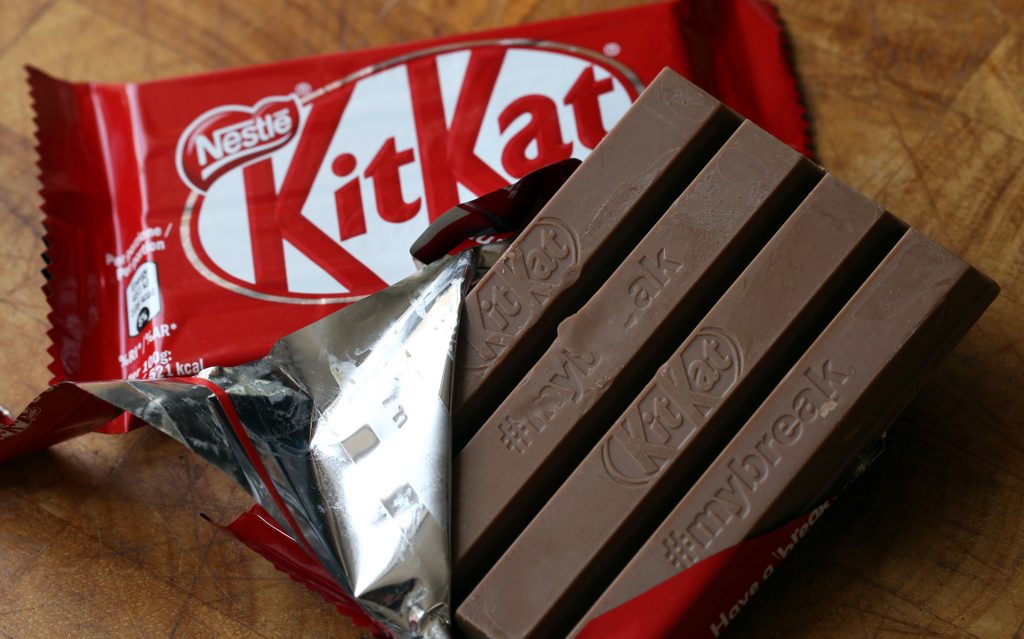
For international distributors, understanding these differences is crucial. Importers sourcing for audiences that prefer traditional European chocolate standards often seek out European-origin inventory, whereas domestic retailers in the Americas rely heavily on the domestic supply chains established by Hershey to keep costs down and shelf availability high.
Cocoa Sourcing and Sustainability Initiatives
As consumer demand for ethical sourcing grows, the origin of the raw ingredients has become just as important as the factory origin. Nestlé utilizes its proprietary Cocoa Plan to source certified sustainable cocoa, striving to improve the lives of farming families while addressing deforestation. This plan ensures that bulk buyers of European and global Kit Kats can market their products with robust sustainability credentials.
Hershey operates under its own corporate social responsibility guidelines, sourcing cocoa through certified programs like Fairtrade and Rainforest Alliance. For wholesale businesses, understanding these parallel certification efforts is essential for navigating corporate compliance and fulfilling the modern consumer’s demand for ethically made chocolate treats.
How the Bulk Kit Kat Candy Origin Shapes Global Distribution
Modern logistics networks have evolved to support the massive volume required for bulk candy distribution. Wholesale buyers must navigate shelf-life limitations, temperature-controlled shipping (reefer containers), and varying import regulations depending on the geographic source of their stock. Setting up a reliable supply channel requires a deep understanding of bulk candy warehousing and distribution pathways.
To secure consistent pricing and steady inventory levels, many wholesale buyers partner with established B2B supply platforms. Leveraging a trusted bulk Kit Kat candy supply chain partner ensures that your inventory matches the regulatory requirements and flavor expectations of your local target market without suffering from unexpected shipping delays or customs complications.
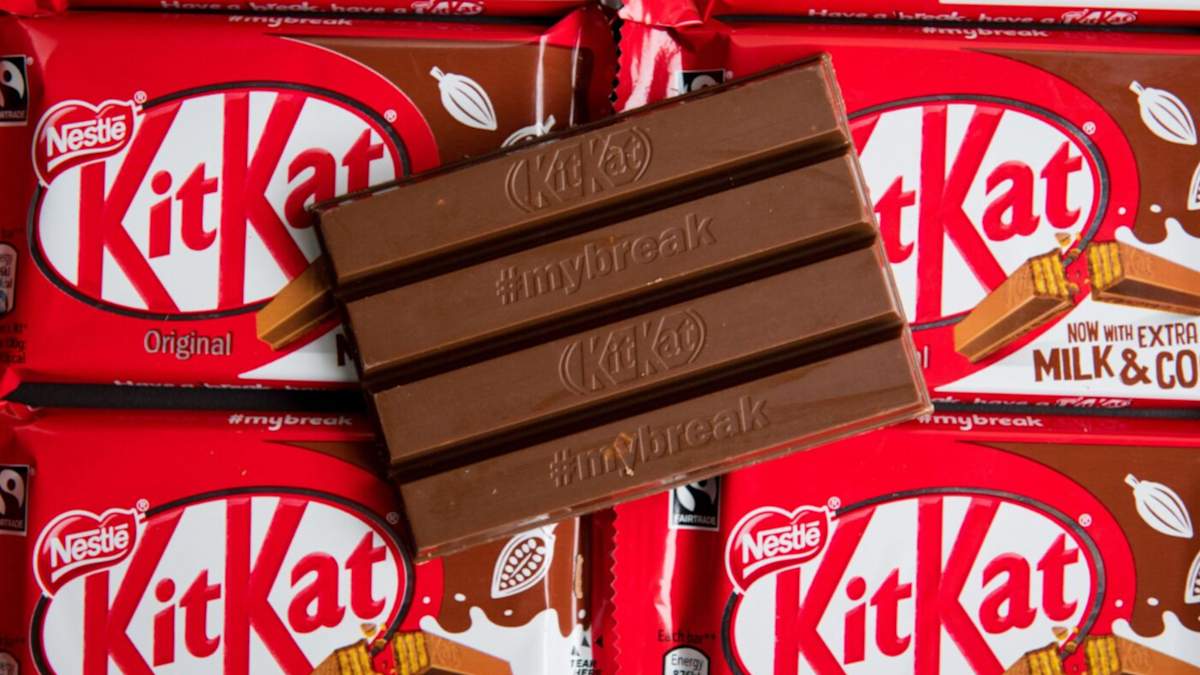
Furthermore, Japan represents a fascinating branch of the Kit Kat family tree. Nestlé Japan has produced over 300 unique flavor variations—from Matcha Green Tea to Sake and Sweet Potato. This specialization has turned the Japanese-origin Kit Kat into a highly sought-after import item, creating a distinct niche market within the broader bulk confectionery industry that commands premium price points.
Sourcing Kit Kats: UK vs. US vs. Global Markets
To help wholesale buyers make informed purchasing decisions, the table below highlights the structural differences between major global production hubs.
| Origin Region | Manufacturer | Primary Cocoa Sourcing | Taste & Ingredient Profile | Target Markets |
|---|---|---|---|---|
| United Kingdom (York) | Nestlé | West Africa (Cargill / Nestlé Cocoa Plan) | Creamy milk chocolate, crisp wafer | UK, Europe, Australia |
| United States (Pennsylvania) | The Hershey Company | West Africa & Americas | Sweeter, sugar-forward milk chocolate | North America |
| Japan (Kasumigaura / Himeji) | Nestlé Japan | Global Blend (Nestlé Plan) | Highly diverse flavors (Matcha, Wasabi, etc.) | East Asia, International Import Markets |
Whether you prioritize the classic formula from the UK or seek the specialized variations from Japan, choosing the right source location directly impacts consumer satisfaction, freight costs, and repeat business. Understanding these global nuances allows your enterprise to position its inventory effectively in a competitive landscape.
Conclusion
In summary, analyzing the Bulk Kit Kat Candy Origin is more than just a historical exercise; it is an essential operational strategy for modern food distributors and retailers. From the factory floors of York to the specialized production lines in Japan and Pennsylvania, each origin point offers distinct advantages in taste, licensing, and supply chain logistics. To elevate your inventory options and secure top-tier shipping standards, make sure to work closely with an expert bulk Kit Kat candy supply provider today.
Bulk Kit Kat Candy Origin FAQ
Disclaimer: Unless otherwise stated, the images used in this article are the property of their respective owners. We do not claim ownership of any third-party images featured, and they are used here strictly for informational and educational purposes. If you are the copyright holder and wish to have an image removed, please contact us.