Uncovering the history of the Olay Skincare Cream Origin reveals a fascinating narrative of cosmetic innovation, love, and evolution in the beauty industry. Decades before it became a global drugstore phenomenon, this pink beauty fluid was born out of a simple, empathetic desire to help women feel comfortable in their own skin. Today, understanding this history is essential for anyone interested in the foundational science of modern personal care formulations.
By studying how this single product evolved from a humble South African home kitchen into a cornerstone of multi-billion dollar skin health portfolios, we gain deep insights into ingredient efficacy and market adaptability. This comprehensive guide details the historical roots, breakthrough ingredients, and industrial transformations of Olay.
Table of Contents
- Unveiling the Olay Skincare Cream Origin: The Love Story Behind the Formula
- Key Ingredients in the Original Olay Skincare Cream Origin Formula
- How the Olay Skincare Cream Origin Redefined Modern Moisturizing
- Historical Comparison: 1952 vs. Modern Formulations
- Industrial Expansion and Global Supply Chains
- Frequently Asked Questions
- Conclusion & Key Takeaways
Unveiling the Olay Skincare Cream Origin: The Love Story Behind the Formula
The story of the Olay Skincare Cream Origin began in 1952 in South Africa. Graham Wulff, a talented ex-Royal Air Force basic chemist and entrepreneur, noticed a persistent problem plaguing his wife, Dinah, and many other women of the era. The post-war beauty market was dominated by thick, heavy, and greasy beauty creams that resembled shoe polish more than skincare. These creams were packaged in industrial-looking jars, had a heavy wax base, and left a thick, suffocating white film on the skin.
Dinah Wulff expressed her deep frustration with these heavy ointments, which felt uncomfortable and clogged her pores. Driven by a desire to create a product that could deeply moisturize without leaving a greasy residue, Graham Wulff set to work in his home laboratory. His goal was to develop a light, absorbent fluid that could mimic the natural sebum of human skin, helping it retain moisture naturally while feeling completely weightless.
After months of rigorous experimentation with various emulsifiers and oils, Wulff successfully formulated a delicate, pinkish-purple fluid that absorbed almost instantly. To make the product appeal to the senses, he infused it with a light, fresh floral aroma. This revolutionary liquid was named “Oil of Olay Beauty Fluid”—a clever play on the word “lanolin,” which was one of its core hydrating ingredients.
How the Olay Skincare Cream Origin Redefined Modern Moisturizing
Before the arrival of the Olay Skincare Cream Origin, moisturizers acted merely as heavy occlusive barriers. They sat on top of the stratum corneum (the outermost layer of skin), physically blocking water from escaping but doing very little to actually nourish the skin barrier or improve its texture. Wulff’s formula changed everything by offering a highly sophisticated emulsion.
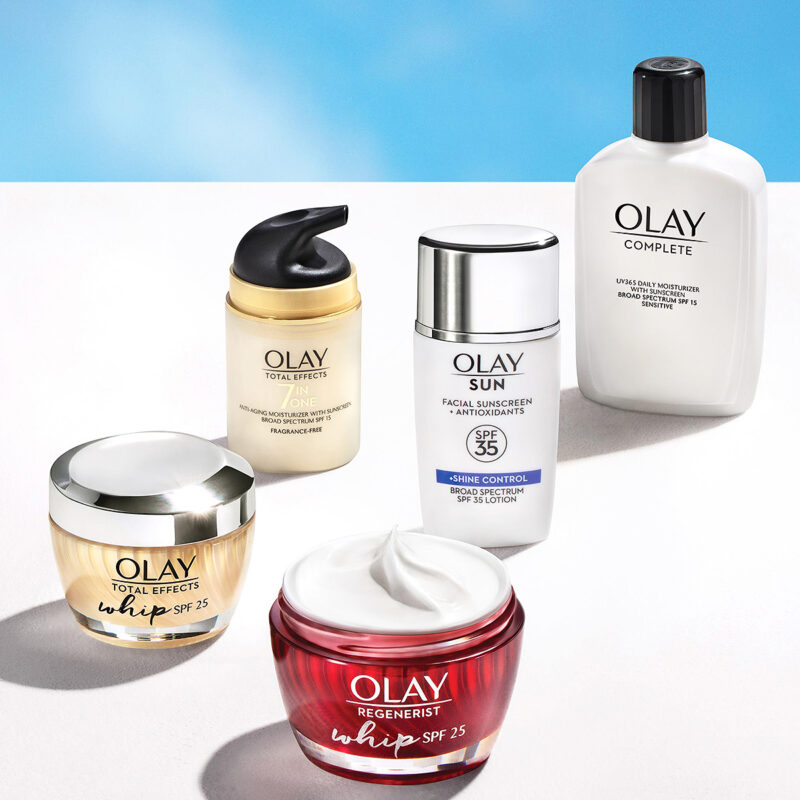
Instead of relying on heavy mineral oils and thick waxes, Wulff utilized an delicate emulsion of water, oil, and liquefied lanolin. Because the formula was a fluid rather than a heavy cream, it could spread easily, absorb deeply, and leave a soft, matte finish. This made it a perfect primer for makeup, allowing women to wear it during the day rather than just before bed.
The marketing of Oil of Olay was also remarkably progressive. Instead of focusing on dry clinical promises, Wulff and his marketing partner, Jack Lowe, promoted the fluid as a “secret to younger-looking skin.” They avoided calling it a moisturizer, instead referring to it as a “beauty fluid” that worked in harmony with the skin’s natural biology. This positioning transformed skincare from a medical necessity into a daily ritual of self-care.
Key Ingredients in the Original Olay Skincare Cream Origin Formula
To truly understand the Olay Skincare Cream Origin, we must look at the key ingredients that made the original formula so unique for its time:
- Purified Water: Provided immediate, essential hydration to dry surface skin cells.
- Lanolin Derivatives: Acted as a powerful emollient, closely mimicking the skin’s natural sebum to prevent moisture loss.
- Glycerin: A highly effective humectant that draws moisture from the air deep into the skin’s outer layers.
- Light Mineral Oils: Formed a breathable, protective moisture-locking barrier without clogging pores.
Historical Comparison: 1952 vs. Modern Formulations
The Olay Skincare Cream Origin laid the groundwork for decades of skincare innovation. Below is a detailed comparative analysis showing how the classic formula has evolved into the scientifically advanced products we see on shelves today:
| Feature/Ingredient | Original Beauty Fluid (1952) | Modern Olay Regenerist (Present) |
|---|---|---|
| Primary Technology | Basic Lanolin-in-Water Emulsion | Advanced Peptide and Niacinamide Complexes |
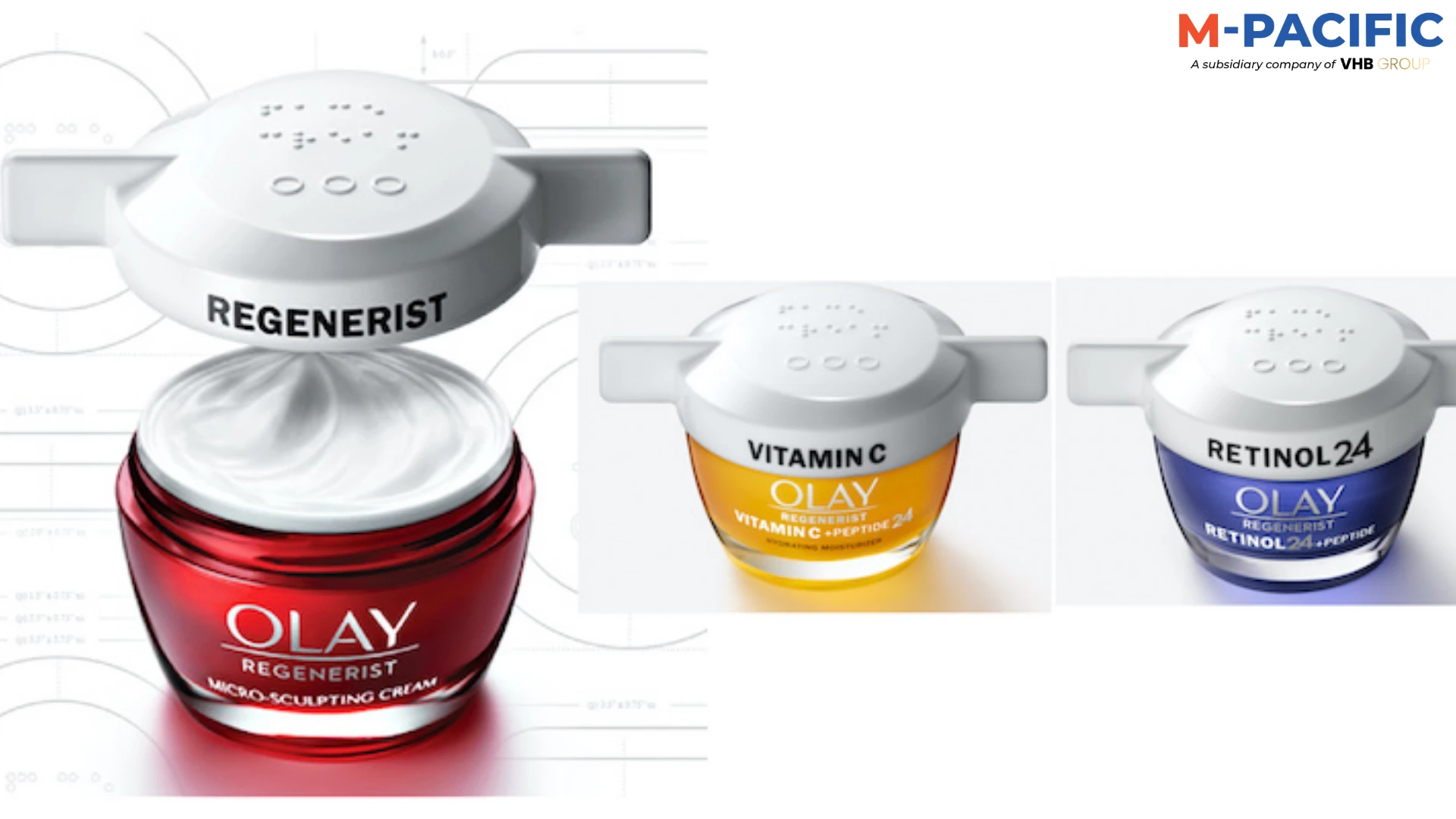
| Key Active Ingredients | Lanolin, Glycerin, Water | Niacinamide (Vitamin B3), Amino-Peptides, Hyaluronic Acid |
| Texture and Feel | Light liquid fluid, slightly pink tint | Silky cream-gel, rapid-absorption texture |
| Targeted Concerns | Dryness and basic moisture loss | Cellular turnover, deep fine lines, elasticity, skin barrier repair |
Industrial Expansion and Global Supply Chains
The incredible success of the Olay Skincare Cream Origin quickly caught the attention of global cosmetic corporations. In 1985, the consumer goods giant Procter & Gamble (P&G) acquired the brand, ushering in a new era of scientific research and global distribution. P&G shortened the name from “Oil of Olay” to simply “Olay” in 2000, aligning the brand with a more modern, clean, and clinical identity.
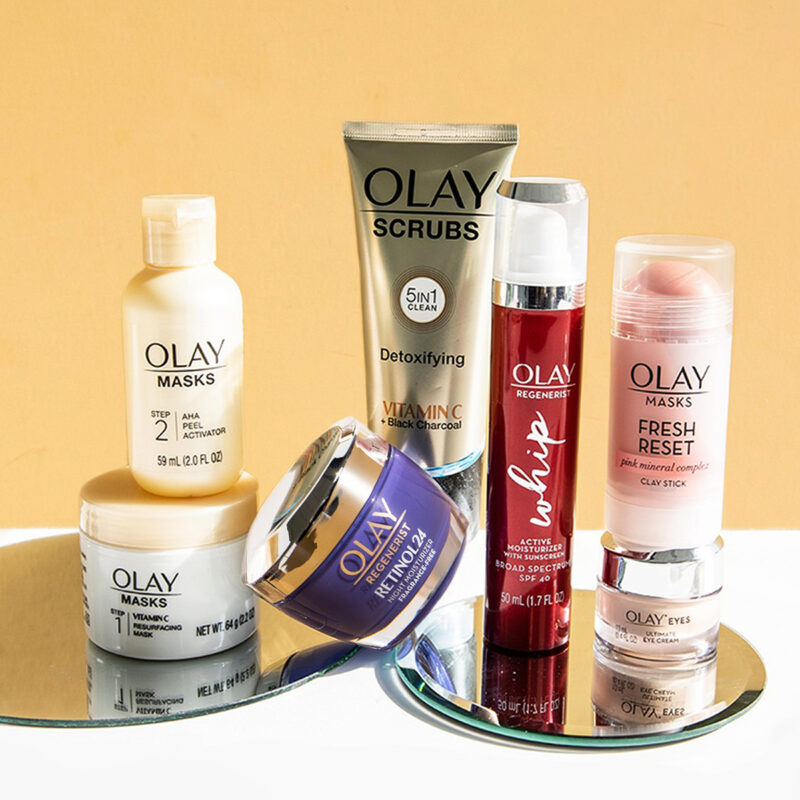
Under P&G’s stewardship, Olay became an absolute powerhouse, driven by advanced research into skin genomics. This growth sparked the massive expansion of the Olay skincare portfolio supply networks. Today, Olay products are manufactured across several state-of-the-art facilities worldwide, ensuring top-tier quality control and stable global distribution for millions of consumers daily.
For more details on the modern branding and market presence of Olay, you can read Wikipedia’s history of Olay.
Conclusion & Key Takeaways
The legacy of the Olay Skincare Cream Origin is a testament to the power of thoughtful, consumer-focused formulation. What began as a loving gesture by Graham Wulff to solve his wife’s daily skincare struggle has evolved into an iconic global brand. By prioritizing lightweight, effective hydration over heavy, occlusive grease, the original formula fundamentally changed how the world thinks about skincare.
Today, Olay continues to lead the industry by combining its rich historical heritage with cutting-edge skincare science. Whether you are a lifelong devotee of the classic Beauty Fluid or a fan of their modern peptide-rich creams, the timeless mission remains the same: helping you achieve healthy, glowing skin.