Understanding the Sting Energy Drink Supply Facts is critical for global distributors looking to capitalize on this fast-growing energy segment. As a massive driver in the global beverage industry, energy drinks continue to experience unprecedented growth across Southeast Asia, South Asia, and the Middle East. For procurement managers and FMCG wholesalers, securing a reliable supply chain requires deep analytical knowledge of the manufacturing origins, packaging standards, and logistics frameworks behind this iconic PepsiCo brand.
Sting Energy has established itself as an affordable yet highly potent energy beverage, carving out a unique niche between premium energy brands and local carbonated soft drinks. However, navigating international distribution networks demands precise details regarding packaging dimensions, minimum order quantities (MOQs), shelf life, and customs compliance. This guide outlines everything you need to know about optimizing your supply chain for this high-velocity product.
Table of Contents
- Crucial Sting Energy Drink Supply Facts for High-Volume Distributors
- Sting Energy Drink Supply Facts: Ingredient Sourcing and Regulations
- Comparing Sting Energy Drink Supply Facts Across Regional Formulations
- Sting Energy Drink Supply Facts: Regional Packaging and Sizes
- Logistical and Palletization Data for Importers
- Frequently Asked Questions (FAQ)
Crucial Sting Energy Drink Supply Facts for High-Volume Distributors
Sting Energy is manufactured under the strict oversight of PepsiCo and its licensed bottling partners worldwide. This decentralized production model ensures that products entering local markets are optimized for shipping costs and regional taste preferences. For instance, massive bottling hubs in Vietnam, the Philippines, Pakistan, and Egypt serve their respective contiguous regions, mitigating transit delays and optimizing stock freshness.
When assessing supplier capability, distributors must evaluate the manufacturer’s plant certifications. Most PepsiCo bottling facilities operate under internationally recognized safety standards, including ISO 22000 and FSSC 22000. These certifications assure distributors that the supply chain maintains a zero-tolerance policy for contamination, ensuring safe delivery from factory floors to consumer baskets.
Furthermore, local supply volume is highly responsive to seasonal peaks. Historically, beverage consumption spikes significantly during summer months and major regional festive seasons. Smart importers work around these surges by locking in production capacities at least 60 to 90 days in advance to guarantee stable inventory levels.
Sting Energy Drink Supply Facts: Ingredient Sourcing and Regulations
From an ingredient standpoint, Sting Energy relies on a standardized, high-performance formulation designed to deliver instant mental and physical stimulation. The primary active ingredients include caffeine, taurine, inositol, and essential B-vitamins (B3, B6, B12). Sourcing these raw components is tightly integrated into PepsiCo’s global agricultural and chemical procurement pipelines, ensuring consistent potency across different production batches.

However, importing distributors must cross-reference regional regulatory requirements before finalizing procurement contracts. For instance, the European Union enforces strict labeling laws regarding high-caffeine beverages, requiring clear warning labels for children and pregnant individuals. Meanwhile, markets in the Middle East mandate stringent Halal certifications. Ensuring your regional bottling source aligns with these local import compliance frameworks is a vital step in maintaining an uninterrupted supply chain.
Sting Energy Drink Supply Facts: Ingredient Sourcing
The manufacturing process relies on highly purified carbonated water, sucrose, and citric acid as the foundational vehicle. Premium flavor compounds, such as strawberry (for the popular Sting Strawberry/Red variant) or ginseng (for Sting Gold), are blended under precise laboratory conditions. Importers should request a Certificate of Analysis (COA) from their suppliers to confirm chemical composition benchmarks, facilitating smooth clearance at national customs checkpoints.
Comparing Sting Energy Drink Supply Facts Across Regional Formulations
To capture diverse consumer bases, PepsiCo tailors both the flavor profile and carbonation intensity of Sting. The most globally recognized flavor is Sting Strawberry (often marketed as “Sting Power Pacq”), celebrated for its sweet, refreshing berry flavor. The second cornerstone variant is Sting Gold (or “Sting Power Lime”), which boasts a sharper, more citrus-forward profiles resembling traditional energy drinks.
Another major structural variable in the global supply of Sting is the formulation sweetening agent. Depending on regional sugar tax structures (such as those implemented in parts of Southeast Asia and the UK), some formulations leverage a blend of sugar and low-calorie artificial sweeteners to keep prices competitive while keeping caloric values low. Importers must be aware of these regional sweetening differences, as they directly influence target market preferences.
Sting Energy Drink Supply Facts: Regional Packaging and Sizes
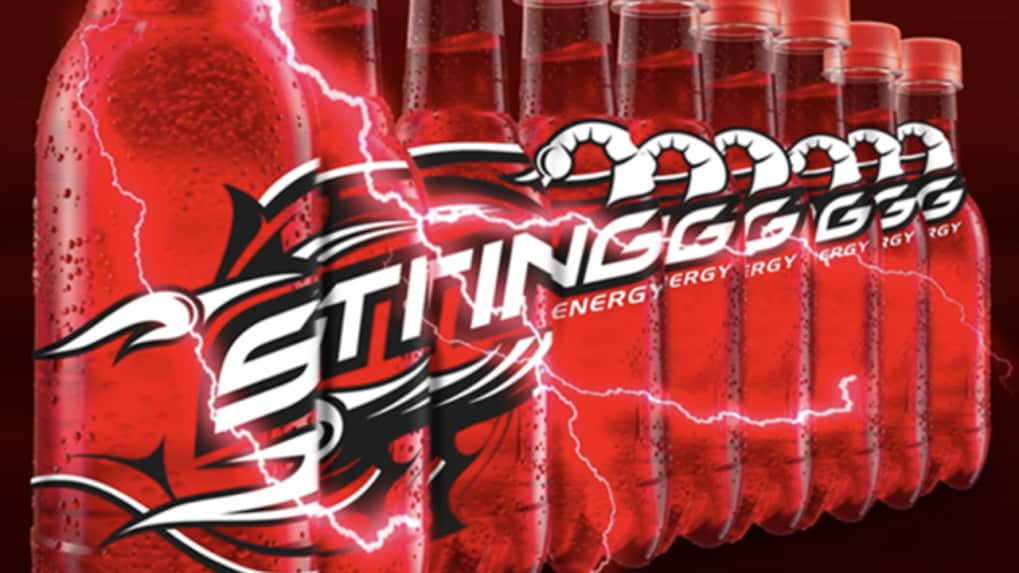
Packaging innovation has been a primary driver of Sting’s market penetration. Depending on the target market, Sting is packaged in either lightweight polyethylene terephthalate (PET) plastic bottles or infinitely recyclable aluminum cans. Aluminum cans (typically 250ml or 330ml sleek cans) are highly favored in modern retail stores and urban centers, whereas PET bottles (typically 330ml) are highly successful in traditional trade channels due to their shatterproof nature and resealability.
Sting Energy Drink Supply Facts: Regional Packaging and Sizes
When preparing logistical models, packaging material directly impacts container utilization. Aluminum cans offer superior thermal conductivity, allowing for rapid cooling in retail refrigerators, but they require robust secondary packaging (such as shrink-wrapped trays on sturdy cardboard pads) to prevent crushing during maritime transport. PET bottles are generally more resilient against minor shipping impacts but occupy slightly more volumetric space per liter.
Logistical and Palletization Data for Importers
To maximize shipping efficiency and lower your cost per unit, logistics managers must analyze exact carton weights and container load capacities. Standardizing ocean freight shipping containers (such as 20ft or 40ft FCLs) is the most cost-efficient method for long-distance transport. Below is a comprehensive comparison table detailing standard logistics specifications for Sting Energy formulations.
| Packaging Type | Unit Volume | Units per Case | Gross Weight per Case (kg) | Estimated Cases per 20ft FCL (Floor Loaded) | Standard Shelf Life |
|---|---|---|---|---|---|
| Sleek Aluminum Can | 250ml | 24 Cans | 6.4 kg | 3,000 to 3,200 Cases | 12 Months |
| PET Plastic Bottle | 330ml | 24 Bottles | 8.5 kg | 2,200 to 2,400 Cases | 6 to 9 Months |
| Sleek Aluminum Can | 320ml / 330ml | 24 Cans | 8.3 kg | 2,400 to 2,600 Cases | 12 Months |
Please note that utilizing pallets will reduce the overall case count per container but significantly speeds up unloading times at the receiving warehouse. Most international ports require ISPM 15 certified heat-treated wooden pallets or plastic pallets to prevent agricultural contamination. Working closely with freight forwarders who understand beverage logistics frameworks will ensure hassle-free cross-border operations.
Temperature control during transit is another critical variable. While Sting Energy is shelf-stable, prolonged exposure to extreme heat (above 40°C or 104°F) in shipping containers sitting at ports can compromise flavor stability, accelerate carbonation loss, and degrade plastic packaging. Utilizing dry van containers with thermal liners or opting for reefer (refrigerated) units during peak summer shipping lanes is highly recommended for maintaining product integrity.

Conclusion: Leveraging Key Supply Insights
Sourcing and importing energy drinks requires a balance of market knowledge and logistical precision. By mastering these critical Sting Energy Drink Supply Facts, global importers, distributors, and cash-and-carry wholesalers can secure reliable inventories, reduce transit damage, and maximize profit margins. Ensuring that your supply chain partners prioritize safety certifications, accurate labeling compliance, and efficient freight configurations will give your business a strong competitive advantage in the high-demand energy beverage market.
Are you looking to scale your FMCG distribution network with high-turnover products? Partner with an experienced supplier to streamline your shipping routes today. Contact us or explore our extensive range of regional beverage solutions to secure your next wholesale shipment of Sting Energy Drink with optimized lead times and competitive pricing.