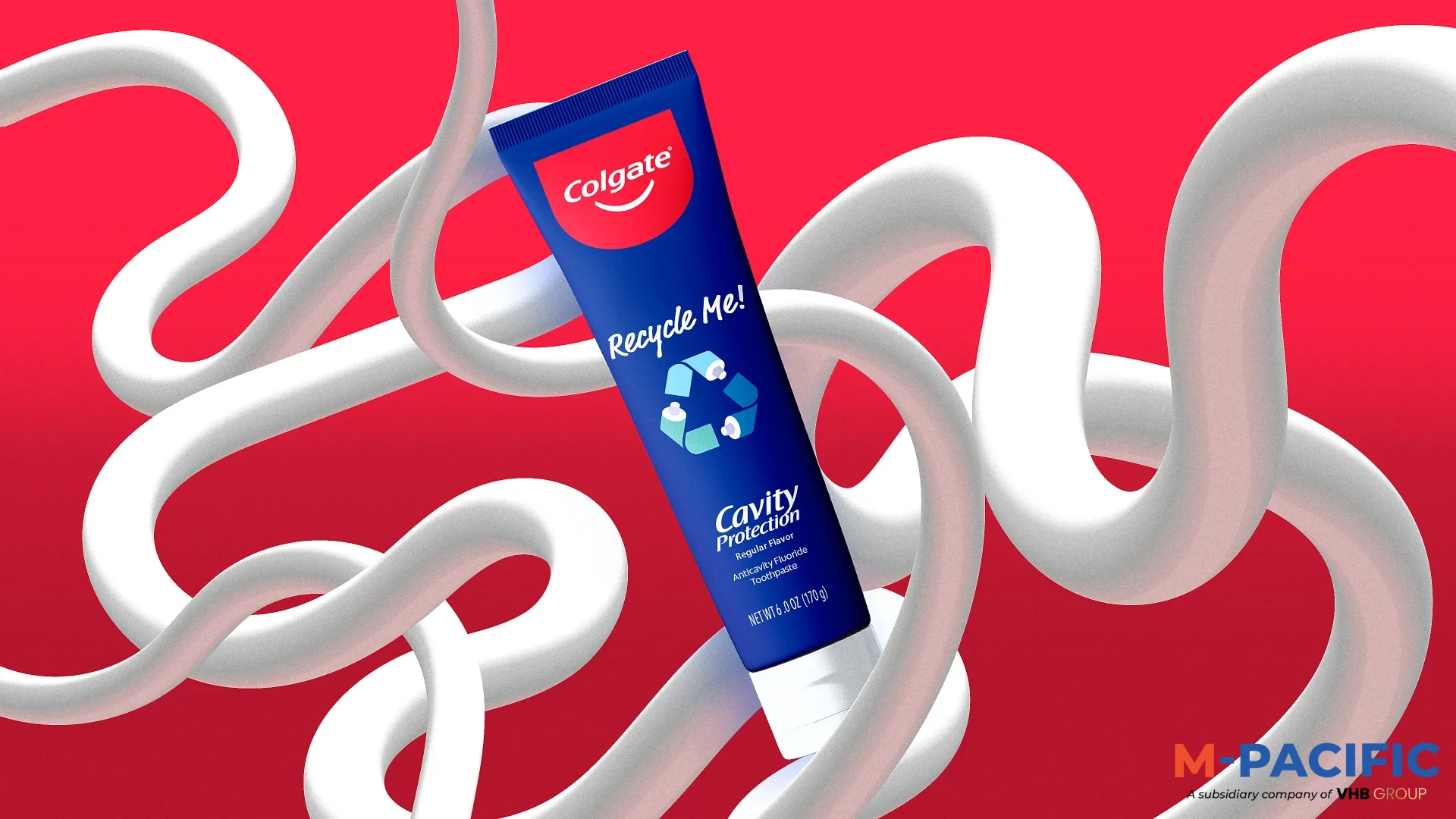
When navigating the global wholesale market, mastering the Bulk Colgate Toothpaste Facts is essential for distributors, retailers, and logistics managers seeking to optimize their supply chain and maximize profit margins. Colgate remains a global titan in oral care, a staple segment of the rapidly expanding personal care sector. Understanding how to source, ship, store, and distribute this household brand in high volumes requires deep industry knowledge to avoid costly mistakes.
Whether you manage a supermarket chain, run a discount retail outlet, or operate an international FMCG trading desk, understanding supply chain specifications is critical. This comprehensive article delves into product specifications, global packaging compliance, logistical dynamics, and quality control strategies that define bulk toothpaste distribution.
Table of Contents
- Crucial Bulk Colgate Toothpaste Facts for Distributors and Retailers
- Understanding Global Packaging Variations and Formulas
- Why Sourcing Colgate in Bulk Enhances Profitability
- Key Storage and Expiration Facts for Bulk Inventory
- How to Verify Authenticity in Bulk Colgate Toothpaste Facts
- Logistical Dynamics of Importing Colgate in Volume
- Frequently Asked Questions
- Final Insights on Bulk Colgate Toothpaste Facts
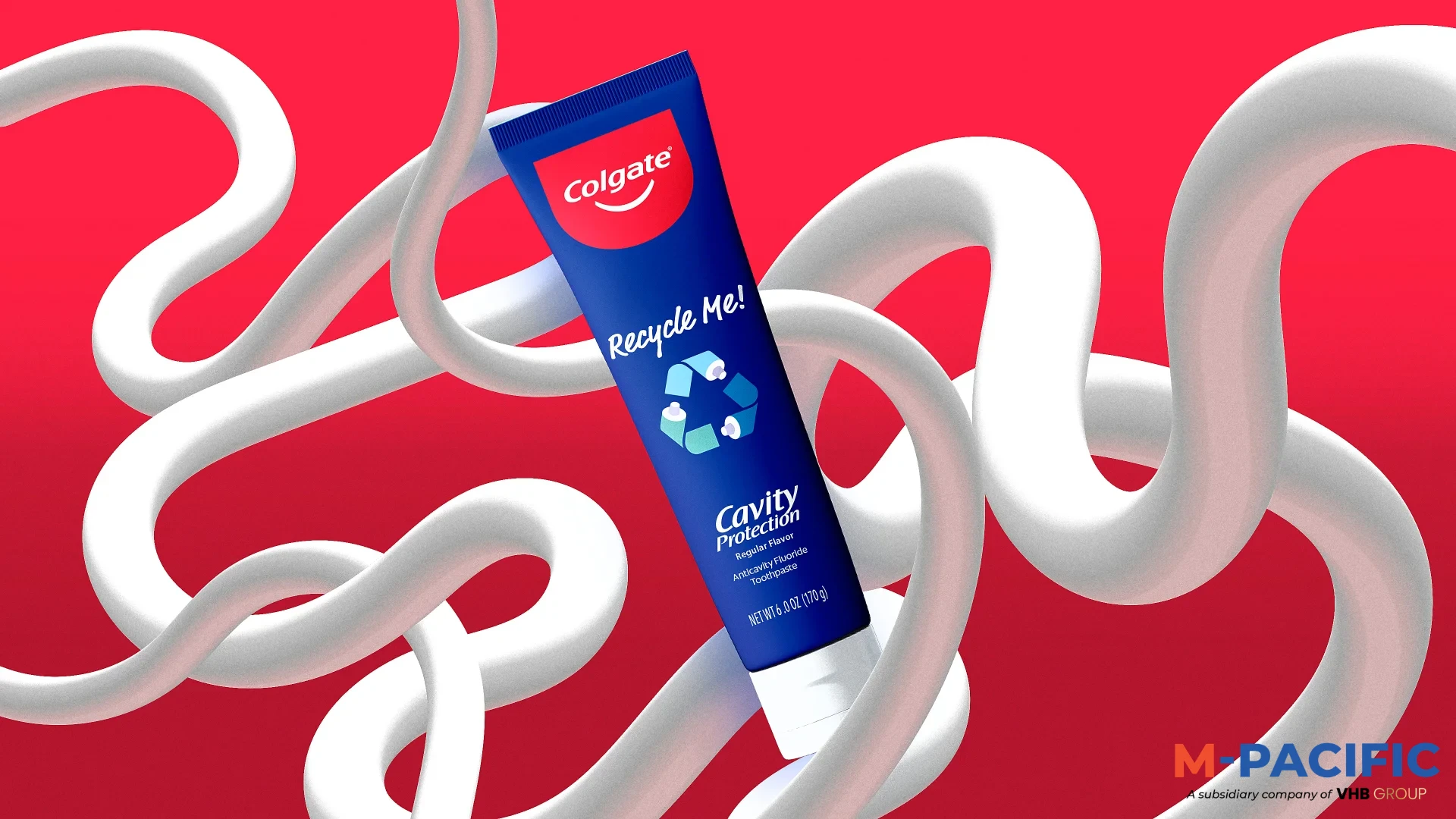
Crucial Bulk Colgate Toothpaste Facts for Distributors and Retailers
To succeed in bulk distribution, buying teams must look past shelf-level aesthetics to analyze master carton configurations, pallet weights, and regional compliance factors. Colgate-Palmolive designs its distribution standards with high efficiency in mind, optimizing every cubic meter of shipping containers to control costs. A failure to understand container volume ratios can result in inflated freight bills that quickly erode profit margins.
A typical master carton of standard Colgate Triple Action or Cavity Protection (usually 100ml to 150ml tubes) contains either 48, 72, or 144 units, depending on the manufacturing origin. Distributors must request complete specification sheets from suppliers to verify exact dimensional weight and volumetric measurements. These calculations prevent freight cost overruns during customs clearances and land transport routing.
Understanding Global Packaging Variations and Formulas
Colgate products are formulated and packaged to align with the regulatory standards of distinct geographic target markets. For instance, European formulations must strictly adhere to the EU Cosmetics Regulation (EC) No 1223/2009, which enforces specific labeling protocols, language requirements, and safe ingredient concentrations. Conversely, shipments bound for US markets must conform to FDA guidelines, which categorize fluoride-containing toothpastes as over-the-counter (OTC) drugs requiring an active National Drug Code (NDC).
When purchasing wholesale quantities, always ask for details regarding language on the boxes. Sourcing a batch of Colgate with Arabic or Vietnamese text for resale in Western Europe or North America can trigger severe customs delays, brand protection interventions, or product seizures. Ensure that the ingredient profile matches local retail requirements before finalizing any purchase contracts.

Why Sourcing Colgate in Bulk Enhances Profitability
Sourcing large quantities of inventory yields distinct economic benefits, such as significantly reduced unit costs and highly optimized shipping profiles. Purchasing container loads reduces shipping costs per unit to fractions of a cent, allowing companies to price products competitively on retail shelves. This logistics advantage is why global discount retailers prioritize full container load (FCL) transactions over less-than-container load (LCL) options.
The table below compares key logistics, financial metrics, and handling considerations between wholesale bulk purchasing and localized distributor sourcing programs:
| Sourcing Metric | Wholesale Bulk Purchasing (FCL) | Local Distributor Sourcing (LCL/Pallet) |
|---|---|---|
| Average Cost per Unit Save | 15% to 30% reduction | Standard regional pricing structure |
| Minimum Order Quantity (MOQ) | 1 Full Container (FCL) or 10+ Pallets | 1 to 2 master cartons |
| Freight Optimization | High; optimized container utilization | Low; higher LCL handling rates |
| Risk of Shelf-Life Issues | Moderate; requires fast turn times | Low; just-in-time delivery models |
| Regulatory Compliance Responsibility | Buyer (Import Agent) responsibility | Supplier handles pre-registration |
Key Storage and Expiration Facts for Bulk Inventory
Toothpaste contains active ingredients, such as sodium fluoride and sodium monofluorophosphate, which decay over time. Standard Colgate formulations carry an expiration window of two to three years from the official manufacturing date. Distributors must monitor product expiration dates to avoid holding unsellable or non-compliant stock.
To preserve product quality, store inventory in temperature-controlled warehouses. Sustained high heat can cause toothpaste formulas to separate, altering the texture, color, and taste. Keep storage temperatures between 15°C and 25°C (59°F to 77°F) to ensure chemical stability throughout the life of the product.
How to Verify Authenticity in Bulk Colgate Toothpaste Facts
A critical challenge of high-volume trading is navigating counterfeit risks. Because Colgate is a high-demand consumer brand, bad actors often try to sell fake products into the international supply chain. Protecting your business reputation requires a multi-stage quality control approach before making any payments.
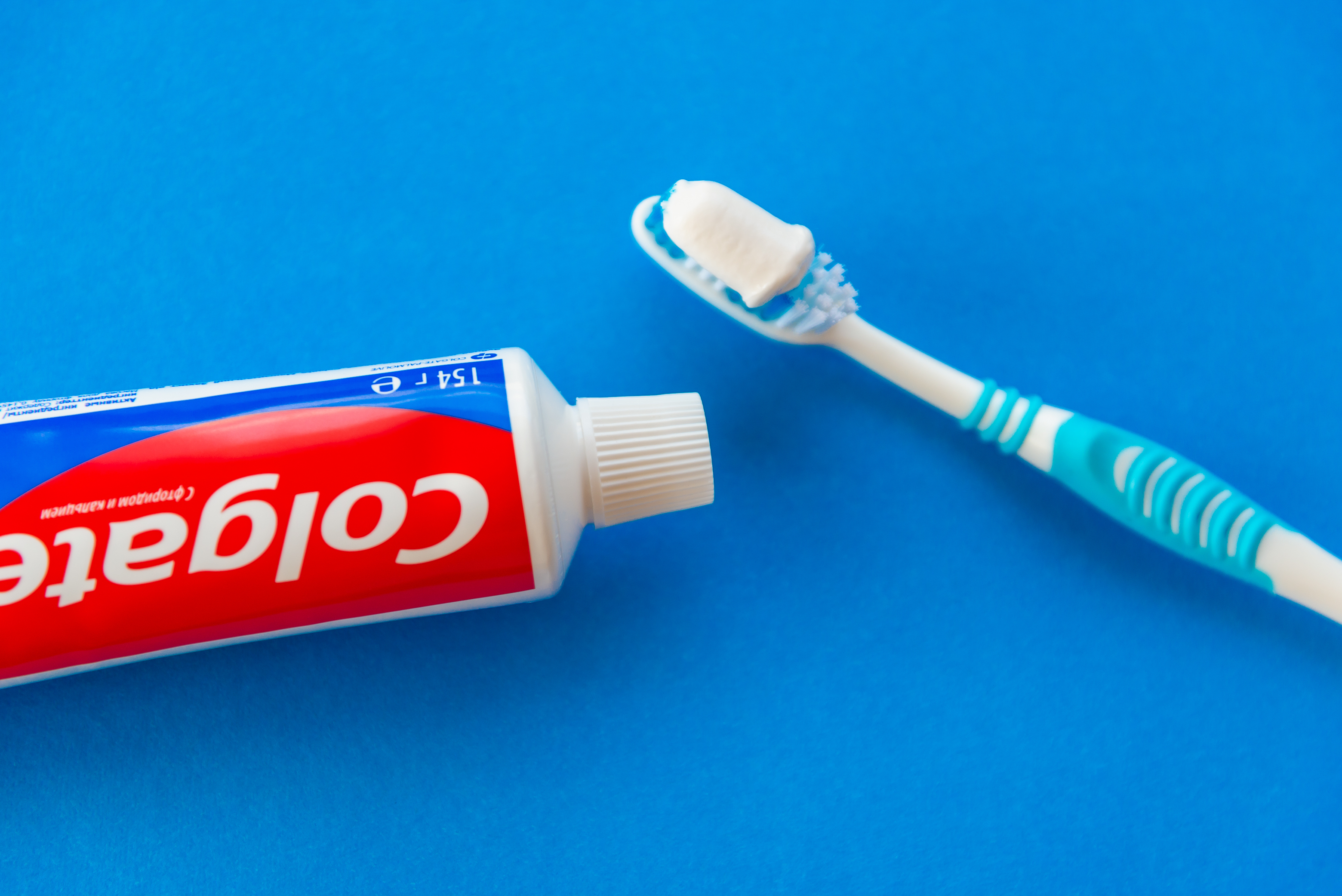
When reviewing potential suppliers, verify their supply chain traceability. Credible wholesale providers will supply sanitary certificates, official batch analysis sheets, and trace-back documentation linking directly to verified Colgate manufacturing hubs or authorized distributors. If you are preparing to secure inventory, reviewing the comprehensive Colgate toothpaste wholesale options can help you make an informed decision and identify trusted sourcing routes.
Verify that batch codes stamped on individual toothpaste tubes perfectly match the codes on the retail cartons and master outer boxes. Look closely at the print quality, barcode alignment, and package seals. Poorly translated ingredient lists or uneven heat seals on the tubes often indicate a counterfeit batch.
Logistical Dynamics of Importing Colgate in Volume
Successfully moving bulk FMCG orders through international customs requires meticulous documentation. Sourcing teams must secure comprehensive commercial invoices, detailed packing lists, ocean bills of lading, and certificate of origin documents to ensure smooth transit.
Customs officials routinely inspect shipments of brand-name products to protect intellectual property rights. If you cannot provide a clear chain of custody showing authorized distribution channels, customs authorities may impound the container, leading to costly delays. Partnering with a licensed customs broker experienced in international personal care shipments is highly recommended.
For additional details regarding regulatory frameworks, you can review the FDA Toothpaste Guidelines to better understand active ingredient regulations and import compliance standards in the United States.
Final Insights on Bulk Colgate Toothpaste Facts
Sourcing Colgate in high volumes offers excellent potential to increase profits and secure market share in the essential personal care industry. However, success requires careful management of batch codes, shelf life, shipping logistics, and compliance rules. By carefully analyzing the Bulk Colgate Toothpaste Facts outlined in this guide, sourcing managers can confidently navigate the global market, minimize supply chain risks, and protect their investments.
Ready to secure verified bulk inventory of leading personal care brands? Contact our dedicated wholesale trading team today to request tailored price quotes, verify logistical specs, and build a reliable supply chain for your market.
Bulk Colgate Toothpaste Facts FAQ
Disclaimer: Unless otherwise stated, the images used in this article are the property of their respective owners. We do not claim ownership of any third-party images featured, and they are used here strictly for informational and educational purposes. If you are the copyright holder and wish to have an image removed, please contact us.