

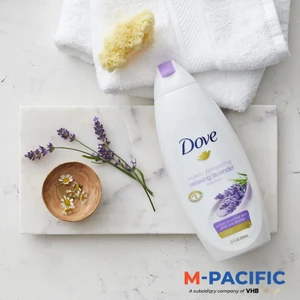
For businesses sourcing inventory in the global market, understanding the exact Bulk Dove Soap Origin is critical for regulatory compliance, supply chain logistics, and quality assurance. As a household name with multi-billion dollar global sales, Dove products are distributed across hundreds of countries. However, because Unilever utilizes a decentralized manufacturing network, the bar soap you purchase in bulk could be manufactured in North America, Europe, Latin America, or Asia. Identifying this origin tells you more than just the location of a factory; it determines the specific formulation, packaging language, shelf life, and import duty rates you will face.
As one of the most recognizable brands within the broader personal care industry, Dove is manufactured across multiple continents to satisfy massive worldwide consumer demand. Navigating these regional manufacturing distinctions is vital to ensuring that your wholesale purchases align with local regulatory frameworks and consumer preferences. Whether you are an e-commerce retailer, a distributor, or an institutional buyer, this comprehensive guide will break down the intricacies of global production hubs, verify authenticity, and help you optimize your supply chain operations.
Table of Contents
- The Global Manufacturing Network: What is the Bulk Dove Soap Origin?
- Global Supply Chains: Tracking the Bulk Dove Soap Origin
- Understanding Bulk Dove Soap Origin Differences by Region
- How to Verify Bulk Dove Soap Origin and Authenticity
- Why Bulk Dove Soap Origin Affects Wholesale Pricing
- At-a-Glance Manufacturing Comparison Table
- Frequently Asked Questions
- Conclusion & Next Steps
The Global Manufacturing Network: What is the Bulk Dove Soap Origin?
Unilever, the parent company of Dove, operates on a highly decentralized global manufacturing model. Consequently, there is no single factory that produces all of the world’s Dove beauty bars. Instead, the specific Bulk Dove Soap Origin depends entirely on the supply chain channel, target market, and sourcing region from which your distributor operates. Key manufacturing hubs are strategically positioned around the globe to serve local and regional markets efficiently while keeping shipping costs manageable.
Historically, the foundational production of Dove Beauty Bars began in the United States, which remains a core hub for domestic consumption. However, to meet international demand, Unilever established massive production facilities in Europe (specifically Germany), Latin America (Brazil and Mexico), and Asia (India, Indonesia, and Japan). For B2B buyers, knowing where a batch originates is essential, as different facilities operate under distinct regulatory bodies, such as the US Food and Drug Administration (FDA) or the European Medicines Agency (EMA), both of which enforce different standards for cosmetic formulations and labeling.
Global Supply Chains: Tracking the Bulk Dove Soap Origin
Tracking the logistical journey from the production line to your warehouse is vital for predicting lead times and assessing import tariffs. If you are importing container loads of inventory, you may want to explore our comprehensive guide on buying Dove soap bulk solutions to understand MOQ structures and freight optimization. The physical shipping lanes vary greatly depending on where the factory is located. For instance, European-made Dove bars are often consolidated in Rotterdam before being shipped globally, while Asian production is typically distributed via major container ports in Singapore or Jakarta.
When tracking your product\’s origin, check the master carton labeling. Every authentic bulk shipment carries detailed manufacturing data, including the factory of origin code, batch number, and expiration metrics. This geographical sourcing directly influences transit risks, as longer maritime journeys increase the risk of humidity exposure, which can impact paperboard packaging integrity. Working with transparent logistics partners ensures that you receive verifiable origin documentation, which is required for custom clearance and declaration forms.
Understanding Bulk Dove Soap Origin Differences by Region
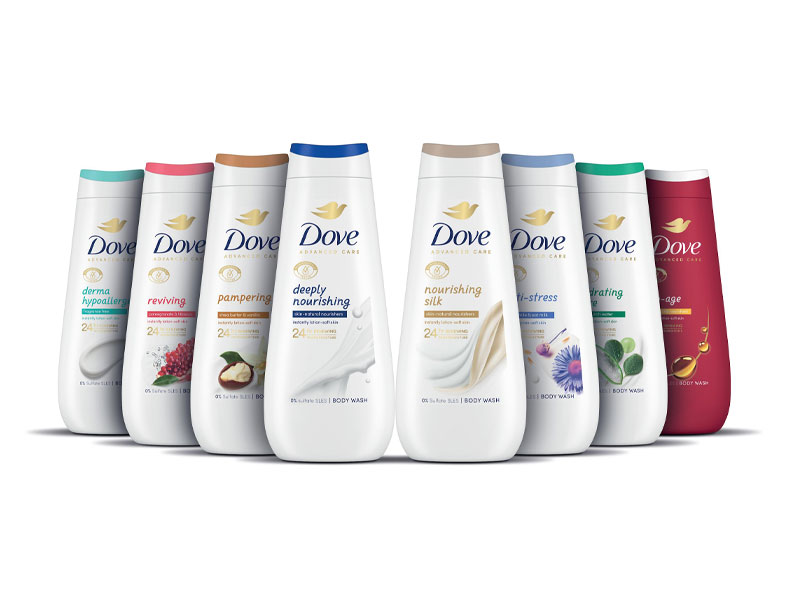
A common misconception among wholesale buyers is that all Dove soaps are identical. In reality, the specific formulation can vary slightly depending on regional consumer preferences and local ingredient regulations. For example, Dove bars produced in European hubs often prioritize synthetic detergents (syndet) that meet stringent EU cosmetic safety regulations, while some Asian or Latin American facilities might adapt formulations to better suit regional water hardness and humidity levels.
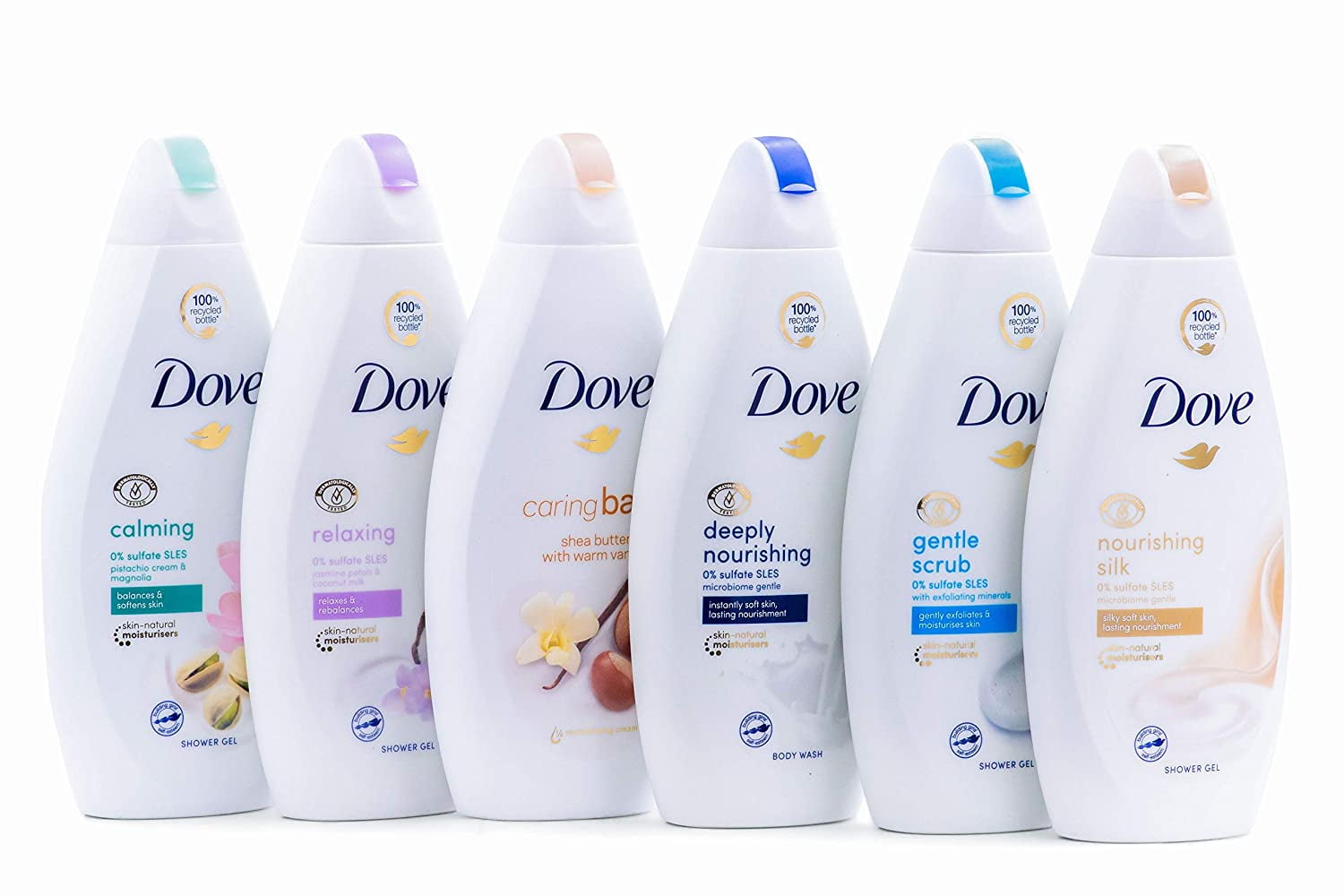
Packaging languages also differ significantly. Soaps originating in the USA typically feature English and Spanish, European versions feature multilingual packaging (German, French, Italian, etc.), and Southeast Asian batches are printed with local scripts. If you run a retail operation, offering packaging that aligns with your target market\’s primary language is crucial for consumer trust. Importing mismatched regional packaging without proper localized labeling stickers can lead to regulatory fines in some jurisdictions.
How to Verify Bulk Dove Soap Origin and Authenticity
Because Dove is a high-demand premium brand, counterfeit products occasionally enter secondary market channels. Verifying the genuine Bulk Dove Soap Origin is one of the most effective ways to protect your business from counterfeit stock. Authentic Unilever products feature complex, high-resolution printing, specific embossed logos on the bar itself, and clear batch coding on the individual box and master carton. These batch codes can be cross-referenced directly with Unilever Corporate or regional offices to verify authenticity.
When reviewing batch codes, look for distinct markings that indicate factory locations. For instance, US-manufactured bars carry specific UPC codes, while European variations feature EAN-13 barcodes. If you receive a wholesale offer where the seller claims a premium origin (like Germany or the US) but the prices are unsustainably low, or if the shipping documents show unexpected port routing, demand a Certificate of Analysis (COA) or Certificate of Origin (COO). True wholesale partners will gladly provide these documents to ensure full supply chain transparency.
Why Bulk Dove Soap Origin Affects Wholesale Pricing
The geographic location of the factory has a direct impact on your landed cost. Manufacturing plants located in regions with lower labor and raw material costs can offer a lower Ex-Works (EXW) price per unit. However, you must weigh these savings against the international shipping rates and import duties. For example, shipping a container from an Asian facility to North America might carry high ocean freight costs that offset the lower production pricing, whereas importing from a neighboring country under a free trade agreement (like USMCA) can significantly reduce tariff expenses.
Furthermore, currency fluctuations play a major role in global sourcing. If your local currency is strong against the Euro, importing European-origin Dove bars might prove exceptionally profitable. Conversely, global logistics disruptions can cause shipping rates to skyrocket unpredictably, making regional sourcing from a closer hub far more secure. Smart wholesale buyers constantly analyze the total cost of ownership (TCO), calculating duties, port fees, transport times, and formulation popularity relative to the specific manufacturing origin.
At-a-Glance Manufacturing Comparison Table
This table summarizes key distinctions across the primary global manufacturing regions for Dove wholesale inventory:
| Primary Manufacturing Region | Target Markets Served | Typical Barcode Format | Formulation Key Highlights | Logistics Advantages |
|---|---|---|---|---|
| North America (USA) | USA, Canada, Mexico | UPC-A (12-digit) | Original formula, standard moisturizing cream | Fast overland transit within NAFTA/USMCA zones |
| Europe (Germany) | EU, UK, Middle East | EAN-13 (13-digit) | Strict compliance with EU allergen regulations | Excellent access to major North Sea shipping ports |
| Latin America (Brazil/Mexico) | South/Central America | EAN-13 / UPC | Tailored packaging, localized fragrance subtle notes | Cost-effective manufacturing and competitive pricing |
| Asia-Pacific (India/Indonesia) | APAC, Africa | EAN-13 | High stability under high-humidity environments | Lowest EXW production costs for massive volumes |
Conclusion & Next Steps
Finding your trusted Bulk Dove Soap Origin is the foundation of a resilient, high-margin product inventory. By knowing where your soap is manufactured, you can accurately predict shipping timelines, navigate import regulations, align with consumer branding expectations, and secure the most cost-effective inventory possible. Balancing the lower unit costs of far-reaching international hubs against localized logistical ease is the hallmark of professional sourcing.
If you are looking to scale your retail or distribution business with premium personal care inventory, we can help. Partner with a transparent distributor who offers documented origin certificates and competitive logistics solutions. For direct inquiries, customized volume quotes, and detailed logistics consultation, contact our expert wholesale sourcing team today to optimize your supply chain.
Bulk Dove Soap Origin FAQ
Disclaimer: Unless otherwise stated, the images used in this article are the property of their respective owners. We do not claim ownership of any third-party images featured, and they are used here strictly for informational and educational purposes. If you are the copyright holder and wish to have an image removed, please contact us.











