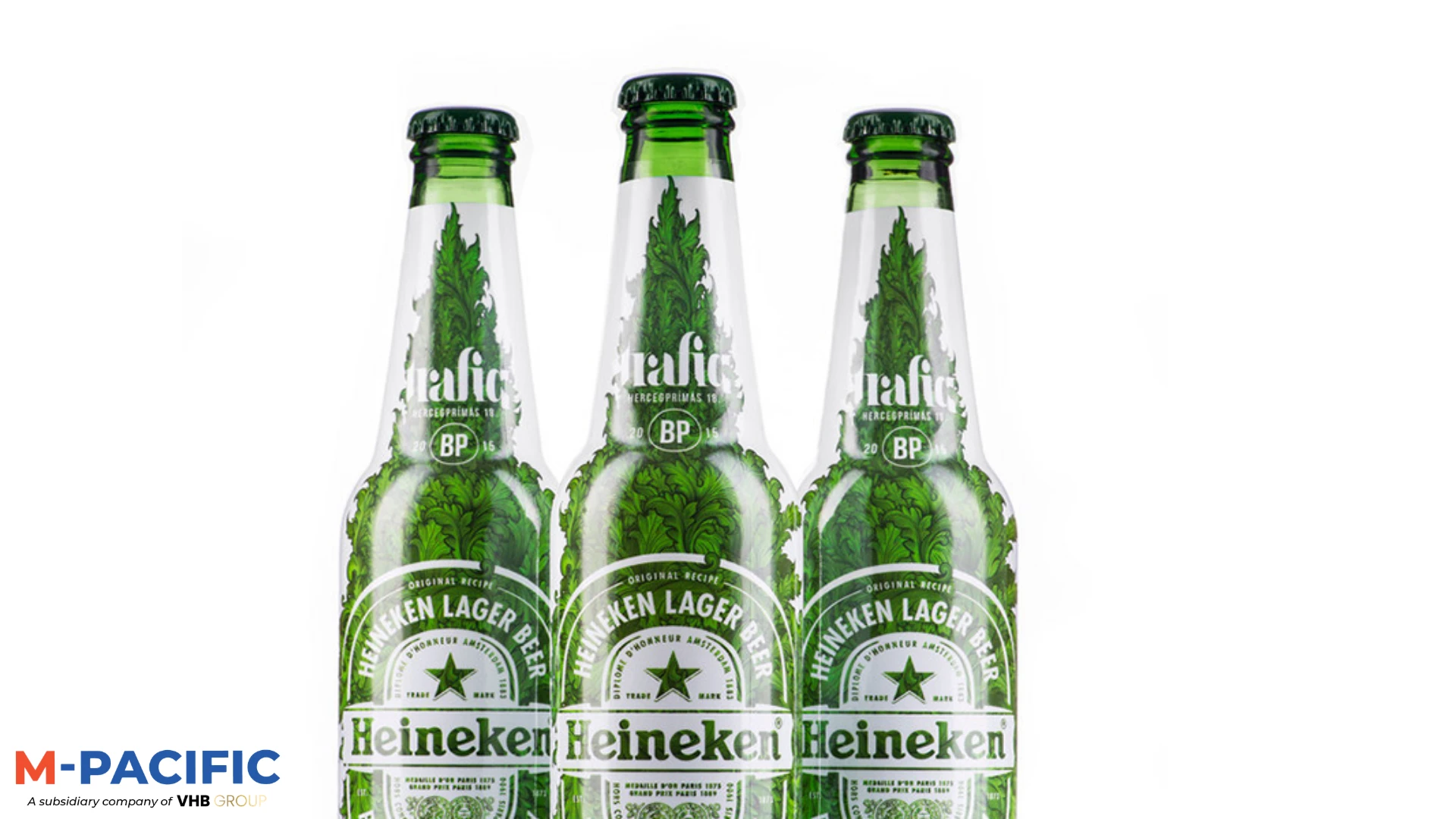
Understanding critical Bulk Heineken Beer Facts is the first step toward optimizing your wholesale supply chain and securing reliable global beverage inventory. As a leading brand in the international beverage market, Heineken is highly demanded, but navigating its wholesale logistics requires deep knowledge of specifications, shipping standards, and quality preservation. For distributors, hospitality conglomerates, and bulk buyers, mastering these metrics translates directly to reduced transit costs, minimized product loss, and maximized profit margins.
To help you manage imports safely and profitably, we have compiled the ultimate directory of packaging metrics, storage guidelines, and procurement advice. This comprehensive resource covers everything from container capacity and weight tolerances to the historic brewing standards that make Heineken a top-tier international beverage asset. Read on to build a highly optimized sourcing strategy.
Table of Contents
- Essential Logistics and Packaging: Bulk Heineken Beer Facts
- Palette Configuration and Container Weight
- Bulk Heineken Beer Facts Regarding Shelf Life and Temperature
- Quality Preservation and Ingredient Standards
- Key Operational Factors and Bulk Heineken Beer Facts for Distributors
- Procurement Optimization: Sourcing Heineken Beer Bulk
- Frequently Asked Questions (FAQ)
Essential Logistics and Packaging: Bulk Heineken Beer Facts
When dealing with international logistics, knowing the packaging dimensions and gross weight of your freight is crucial. Heineken is shipped globally in various formats, including glass bottles, aluminum cans, and draft kegs. Each of these options demands highly specific transport configurations to avoid container overload and package breakage.
A standard wholesale case of Heineken typically consists of 24 pieces of either 330ml bottles or cans. However, the gross weight difference between bottles and cans drastically affects freight capacity. A case of glass bottles weighs approximately 14.5 kg (31.9 lbs), whereas a case of cans weighs only 8.5 kg (18.7 lbs). This means that a container filled with cans will reach volume capacity before weight capacity, while a container of glass bottles will hit weight limitations long before the physical space is filled.
Palette Configuration and Container Weight
Understanding standard pallet loadouts is a primary requirement for efficient sea freight. For European shipments, the standard Euro Pallet (800mm x 1200mm) is utilized. For standard US and transatlantic shipments, the industrial pallet (1000mm x 1200mm) is more common. Let’s look at the standard palletizing metrics:
- 330ml Glass Bottles (24 Pack Case): Typically configured with 60 to 72 cases per pallet, yielding an average weight of about 900 kg to 1,050 kg per pallet.
- 330ml Aluminum Cans (24 Pack Case): Configured with up to 90 to 108 cases per pallet due to their lower weight and stackability, resulting in approximately 800 kg to 950 kg per pallet.
- 500ml Aluminum Cans (24 Pack Case): Normally loaded with 72 cases per pallet, maintaining a pallet weight of roughly 900 kg.
When booking standard 20ft or 40ft ocean containers, weight laws dictate the maximum payload. A 20ft dry container can typically carry up to 10-11 standard pallets of bottled beer before exceeding legal road-weight limits in most destination ports, whereas lighter canned beer configurations might allow up to 20-22 pallets in a 40ft dry container under careful balancing guidelines.
Bulk Heineken Beer Facts Regarding Shelf Life and Temperature
Heineken maintains high flavor stability, but cold chain integrity is crucial. In bulk distribution, shipping temperatures should be strictly managed. Standard lager beer should ideally be transported between 4°C and 15°C (39°F to 59°F). Exposure to temperatures exceeding 25°C (77°F) accelerates oxidation, leading to a stale flavor and drastically shortening the nominal shelf life.
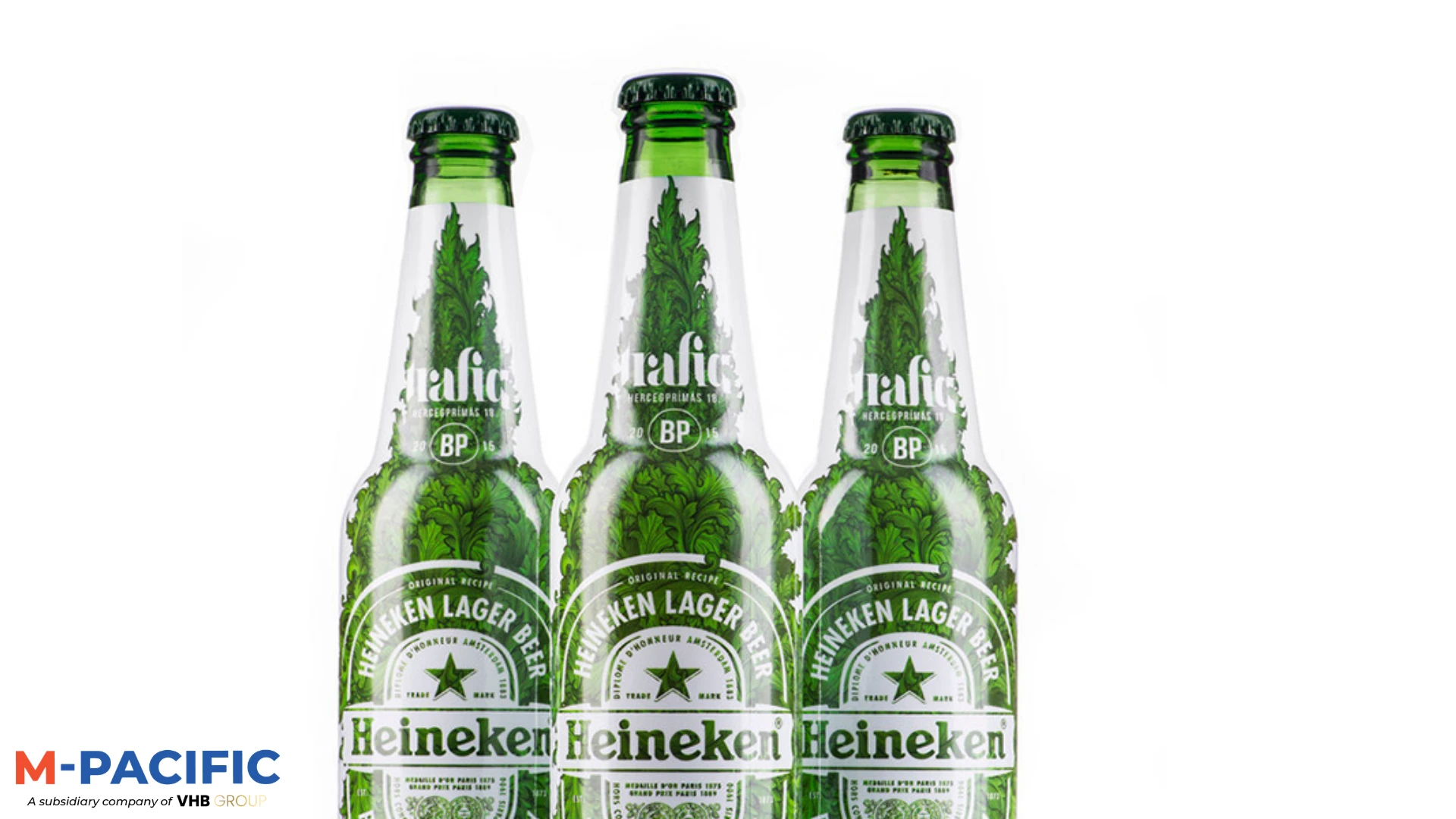
Heineken bottles are manufactured with green glass, which provides iconic brand identity but is more vulnerable to light strikes (becoming “skunky”) compared to brown glass. This is one of the most vital bulk Heineken beer facts for open-air warehousing or outdoor loading docks. Stock must always be stored in dark, temperature-controlled facilities to avoid direct sunlight or UV exposure.
Quality Preservation and Ingredient Standards
What sets Heineken apart on the global stage is its commitment to absolute flavor consistency. No matter where the beer is brewed—whether at the flagship brewery in Zoeterwoude, Netherlands, or regional licensed breweries—the formula is strictly regulated. This consistency is maintained by Heineken’s proprietary Yeast, known as “A-Yeast,” originally isolated by Dr. H. Elion in 1886. This unique yeast strain gives Heineken its characteristic fruity notes and crisp finish.
Heineken is brewed using only water, malted barley, hops, and yeast. Unlike many budget lagers, it contains no cheap adjuncts like corn, rice, or food starches. This 100% natural composition makes the product highly sensitive to environmental factors during extended storage, which is why bulk importers must insist on fresh stock with at least 8 to 10 months of remaining shelf life upon port arrival.
Key Operational Factors and Bulk Heineken Beer Facts for Distributors
Operational success in beverage logistics relies on meticulous cost calculations. Distributors must consider duties, customs clearances, and regional taxation. Because Heineken is an imported premium lager in many territories, excise taxes on alcohol content (typically 5% ABV) can represent a massive portion of the landed cost.
When placing orders, verifying the origin of the supply is essential. Heineken NV operates globally, but pricing can fluctuate depending on whether the product is sourced directly from Western Europe or regional licensed facilities. Understanding international trade lanes and shipping rates is just as critical as the price per case.
Standard Heineken Packaging Specifications
The table below outlines the core differences between the primary wholesale formats. This comparison is essential for calculating container layouts and freight optimization.
| Format Type | Volume per Unit | Units per Case | Average Case Weight | Est. Cases per Pallet |
|---|---|---|---|---|
| Glass Bottle | 330 ml | 24 Bottles | 14.5 kg | 63 Cases |
| Standard Can | 330 ml | 24 Cans | 8.5 kg | 99 Cases |
| Tall Boy Can | 500 ml | 24 Cans | 12.8 kg | 72 Cases |
| Draft Blade Keg | 8 Liters | 2 Kegs | 17.2 kg | 40 Cases |
Procurement Optimization: Sourcing Heineken Beer Bulk
For any global distribution business, finding a direct and trusted supplier is the final piece of the puzzle. Buying wholesale requires verifying clean certifications, fresh production dates, and secure ocean logistics. By keeping these bulk Heineken beer facts in mind, you can negotiate better freight rates, avoid custom bottlenecks, and prevent product degradation during hot seasons.
To establish a stable, secure pipeline, we recommend reading our dedicated guide on sourcing Heineken beer bulk shipments. This guide provides actionable steps for establishing direct relations with trusted European wholesalers, managing letters of credit (LCs), and coordinating door-to-door freight forwarding. For additional historical context and corporate updates, you can refer directly to the global Heineken N.V. portal.
Ultimately, a successful beverage import program combines high-quality products with optimized logistical configurations. By mastering the weights, configurations, and storage tolerances of Heineken, your warehouse operations will run smoothly, ensuring consumers receive the crisp, premium lager they expect.
Conclusion: Leveraging Bulk Heineken Beer Facts for Supply Chain Success
Understanding these critical Bulk Heineken Beer Facts is a powerful asset for any distributor or logistics professional aiming to scale their beer imports. From calculating container weight tolerances to planning cold chain logistics to protect the delicate A-Yeast properties, accurate operational data is key to efficiency. Partner with certified shippers, understand regional alcohol taxation laws, and always optimize your pallet configurations to ensure maximum profitability in the global marketplace.
Bulk Heineken Facts FAQ
Disclaimer: Unless otherwise stated, the images used in this article are the property of their respective owners. We do not claim ownership of any third-party images featured, and they are used here strictly for informational and educational purposes. If you are the copyright holder and wish to have an image removed, please contact us.