Establishing a secure and highly efficient POND’S Beauty Cream Supply is essential for personal care distributors, wholesale merchants, and retail businesses aiming to satisfy the consistent global demand for reliable skincare solutions.
For over a century, POND’S has remained a household name, synonymous with accessible, dermatologist-tested skincare. The brand’s transition from a simple mid-19th-century apothecary remedy to a multi-billion-dollar global beauty empire under Unilever is a testament to its formulation efficacy and strong brand equity. In today’s hyper-competitive beauty market, maintaining a continuous, authentic supply of these high-demand products is vital for business success. This guide provides a comprehensive analysis of sourcing strategies, product chemistry, supply chain logistics, and counterfeit prevention mechanisms for retail and wholesale procurement.
Table of Contents
- The Historical Legacy of POND’S in Skincare
- The Global Dynamics of POND’S Beauty Cream Supply
- Key Formulations and Ingredient Science
- Why Securing a Reliable POND’S Beauty Cream Supply Matters for Retailers
- Sourcing and Logistics: Navigating Your POND’S Beauty Cream Supply Chain
- How to Verify the Authenticity of Your POND’S Beauty Cream Supply
- Market Demand and Regional Consumer Preferences
- Frequently Asked Questions (FAQ)
The Historical Legacy of POND’S in Skincare
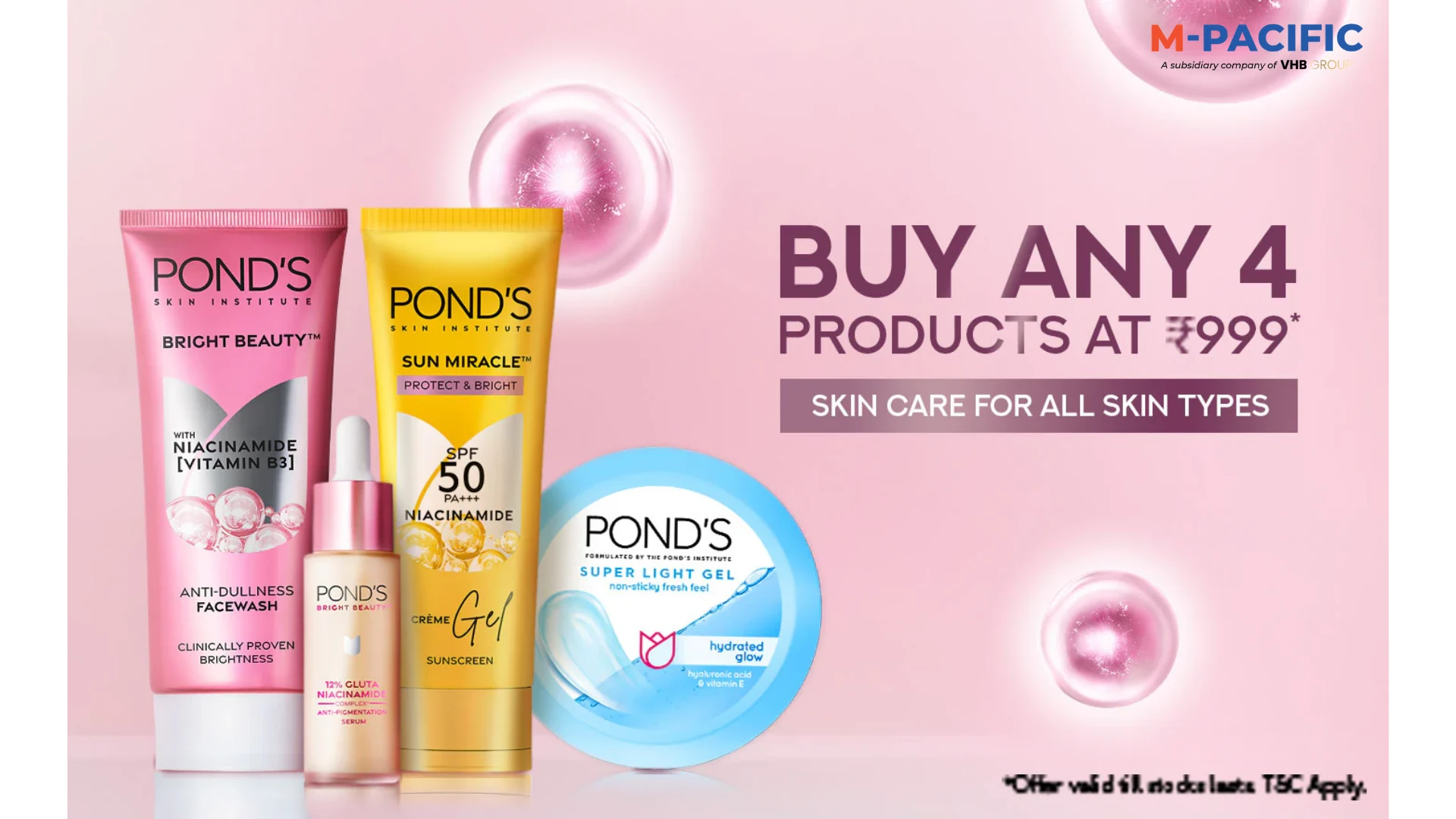
To understand the high volume of modern transactions, one must first recognize the deep consumer trust built over generations. Founded in 1846 by pharmacist Thaddeus Pond in Utica, New York, the brand began with Golden Treasure, a healing tea distilled from witch hazel. By the early 20th century, the company introduced the iconic POND’S Cold Cream and POND’S Vanishing Cream, marking the birth of modern daily cosmetic regimens.
Over the decades, the brand evolved by incorporating advanced dermatological technologies. The introduction of cellular-level skin brighteners, conjugated linoleic acids (CLA) for anti-aging, and moisture-binding humectants allowed the company to transition from basic moisturization to target-specific treatments. Today, managed under the global umbrella of Unilever, the brand commands massive consumer retention across multiple continents, including North America, Asia, Latin America, and Europe. This legacy directly translates to predictable, recurring retail demand, making it a reliable staple for global inventories.
The Global Dynamics of POND’S Beauty Cream Supply
Managing a commercial portfolio requires a deep understanding of how a global POND’S Beauty Cream Supply functions across international borders. Because Unilever operates manufacturing facilities in several strategic regions—including India, Thailand, Indonesia, Mexico, and the United States—product packaging, formulation nuances, and ingredient concentrations can vary significantly depending on the target market.
For example, Asian markets typically show a high demand for advanced skin-brightening formulas containing niacinamide and vitamin C, while Latin American and North American markets prioritize heavy moisturizers and anti-wrinkle solutions like the Rejuveness line. Understanding these regional distribution patterns is critical for importers. When procuring inventory, businesses must align their target demographic’s specific skin needs with the correct regional formulation. Furthermore, international distributors must navigate varying customs requirements, cosmetic registration protocols, and import duties associated with different manufacturing origins to ensure smooth transit and pricing optimization.
Regional Variations in Consumer Preferences
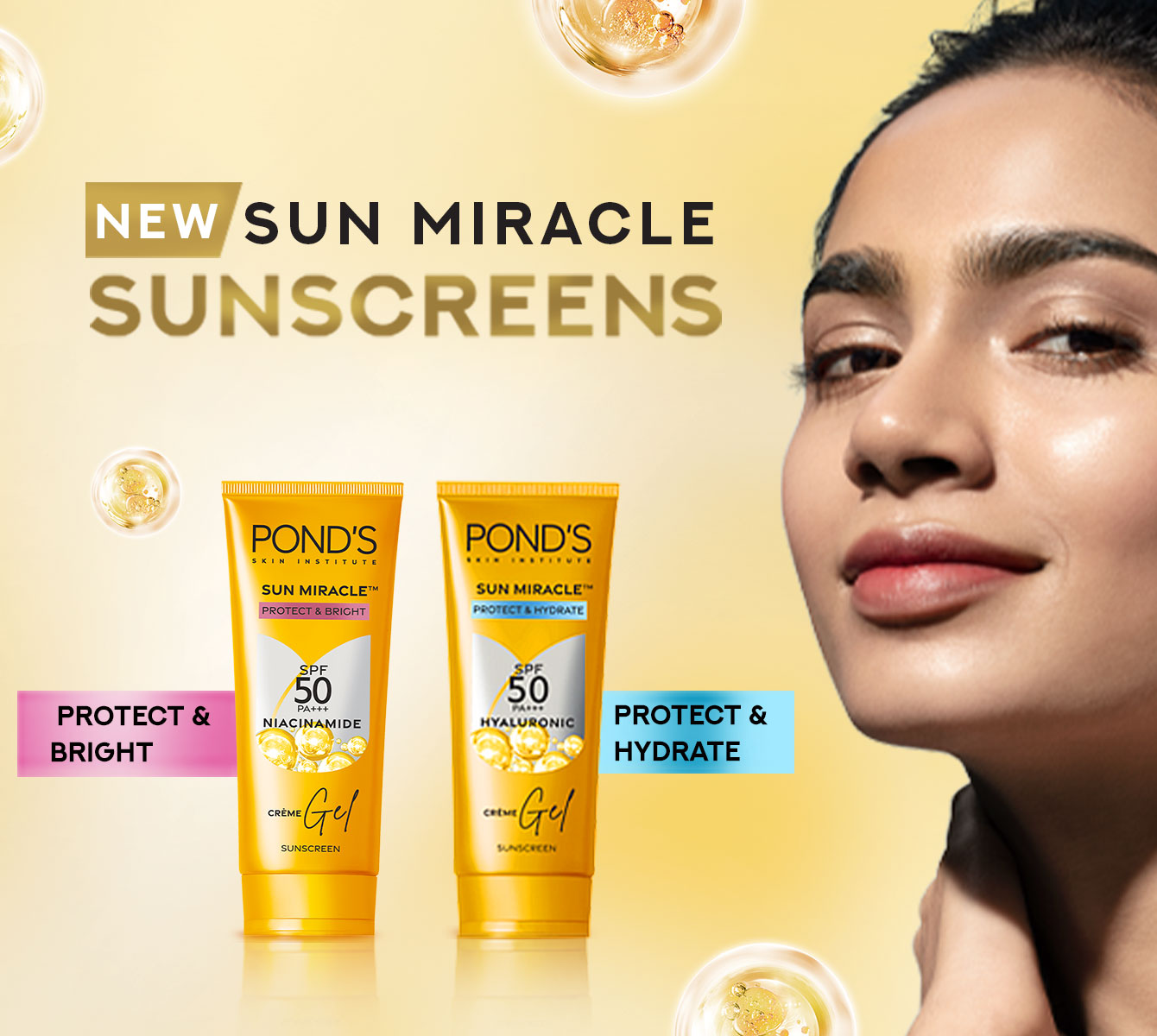
Consumer behavior drives stock turnover. In tropical, humid climates (such as Southeast Asia), lightweight gel-creams and water-based moisturizers are highly favored. Consequently, local supply networks in these regions stock high volumes of oil-control and spot-correcting formulas. Conversely, in colder or temperate climates, dry skin is a primary concern, driving bulk demand for heavier, emollient-rich formulations such as the classic Dry Skin Cream or cold creams. Retailers must track these local environmental and seasonal variables to prevent overstocking or stockouts.
Key Formulations and Ingredient Science
An authoritative skincare procurement strategy relies on a clear understanding of product formulations. Today’s consumers are highly educated about active ingredients, and their purchasing decisions are increasingly guided by ingredient transparency. For B2B buyers, understanding the science behind these formulations helps justify pricing structures and accurately market products to end consumers.
Niacinamide: The Brightening Powerhouse
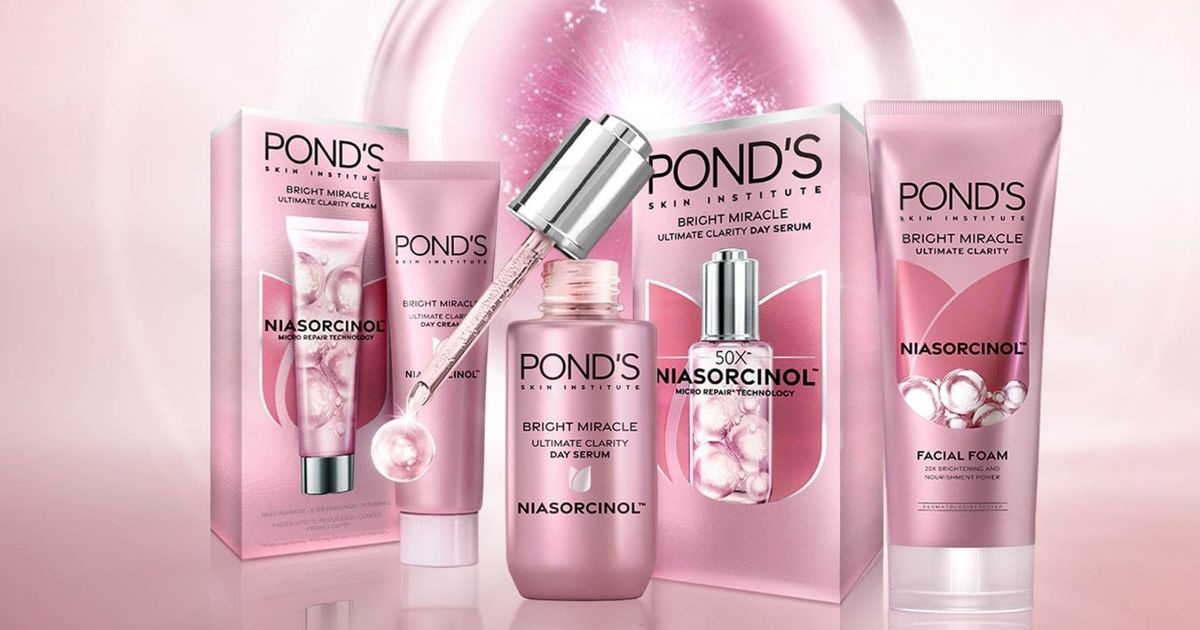
Many of the most popular formulations, such as the Clarant B3 and Bright Beauty lines, rely heavily on Niacinamide (Vitamin B3). This potent active ingredient is clinically proven to strengthen the skin’s moisture barrier, reduce hyperpigmentation, and regulate sebum production. Clinical studies, such as those published on the National Institutes of Health (PubMed) database, demonstrate niacinamide’s efficacy in inhibiting melanosome transfer, making it a key marketing point for addressing dark spots and uneven skin tone.
Stearic Acid and Glycerin: Building the Skin Barrier
The core moisturizing capability of classic formulations relies on a precise ratio of Stearic Acid and Glycerin. Stearic acid acts as an emollient and emulsifier, giving the cream its signature rich texture while helping to lock in moisture by forming a protective layer on the skin’s surface. Glycerin, a highly effective humectant, draws water into the outer layers of the skin, ensuring long-lasting hydration. This combination is what makes these creams reliable everyday products for millions of consumers globally.
Comparison of Popular POND’S Cream Formulations
To help B2B buyers optimize their inventory, the table below outlines the primary active ingredients, key benefits, and ideal target demographics for the most popular product lines:
| Product Line | Key Active Ingredients | Primary Skin Concern | Target Demographic | Ideal Season / Climate |
|---|---|---|---|---|
| POND’S Cold Cream | Mineral Oil, Beeswax, Ceresin | Makeup Removal & Deep Cleansing | All ages, Dry to Sensitive Skin | Cold / Dry Climates |
| POND’S Dry Skin Cream | Glycerin, Mineral Oil, Petrolatum | Intense Hydration & Barrier Support | Dry and Very Dry Skin | Winter / Arid Regions |
| POND’S Clarant B3 | Niacinamide (Vitamin B3), Stearic Acid | Dark Spots & Uneven Skin Tone | Hyperpigmentation-prone Skin | Year-Round / All Climates |
| POND’S Rejuveness Anti-Wrinkle | Alpha Hydroxy Acids (AHAs), Collagen | Fine Lines & Loss of Elasticity | Mature Skin (30+ Age Group) | Year-Round / Night Care |
Why Securing a Reliable POND’S Beauty Cream Supply Matters for Retailers
For pharmacies, supermarkets, and specialty cosmetics retailers, maintaining a consistent POND’S Beauty Cream Supply is key to securing steady revenue. Because of the brand’s high customer loyalty, stockouts can lead to lost sales and drive customers to competitors. Skincare routines are highly habit-forming, and consumers are unlikely to wait weeks for a product to restock when they can easily find it elsewhere.
Additionally, consistent wholesale purchasing enables retailers to secure better bulk pricing tiers. This helps protect and expand profit margins in an increasingly competitive retail landscape. Buying in large, predictable quantities also simplifies inventory management, lowers average shipping costs per unit, and ensures stable, year-round pricing for your customers.
Bulk Procurement Tiers and Margin Optimization
When purchasing personal care products at scale, buyers must balance Minimum Order Quantities (MOQs) against expected sell-through rates. Higher-volume orders typically unlock deeper wholesale discounts, lowering the Cost of Goods Sold (COGS). However, this requires careful demand forecasting to avoid overstocking. This is especially important for formulations with active ingredients like Vitamin C or AHAs, which can degrade if stored improperly for long periods.
Sourcing and Logistics: Navigating Your POND’S Beauty Cream Supply Chain
Sourcing beauty products at a commercial scale requires strict attention to logistical detail. Cosmetics are sensitive to environmental conditions, and poor supply chain management can compromise product texture, performance, and safety. A robust POND’S Beauty Cream Supply strategy must incorporate reliable shipping protocols, temperature-controlled storage, and compliance with local cosmetic safety regulations.
Quality Control and Temperature-Controlled Logistics
Cosmetic emulsions can separate if exposed to extreme temperatures during shipping or warehousing. Freezing temperatures can crystallize water content and break the emulsion, while excessive heat can melt waxes and degrade active ingredients like niacinamide. To prevent these issues, wholesalers should work with logistics partners who use temperature-controlled shipping and storage (ideally maintained between 15°C and 25°C). This ensures products arrive on retail shelves in perfect condition.
Regulatory Compliance and Customs Documentation
Before importing cosmetic goods in bulk, businesses must ensure full compliance with regional regulatory bodies, such as the Food and Drug Administration (FDA) in the United States, the European Medicines Agency (EMA) in Europe, or the ASEAN Cosmetic Directive in Southeast Asia. This involves verifying that all ingredients, labeling, and allergen warnings comply with local laws. Ensuring proper paperwork, such as Certificate of Analysis (COA) documents, Material Safety Data Sheets (MSDS), and accurate commercial invoices, helps prevent costly delays at customs.
How to Verify the Authenticity of Your POND’S Beauty Cream Supply
The global popularity of top skincare brands makes them a frequent target for counterfeiters. Sourcing counterfeit cosmetics not only threatens your business reputation but also poses severe health risks to consumers due to the potential presence of heavy metals, banned preservatives, or bacterial contamination. Verifying the authenticity of your POND’S Beauty Cream Supply is an essential step in protecting your brand and customers.
Analyzing Visual Packaging Cues and Batch Codes
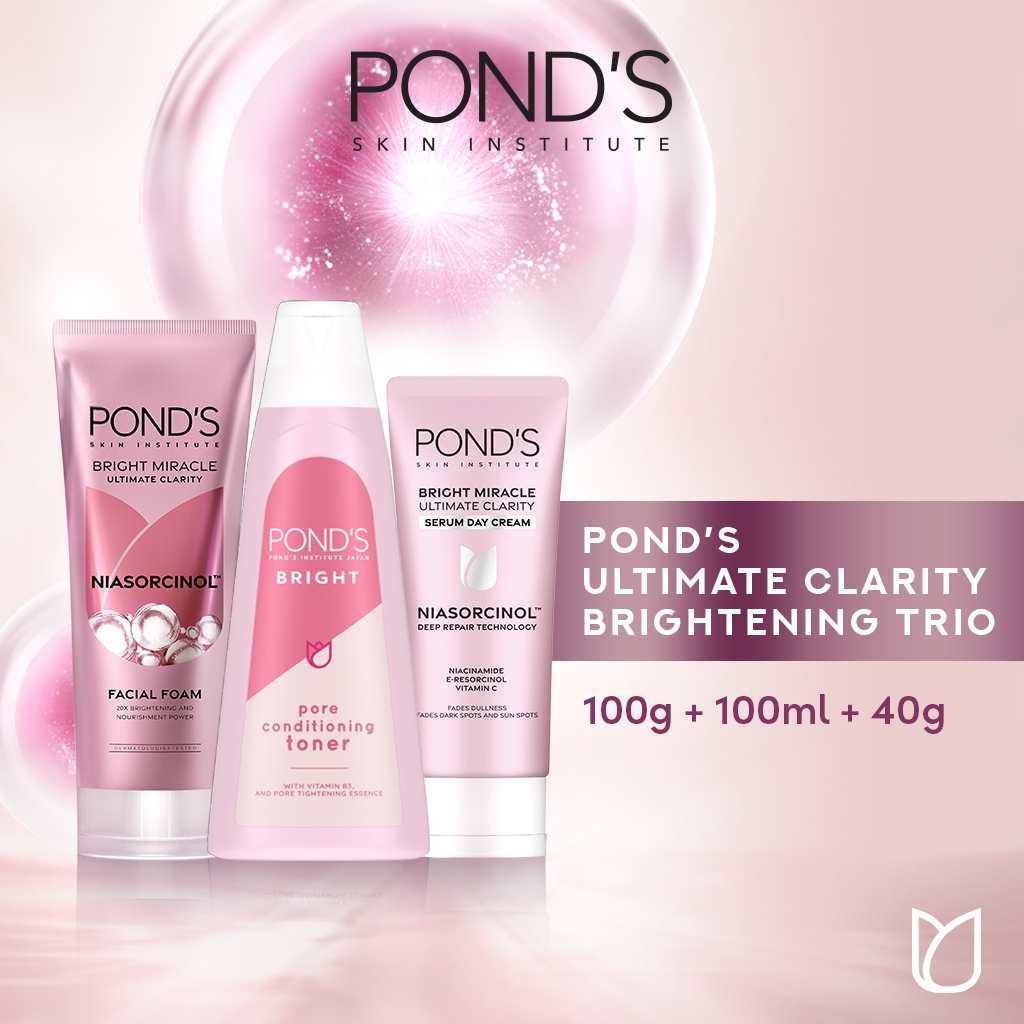
Authentic products feature high-quality packaging with crisp, clear text, precise logo alignment, and secure safety seals. Counterfeit products often have subtle flaws, such as blurry print, misspelled ingredients, poor-quality plastic jars, or unevenly applied labels. Additionally, every genuine product is stamped with a clear batch code and expiration date. These codes can be verified directly with the manufacturer or via official cosmetic database tools to confirm the production date and facility.
Partnering with Authorized Distributors
The most reliable way to avoid counterfeit goods is to work directly with authorized Unilever distributors or established, vetted B2B wholesale suppliers. Always request full chain-of-custody documentation, commercial invoices, and up-to-date quality certificates before finalizing any procurement agreements. Taking these precautions protects your investment and ensures your retail customers receive genuine, high-quality products every time.
Market Demand and Regional Consumer Preferences
The global personal care market is experiencing steady growth, driven by an aging population, rising disposable incomes, and a growing consumer focus on self-care and dermatological health. Within this landscape, classic heritage brands like POND’S continue to capture significant market share by offering dependable, high-quality products at accessible price points.
In mature markets, demand is largely driven by anti-aging and deep-moisturizing formulas, such as the Rejuveness and Dry Skin lines. In emerging economies, rapid urbanization and an expanding middle class are driving strong demand for daily moisturizing and skin-brightening lines like Clarant B3 and Bright Beauty. By understanding these regional trends and consumer behaviors, wholesale buyers can tailor their inventory to match local demand, leading to faster stock turnover and stronger retail sales.
Secure Your Inventory with a Reliable Supply Chain Partner
For modern beauty businesses, ensuring a consistent supply of in-demand products is essential for maintaining customer trust and growing your bottom line. Partnering with an experienced B2B cosmetics distributor helps you streamline sourcing, simplify logistics, and protect your margins with competitive bulk pricing tiers. Contact our professional logistics team today to discuss your target market’s needs, verify batch codes, and secure a consistent, high-quality POND’S Beauty Cream Supply for your retail or wholesale business.
POND’S Beauty Cream Supply FAQ
Disclaimer: Unless otherwise stated, the images used in this article are the property of their respective owners. We do not claim ownership of any third-party images featured, and they are used here strictly for informational and educational purposes. If you are the copyright holder and wish to have an image removed, please contact us.