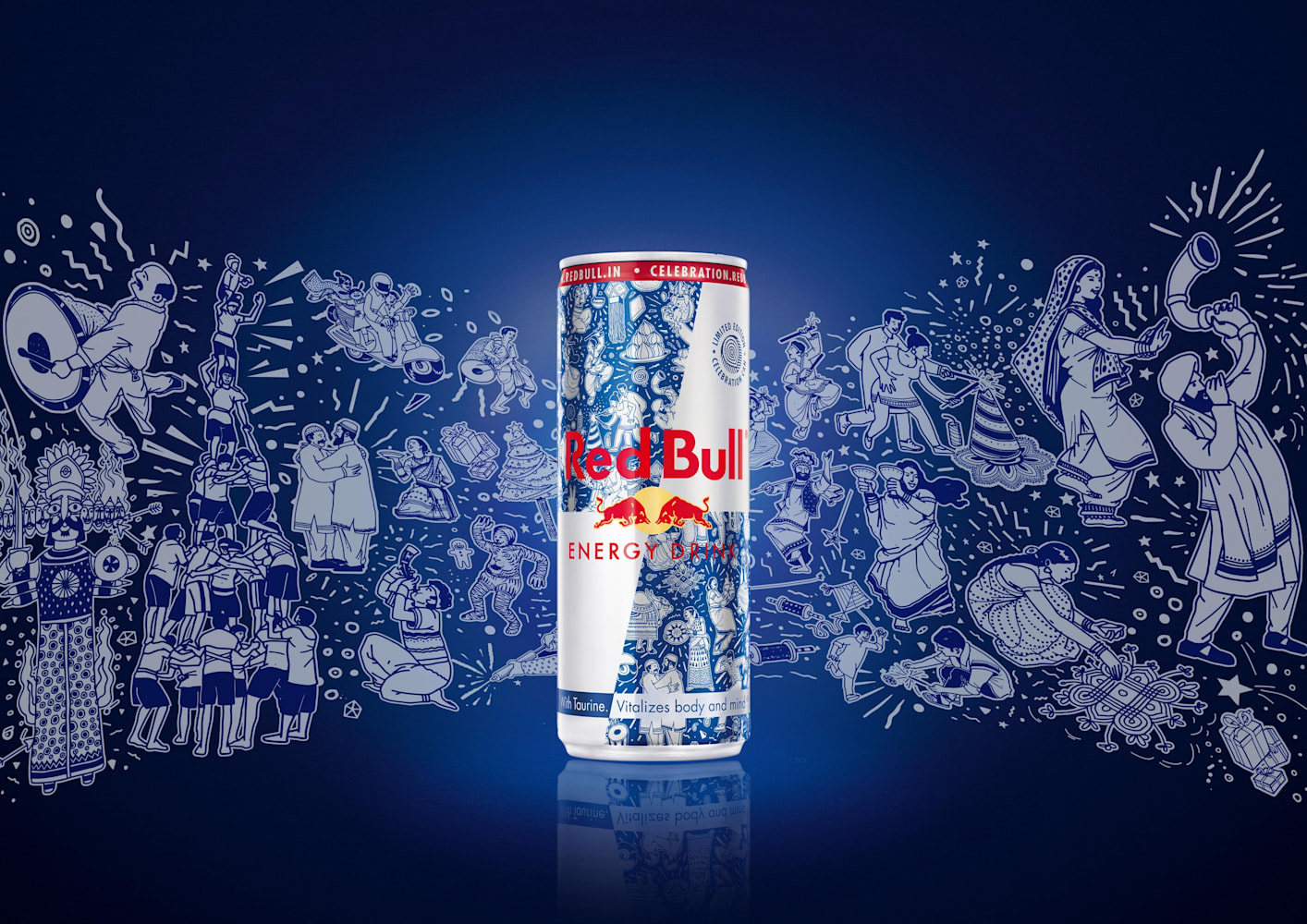
Sourcing Red Bull Energy Drink Wholesale inventory gives international B2B distributors, convenience store chains, hypermarkets, and FMCG trading firms an unmatched high-velocity revenue driver. As the undisputed global leader in the functional energy beverage sector, Red Bull holds a commanding market share across North America, Europe, Asia, Latin America, and the Middle East. Known for its iconic silver-and-blue aluminum slim cans, “Gives You Wings” slogan, and distinct functional formulation, Red Bull delivers exceptionally high inventory turnover and reliable profit margins.
For international beverage importers, navigating the complex global supply chains of Red Bull requires a thorough understanding of sourcing origins, packaging variations, ocean freight payload limits, customs compliance, and parallel trade dynamics. This comprehensive B2B pillar guide analyzes the strategic, logistical, and commercial considerations necessary to build a highly profitable distribution model.

Table of Contents
- Global Market Dominance and Demand for Red Bull Energy Drink Wholesale
- Formulation, Functionality, and Consumer Appeal
- Understanding Sourcing Origins: European Red Bull vs. Thai Krating Daeng
- Packaging Architecture and Container Loading Specs
- Logistics, Ocean Freight, and Weight Payload Optimization
- B2B Procurement Strategies and Incoterms
- Customs Compliance, Tariffs, and Food Safety Standards
- Frequently Asked Questions (FAQ)
- Partner with Us for Your Global Sourcing Needs
1. Global Market Dominance and Demand for Red Bull Energy Drink Wholesale
The global energy drink market represents one of the fastest-growing segments within the non-alcoholic CPG beverage industry. Driven by expanding urban workforces, nightlife culture, esports, and athletic performance trends, energy beverage sales continue to outpace traditional carbonated soft drinks.
Red Bull GmbH, headquartered in Fuschl am See, Austria, sells over 11 billion cans annually worldwide. This immense volume translates into high consumer pull. When distributors add Red Bull Energy Drink Wholesale consignments to their catalog, they benefit from pre-sold brand equity. Supermarkets, gas station forecourts, nightlife venues, and vending machine operators consistently list Red Bull as an essential, non-negotiable SKU.
2. Formulation, Functionality, and Consumer Appeal
Red Bull’s commercial success rests on its standardized functional formulation. Unlike standard fruit sodas, Red Bull is engineered as an active beverage designed to revitalize mind and body.
Core Active Ingredients
- Caffeine: Sourced naturally or synthetically, each standard 250ml can contains 80mg of caffeine—equivalent to a standard cup of home-brewed coffee—delivering immediate cognitive alertness.
- Taurine: An amino acid naturally occurring in the human body and daily diet, taurine supports neurological development and helps regulate water and mineral levels in the blood.
- B-Group Vitamins: Essential micronutrients (Niacin, Pantothenic Acid, Vitamin B6, Vitamin B12) that contribute to normal energy-yielding metabolism and reduce fatigue.
- Sugars / Sweeteners: Classic Red Bull uses sugar beet sucrose and glucose, providing 27g of carbohydrates per 250ml can. Sugarfree and Total Zero variants replace sucrose with Acesulfame K, Sucralose, or Stevia to serve health-conscious demographics.
3. Understanding Sourcing Origins: European Red Bull vs. Thai Krating Daeng
A critical distinction for B2B buyers is understanding how production origin dictates flavor profile, carbonation, packaging, and commercial resale value.
Austrian / European Origin (Red Bull GmbH)
Manufactured primarily in Austria and Switzerland, European-origin stock features crisp carbonation, a bright golden hue, and a signature tart-sweet flavor profile. Packaged in aluminum slim cans (250ml, 355ml, 473ml), this variant is the standard for Western hypermarkets, nightlife, and premium convenience channels globally. Learn more in our detailed guide to Red Bull Energy Drink Sourcing Origin.
Thai Origin (Krating Daeng / TC Pharmaceutical)
Krating Daeng is the uncarbonated predecessor created by Chaleo Yoovidhya in Thailand. Typically packaged in small 150ml amber glass bottles or 250ml gold aluminum cans, it features a sweeter, uncarbonated, syrup-like profile. While highly popular across Southeast Asia and ethnic import channels, it targets a different retail demographic than European carbonated stock.
4. Packaging Architecture and Container Loading Specs
Selecting the correct SKU format impacts freight density, retail positioning, and gross profit margins.
Standard 250ml Slim Can
The primary global volume driver. It fits standard display chillers and vending machines perfectly. Packed 24 cans per corrugated tray carton.
355ml and 473ml (16 oz) Large Formats
Engineered for Western convenience stores and grab-and-go channels where consumers seek longer-lasting functional energy.
Red Bull Editions (Flavor Variants)
Includes popular variants such as The Red Edition (Watermelon), The Blue Edition (Blueberry), and The Yellow Edition (Tropical Fruit). These specialized SKUs allow distributors to capture incremental sales beyond the core silver-and-blue SKU. Explore flavor allocations in our analysis of Red Bull Energy Drink Special Can SKUs.
| Packaging SKU | Packaging Format | Case Configuration | Gross Weight / Case | 20ft FCL Capacity (Floor Loaded) | 40ft HC FCL Capacity (Floor Loaded) |
| 250ml Slim Can | Aluminum Slim | 24 Cans / Tray | ~6.7 kg | ~3,100 Trays | ~4,100 Trays |
| 355ml Can | Aluminum Standard | 24 Cans / Case | ~9.3 kg | ~2,200 Cases | ~2,900 Cases |
| 473ml Can | Aluminum Tall | 12 or 24 Cans | ~12.2 kg | ~1,700 Cases | ~2,250 Cases |
| 250ml Sugarfree | Aluminum Slim | 24 Cans / Tray | ~6.7 kg | ~3,100 Trays | ~4,100 Trays |
5. Logistics, Ocean Freight, and Weight Payload Optimization
Shipping Red Bull Energy Drink Wholesale consignments requires careful calculation of maritime weight restrictions. Liquid cargo is weight-dense, meaning ocean containers reach legal road/vessel weight limits (“weighing out”) long before physical space is filled (“cubing out”).
Floor Stacking vs. Palletization
- Floor Loading (Hand Stacking): Increases container case payload by 15% to 20% compared to wooden pallets, significantly lowering the ocean freight cost per unit.
- Palletized Loading: Uses Euro-pallets or standard ISO pallets. While it reduces total case count per container, it enables rapid forklift offloading at automated distribution centers.
Temperature Control and Condensation Shielding
While aluminum canned drinks are shelf-stable at room temperature, transit through tropical ocean routes can subject containers to temperatures exceeding 45°C. Importers regularly utilize thermal container blankets or request below-deck vessel stowage to prevent thermal stress or container sweat (condensation) from damaging corrugated trays. Review logistics routing in our guide on the Red Bull Energy Drink Distribute Channel Network.

6. B2B Procurement Strategies and Incoterms
Achieving sustainable profit margins requires structuring supply contracts with verified master exporters and FMCG consolidators.
Minimum Order Quantities (MOQs) and Mixed Containers
Factory-direct contracts demand massive annual commitments spanning dozens of containers per month. Independent importers generally partner with master FMCG consolidators offering 1x20ft or 1x40ft FCL MOQs. Consolidators also support mixed-container loads, enabling buyers to combine Red Bull with other high-turnover soft drinks.
Incoterms 2020 Framework
- Free On Board (FOB): Recommended. The seller handles inland transit, export customs, and origin port loading. The buyer assumes control over ocean shipping rates, vessel selection, and marine insurance.
- CIF (Cost, Insurance, and Freight): Convenient for buyers who prefer the exporter to organize ocean shipping directly to the destination discharge port.
7. Customs Compliance, Tariffs, and Food Safety Standards
Clearing food and beverage consignments through customs requires meticulous document preparation.
Essential Export Documentation
- Commercial Invoice & Packing List: Itemizing exact SKU volume, batch numbers, net/gross weights, and HS codes (HS 2202.99 for functional drinks).
- Certificate of Origin (COO): Issued by the Chamber of Commerce at the manufacturing origin (e.g., Austria or Thailand) to qualify for preferential trade tariffs.
- Certificate of Analysis (CoA): Issued by an accredited laboratory certifying caffeine concentration, Brix levels, taurine content, and microbiological safety.
- Health & Free Sale Certificate: Confirming fitness for human consumption according to health ministry standards.
Over-Sticker Labeling and Language Compliance
If factory stock lacks native language ingredient text for your destination market, export consolidators can apply translated compliance sticker labels (e.g., declaring local importer details, local health warnings, and allergen declarations) prior to ocean export.
9. Partner with Us for Your Global Sourcing Needs
Securing a reliable, high-volume supply of authentic Red Bull requires an experienced FMCG export partner. We specialize in supply chain consolidation, international customs documentation, and FCL ocean freight for global beverage brands. Contact our commercial trade sales team today to request wholesale pricing, discuss mixed-container options, and scale your energy drink distribution business globally.
Red Bull Wholesale Sourcing FAQ
Disclaimer: Unless otherwise stated, the images used in this article are the property of their respective owners. We do not claim ownership of any third-party images featured, and they are used here strictly for informational and educational purposes. If you are the copyright holder and wish to have an image removed, please contact us.