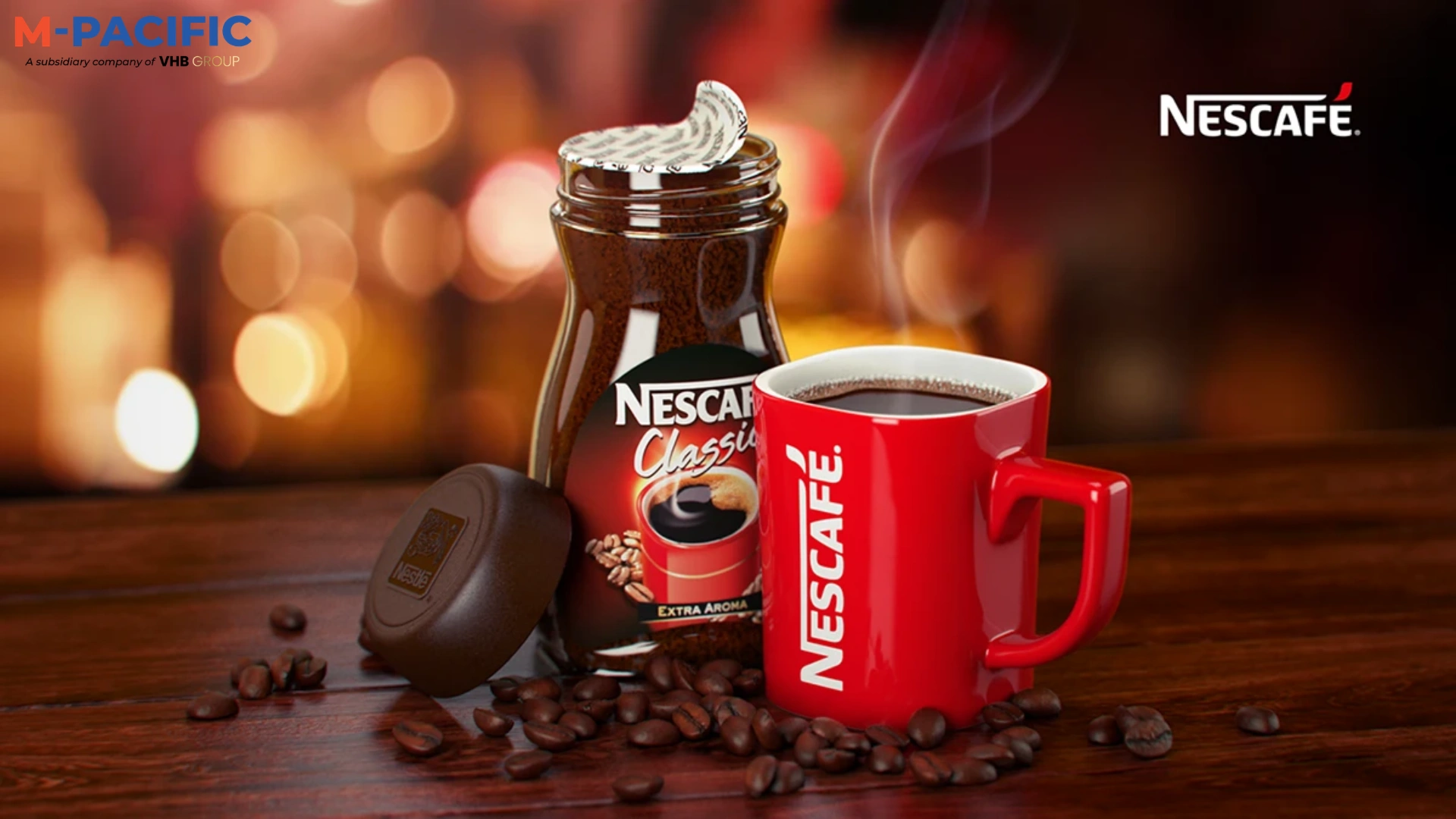
Exploring the Nescafe Coffee Source Origin provides valuable insights into how Nestlé sources green coffee beans across global agricultural belts, processes Robusta and Arabica varieties, and executes sustainable coffee farming initiatives. For B2B coffee buyers, food service managers, and sustainability directors, understanding Nescafé’s origin dynamics clarifies differences in flavor profiling, bean chemistry, roasting mechanics, and supply chain traceability.
Table of Contents
- Global Harvest Geography & Green Coffee Sourcing Belt
- Arabica vs. Robusta Chemistry and Extraction Dynamics
- The Nescafé Plan: Regenerative Agriculture and Farmer Traceability
- Primary Regional Coffee Origins: Latin America, Asia-Pacific, and Africa
- Roasting Science, Extraction Engineering, and Flavor Preservation
- Frequently Asked Questions (FAQ)

1. Global Harvest Geography & Green Coffee Sourcing Belt
Nestlé is the world’s largest buyer of green coffee beans, purchasing approximately 10% of the global coffee crop annually. Green coffee beans used in Nescafé manufacturing are harvested across the tropical “Coffee Belt” located between the Tropics of Cancer and Capricorn.
+-------------------------------------------------------+
|             Nescafé Global Sourcing Belt              |
+-------------------------------------------------------+
                           |
       +-------------------+-------------------+
       |                   |                   |
       v                   v                   v
+--------------+    +--------------+    +--------------+
| Latin America|    | Asia-Pacific |    |    Africa    |
+--------------+    +--------------+    +--------------+
| Brazil       |    | Vietnam      |    | Ethiopia     |
| Colombia     |    | Indonesia    |    | Uganda       |
| High Arabica |    | High Robusta |    | Mixed Origins|
+--------------+    +--------------+    +--------------+
2. Arabica vs. Robusta Chemistry and Extraction Dynamics
Nescafé master blenders combine two distinct species of coffee beans to achieve balanced flavor, crema, and solubility profiles:
Coffea Arabica (Arabica Beans)
Grown at high altitudes (1,000m to 2,200m above sea level) in cooler climates.
- Chemical Profile: Lower caffeine content (1.2% – 1.5%), higher natural sucrose and lipid content (15% – 17%).
- Flavor Contribution: Delivers refined acidity, sweet floral notes, and complex aromatic volatiles (widely used in Nescafé Gold formulations).
Coffea Canephora (Robusta Beans)
Grown at lower elevations (sea level to 800m) in warm, humid tropical zones.
- Chemical Profile: Higher caffeine content (2.2% – 2.8%), rich chlorogenic acid antioxidants, lower lipid content.
- Flavor Contribution: Provides bold body, deep dark chocolate undertones, strong caffeine kick, and superior soluble extraction yield (foundational to Nescafé Classic blends).

3. The Nescafé Plan: Regenerative Agriculture and Farmer Traceability
Under The Nescafé Plan, Nestlé has committed to achieving 100% responsibly sourced coffee and transitioning coffee farming communities toward regenerative agriculture practices:
- Soil Health & Cover Cropping: Training farmers to implement cover crops, organic composting, and intercropping to prevent soil erosion and sequester carbon.
- Disease-Resistant Plant Distribution: Distributing high-yield, drought- and rust-resistant plantlets developed by Nestlé agricultural scientists.
- Direct Supply Traceability: Mapping supply chains to ensure zero deforestation compliance (EUDR alignment) and guaranteed fair living incomes for smallholder farming families.
4. Primary Regional Coffee Origins: Latin America, Asia-Pacific, and Africa
Key regional sourcing hubs contribute unique flavor notes to Nescafé’s global blend database:
| Sourcing Region | Key Producing Countries | Dominant Species | Signature Flavor Traits in Nescafé Blends |
| Latin America | Brazil, Colombia, Honduras | Arabica Dominant | Caramel sweetness, mild nutty notes, smooth balance |
| Asia-Pacific | Vietnam, Indonesia, India | Robusta Dominant | Bold body, dark cocoa finish, intense crema stability |
| Africa | Ethiopia, Uganda, Ivory Coast | Arabica & Robusta | Bright fruity acidity, floral aroma, spicy complexity |

5. Roasting Science, Extraction Engineering, and Flavor Preservation
Once green coffee beans arrive at Nescafé roasting facilities, they undergo precise processing:
- Custom Profile Roasting: Beans are roasted using hot air convection roasters to specific color and temperature thresholds (Maillard reaction), developing aromatic coffee oils (cafestol and kahweol).
- High-Pressure Counter-Current Extraction: Coarsely ground roasted coffee passes through continuous extraction columns using ultra-pure water under high pressure and temperature (160°C – 180°C), dissolving soluble coffee solids while trapping delicate aroma gases.
- Aroma Recovery Systems: Volatile top-note aromas released during roasting and extraction are captured, concentrated, and sprayed back onto the coffee extract before drying, ensuring a freshly-brewed coffee smell when the jar is opened.
Nescafé Coffee Source & Origin FAQ
Disclaimer: Unless otherwise stated, the images used in this article are the property of their respective owners. We do not claim ownership of any third-party images featured, and they are used here strictly for informational and educational purposes. If you are the copyright holder and wish to have an image removed, please contact us.