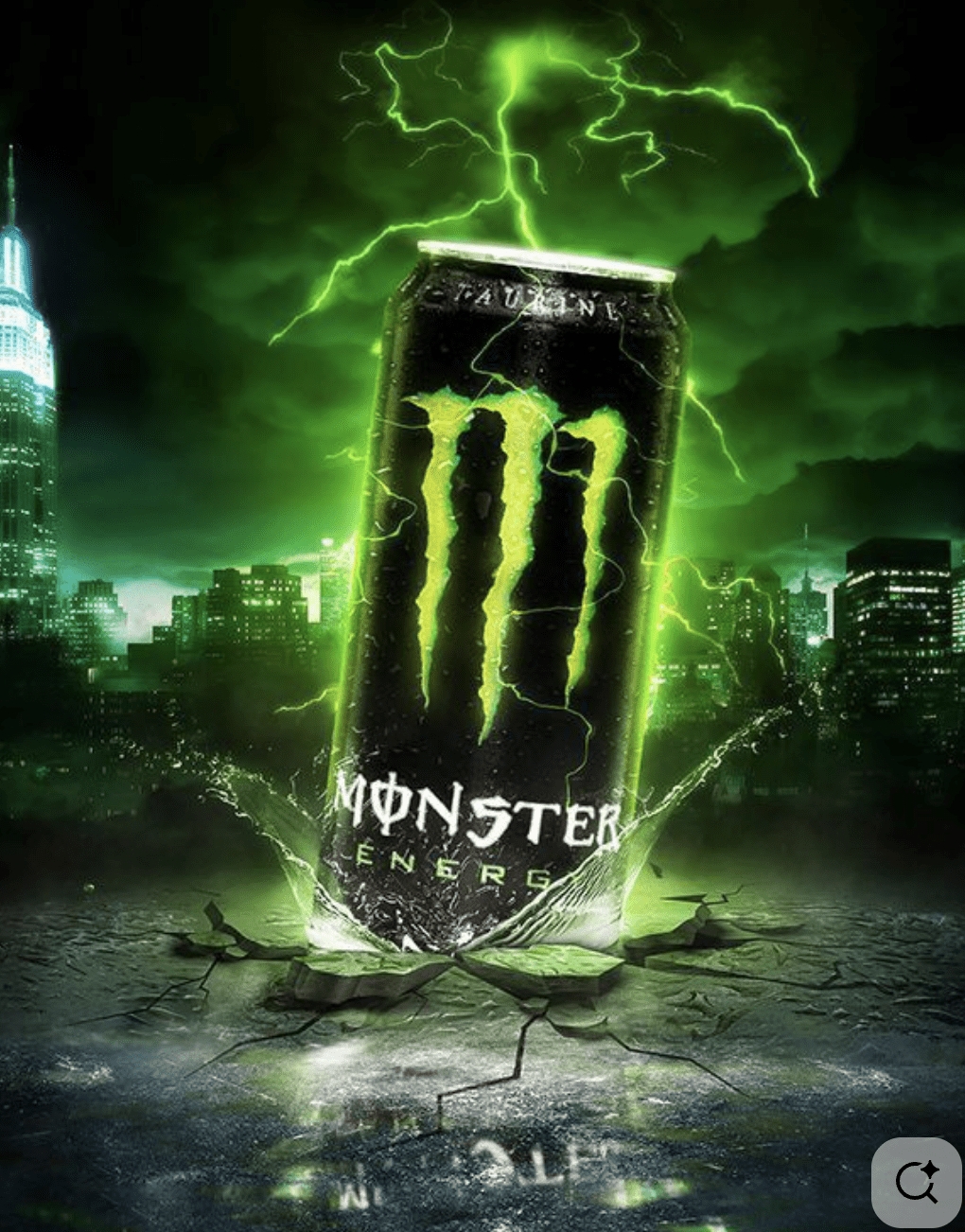
Sourcing Monster Energy Drink Supply inventory provides international B2B beverage distributors, supermarket chains, cash-and-carry wholesalers, and FMCG trading partners with a high-velocity revenue engine in the global functional beverage market. As one of the world’s premier energy drink brands manufactured by Monster Beverage Corporation and distributed globally through the Coca-Cola system, Monster Energy represents a mandatory anchor brand for high-volume non-alcoholic beverage catalogs.
For international B2B procurement managers, managing full container load (FCL) consignments of wholesale Monster Energy soft drinks requires navigating complex supply chain dynamics—including origin bottling hub selection, container payload weight limits, product line packaging choices, energy blend regulatory compliance, parallel trade economics, and ocean freight temperature controls. This technical guide evaluates the operational, financial, and logistical protocols necessary to build a highly profitable distribution model.
Table of Contents
- Global Energy Market Growth and Commercial Power of Monster Energy
- Comprehensive Product Portfolio Breakdown: Original, Ultra, Juice, and Java Lines
- Functional Energy Chemistry: Taurine, Panax Ginseng, B-Vitamins, and Caffeine Saturation
- Ocean Freight Logistics, Weight Payload Limits, and Container Loading Models
- B2B Sourcing Models: Coca-Cola System Alignment vs. Master FMCG Consolidators
- Financial Calculation Model for B2B Landed Cost and Profitability
- International Customs Compliance, Regulatory Tariffs, and HS Code Specifications
- Frequently Asked Questions (FAQ)

1. Global Energy Market Growth and Commercial Power of Monster Energy
The global energy drink market continues to experience rapid expansion, driven by rising consumer demand for functional alertness, physical performance support, and lifestyle beverage choices. Monster Energy maintains a commanding market share across North America, Europe, Asia-Pacific, Latin America, and the Middle East, serving as a primary driver of non-alcoholic beverage profitability in convenience and grocery retail.
Adding Monster Energy Drink Supply stock to a B2B wholesale catalog delivers distinct commercial advantages:
- Unmatched Pre-Sold Brand Equity: Massive global marketing investments in extreme sports, motorsports, gaming, and music generate strong pre-existing consumer pull, minimizing promotional expenditures for regional wholesalers.
- Rapid Cash Conversion Cycles: As a high-velocity FMCG commodity, Monster Energy stock achieves rapid turnover in convenience chillers and hypermarkets, driving consistent cash flow and freeing up working capital.
- Exceptional Value-to-Weight Ratio: High unit retail pricing relative to physical volume yields strong profit margin density per ocean shipping container compared to standard carbonated soft drinks.
2. Comprehensive Product Portfolio Breakdown: Original, Ultra, Juice, and Java Lines
Curating an optimal product mix requires selecting the right combination of Monster Energy sub-brands tailored to destination market demographics, dietary preferences, and local regulatory frameworks:
Core Energy and Zero-Sugar Formulations
- Monster Energy Original (Green Claw): The iconic flagship formula delivering a smooth, sweet, and punchy citrus-guarana flavor profile packed in the standard 16 oz (473ml) or 500ml metric can.
- Monster Energy Ultra Series (Zero Sugar): Formulated with zero sugar and zero calories using non-nutritive sweetener blends (Sucralose and Acesulfame Potassium). The Ultra line—including Ultra White (Zero Ultra), Ultra Fiesta, Ultra Rosa, and Ultra Peachy Keen—serves health-conscious and sugar-taxed consumer segments.
Juice, Tea, and Hybrid Specialty Lines
- Juice Monster (Juiced Line): Formulated with up to 10% to 15% real fruit juice concentrate. High-velocity SKUs like Mango Loco, Pipeline Punch, and Pacific Punch deliver sweet, tropical fruit flavor profiles combined with full energy blends.
- Java Monster Series: Non-carbonated coffee plus energy hybrids combining real premium coffee, milk, and the proprietary Monster energy blend (e.g., Mean Bean, Loca Moca), packed in specialized 15 oz cans.
- Monster Rehab & Hydro Series: Non-carbonated, electrolyte-enriched tea and lemonade energy formulations designed for rapid hydration and recovery.
3. Functional Energy Chemistry: Taurine, Panax Ginseng, B-Vitamins, and Caffeine Saturation
Monster Energy sets itself apart from standard carbonated soft drinks through its specialized functional formulation, engineered to deliver sustained physical and cognitive energy.

Core Active Ingredients
- Caffeine Saturation: Formulated to deliver approximately 160 mg of caffeine per standard 16 oz (473ml) or 500ml can (roughly 32 mg per 100ml). Caffeine acts as a central nervous system stimulant to reduce fatigue.
- Taurine: An organic amino acid involved in cardiovascular function, muscle contraction, and cellular hydration.
- Panax Ginseng Root Extract: A natural botanical adaptogen added to enhance mental focus and physical endurance.
- L-Carnitine L-Tartrate: An amino acid derivative that assists in cellular energy production by transporting fatty acids into the mitochondria.
- Essential B-Vitamin Complex: Contains Vitamin B3 (Niacin), Vitamin B6 (Pyridoxine), Vitamin B2 (Riboflavin), and Vitamin B12 (Cobalamin) to support carbohydrate metabolism and nutrient synthesis.
4. Ocean Freight Logistics, Weight Payload Limits, and Container Loading Models
Managing ocean logistics for liquid beverage cargo requires precise payload management. Energy drinks are weight-dense, meaning ocean containers reach legal road and vessel weight limits (“weighing out”) long before physical volumetric space is exhausted (“cubing out”).
Packaging Specifications and Container Load Yields
| Packaging Format | Unit Capacity | Units per Case / Tray | Cases per 20ft FCL (Floor) | Cases per 40ft HC (Floor) | Primary Retail Channel |
| Standard Can | 16 oz (473ml) / 500ml | 24 Cans | 1,450 – 1,600 Cases | 2,200 – 2,400 Cases | Convenience / Gas Stations |
| Slim Can | 12 oz (355ml) | 24 Cans | 1,800 – 2,000 Cases | 2,800 – 3,100 Cases | Supermarket Multipacks / Urban |
| Mega Resealable Can | 24 oz (710ml) | 12 or 24 Cans | 1,100 – 1,300 Cases | 1,700 – 1,900 Cases | Forecourt C-Stores / Impulse |
Ocean Container Loading Models: Floor-Loading vs. Palletized
- Floor-Loading (Hand Stacking): Shrink-wrapped trays are stacked directly onto the container floor. This increases total case payload by 15% to 20% compared to wooden pallets, significantly reducing net ocean freight costs per unit.
- Palletized Loading (Euro / ISO Pallets): Reduces total container case capacity but enables rapid forklift offloading at automated distribution centers, minimizing labor costs.
5. B2B Sourcing Models: Coca-Cola System Alignment vs. Master FMCG Consolidators
Achieving target profit margins depends on selecting the appropriate procurement pathway based on order volume and geographic flexibility.
The Coca-Cola Distribution Partnership
Following the historic 2014-2015 equity investment and strategic partnership between Monster Beverage Corporation and The Coca-Cola Company, Monster products are distributed through the global Coca-Cola bottling network (e.g., CCEP, Swire Coca-Cola, Coca-Cola FEMSA). Direct procurement contracts with authorized Coca-Cola anchor bottlers yield the lowest factory-gate pricing but require massive annual volume commitments and strict territorial adherence.
Master FMCG Consolidators and Parallel Trade
Independent wholesalers and regional distributors frequently source via master FMCG consolidators. Consolidators offer flexible minimum order quantities (1x20ft or 1x40ft FCL), competitive spot-market pricing via parallel trade routes, and mixed-container capabilities (combining Monster Original, Ultra, and Juice lines in a single consignment).

6. Financial Calculation Model for B2B Landed Cost and Profitability
Evaluating wholesale profitability requires modeling all shipping, duty, and handling variables using a structured calculation framework:
- Calculate Total Shipping Overhead = Ocean Freight Charges + Import Customs Duties & Energy/Sugar Taxes + Marine Cargo Insurance + Local Inland Drayage.
- Calculate Landed Cost per Master Case = Free On Board (FOB) Factory Case Price + (Total Shipping Overhead / Total Master Cases Loaded).
- Calculate Landed Cost per Saleable Unit = Total Landed Cost per Master Case / Cans per Case (e.g., 24 cans).
- Calculate Net Profit Margin Percentage = [(Target Wholesale Unit Selling Price – Landed Unit Cost) / Target Wholesale Unit Selling Price] x 100.
Applying this step-by-step breakdown ensures that procurement officers accurately model gross margin retention against freight volatility before committing capital.
7. International Customs Compliance, Regulatory Tariffs, and HS Code Specifications
Navigating international customs clearance requires strict compliance with food safety regulations and ingredient disclosure laws monitored by origin and destination health authorities (such as the US FDA or European EFSA).
Mandatory Documentation Suite
- Commercial Invoice & Detailed Packing List: Itemizing exact SKU descriptions, net/gross weights, batch codes, and Harmonized System codes (HS Code 2202.99.90 for non-alcoholic functional energy beverages).
- Certificate of Origin (COO): Issued by the origin Chamber of Commerce to qualify for preferential customs tariffs under bilateral trade agreements.
- Certificate of Analysis (CoA): Lab-certified verification of caffeine concentration (mg/100ml), taurine levels, Brix sugar density, carbonation pressure, and microbiological sterility.
- Compliance Sticker Labeling: Over-stickering packaging at origin warehouses with translated local ingredient listings, nutritional panels, caffeine warning statements, and regional importer contact details.
Monster Energy Supply & B2B Procurement FAQ
Disclaimer: Unless otherwise stated, the images used in this article are the property of their respective owners. We do not claim ownership of any third-party images featured, and they are used here strictly for informational and educational purposes. If you are the copyright holder and wish to have an image removed, please contact us.