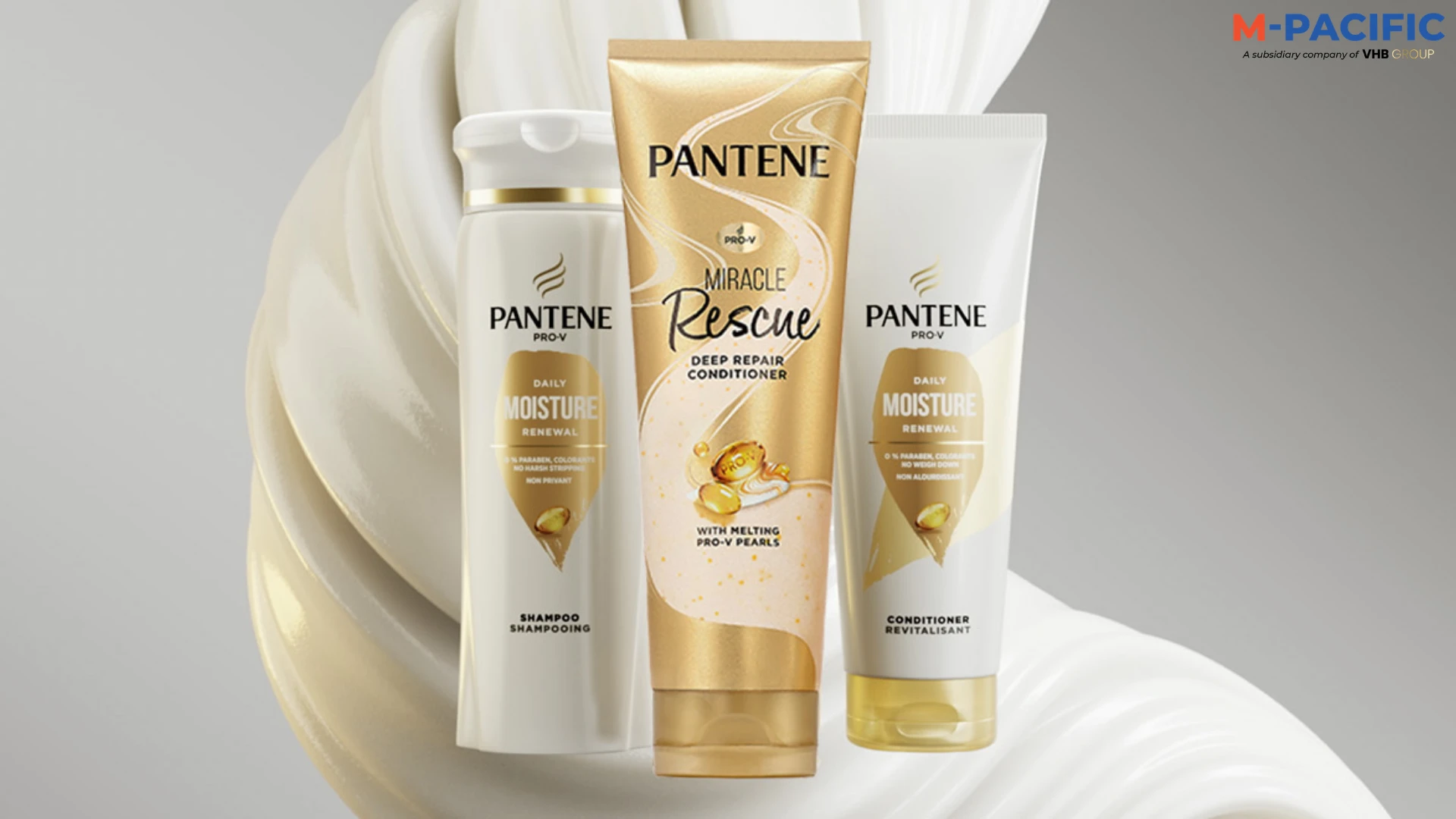
Evaluating Pantene Shampoo Hair Care Facts provides essential technical data for B2B personal care buyers, cosmetic chemists, retail category managers, and wholesale importers. Understanding the surfactant chemistry, active Pro-Vitamin complexes, hair fiber deposition mechanics, and safety metrics of Pantene shampoo is critical when evaluating product performance, collection positioning, and regulatory compliance for international distribution.
Pantene represents one of the world’s most scientifically researched haircare brands. Built upon the discovery of Provitamin B5 (Panthenol) in 1945, Pantene formulations combine effective cleansing surfactants with advanced conditioning lipids and protective histidine complexes. This technical guide analyzes the chemical, physical, and dermatological facts governing Pantene shampoo formulations.
Table of Contents
- The Discovery and Innovation History of Pro-Vitamin B5
- Pro-V Complex Chemistry: Panthenol, Histidine, and Conditioning Lipids
- Surfactant Matrix, Micellar Cleansing, and Fiber Protection
- Comparative Formulation Analysis Across Core Pantene Collections
- Quality Control Testing, Safety Certifications, and Shelf-Life Physics
- Frequently Asked Questions (FAQ)
1. The Discovery and Innovation History of Pro-Vitamin B5
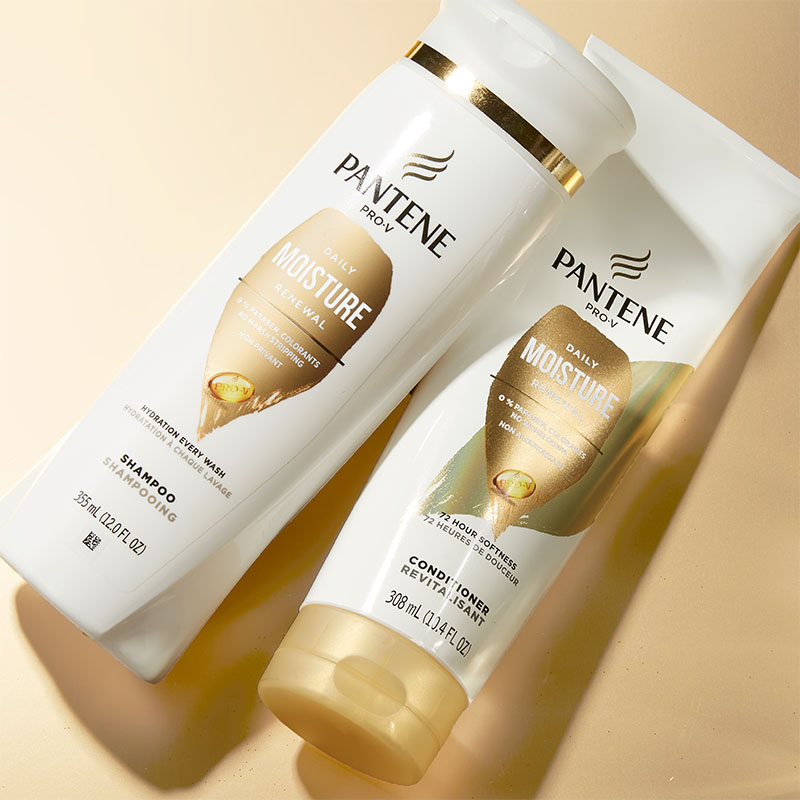
The foundation of Pantene dates back to 1945 in Switzerland, when scientists at Swiss pharmaceutical company Hoffmann-La Roche discovered that Provitamin B5 (Panthenol) significantly improved the strength, flexibility, and elasticity of human hair fibers. Named after Panthenol, Pantene was introduced as a luxury European hair treatment before being acquired by Procter & Gamble in 1985.
P&G transformed Pantene into a mass-market global powerhouse through continuous scientific innovation, establishing the Pantene Hair Research Institute—an international network of independent dermatologists and hair scientists who validate formulation performance.
2. Pro-V Complex Chemistry: Panthenol, Histidine, and Conditioning Lipids
Modern Pantene shampoo formulations rely on a multi-component Pro-V Nutrient Complex that penetrates deep into the hair’s internal cortex rather than remaining solely on the surface.
[Surface Cleansing Phase]
           │
           ▼
[Panthenol & Panthenyl Ethyl Ether Penetration] ──► Absorbs Into Internal Cortex
           │
           ▼
[Histidine Antioxidant Binding]                ──► Neutralizes Copper/Mineral Damage
           │
           ▼
[Conditioning Lipid Deposition]                ──► Seals Cuticle Outer Layer
           │
           ▼
[Stronger, Shinier, Damage-Resistant Hair]
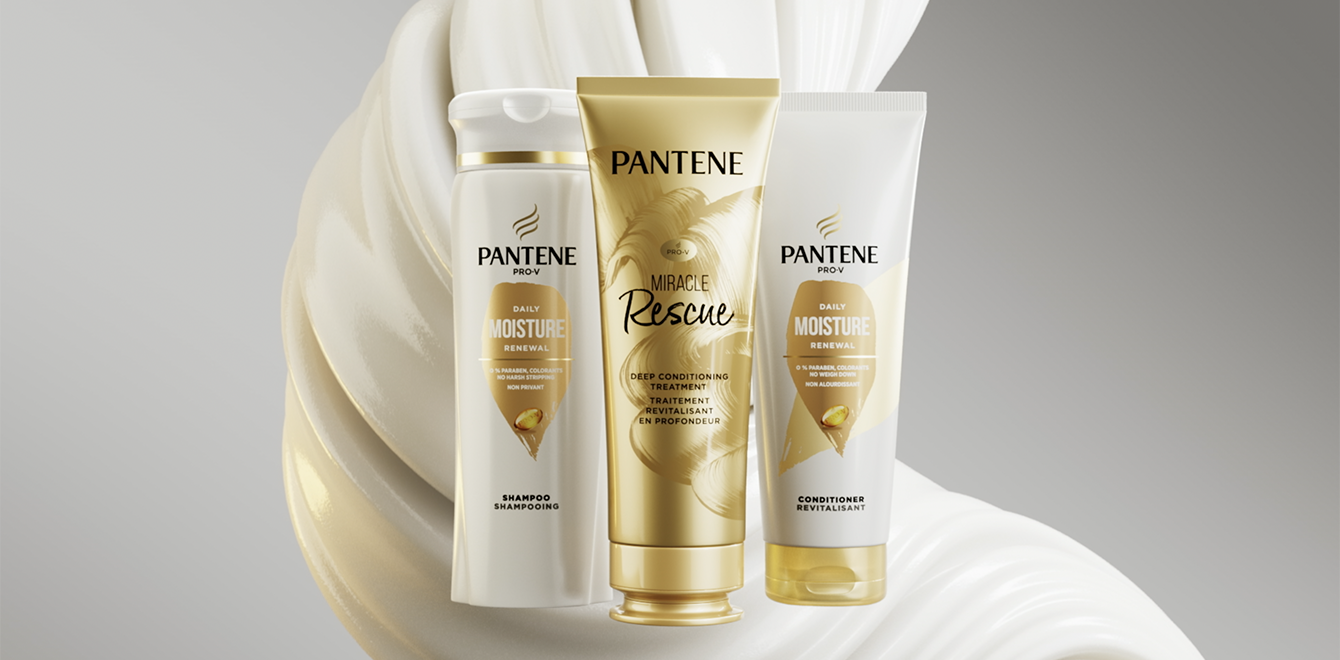
Panthenol and Panthenyl Ethyl Ether
Provitamin B5 (Panthenol) is a small, water-soluble molecule capable of penetrating the outer cuticle layer into the inner cortex. Once inside, it converts to Pantothenic Acid, binding moisture and increasing structural hair fiber flexibility.
Histidine Mineral Defense Technology
Tap water in homes contains microscopic copper ions that deposit onto hair strands during washing. Under UV exposure, copper ions catalyze free radical formation that breaks down hair proteins. Pantene incorporates Histidine—an amino acid that selectively binds and neutralizes copper ions deep within the hair fiber, stopping mineral-induced protein damage.
3. Surfactant Matrix, Micellar Cleansing, and Fiber Protection
Pantene Shampoo Hair Care Facts cleanses the scalp and hair shafts through a balanced surfactant matrix engineered to lift sebum without causing excessive mechanical friction during washing.
Primary Surfactant System
- Sodium Laureth Sulfate (SLES) & Sodium Lauryl Sulfate (SLS): Anionic surfactants that generate high-density foam to encapsulate oil, environmental dirt, and styling residue.
- Cocamidopropyl Betaine (CAPB): An amphoteric co-surfactant derived from coconut fatty acids that reduces primary surfactant harshness and builds rich foam density.
4. Comparative Formulation Analysis Across Core Pantene Collections
The following matrix compares key active complexes, key ingredients, and target hair benefits across flagship Pantene shampoo SKUs:
| Pantene Collection | Core Active Complex | Key Functional Ingredients | Primary Hair Care Benefit |
| Daily Moisture Renewal | Pro-V Nutrient Blend | Panthenol, Histidine, Glutamic Acid | Delivers 48-hour hydration for dry, brittle hair strands. |
| Hair Fall Control | Root Fortifying Complex | Panthenol, Histidine, Stearyl Alcohol | Strengthens internal structure to reduce hair breakage fall. |
| Total Damage Care | Keratin Damage Blocker | Panthenol, Histidine, Hydrolyzed Silk | Repairs signs of severe thermal and chemical damage. |
| Silky Smooth Care | Micro-Moisturizers | Panthenol, Dimethiconol, Rice Oil | Controls frizz and blocks environmental humidity. |
| Color Preserve | Color Lock Antioxidants | Panthenol, Histidine, Benzyl Alcohol | Prevents UV photo-bleaching and locks in color pigment. |

5. Quality Control Testing, Safety Certifications, and Shelf-Life Physics
Pantene shampoo undergoes rigorous analytical testing prior to export release:
- Microbiological Quality Control: Every production lot is tested to verify zero contamination from pathogenic microorganisms (Pseudomonas, Staphylococcus, yeast, or molds).
- Dermatological Patch Testing: Formulations undergo clinical human patch testing to verify non-irritating, safe performance on normal and sensitive scalps.
- High-Temperature Stability Testing: Samples are aged at 45°C (113°F) for 12 weeks to ensure zero phase separation, fragrance loss, or color fading.
- Factory Shelf Life: Unopened products carry an official shelf life of 30 to 36 months from the manufacturing date under ambient storage conditions.
Pantene Wholesale Bulk FAQ
Disclaimer: Unless otherwise stated, the images used in this article are the property of their respective owners. We do not claim ownership of any third-party images featured, and they are used here strictly for informational and educational purposes. If you are the copyright holder and wish to have an image removed, please contact us.