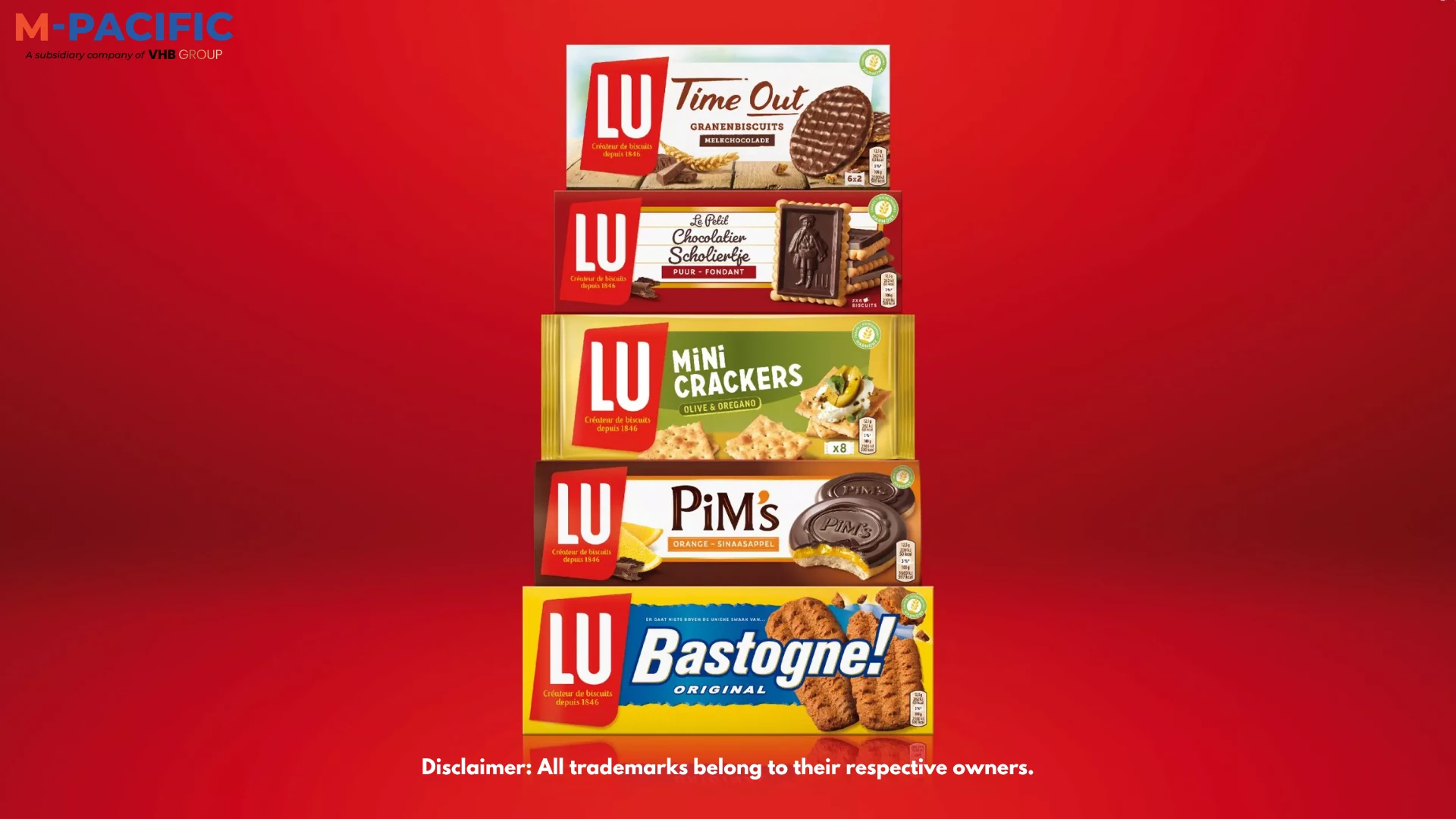
Exploring LU French Biscuits French Origin parameters provides food importers, retail category managers, gourmet food buyers, and wholesale distributors with deep insights into how French baking heritage, Nantes factory history, pure French butter sourcing, and Mondelēz European quality standards govern product excellence. Manufactured in France, LU represents one of the world’s most historic commercial bakery brands.
Evaluating origin parameters allows procurement directors at M-Pacific to secure origin-traceable supply chains, verify authentic European quality standards, and manage parallel trade opportunities.
Table of Contents
- Historical Heritage: The 1846 Lefèvre-Utile Bakery in Nantes
- The Iconic Design Geometry of the 1886 Petit Beurre
- Mondelēz French Manufacturing Facility Architecture
- Comparative Analysis of European Premium Biscuit Origins
- International Import Compliance, EU Quality Standards, and Customs
- Frequently Asked Questions (FAQ)
1. Historical Heritage: The 1846 Lefèvre-Utile Bakery in Nantes
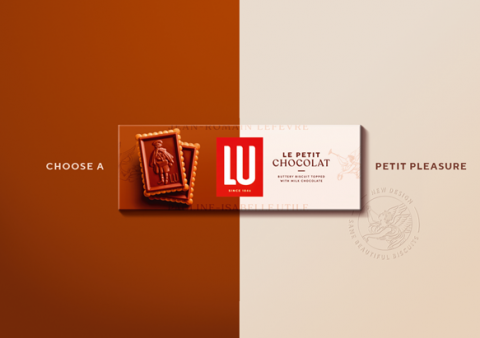
The history of LU began in 1846 in Nantes, France, when pastry chef Jean-Romain Lefèvre married Pauline-Isabelle Utile and opened a boutique bakery. Combining their surnames created the trademark LU.
[1846: Nantes, France]        ──► Bakery Founded by Jean-Romain Lefèvre & Pauline-Isabelle Utile
                                         │
                                         ▼
[1886: Petit Beurre Invented] ──► Louis Lefèvre-Utile Designs the Iconic 52-Teeth Butter Biscuit
                                         │
                                         ▼
[1897: Firmin Bouisset Art]   ──► Creation of the Iconic "Petit Écolier" (Schoolboy) Poster
                                         │
                                         ▼
[Modern Era: Mondelēz Global]  ──► Global Export Leader in Premium French Biscuits
In 1886, their son Louis Lefèvre-Utile revolutionized commercial baking by industrializing production and creating the Véritable Petit Beurre, blending traditional French butter pastry methods with modern tunnel oven baking.
2. The Iconic Design Geometry of the 1886 Petit Beurre
Louis Lefèvre-Utile designed the Petit Beurre with allegorical geometric dimensions representing time and nature:
- 4 Corner Ears: Represent the 4 seasons of the year.
- 52 Teeth along the Edges: Represent the 52 weeks of the year.
- 24 Indentations on the Surface: Represent the 24 hours of the day.
- 4 Corner Holes: Represent the 4 cardinal directions.
This unique design became an internationally recognized trademark, copied worldwide but never matched in pure butter flavor.
3. Mondelēz French Manufacturing Facility Architecture
All authentic LU French biscuits exported by M-Pacific originate from specialized Mondelēz baking facilities in France:
- La Haye-Fouassière Plant (Nantes Region): The primary French production plant dedicated to baking billions of authentic Petit Beurre biscuits annually using local French wheat flour and butter.
- Cestas & Besançon Facilities: Dedicated plants producing Prince sandwich biscuits, Pim’s sponge cakes, and Petit Écolier chocolate bars under strict European food safety controls (FSSC 22000, ISO 22000).
4. Comparative Analysis of European Premium Biscuit Origins
The following matrix compares primary European premium biscuit origins:
| Brand Name | Manufacturing Origin | Parent Company | Flagship Biscuit Line | Commercial Trade Advantage |
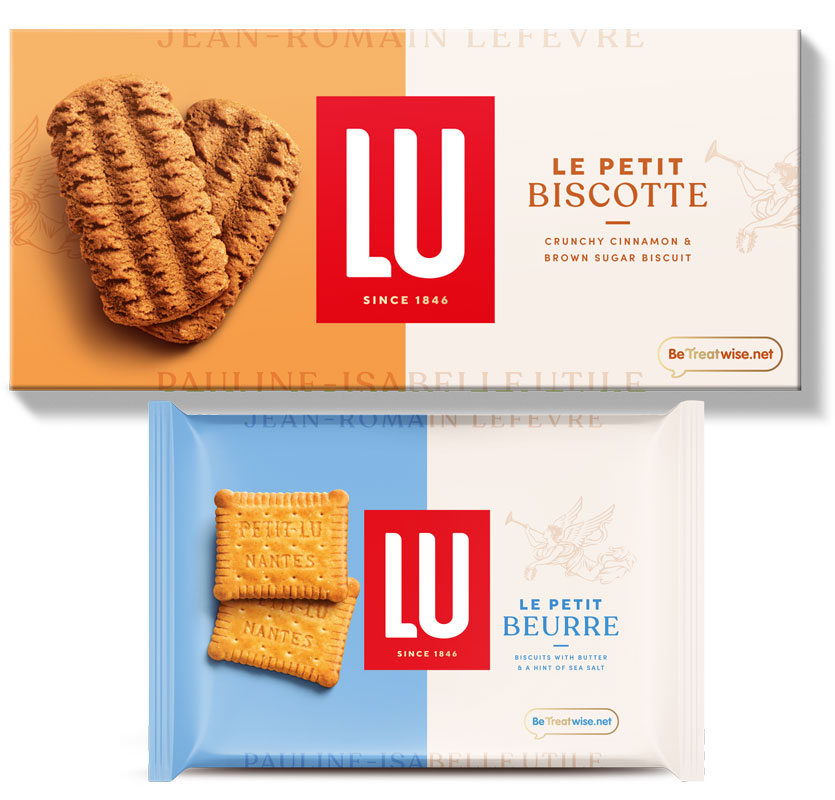
| LU French Biscuits | Nantes / Cestas, France | Mondelēz International | Petit Beurre, Prince, Pim’s | Iconic French heritage, 13%+ pure French butter content. |
| Lotus Biscoff | Lembeke, Belgium | Lotus Bakeries | Caramelized Speculoos | Global coffee shop synergy, unique caramelized flavor. |
| McVitie’s | London / Carlisle, UK | Pladis Global | Digestive, Rich Tea | Dominant British tea-time brand, high volume throughput. |
5. International Import Compliance, EU Quality Standards, and Customs
Navigating international trade in LU French Biscuits requires leveraging European trade standards:
European Union Origin Verification (EUR.1)
Because LU biscuits are manufactured in France using 100% certified European wheat flour and dairy inputs, exports qualify for preferential import tariffs under bilateral EU trade agreements when accompanied by an official EUR.1 or EU Certificate of Origin.
Multilingual Export Packaging
Mondelēz Europe supplies LU master cases and retail boxes with compliant multilingual packaging (English, French, Arabic, Spanish) detailing full ingredient disclosures, dairy/gluten allergen warnings, and production lot codes.
LU French Biscuits French Origin FAQ
Disclaimer: Unless otherwise stated, the images used in this article are the property of their respective owners. We do not claim ownership of any third-party images featured, and they are used here strictly for informational and educational purposes. If you are the copyright holder and wish to have an image removed, please contact us.