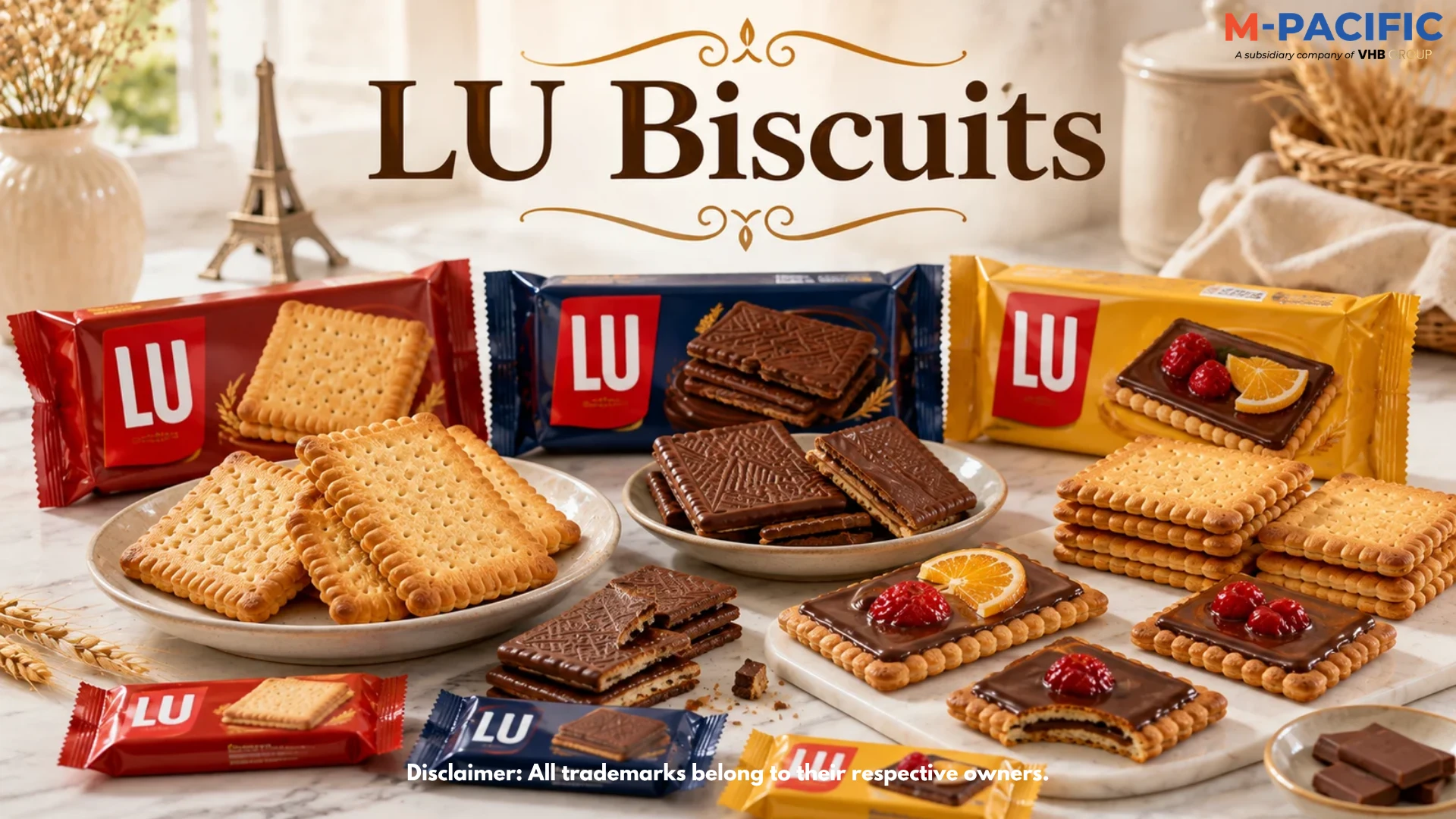
Analyzing the LU French Biscuits Wholesale Distribute Channel network provides a detailed roadmap for moving premium French biscuits from Mondelēz baking plants in France to global supermarket chains, specialty gourmet food halls, hotel groups, and airline caterers. Building a resilient Route-to-Market (RTM) strategy requires navigating multi-tiered distribution layers—including cold-chain Reefer shipping for chocolate lines, dry ambient warehousing, gourmet food service redistribution, and multi-channel last-mile delivery.
Optimizing these channels enables procurement directors and logistics managers at M-Pacific to lower landed freight costs, manage temperature controls, prevent biscuit breakage, and maximize gross profit margins across diverse retail outlets.
Table of Contents
- Analyzing the Multi-Tiered LU Route-to-Market Architecture
- Gourmet Specialty Distribution vs. Centralized Supermarket Channels
- Retail and Food Service Channel Matrix
- Hotel, Airline, and Duty-Free Capillary Distribution Networks
- Warehousing Controls, Cold-Chain Management, and Inventory Velocity
- Frequently Asked Questions (FAQ)

1. Analyzing the Multi-Tiered LU Route-to-Market Architecture
Mondelēz Europe operates a hybrid distribution model tailored to regional market infrastructure, consumer purchasing power, and retail trade maturity. The distribution pipeline operates across four primary structural layers:
[Mondelēz Plants (Nantes / Cestas, France)]
                       │
                       ▼
   [Primary Export Packaging & Logistics Hub]
    (Roll Packs, Pim's Boxes, Petit Écolier, Tins)
                       │
       ┌───────────────┴───────────────┐
       ▼                               ▼
[Direct Supermarket DCs]        [FMCG Import Consolidators]
 (Centralized Retail Logistics)  (M-Pacific Wholesale Network)
       │                               │
       ▼                               ▼
[Hypermarkets & Food Halls]     [Specialty Stores & Duty-Free]
- Primary Manufacturing Stage: Mondelēz plants in France bake, chocolate-coat, and package master cases for European distribution or ocean export.
- Master Import & Tier-1 Wholesale Stage: International master importers and FMCG consolidators like M-Pacific import full container loads (FCL Dry or Reefer), managing port clearance, warehousing, and trade financing.
- Secondary Redistribution Stage: Tier-1 distributors supply regional gourmet food wholesalers, cash-and-carry hubs, and airline caterers.
- Last-Mile Retail Execution: Product flows into supermarket aisles, gourmet food halls, pharmacy chains, hotel tea trays, and airport duty-free shops.
2. Gourmet Specialty Distribution vs. Centralized Supermarket Channels
LU distributors balance two main physical distribution channels:
Gourmet Specialty and Food Service Distribution
Servicing high-end food halls (such as Galeries Lafayette or Harrods), specialty import grocery stores, luxury hotel groups, and airline caterers.
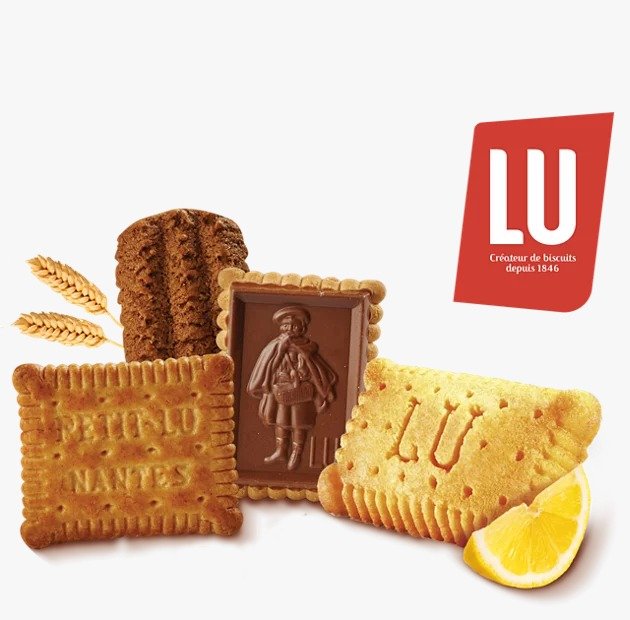
- Product Formats: Focused on Petit Écolier, Pim’s, and vintage collector gift tins.
- Distribution Setup: Specialized distributor fleets manage small-batch deliveries with high-touch merchandising and temperature-controlled vans.
Centralized Supermarket Warehouse Distribution
Under centralized warehouse distribution, full truckloads (FTL) or ocean containers of LU roll packs (Petit Beurre, Prince) are shipped directly to the central distribution centers (DCs) of national hypermarket chains.
- Primary Advantage: Significantly lowers logistics distribution costs per case, enabling volume discounting.
- Trade-Off: Shifts store-level merchandising and shelf stocking responsibilities entirely to the retailer.
3. Retail and Food Service Channel Matrix
Different customer segments demand tailored logistics setups, packaging formats, and delivery frequencies:
| Distribution Channel | Target Customer Base | Dominant LU SKUs | Delivery Model | Relative Channel Gross Margin |
| Gourmet Food Halls | Specialty Shoppers & Tourists | Petit Écolier, Pim’s, Gift Tins | Specialty DSD / Reefer Fleet | High Quality-Driven Margin |
| Modern Trade Retail | Hypermarkets & Supermarkets | Petit Beurre 200g, Prince 300g | Central Warehouse FTL / FCL | Standard Volume Margin |
| Airline & Hotel Supply | Airline Caterers & Hotel Groups | Single Twin Packs, Petit Beurre | Direct Bulk Delivery | High Volume Commercial Margin |
| Duty-Free Travel | Airport Shoppers | Multi-Packs, Vintage Tins | Specialized Travel Distributors | Premium Retail Margin |
4. Hotel, Airline, and Duty-Free Capillary Distribution Networks
The global distribution velocity of LU French Biscuits is enhanced by travel retail and luxury hospitality channels:
- Airline In-Flight Catering: Major international airlines serve twin-packed LU Petit Beurre or Prince biscuits during in-flight coffee service, exposing millions of international travelers to the brand.
- Hotel Room Amenity Trays: Luxury hotel chains place individual Petit Beurre packs on room tea/coffee trays as a premium French hospitality amenity.
- Duty-Free Airport Shops: High-traffic airport retail displays showcase vintage collector tins, driving high-margin gift purchases.
5. Warehousing Controls, Cold-Chain Management, and Inventory Velocity
Maintaining product fresh quality across warehouse networks requires systematic environmental controls:
- Cold-Chain Warehousing for Chocolate Lines: Warehouses storing Petit Écolier or Pim’s must maintain climate-controlled temperature zones set between 14°C and 18°C (57°F to 64°F) with Relative Humidity below 65% RH.
- Dry Ambient Storage for Plain Lines: Uncoated lines (Petit Beurre, Bastogne) can be stored at ambient temperatures up to 22°C in dry, sheltered conditions.
- FIFO Inventory Rotation: Automated WMS systems enforce strict First-In, First-Out (FIFO) picking rules based on French manufacturing timestamps.
LU French Biscuits Wholesale Channel FAQ
Disclaimer: Unless otherwise stated, the images used in this article are the property of their respective owners. We do not claim ownership of any third-party images featured, and they are used here strictly for informational and educational purposes. If you are the copyright holder and wish to have an image removed, please contact us.