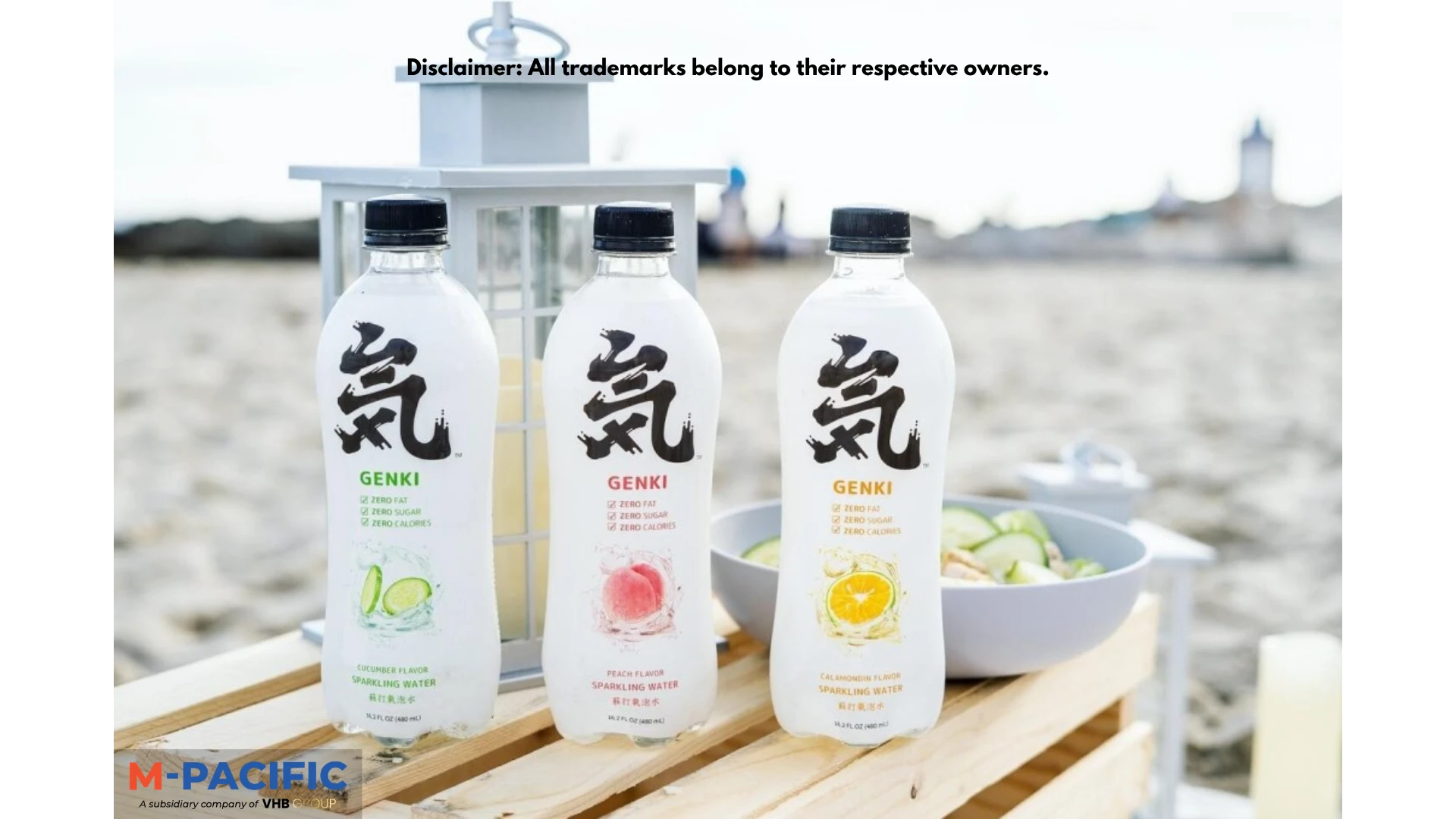
Analyzing the Chinese Genki Forest Water Export Channel network provides a comprehensive blueprint for how one of China’s premier beverage unicorns achieves pervasive market presence across global territories. For FMCG sales directors, wholesale importers, logistics managers, and retail category directors working with consolidators like M-Pacific, understanding Genki Forest’s route-to-market (RTM) strategy reveals how multi-tiered distribution networks move high-velocity stock from automated manufacturing plants in China to urban hypermarkets, Asian grocery networks, and convenience stores.
Optimizing these distribution channels enables procurement directors and distributors to reduce landed freight costs, manage inventory turnover, prevent carbonation loss, and maximize gross profit margins across diverse retail outlets.
Table of Contents
- Analyzing the Multi-Tiered Genki Forest Route-to-Market Architecture
- Direct Corporate Distribution vs. FMCG Export Consolidators
- Retail Channel Matrix: Modern Trade, Asian Grocery, and Convenience
- Asian Grocery Capillary Redistribution Networks
- Warehousing Controls, Ambient Temperature Management, and Inventory Velocity
- Frequently Asked Questions (FAQ)
1. Analyzing the Multi-Tiered Genki Forest Route-to-Market Architecture
Genki Forest (Chi Forest) operates a hybrid distribution model tailored to regional market infrastructure and retail trade maturity. The distribution pipeline operates across four primary structural layers:
[Genki Forest Automated Plants (Mainland China)]
                       │
                       ▼
   [Primary Export Packaging & Logistics Hub]
    (480ml PET Bottles, 330ml Sleek Cans)
                       │
       ┌───────────────┴───────────────┐
       ▼                               ▼
[Direct Supermarket DCs]        [FMCG Import Consolidators]
 (Centralized Retail Logistics)  (M-Pacific Wholesale Network)
       │                               │
       ▼                               ▼
[Hypermarkets & Asian Groceries][Convenience Forecourts & Canteens]
- Primary Manufacturing Stage: Genki Forest plants in China bottle, can, and package master cases for domestic dispatch or ocean export.
- Master Import & Tier-1 Wholesale Stage: International master importers and FMCG consolidators like M-Pacific import full container loads (40ft High Cube), managing customs clearance, over-stickering, warehousing, and trade financing.
- Secondary Redistribution Stage: Tier-1 distributors supply regional sub-wholesalers, cash-and-carry hubs, and Asian grocery suppliers.
- Last-Mile Retail Execution: Product flows into supermarket aisles, Asian grocery shelves, convenience stores, and e-commerce platforms.
2. Direct Corporate Distribution vs. FMCG Export Consolidators
Genki Forest moves through two distinct commercial channels:
Direct Corporate Distribution
Genki Forest corporate sales teams establish direct supply contracts with major national supermarket chains (such as 99 Ranch Market or H-Mart).
- Focus: Enterprise retail fulfillment governed by direct corporate contracts.
FMCG Export Consolidator Channel
Independent wholesalers source via master FMCG consolidators like M-Pacific.
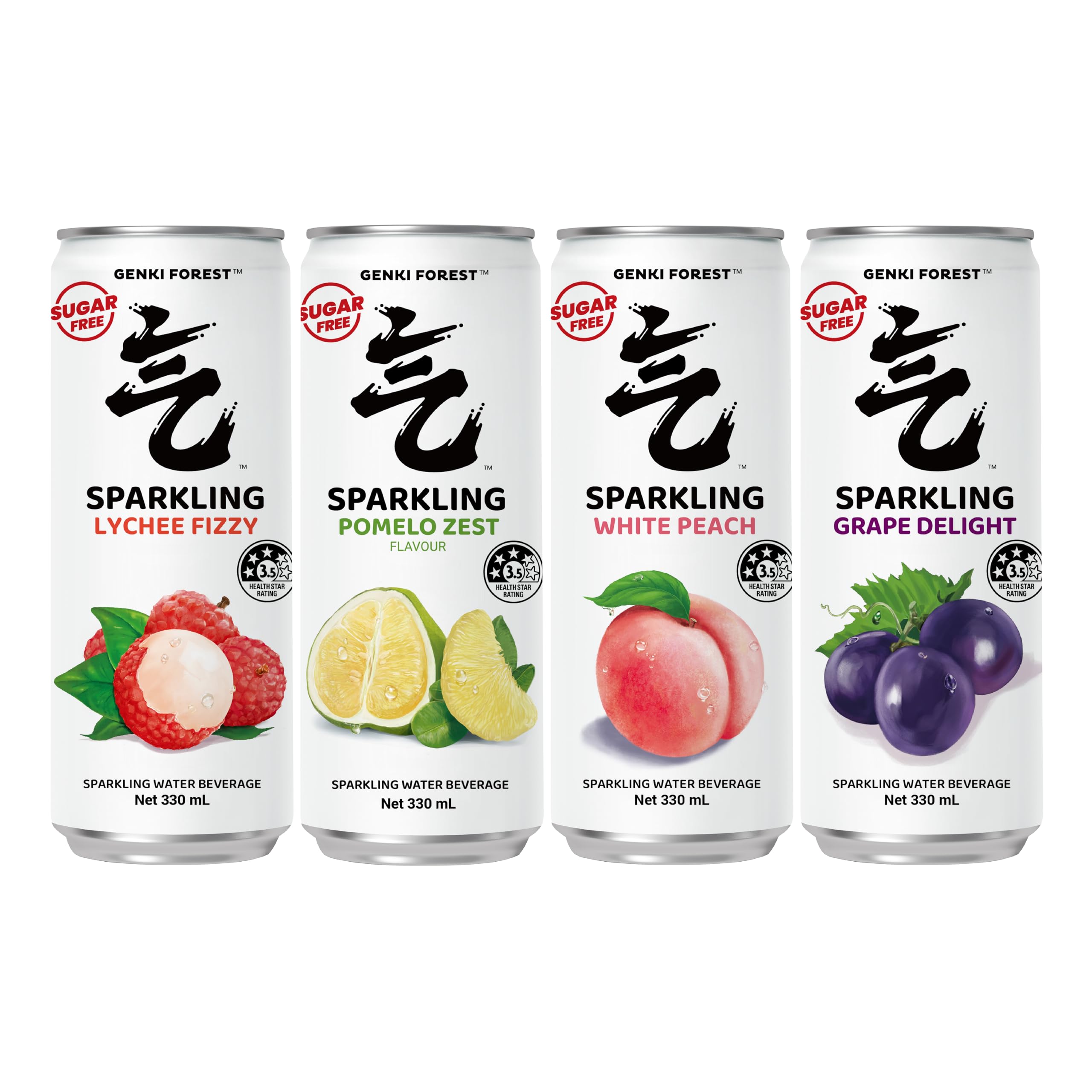
- Focus: Flexible Minimum Order Quantities (MOQs starting at 1x20ft or 1x40ft FCL) and mixed-container capabilities (combining Genki Forest with Chinese Coca-Cola, Chilsung Cider, or Pocari Sweat).
3. Retail Channel Matrix: Modern Trade, Asian Grocery, and Convenience
Different retail channels require tailored logistics setups, packaging formats, and delivery frequencies:
| Retail Channel | Target Outlets | Dominant Genki Forest SKUs | Delivery Model | Relative Gross Margin |
| Asian Grocery Trade | Asian Supermarkets & Food Halls | 480ml PET Bottles (White Peach) | FCL Ocean / Sub-Wholesalers | High Volume Niche Margin |
| Modern Trade | Mainstream Supermarket Chains | 480ml PET Bottles, 330ml Cans | Central Warehouse FTL / FCL | Standard Volume Margins |
| Convenience Stores | Express Stores & Gas Stations | 330ml Sleek Cans, 480ml PET | Direct Store Delivery (DSD) | High Unit Gross Margin |
4. Asian Grocery Capillary Redistribution Networks
In international export markets across North America, Europe, Australia, and the Middle East, Asian grocery stores represent the primary distribution engine for Genki Forest:
Capillary Sub-Wholesaler Networks
Master distributors partner with localized sub-wholesalers operating in dense urban Asian commercial hubs. These sub-wholesalers deliver cases of Genki Forest directly to independent grocery store owners and Asian dining spots.

5. Warehousing Controls, Ambient Temperature Management, and Inventory Velocity
Maintaining sparkling water quality across warehouse networks requires systematic environmental controls:
- Ambient Storage Envelope: Genki Forest water is shelf-stable. Warehouses must maintain temperatures between 15°C and 25°C (59°F to 77°F) in dry, sheltered conditions away from direct sunlight. Storing above 35°C accelerates $CO_2$ pressure loss through PET plastic walls.
- FIFO Inventory Rotation: Automated WMS systems enforce strict First-In, First-Out (FIFO) picking rules based on manufacturing timestamps, ensuring older stock is dispatched first.
Genki Forest Export Channel FAQ
Disclaimer: Unless otherwise stated, the images used in this article are the property of their respective owners. We do not claim ownership of any third-party images featured, and they are used here strictly for informational and educational purposes. If you are the copyright holder and wish to have an image removed, please contact us.