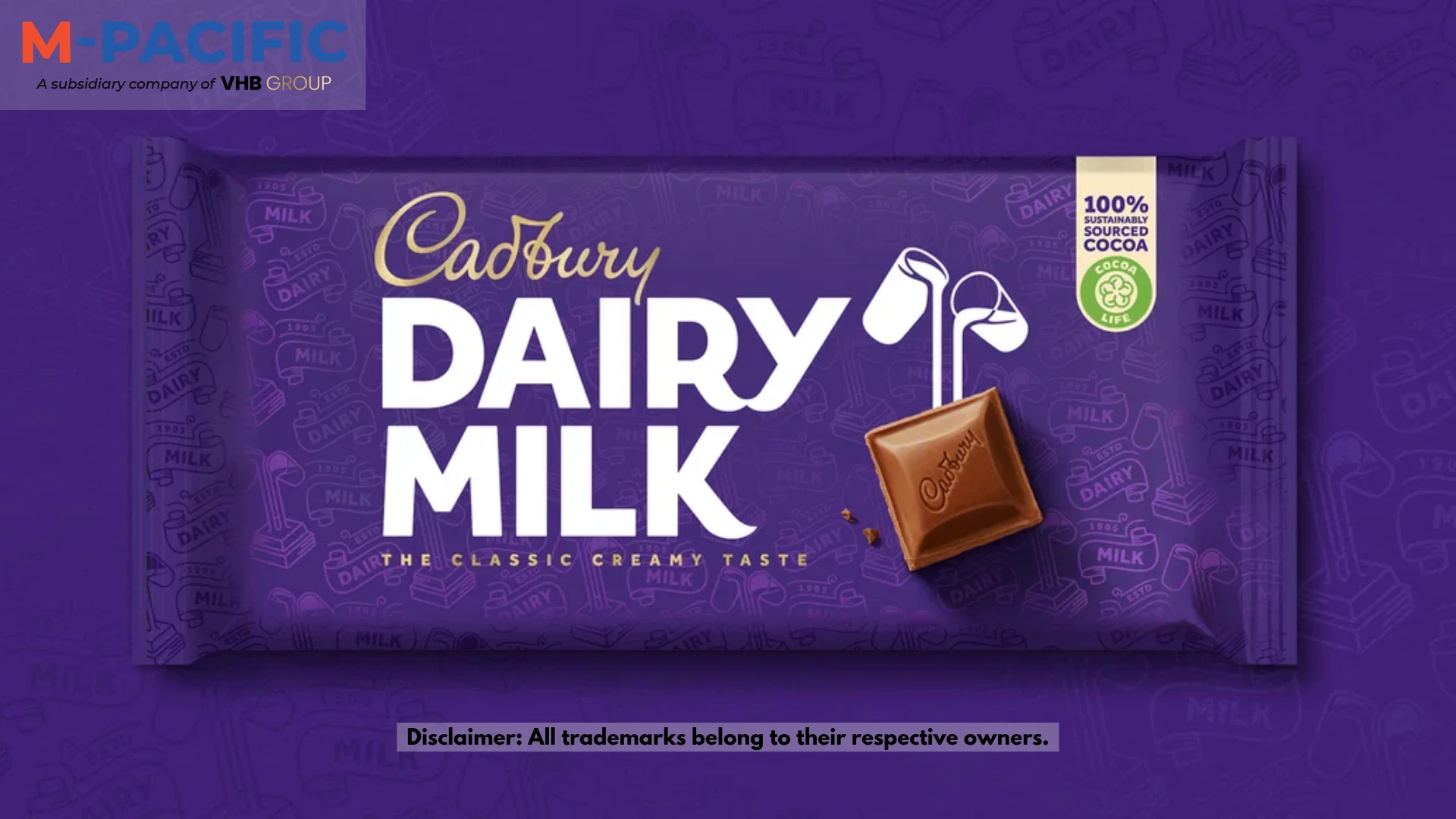
Understanding the exact Malaysian Cadbury Chocolate Recipe Facts is absolutely essential for FMCG importers, international supermarket buyers, and confectionery distributors who want to comprehend why this specific product output is so highly demanded in the global market. Unlike standard European chocolate formulations that may utilize controversial animal-derived emulsifiers or varying milk powders, this Mondelēz formulation is meticulously engineered under strict Islamic dietary laws to provide a rich, creamy, and globally compliant flavor experience that directly appeals to both mainstream and Muslim consumer palates.
For international procurement teams and supply chain managers looking to capitalize on this immense global demand, reviewing the operational logistics of Malaysian Cadbury Chocolate Bulk is the mandatory next strategic step. However, before investing in bulk container loads, buyers must fully understand the chemical, nutritional, and flavoring components that make these chocolate bars a high-velocity retail juggernaut across mainstream supermarkets and ethnic grocers.
Table of Contents
- Core Ingredients and Formulation Base
- The “Glass and a Half” Dairy Matrix
- Flavor Profile: Essential Malaysian Cadbury Chocolate Recipe Facts
- Nutritional Breakdown and Halal Synergy
- Conclusion

Core Ingredients and Formulation Base
When analyzing the massive commercial success of this globally recognized brand in the Asian market, the primary differentiator lies in the precise, scientifically engineered blending of its core ingredients within a strict compliance framework.
The foundation of the chocolate relies on high-quality cocoa mass and cocoa butter. A major chemical difference in the Malaysian formulation is its tropicalized nature. Because Malaysia is a hot, equatorial country, the chocolate recipe is often subtly adjusted with specific plant-based emulsifiers and a slightly altered fat profile. This increases the melting point of the bar, ensuring that the product does not instantly turn to liquid on non-air-conditioned retail shelves, maintaining its structural “snap” while preserving its creamy texture.
The “Glass and a Half” Dairy Matrix
A critical element within the manufacturing cycle is the heavy industrial reliance on the classic Cadbury dairy incorporation method.
Unlike Swiss or Belgian chocolates that frequently use dry milk powder, the iconic Cadbury process relies heavily on liquid milk. The famous “glass and a half of full cream milk” slogan refers to the process of mixing liquid milk with sugar and cocoa liquor to create a dehydrated “crumb.” This crumb is the secret to the unique Cadbury flavor profile, providing a deeply caramelized, milky taste that cannot be replicated by simply blending dry cocoa and dry milk powder together during the conching phase.

Flavor Profile: Essential Malaysian Cadbury Chocolate Recipe Facts
The most distinctive physical characteristic of the chocolate upon unwrapping is its robust, highly aromatic dairy profile which is entirely smooth and devoid of granular grittiness.
Balancing Cocoa, Dairy, and Inclusions
The Malaysian Cadbury Chocolate Recipe Facts matrix is heavily characterized by rich, accessible gastronomy:
- Original Dairy Milk: Provides an intensely sweet, milky profile with distinct caramel undertones. The cocoa acts as a supporting flavor rather than the dominant astringent note found in dark chocolates.
- Roast Almond: Utilizes premium, dry-roasted almonds to provide a woody, savory contrast to the sweet chocolate, breaking up the richness and providing a satisfying crunch.
- Black Forest: Integrates chewy cherry-flavored jellies and biscuit pieces, offering a highly complex, dessert-like experience in a single bar.
Nutritional Breakdown and Halal Synergy
To fully grasp the commercial appeal, FMCG distributors must analyze the macro-nutritional profile. A standard bar is carefully calibrated for optimal flavor density while maintaining strict religious dietary compliance.
| Nutritional Component | Function in the Confectionery Blend | Compliance & Safety Profile |
| Cocoa Solids / Butter | Provides the chocolate flavor and smooth melting properties. | Plant-based, naturally Halal. |
| Liquid Milk / Dairy | Provides the signature creaminess and caramel notes. | Sourced from compliant dairy networks. |
| Soy Lecithin (E322) | Acts as an emulsifier to bind fat and water, smoothing the texture. | Plant-derived; crucially avoids animal-derived E476 (PGPR) controversies. |
| Total Sugars | Drives the high sweetness profile and acts as a preservative. | Standard, globally approved food ingredient. |

Conclusion
Mastering the foundational flavor profile and manufacturing chemistry is the definitive key to understanding the brand’s unstoppable global retail velocity in Islamic and mainstream markets alike. From the powerful extraction of the dairy crumb process to the precision engineering of the tropicalized cocoa matrix, every single element of this recipe is designed to deliver a premium, highly comforting melt. For international distributors and FMCG retailers, stocking these authentic, Halal-certified Asian snacks guarantees access to a highly loyal consumer base. Contact your preferred procurement partner today to secure your wholesale allocation.
Cadbury Recipe Facts FAQ
Disclaimer: Unless otherwise stated, the images used in this article are the property of their respective owners. We do not claim ownership of any third-party images featured, and they are used here strictly for informational and educational purposes. If you are the copyright holder and wish to have an image removed, please contact us.