Monster Energy Unique SKUs represent one of the most dynamic and fastest-growing segments in the global beverage industry today. With hundreds of distinct Stock Keeping Units (SKUs) spread across multiple product lines, flavors, and packaging formats, managing this inventory requires precision, foresight, and a deep understanding of market-specific demands. For wholesalers, distributors, and large-scale retailers, the sheer volume of choices can be both a highly lucrative opportunity and a complex logistical challenge.
Whether you are trying to minimize stockouts of high-demand zero-sugar options or trying to prevent capital lockup in slow-moving regional variants, understanding the structure of these unique SKUs is critical. In this comprehensive strategic guide, we will break down the entire taxonomy of Monster Energy’s product catalog, analyze seasonal demand curves, explore logistical optimization techniques, and provide actionable inventory management solutions to maximize your distribution margins.
Table of Contents
- 1. Decoding the Complexity of Monster Energy Unique SKUs
- 2. Key Monster Energy Unique SKUs by Category
- 3. How Wholesalers Optimize Monster Energy Unique SKUs
- 4. Global vs. Regional Stock Keeping Units
- 5. Comparative Breakdown of Top Performing SKUs
- 6. Frequently Asked Questions (FAQ)
- 7. Conclusion & Next Steps

Decoding the Complexity of Monster Energy Unique SKUs
To navigate the expansive landscape of Monster Energy, distributors must look beyond the standard black-and-green can. The brand has built its market dominance by aggressively diversifying its product lineup. This diversification directly translates into a vast matrix of Monster Energy Unique SKUs. Each SKU is defined by several attributes, including flavor profile, sugar content, base liquid (energy drink, tea, coffee, or juice), can size (such as 250ml, 355ml, 500ml, and 24oz mega cans), and regional packaging compliance standards.
This SKU proliferation poses a unique challenge to supply chain managers. A single flavor, such as Monster Ultra White (Zero Ultra), can exist under several different SKU codes depending on whether it is packaged for the North American market, European market, or Asian market. This complexity is further amplified when considering differences in domestic ingredients regulations, multi-language labeling requirements, and deposits/recycling codes (such as CRV or deposit marks). Understanding how these attributes map to target consumer demographics is key to maintaining a highly fluid inventory cycle.

Furthermore, because of the brand’s immense cultural footprint, specialized limited-edition SKUs frequently enter the market. These seasonal or promotional products, often featuring collaborations with prominent motorsports athletes, gaming franchises, or music festivals, have highly compressed lifecycles. Wholesalers must develop predictive demand models to capitalize on the initial consumer hype of these temporary SKUs without getting stuck with excess inventory once the promotional window closes.
Key Monster Energy Unique SKUs by Category
To successfully manage your inventory levels, it is vital to classify Monster Energy Unique SKUs into logical operational groupings. This categorization allows warehouse managers to set separate safety stock levels and reorder triggers based on the predictable velocity of each category. Let us analyze the primary product categories that dominate the distribution network.
1. The Core & Original Lineups
This category features the flagship products that drive the highest volume of steady sales throughout the year. The traditional 16oz (473ml) green Monster Energy can is the bedrock of the entire catalog. Along with it are variants like Monster Lo-Carb and Monster Zero Sugar. These SKUs have the highest inventory velocity, meaning they require larger warehouse footprints, lower safety stock margins, and rapid turnarounds to keep up with steady everyday demand.
2. Monster Ultra Series (Zero Sugar)
The Ultra line targets health-conscious consumers and fitness enthusiasts who demand zero-sugar options with lighter, crisp flavor profiles. Key SKUs like Ultra White, Ultra Fiesta, Ultra Gold, and Ultra Peachy Keen have seen exponential growth. Because zero-sugar drinks attract a slightly different demographic than traditional energy drinks, stocking a balanced selection of these SKUs is necessary to capture maximum retail shelf space.

3. Juice Monster & Punch Series
Blending energy drink formulas with real fruit juices, the Juice series (which includes mega-hits like Pipeline Punch, Mango Loco, and Pacific Punch) caters to users seeking exotic, sweet flavor profiles. These products often command premium shelf space and require precise monitoring as they are highly subject to seasonal consumption spikes during the summer months.
4. Java Monster & Rehab Tea Lines
These SKUs represent a crossover into alternative beverage spaces. Java Monster combines premium coffee with the energy blend, targeting morning consumers, while the Rehab line offers non-carbonated tea and lemonade blends aimed at recovery and hydration. These lines have unique supply chains, shorter shelf lives, and require distinct handling protocols during transit and storage due to milk content in the coffee variants.
How Wholesalers Optimize Monster Energy Unique SKUs
Achieving optimal efficiency in your warehouse operations requires structured processes tailored specifically for high-velocity FMCG items. When dealing with Monster Energy Unique SKUs, implementing a rigid First-In, First-Out (FIFO) inventory flow is essential. Because energy drinks carry an expiration date, failing to track batch numbers and production codes can result in costly write-offs of expired stock.
Another major optimization factor is building strong distributor relationships. Aligning your procurement strategies with an experienced partner who specializes in Monster Energy wholesale distribution ensures you get consistent allocations of high-demand SKUs, priority access to new product rollouts, and favorable bulk pricing structures. Furthermore, specialized distributors can help absorb the volatility of sudden market shifts, reducing your holding costs and improving overall cash flow.
Utilizing modern Warehouse Management Systems (WMS) is also highly recommended. A robust WMS allows you to assign specific locations for each SKU, track sales velocities in real-time, and automate replenishment orders. By analyzing historical sales data, you can dynamically adjust your stock levels—increasing the holding volume of summer-themed Juice SKUs during hot seasons and scaling them back in winter in favor of morning-oriented Java Monster SKUs.
Global vs. Regional Stock Keeping Units
The beverage distribution landscape is heavily influenced by regional preferences and strict local regulatory frameworks. Monster Energy operates dynamically to cater to these regional nuances, resulting in localized Monster Energy Unique SKUs. For instance, the sugar taxes implemented across various European nations have driven the formulation of specific localized SKUs containing altered sweetener balances, which must be clearly categorized and priced separately from standard non-taxed exports.
In addition, labeling standards set by regulatory agencies like the FDA in the United States or the EFSA in Europe require completely different package labeling. Wholesalers engaging in cross-border trade must be highly cautious when managing these regional variants. Importing or exporting an incorrect regional SKU can lead to customs seizures, legal compliance issues, and major financial losses. Always ensure your SKU descriptions and barcodes align perfectly with local compliance laws before finalizing high-volume shipments.
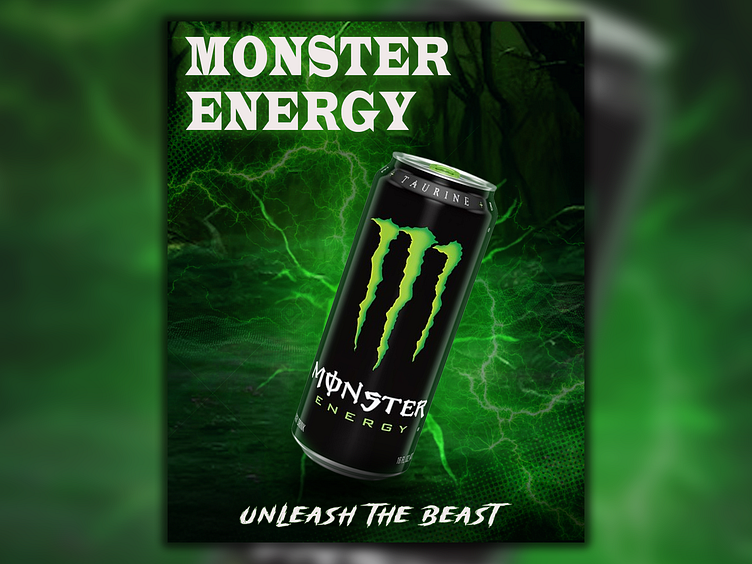
Understanding regional tastes also lets smart wholesalers gain a competitive edge. Certain exotic flavors popular in European or Asian markets (such as specific localized Juice or Ultra variations) can sometimes be successfully introduced to domestic niche retail markets as high-margin specialty items. Carefully monitor international beverage trends to identify unique opportunities where regional SKUs can be imported to satisfy local demand for rare energy drink flavors.
Comparative Breakdown of Top Performing SKUs
To help you structure your stocking strategy, the table below provides an overview of the key performance and distribution attributes across standard categories of Monster Energy Unique SKUs. Use this data as a general baseline when planning your inventory allocation budgets.
| SKU Family | Avg. Inventory Velocity | Target Demographics | Optimal Shelf Life | Seasonal Sensitivity |
|---|---|---|---|---|
| Core Original Series | Very High (Top Seller) | General Adult / Gamers | 24 Months | Low (Consistent year-round) |
| Monster Ultra (Zero Sugar) | High | Fitness / Health Conscious | 24 Months | Low-Medium |
| Juice Monster / Punch | Medium-High | Gen Z / Flavor Explorers | 18 Months | High (Spikes in Summer) |
| Java Monster (Coffee-based) | Medium | Morning Commuters | 12 Months | Low (Morning focus) |
Conclusion & Next Steps
In conclusion, successfully mastering your wholesale inventory of Monster Energy Unique SKUs is a proven strategy for maximizing your distribution margins, optimizing warehouse throughput, and cultivating high client retention. By segmenting your stock, leveraging modern Warehouse Management Systems, executing flawless FIFO procedures, and choosing reliable distribution partners, you can successfully bypass common stock bottlenecks and keep your business highly profitable.
Are you looking to optimize your beverage supply chain and secure a consistent, high-volume supply of top-selling energy drinks? Partner with an experienced industry leader who understands your logistical needs. Explore our comprehensive sourcing options and find out how we can help scale your inventory today. For professional volume quotes or to speak with our supply chain specialists, please contact our distribution desk directly.