Understanding the landscape of Sprite Soft Drinks Unique SKUs is vital for modern beverage distributors looking to scale their operations.
As a cornerstone of the global beverage industry, Sprite has established itself as the leading lemon-lime soda choice worldwide. However, for wholesalers, distributors, and large-scale retailers, managing inventory goes far beyond simply stocking standard green cans. You must understand how different packaging configurations, volumetric options, and regional formulas impact shelf life, shipping costs, and consumer preference. This guide details how to navigate these stock-keeping units to maximize operational efficiency and warehouse space.
Table of Contents
- Why Sprite Soft Drinks Unique SKUs Matter for Retailers
- A Breakdown of Sprite Soft Drinks Unique SKUs by Region and Sizing
- Understanding Global Variations of Sprite Soft Drinks Unique SKUs
- How to Strategically Source Sprite Soft Drinks Unique SKUs
- Navigating Inventory for Sprite Soft Drinks Unique SKUs
- Logistics, Sustainability, and Storage Considerations
- Frequently Asked Questions
- Conclusion
Why Sprite Soft Drinks Unique SKUs Matter for Retailers
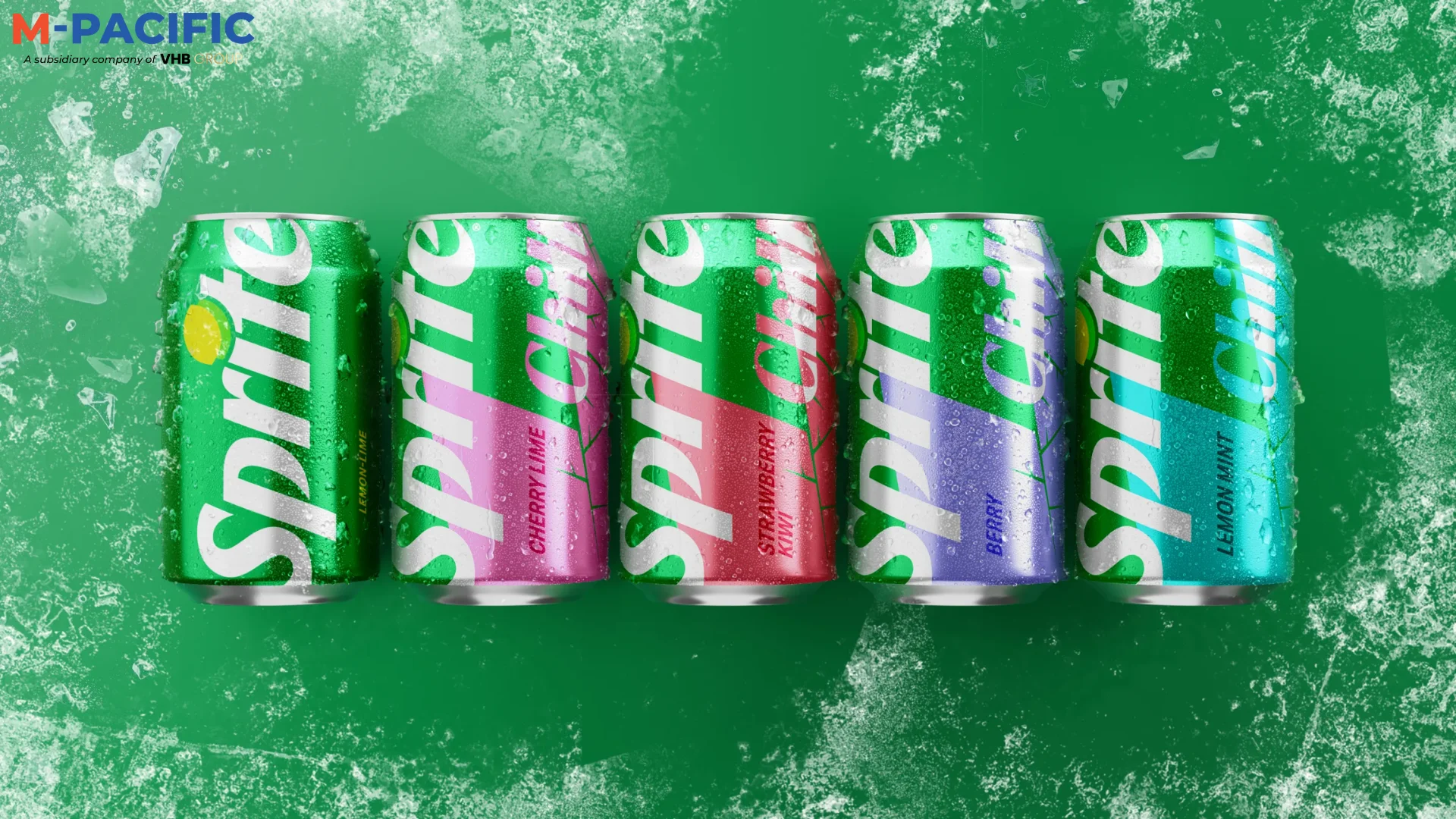
For B2B buyers, the selection of Sprite Soft Drinks Unique SKUs directly dictates market penetration and supply chain efficiency. Different consumer demographics require distinct packaging formats. For instance, quick-service restaurants rely heavily on post-mix syrup bags-in-boxes, while convenience stores prioritize grab-and-go 500ml PET bottles. Managing these diverse stock-keeping units allows suppliers to optimize their shelf space and maximize profitability. Understanding each SKU’s target market is vital for executing successful inventory strategies.
When wholesalers inventory multiple variants, they can better target seasonal demand. High-capacity formats like 2-liter bottles experience elevated turn rates during summer holidays and festive periods, whereas single-serve 330ml sleek cans remain stable performers for workplace cafeterias and vending machine routes. Catering to these diverse use cases prevents lost sales opportunities and reduces dead stock.
A Breakdown of Sprite Soft Drinks Unique SKUs by Region and Sizing
Distributors must recognize that Sprite is not packaged uniformly worldwide. European markets lean heavily toward 330ml sleek cans and 1.5-liter PET bottles, whereas the North American market is dominated by 12oz (355ml) standard cans, 7.5oz sleek mini cans, and 2-liter sharing bottles. These regional variations in Sprite Soft Drinks Unique SKUs mean that import-export businesses must remain vigilant about compliance with local labeling laws, sugar taxes, and recycling deposit schemes (like CRV in California or Pfand in Germany).
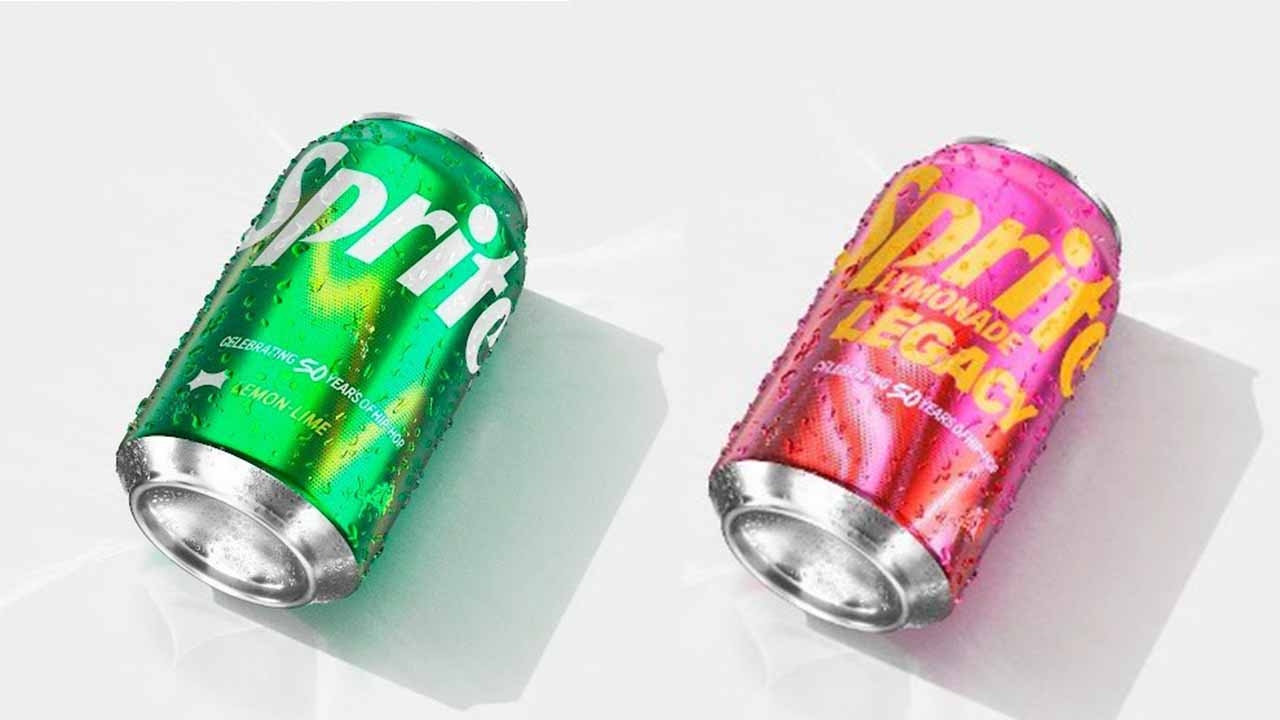
Understanding these regional preferences is crucial for maintaining margins. Importing a size configuration that is foreign to your target demographic can result in slow inventory turnover. Below, we examine the physical specifications, material classes, and optimal distribution cases for each global variant, helping you optimize container configurations and lower shipping-related overhead.
Understanding Global Variations of Sprite Soft Drinks Unique SKUs
To maximize efficiency, businesses should categorize their inventory by material types: aluminum cans, glass bottles, and PET (polyethylene terephthalate) plastics. Each material serves a unique consumption occasion. Glass bottles are frequently utilized in premium dining establishments and specific cultural markets (such as Mexican Sprite made with cane sugar), whereas lightweight PET bottles are standard for on-the-go hydration. Sourcing these effectively requires coordinating with a reliable bulk partner, and focusing on Sprite soft drinks bulk systems can significantly optimize procurement costs.
Furthermore, ingredient profiles differ across regional packaging. European formulations often utilize a blend of sugar and sweeteners like stevia or acesulfame potassium to comply with strict European sugar levies. In contrast, standard North American units use High Fructose Corn Syrup (HFCS). These distinct ingredient SKUs influence taste profiles and dictate strict compliance paths for food safety authorities such as the FDA in the United States and EFSA in Europe.
How to Strategically Source Sprite Soft Drinks Unique SKUs
When procuring beverages at scale, managing logistics is just as critical as finding the right unit price. The physical dimensions and weight differences of various Sprite Soft Drinks Unique SKUs significantly affect container loading configurations. For example, a standard 20-foot shipping container can accommodate more net liquid volume of aluminum cans than glass bottles due to the fragile nature and heavy weight of glass packaging.
Additionally, distributors must establish relationships directly with bottling plants or authorized tier-one exporters. Purchasing mixed container loads that combine high-turnover SKUs with emerging low-sugar alternatives like Sprite Zero Sugar or flavored seasonal variants (such as Sprite Cranberry) allows you to test market demand without over-committing capital to a single product line.
Navigating Inventory for Sprite Soft Drinks Unique SKUs
Distributors must also account for shelf-life variations when tracking inventory. Aluminum cans generally preserve carbonation longer than PET bottles, which are slightly gas-permeable over extended periods. Regular rotation of stock using a First-In, First-Out (FIFO) methodology ensures that end consumers always receive a highly carbonated, crisp product. When handling premium and niche variants like Sprite Zero Sugar or Sprite Cherry, inventory control must be even tighter due to lower overall velocity compared to the flagship formula.

By leveraging digital inventory systems with predictive analytics, warehouse managers can anticipate demand spikes. For instance, stocking up on high-volume PET formats ahead of municipal summer festivals prevents stockouts, while scaling down liquid assets during colder winter months preserves precious warehouse floor space.
Logistics, Sustainability, and Storage Considerations
Modern supply chain operations demand sustainable practices and efficient warehouse management. Aluminum cans are not only easier to stack and transport in dense configurations, but they are also highly circular, boasting excellent recycling rates globally. Incorporating recycling dynamics into your supply chain calculations can yield substantial cost offsets in markets where producer responsibility laws are active. Understanding these green metrics is key to running a modern, profitable enterprise.
Proper storage is equally critical to maintaining flavor stability and avoiding package degradation. Extreme heat can cause PET bottles to expand, compromising caps and resulting in flat soda. Storage facilities must be kept dry and climate-controlled, ideally between 33°F and 40°F (0.5°C to 4°C) to prevent product spoilage and maintain premium carbonation levels.
| SKU Format | Material Type | Average Shelf Life | Shipping Density Rating |
|---|---|---|---|
| 330ml / 355ml Can | Aluminum | 12 Months | Excellent (High density) |
| 500ml Bottle | PET Plastic | 6-9 Months | Moderate |
| 2-Liter Bottle | PET Plastic | 6-9 Months | Low (High volume, empty spaces) |
| 355ml Glass Bottle | Glass | 12+ Months | Poor (Heavy, fragile) |
For more insights into global beverage trade patterns and specifications, you can read current analyses on BeverageDaily or consult The Coca-Cola Company brand index.
Conclusion
Optimizing your product catalog with the right selection of Sprite Soft Drinks Unique SKUs is a proven strategy to increase inventory turnover, minimize waste, and appeal to diverse consumer preferences. By partnering with a dedicated distributor capable of supplying these variations reliably, you can eliminate out-of-stock challenges, streamline cargo loads, and reduce operational overhead. Ready to take your beverage supply chain to the next level? Reach out to our expert sales team today to discuss how we can customize your inventory with a tailored procurement strategy.